
Coca-Cola builds success by blending local ideas with a global plan. Since 1892, they have mixed local teams with special product groups. This method lets each region shape its own approach, like a chef fine-tuning a recipe, while top leaders keep the overall vision in sight. The result is clear: smart central guidance paired with local input leads to lasting global wins. In this post, we break down how this model works and why it has helped Coca-Cola thrive over the years.
Coca Cola Business Structure: Bold Strategy That Works
Founded in 1892, Coca-Cola leads the global beverage market, operating in over 200 countries and offering more than 2,800 products. The company uses a unique matrix structure that blends regional divisions, product groups, and key functional teams. This approach helps the firm match its worldwide plans with local market needs. For example, each region can tweak its marketing and operations to fit local tastes, much like a chef adjusts a recipe for regional flavor.
Top leaders guide Coca-Cola's impressive reach. CEO and Chairman James Quincey, CFO John Murphy, and CMO Manuel Arroyo steer the company, while vice presidents such as Stacy Apter and Barry Ballow, along with Latin America President Henrique Braun, manage important areas. Since 1923, Coca-Cola has been traded on the New York Stock Exchange as KO (it was known as CCO starting in 1919). The firm uses both Business-to-Business (B2B) and Business-to-Consumer (B2C) models. This blend keeps production, packaging, merchandising, and distribution running smoothly to satisfy various market demands.
Coca-Cola's success comes from smart leadership and flexible management. It continually adapts its wide range of products while balancing a unified global plan with local changes. This mix boosts its competitive strength and helps meet long-term goals. By combining strong central oversight with adaptable local operations, Coca-Cola stays a leader in the beverage industry.
Product and Geographic Divisions in the Coca-Cola Business Structure
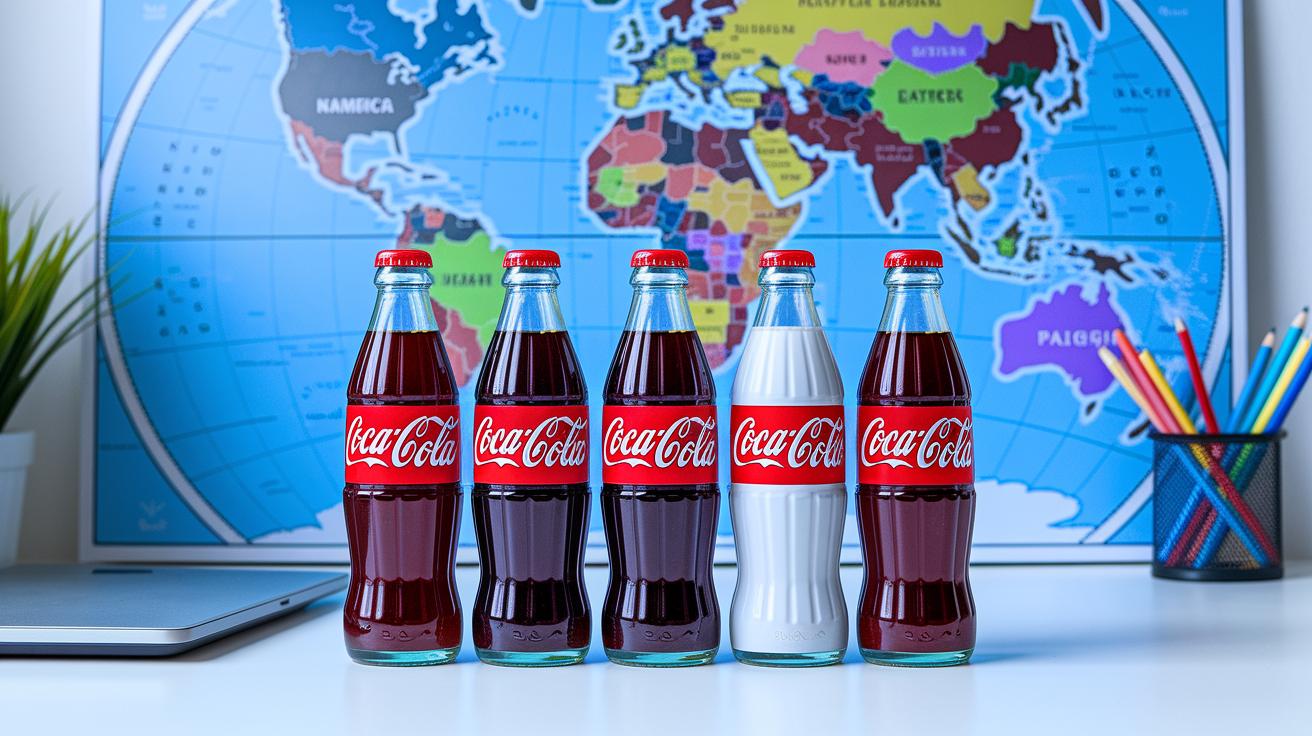
Coca-Cola uses a mix structure that pairs its drink lines with local regions. The product teams manage famous drinks like Coca-Cola, Sprite, and Fanta. They handle research, production, and brand work for these drinks. Meanwhile, local teams work in regions such as North America, Latin America, and Asia Pacific. They tailor marketing strategies and follow local rules to meet customer needs.
This system keeps Coca-Cola's global image strong while letting local teams adjust to market demands. The blend of central control and local flexibility helps the company stay efficient and successful.
| Division Type | Division Name | Core Responsibilities |
|---|---|---|
| Product Division | Coca‑Cola | Manages research, production, and brand work for its main drink |
| Product Division | Sprite | Focuses on new ideas and marketing for the lemon-lime drink |
| Product Division | Fanta | Leads creative product work and promotional strategies |
| Geographic Division | North America | Handles local marketing and follows market rules |
| Geographic Division | Latin America | Adapts operations and campaigns for regional tastes |
| Geographic Division | Asia Pacific | Offers market insights and ensures local compliance |
Executive Leadership and Management Layers in Coca-Cola’s Organizational Blueprint
Coca-Cola has one main leadership team. At the very top, James Quincey (CEO and Chairman), John Murphy (CFO) and Manuel Arroyo (CMO) set the strategy and keep the company on track. Their strong teamwork drives global plans like parts of a well-tuned instrument.
Below the top leaders, vice presidents like Stacy Apter and Barry Ballow and regional heads such as Henrique Braun for Latin America match big corporate goals to local needs. They turn global strategies into practical actions on the ground.
The Board of Directors guides the overall direction by setting fiscal and strategic rules. They make sure that every decision fits the long-term plan and that messages move smoothly across the company.
Functional Departments and Cross-Functional Teams in Coca-Cola’s Internal Management Design

Coca-Cola builds its management on a clear and strong plan. The company combines set departments with flexible project teams to stay fast and meet global standards.
The main departments form the base of its operations. They include:
- Finance
- Marketing
- Human Resources
- Research and Development (R&D)
- Supply Chain
- Operations
These steady units handle everyday tasks while agile teams work on special projects like sustainability, new product launches, and digital updates. Cross-team groups quickly adapt to market shifts and make sure that product choices, regional changes, and service tweaks match the company’s overall goals.
This mix of reliable departments and adaptable groups helps Coca-Cola meet market needs and boost long-term efficiency.
Matrix Model: Centralized and Decentralized Elements in Coca-Cola’s Business Structure
Coca-Cola uses a mix of global control and local flexibility. The main office sets rules for branding, innovation, and finances while guiding local teams on how to tailor products for their markets. For example, a rule on digital content prompted regional managers to use local consumer data in their campaigns.
A recent update to digital advertising standards shows this balance in action. A global team directed local offices to adjust their messages based on regional consumer behavior. One Latin American team shared that a 20% increase in engagement followed their quick adjustments using set guidelines. This example shows that while the top office sets the strategy, regional teams can adapt it to suit local needs.
Local units have the freedom to change tactics quickly when local trends shift. They start with the company's global policies and fine-tune their strategies, for instance, by changing the timing of a product launch during local events. This system cuts out unnecessary work and keeps local decisions aligned with central goals.
Subsidiaries, Bottling Partners, and Global Production Network in Coca-Cola’s Structure
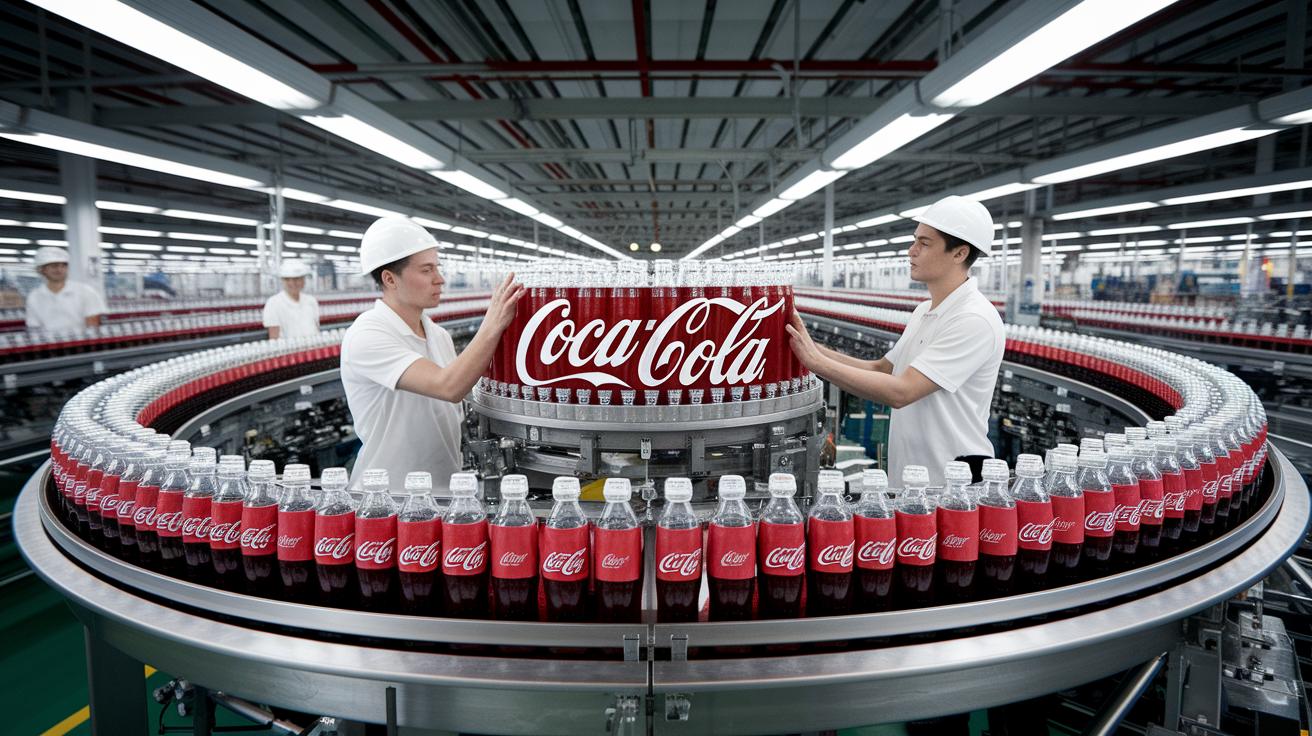
Coca-Cola runs its global production through a mix of local bottling partners and owned subsidiaries. This setup helps the company keep high standards in making, packing, and selling its drinks. Local partners handle production, packaging, merchandising, and distribution, ensuring the brand remains strong while meeting local tastes.
Local bottlers work closely with company leaders and supply teams. They share information quickly and adjust marketing, meet regulations, and execute market-specific plans. This balance of local know-how with global guidelines lets Coca-Cola respond fast to new trends.
Strong business partnerships also boost efficiency. Good ties with suppliers and regional logistics providers help streamline production and lower costs. By combining independent and company-run operations, Coca-Cola builds a tough network that keeps products flowing reliably to consumers around the world.
Strategic Business Practices Aligned with Coca-Cola’s Organizational Blueprint
Coca-Cola’s design helps drive eco-friendly projects and digital marketing, all measured by clear goals. In the latest quarter, agile teams boosted digital engagement by 22% by adjusting campaigns using local consumer data. One local group even reported that a customized campaign increased engagement by 15% in just one quarter.
Regional teams have tried both business-to-business and business-to-consumer strategies with clear results. One division grew its market share by 15% after updating retail promotions to match local trends, while another shortened its sales cycle by 10 days on average. An internal review confirmed these changes, tracked through performance metrics, have improved their response to local market needs.
Central management sets clear guidelines, and regional teams deliver the kind of results that support the global plan. Recent reviews showed a 12% rise in overall campaign efficiency. Future plans include using advanced data tools to blend consumer feedback into agile team work, ensuring strategy tweaks remain quick and focused on performance.
Final Words
In the action, we reviewed how strategic leadership, global divisions, and agile teams fuel Coca-Cola's success. We covered the company's matrix approach combining centralized planning with local execution.
The breakdown detailed its functional departments, executive roles, and the interplay between subsidiaries and bottling partners.
This overview of the coca cola business structure proves how a solid organizational design drives resilience and innovation across markets. The insights equip you with a clear picture of how one of the world's top brands stays ahead.
FAQ
Q: Organizational structure of Coca-Cola Company pdf
The Coca-Cola organizational structure PDF outlines a hybrid matrix model that integrates geographic, product, and functional divisions, ensuring both global oversight and local management.
Q: Coca cola business structure pdf
The Coca-Cola business structure PDF details a matrix approach that combines regional divisions, product‑specific sectors, and key functions to streamline decision‑making and enhance operational efficiency.
Q: Coca cola business structure ppt
The Coca-Cola business structure PPT typically illustrates a matrix model highlighting divisions by geography and product, along with leadership roles that drive global strategy and local adaptations.
Q: Organizational chart of Coca-Cola Company with names
The organizational chart with names details key leaders such as CEO James Quincey and CFO John Murphy, outlining the hierarchy and responsibilities that shape Coca‑Cola’s global operations.
Q: Coca‑Cola organizational structure Case Study
The Coca‑Cola organizational structure case study examines the company’s hybrid matrix, emphasizing the interplay between regional divisions, product sectors, and functional teams for improved global efficiency.
Q: Coca‑Cola manufacturing plants worldwide
The overview of Coca‑Cola manufacturing plants worldwide maps production facilities and bottling partners across regions, ensuring consistent quality control and effective distribution networks.
Q: Coca‑Cola suppliers
The list of Coca‑Cola suppliers includes a network of global vendors that provide essential raw materials and packaging, supporting standardized quality and continuous production.
Q: Coca‑Cola Distribution centers
The Coca‑Cola distribution centers serve as key nodes in the supply chain, managing inventory flow from bottling operations to retail outlets and ensuring timely product delivery.
Q: What are the 4 organizational structures?
The four organizational structures include functional, divisional, matrix, and flat, with Coca‑Cola’s model blending functional and divisional practices within a hybrid matrix framework.
Q: What is the business model of the Coca Cola company?
The Coca‑Cola business model relies on a dual approach, serving both business‑to‑business and business‑to‑consumer markets through diversified products and adaptive regional strategies.
Q: What kind of market structure is Coca‑Cola?
The Coca‑Cola market structure is reflective of an oligopolistic market, where a few dominant firms shape the competitive landscape and strategic pricing in the beverage industry.
Q: What are the features of a Coca‑Cola ownership structure?
The Coca‑Cola ownership structure features a public company model listed on the NYSE, governed by a board of directors, and supported by a broad base of shareholders and strategic leadership.