Do you ever wonder how one part of a city can boost the whole economy? Central business districts mix banks, offices, and stores that work together. This busy area brings skills and ideas together, sparking growth across the city. Research shows that people feel happier when their downtown thrives. In short, these districts are key to a lively and strong urban economy.
Defining Central Business Districts: Core Roles and Features
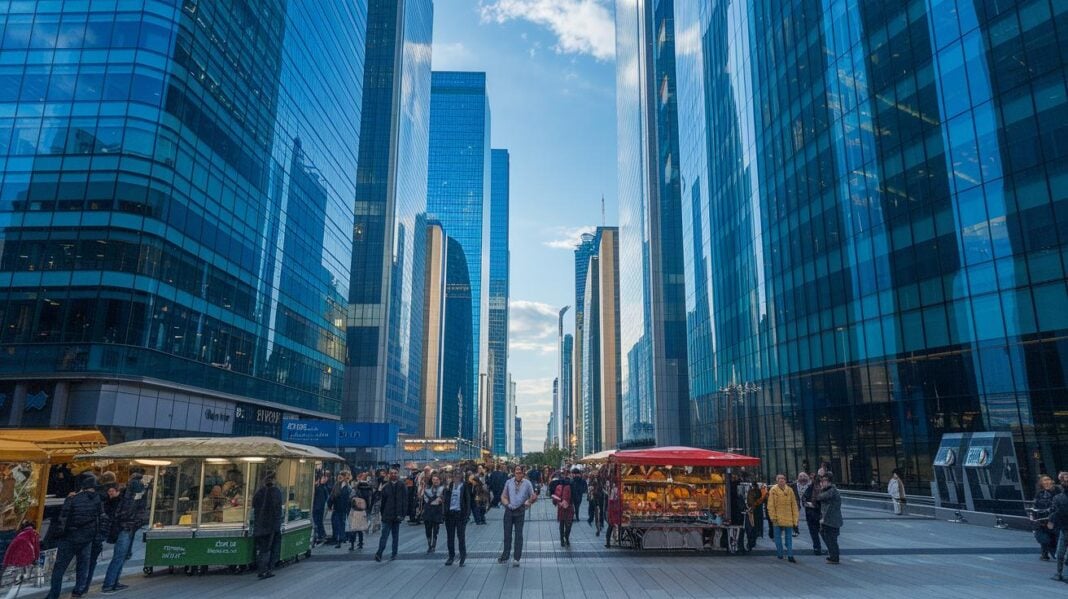
Central business districts are busy hubs where companies, services, and markets come together. They are known for high job density and expensive real estate, marked by tall office buildings and well-known company headquarters that drive economic growth in the city center.
CBDs play a key role by grouping banks, professional firms, and shops in one area. This mix makes it easier for skills, ideas, and resources to combine and spark growth. For instance, banks, law offices, and specialty retailers often work side by side, helping each other succeed. Not long ago, a small market area even turned into a major hub that transformed its city.
A study by Gensler City Pulse in 2023 showed that 79% of residents feel their city is better when its CBD does well. This reveals just how important a strong central district is to the overall happiness of a city.
Historical Evolution of Downtowns and City Center Development
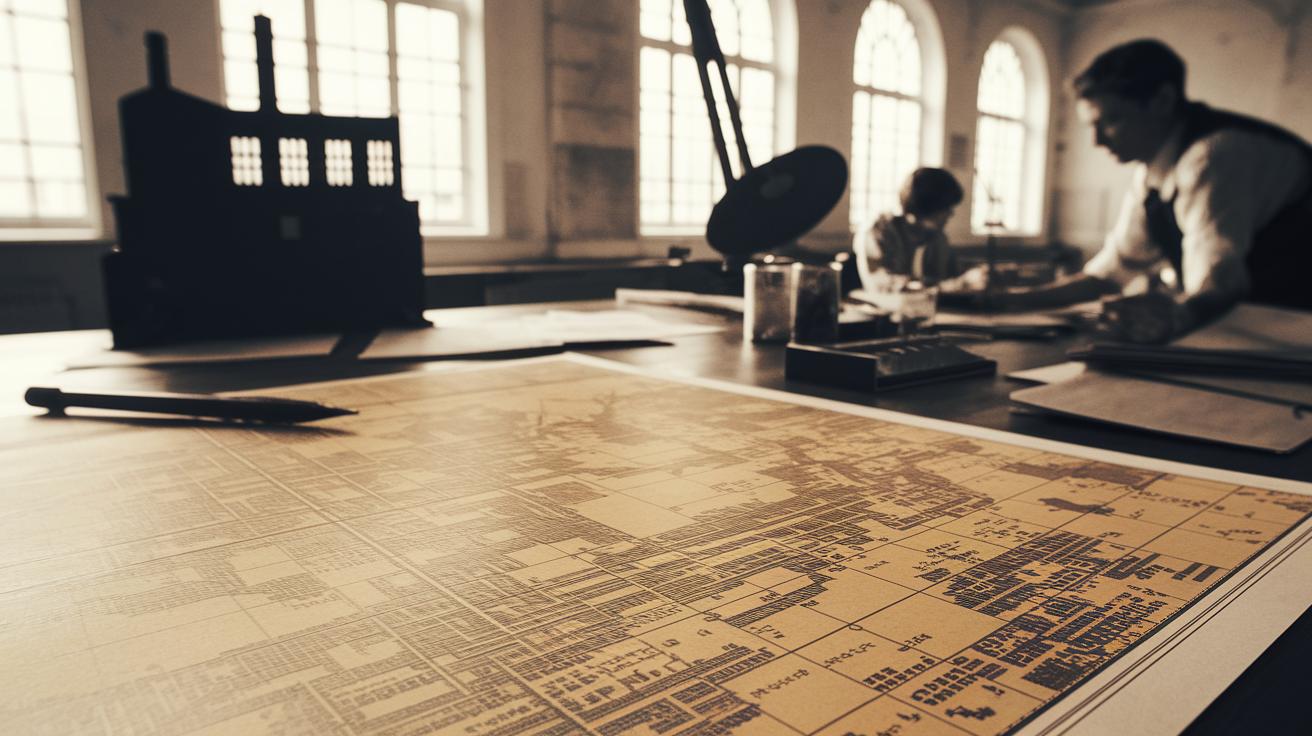
Knowing the story of central business districts helps today’s planners avoid previous missteps and celebrate past successes. Early urban planners showed us how changes in the economy, society, and technology shape our cities. For instance, old maps reveal how transport networks helped spark residential growth.
During the Industrial Revolution, cities grew quickly as factories and businesses gathered close together. Planners used simple map techniques to mark trade routes and new industrial areas. This era laid the foundation for busy commercial centers and the coordinated design needed for large-scale commerce.
By the mid-20th century, many residents moved from city centers to suburbs. Downtown areas became quieter and struggled to meet business needs. Mapping studies from that time often showed fewer visitors and gaps in services, pushing leaders to rethink the role of downtown in the larger urban picture.
More recently, mixed-use projects have breathed new life into city centers. These plans combine offices, homes, and leisure spaces to create vibrant hubs that support both work and community life.
| Era | Period | Key Development |
|---|---|---|
| Industrial Revolution | 19th Century | Early mapping techniques and foundational urban planning |
| Post-WWII Suburbanization | Mid-20th Century | Downtown decline and suburban migration |
| Late-Century Revival | Late-20th/Early-21st Century | Mixed-use redevelopment and urban renewal |
Infrastructure Planning Approaches for Vibrant Central Business Districts
City planners now design roads, power systems, and parks together so that downtown areas serve both business and community needs. They build connected spaces where streets, parks, and services work as one, making it easy for people to move between work, play, and home. One city report noted that when these elements align, daily movement feels natural.
Modern business districts also benefit from clear sidewalks, well-marked transit stops, and reliable digital connectivity. Better walkways, precise bus stops, and real-time signals help people navigate with ease. Studies show that smooth travel and dependable access to taxis or rideshare services are key to making urban life enjoyable.
Recent trends reveal that fewer people are using transit since the global shutdowns. This change has led to a boost in walking and the use of small mobility options like e-scooters and bike-share programs. Cities that add these new travel choices continue to see improvements in efficiency and public satisfaction.
Case Studies of Major Global Urban Cores and Their Unique Dynamics
New York City's Financial Core
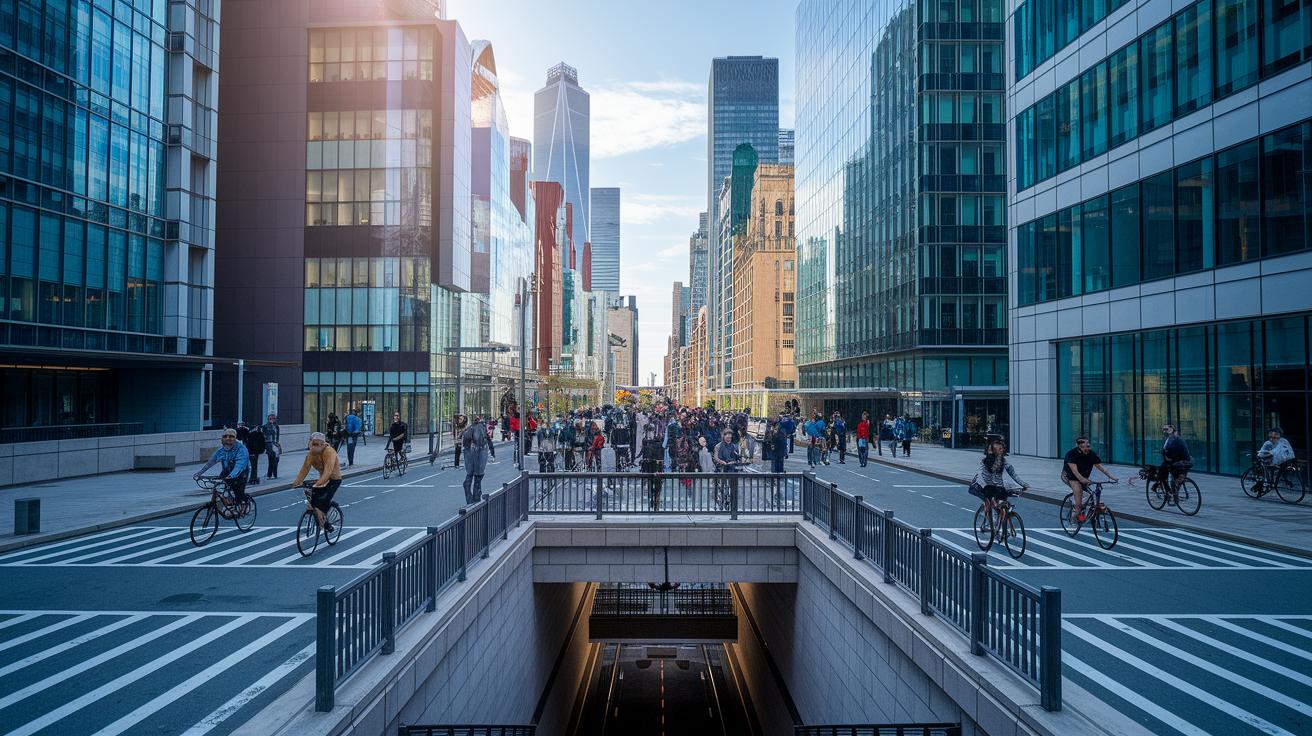
New York City's Financial Core is one of the densest office areas in the world. Big companies fill tall, modern buildings served by a busy subway system. This close setup makes it easy for firms to share ideas and work fast. The area also has strong transit links and plenty of amenities. Many restaurants, shops, and leisure spots draw in workers and visitors alike. In fact, surveys show that 81% of people are happy with the dining options.
London’s West End
London’s West End is well known for its busy shopping scene and historic charm. It sees high foot traffic and blends modern businesses with classic architecture due to special heritage rules. Open public spaces and well-planned pedestrian areas add to its appeal. This mix of old and new makes the West End a popular spot for both shopping and relaxing.
Tokyo’s Marunouchi District
Tokyo’s Marunouchi District is a great example of mixed-use development. Skyscrapers in this area house offices, homes, and retail stores that help boost tech innovation. The district features excellent walkways that link work zones with leisure areas. This strong connectivity makes Marunouchi a lively spot for both business and daily living.
Looking across these urban centers, we see common strengths. They offer strong entertainment vibes, with 76% of residents saying they find the areas fun. Seventy-four percent notice great discovery potential, and 81% give high marks to local dining. High density, solid transit links, and quality services make these areas benchmarks in global urban planning. Their success shows the important role that design, connectivity, and top-notch services play in building vibrant cities.
Emerging Trends and Future Market Directions in Central Business Districts
Hybrid work models and a demand for engaging experiences are reshaping central business districts. Today’s city centers pair offices with lifestyle spots to boost work and social time. Recent studies show that a lively vibe, chances for discovery, and a pleasing setting make CBD experiences better. This change pushes planners to design spaces that combine work, leisure, and connection.
- Mixed-use projects that blend offices, homes, and stores
- Eco-friendly designs with green building features
- Smart-city technology for better movement and energy use
- Workspaces built for flexibility
- Transit-focused areas with options for different types of travel
These shifts are making CBDs stronger and more competitive for the long run. Planners now invest in merging efficient work spaces with vibrant public areas so that cities stay lively, ready, and prepared for future challenges.
Central business districts Spark Thriving Urban Economies
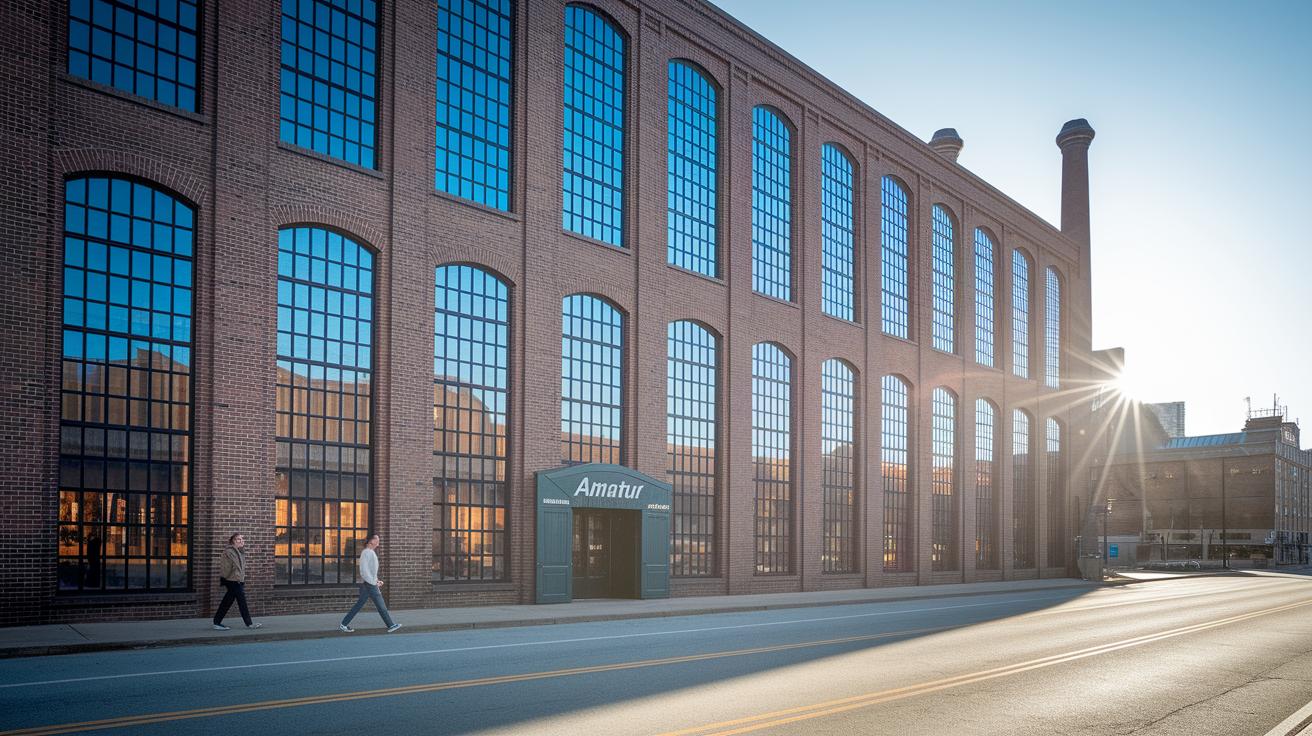
Cities are joining with private developers to revive overlooked downtown areas. They are transforming empty factories and historic sites into spaces for shops, homes, and art. Zoning policies reward those who add retail, parks, or affordable housing to their projects. Old buildings now serve as offices, galleries, or event spaces, keeping a city's heritage alive while serving new needs. This teamwork taps hidden potential and boosts activity in long-ignored areas.
Strong policy measures also support lasting growth. Tools like tax increment financing (when future tax revenue helps fund local projects) help renew struggling neighborhoods and back community efforts. Local leaders now invite residents to share ideas and help shape plans. Clear rules and ongoing cooperation among government, developers, and community groups ensure that public interests are protected while strengthening the urban economy.
Final Words
In the action, we explored the core roles and evolution of central business districts, showing how these economic hubs drive urban growth. We traced their historical rise, detailed planning essentials, and examined notable examples from around the world. Emerging trends and smart strategies for revitalization were also discussed to bolster resilience. Overall, this article offers a concise look at how central business districts continue to shape urban landscapes, inspiring new ideas for future development and community success.
FAQ
What is a central business district?
The central business district is a concentrated commercial area with high employment density, premium real estate, and key economic functions such as finance, professional services, and retail. It also frequently serves as a metropolitan gateway.
What does central business zoning mean?
The central business zoning designates areas limited to commercial activities and high-density office functions. This regulation helps guide urban development and maintain efficient operations in key economic centers.
Where can I find a map of central business districts?
The central business districts map outlines core commercial centers and their boundaries. It is a useful tool for urban planners and investors to visualize and assess economic hub locations.
What are examples of central business districts in America?
The central business district examples in America include downtown areas in major cities like New York, Los Angeles, and Chicago. These areas display high office concentration, vibrant retail, and strong transit connectivity.
What are the largest central business districts in the US?
The largest central business districts in the US appear in prominent cities like New York and Chicago. These districts boast extensive office spaces, high economic activity, and well-developed infrastructure.
What are the largest central business districts in the world?
The largest central business districts worldwide span major global financial centers such as New York, London, and Tokyo. They attract significant investments, perform diverse functions, and set international economic trends.
Is there a list of central business districts?
The central business districts list compiles major commercial areas across cities. This list is a practical resource for researchers and investors tracking urban economic hubs and development trends.