

What drives government decisions? In essence, the political scene consists of key players, institutions, and their connections. Think of a city hall meeting where both locals and officials share their views, each one adding to the overall picture. This blend of ideas, political parties, and public opinion shapes how power moves and decisions are made. In this article, we break down the main parts of the political landscape to show why studying it is important for understanding how modern governments work.
Political Landscape Definition: Crisp and Clear
The political landscape is the network of power, institutions, and relationships that drive government actions. It is a structure where officials, government bodies, and other key players work together to set agendas and shape policy. Think of a city council meeting where community members and official policies meld to steer local governance.
This idea covers many parts. It includes ideologies, political parties, and interest groups, as well as public opinion, media, and civic organizations. All these pieces connect and influence one another. When community meetings lead to policy changes, you see this network in action.
The political scene is always changing. Shifts in public opinion, changing demographics, and new social movements constantly reshape power. As fresh ideas emerge and old ties shift, political decision-making moves along with society.
Evolution of the Political Landscape in Historical Context
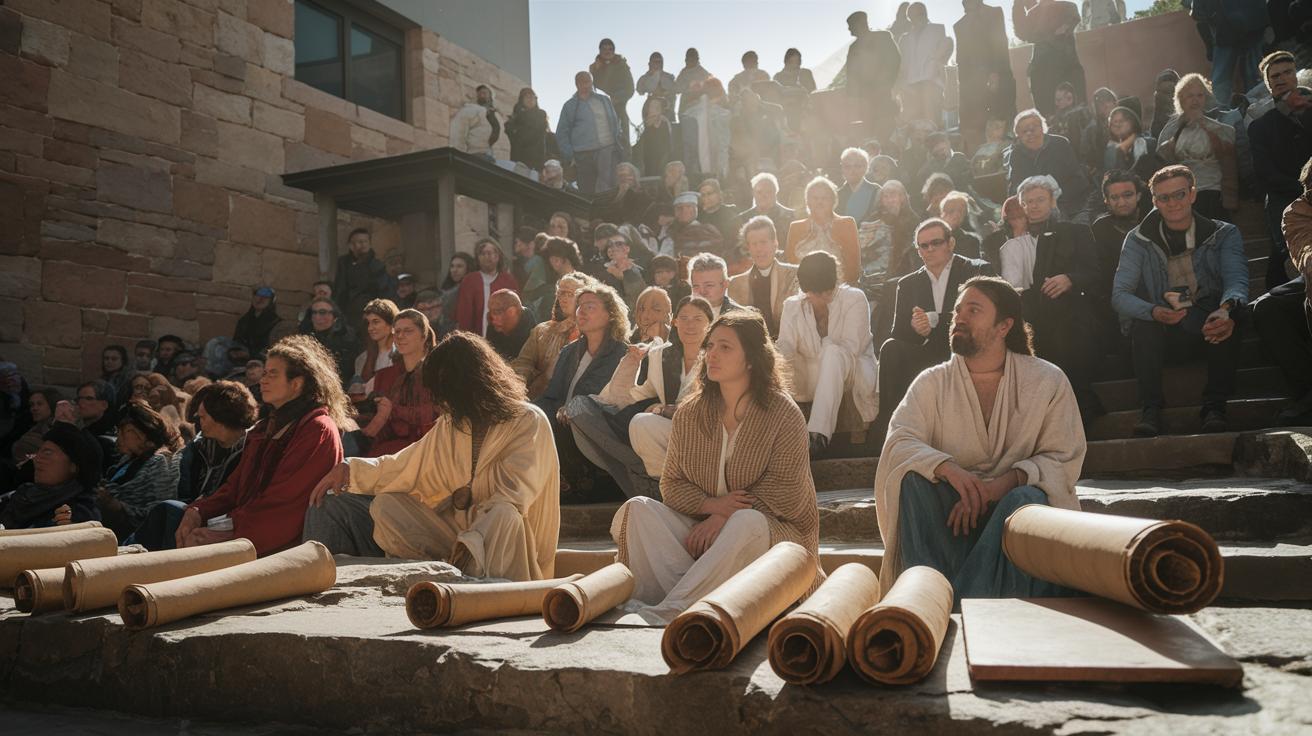
Political systems have changed a lot over many years. In ancient times, small groups in early civilizations built the ideas that many governments use today. Early on, tiny kingdoms and city-states became centers of power. As these societies grew, leaders set clear rules to help communities make decisions. This move from loose groups to organized systems created models that later governments followed. Old records show that leaders knew the need for order and fair voice, a lesson that still guides us.
Over time, power shifted and more people began to take part in governance. Societies moved toward having stronger central governments and giving citizens a bigger say in decisions. Key periods in this change include:
| Time Period | Main Changes |
|---|---|
| 3000 BCE to 500 CE | Early kingdoms and city-states took shape. |
| 1000 to 1648 | Growth of central power and establishment of nation-states. |
| 18th to 19th centuries | Expansion of rights, votes, and formation of political parties. |
| Post–World War II to Present | Rise of global rules and modern political ideas. |
Each era added new ideas to help shape governments that meet the needs of people. Today’s political landscape mixes national rules with global ideas. Changes in who holds power and what people expect from leaders continue to guide how governments work and how citizens engage in the process.
Key Components of the Political Landscape
Institutions
Institutions are the core of any political system. They include the executive, legislative, and judicial branches and other government bodies. These groups make and enforce laws, set policies, and manage public resources. For example, the executive branch runs daily operations, while the legislature discusses and passes laws. Clear roles in these bodies help keep order and support good decision-making.
Actors
Actors are the people and groups that shape policy and public debate. This group includes elected officials, interest groups, media, and community organizations. Elected leaders create policies based on what voters want. Interest groups offer expert advice, while the media informs the public. Community groups encourage local participation. Their combined efforts form a network that guides decisions at both local and national levels.
Socioeconomic and Cultural Factors
Economic and cultural conditions play a big role in politics. The state of the economy, cultural beliefs, and social movements can change policy decisions. When the economy shifts or public opinion moves, leaders might adjust their views. Social movements often bring together different people to push for change. These factors create a dynamic background that affects decision-making at every stage of government.
Analytical Methods for Political Landscape Assessment
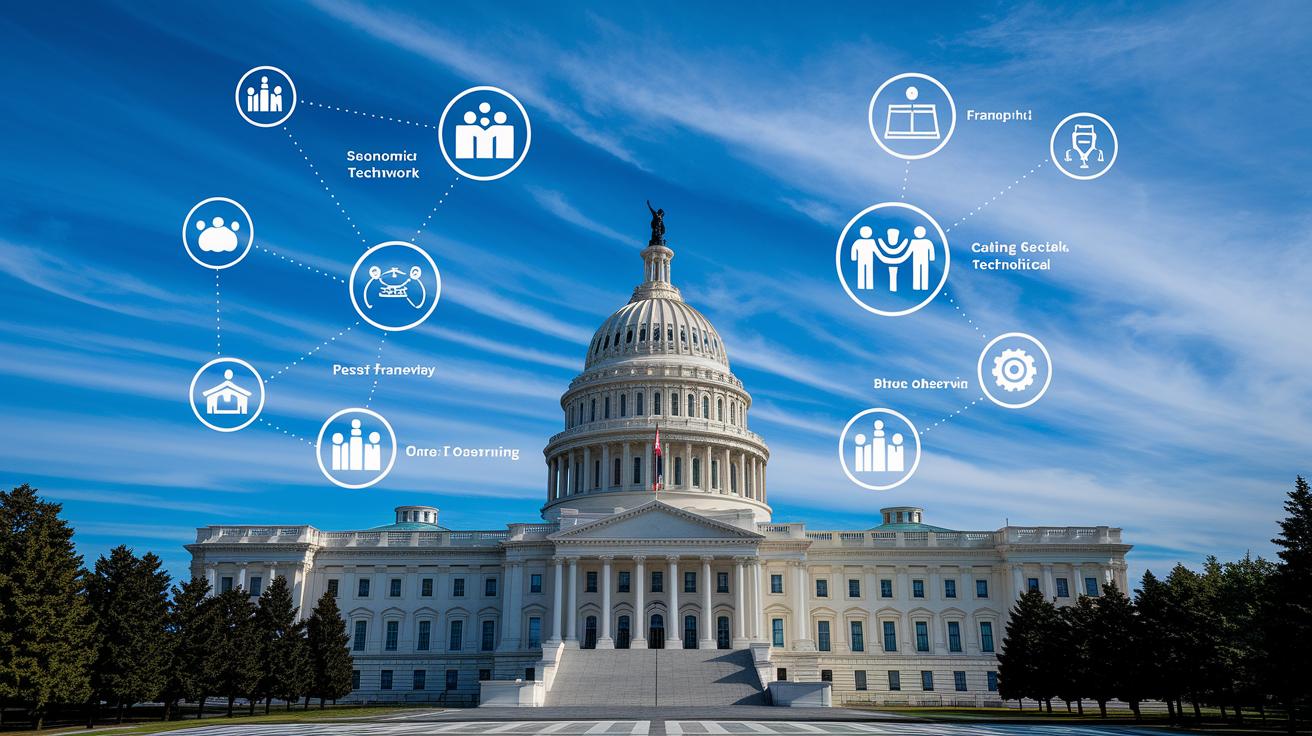
One way to study government changes is the PEST framework. It splits issues into four areas: political, economic, social, and technological. For example, a new law might change how businesses work. A small shift in policy may cause a 10% change in local tax revenue, showing how even minor changes can affect small businesses. This method helps experts understand how rules shape our political world.
Other tools build on this idea. Calculators for the margin of error (the possible error in results), ballot lead (who is ahead), sample size, ad budgets with CPM (cost per thousand views), A/B test significance (finding the best message), and advocacy impact give clear numbers for making choices. For example, one campaign found that a small wording tweak increased voter support by 8%.
Mapping key players with a power matrix shows who has the most influence. These tools explain how different groups and people work together to affect decisions. They point out who really holds sway at important moments. One analysis might show that local unions have a surprising grip on city policies, with lobbying efforts that shift major projects to favor community groups.
Political Landscape Impact on Governance and Policy
Political settings guide government choices. They help set agendas by deciding which issues will be debated and which policies to push forward. Lobbying from interest groups and advisors plays a key role when they push for laws that affect communities. A change in party control can shift lawmaking priorities and bring new reforms. Public opinion, institutions, and advocacy groups work together to shape government actions.
Politics also affect investments and rules. Fast policy shifts or unstable governments make investors demand a higher risk premium for added uncertainty. New political leaders can change how laws are applied and enforced in markets. These shifts can quickly change the business scene and adjust economic predictions. Both governments and businesses must keep an eye on these trends as the political and regulatory framework evolves.
| Impact Area | Example |
|---|---|
| Legislation | Party changes redefine lawmaking priorities |
| Investment Risk | Investors face higher risk premiums in unstable regions |
| Regulatory Change | New leaders revise enforcement rules |
Case Studies of Political Landscape in Practice

Real-world cases show how political settings shape outcomes across many fields. A student leader at the University of Florida studied legislative changes and prepared a detailed brief before meeting a Congressperson in Washington, D.C. That careful research helped move policy. Firms like Ozean Media also guide clients through the maze of political influence. In emerging markets, greenfield investments face strict legal and policy rules that add extra risk. These examples show that understanding political forces and detailed planning can make a big difference.
Academic Advocacy
A student leader from the University of Florida shows how being well-prepared can open political doors. Before an important meeting with a Congressperson, they researched recent legislative shifts and wrote a clear brief. This story proves that academic advocacy, when done carefully, can empower individuals to drive change.
Political Consulting
Firms like Ozean Media help clients navigate tricky political landscapes. They study power relationships and advise on how to work with key stakeholders. Their work shows that professional consulting can shape policy decisions and guide strategic planning.
Investment and Policy Risks
Greenfield investments in emerging markets highlight the challenges of operating in politically sensitive areas. Investors must deal with strict legal and policy hurdles, which add extra risk. Careful risk management and planning help investors handle sudden policy shifts and unstable rules.
Related Concepts Around Political Landscape Definition
Using clear language is key when talking about government. Experts, scholars, and advocates often see words that look the same but have different meanings. For example, political affairs, public affairs, and public relations are not the same. This matters because these differences shape policy decisions and how citizens interact with government.
Political affairs work to guide the actions of decision-makers. Public affairs deal with the relationships between the government and outsiders. Public relations focus on communicating with the media and the public. Terms like civic order, administrative system, democratic framework, and electoral system each show different parts of government and society. Knowing these differences helps us understand how laws are made and followed. Clear language connects scholarly ideas with everyday participation, encouraging honesty and dialogue.
Final Words
In the action, we covered the major building blocks of the political landscape.
The article discussed key elements, from core definitions and historical shifts to analytical methods that examine institutions, actors, and socioeconomic factors.
The political landscape definition remains central to understanding how these forces shape public policy.
Real-world examples and related concepts add depth, offering clear insights that empower readers to make informed decisions in today’s dynamic governance environment.
This analysis leaves us ready to tackle emerging challenges with confidence.
FAQ
What is a political landscape?
The term political landscape describes how power, institutions, and public opinions interact to shape governance. It refers to the overall setup and shifts in political environments.
What is a political landscape synonym?
The term political climate serves as a synonym for political landscape, both describing the prevailing sentiments, institutions, and power dynamics in politics.
How can you use ‘political landscape’ in a sentence?
A sample sentence is: “The political landscape changed significantly after the election introduced new policy directions.”
How is the current political landscape defined?
The current political landscape refers to today’s mix of shifting power, evolving public opinion, and active institutional roles influencing governmental decisions.
How is political climate defined?
Political climate is defined as the overall mood and current conditions that affect political decisions, trends, and governance.
What is a political landscape test?
A political landscape test evaluates understanding of political settings by assessing knowledge of key factors like institutional roles, policy changes, and power shifts.
What is the meaning of the social landscape?
The term social landscape describes the cultural, economic, and demographic factors that influence societal behavior and interactions.