Does party politics shape our leaders or echo the ideas we already share? Political groups bring people together by focusing on key issues. They work like magnets, drawing citizens in around topics that matter. From small local meetings to national debates, their history shows how deeply our ideas run. This article explains party politics and shows how your vote impacts our community and our country.
Defining Party Politics: Core Concepts
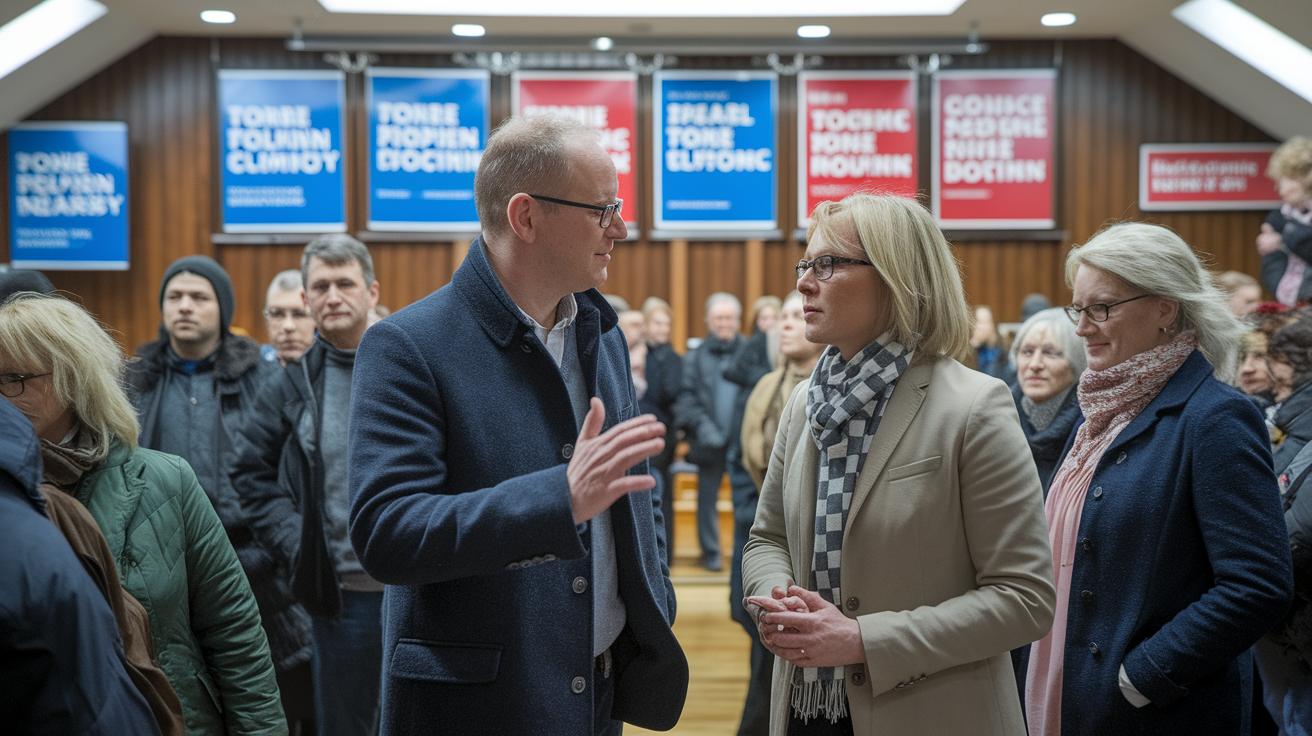
Party politics are groups that shape debates, organize elections, and fight for power based on shared ideas and beliefs. They began as local groups that united citizens around common issues long before national elections existed. This history shows that party politics have always been about gathering people together to make decisions.
Ideology means the ideas that guide policy, while partisanship means strong loyalty to a particular party. A person might agree with a party's economic ideas but vote for another candidate due to personal ties. This highlights that shared beliefs do not always lead to the same party choice.
In the United States, conservative and liberal views usually appear in two major parties. Yet smaller parties also play a role. For example, in 2020, more than 80 Libertarian candidates appeared on Texas ballots. This mix shows that even with two large parties, smaller groups can still influence politics.
Historical Evolution of Party Politics
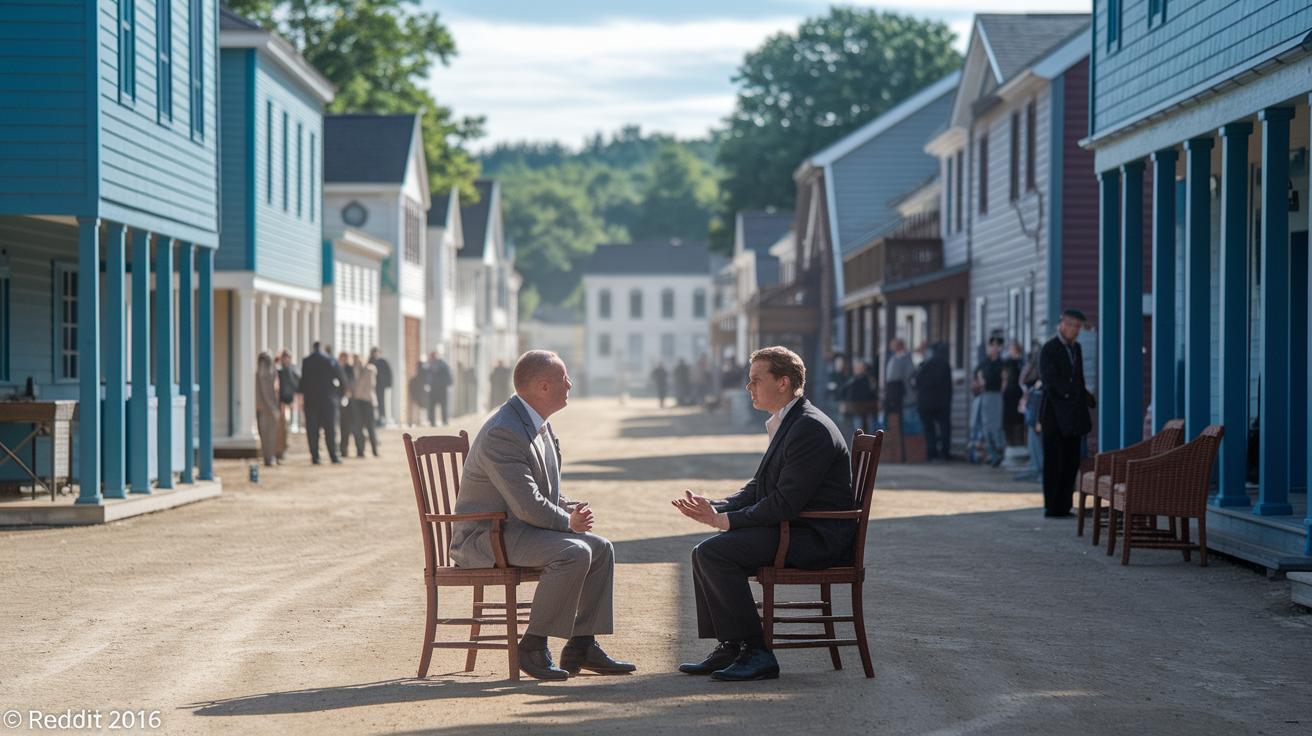
In early America, national parties did not exist. Local elites controlled elections, and strict property rules limited who could vote. Before national parties, community leaders often decided elections based on personal reputation and local influence, not a shared political agenda. This laid the groundwork for a slow shift toward organized groups that would later shape national politics.
The Revolution of 1800 marked a turning point. The Federalists and Democratic-Republicans emerged as the first national competitors. They began working together, focusing on big-picture issues instead of just local concerns. This change steered political debates from small-town matters to national policies, paving the way for modern party systems.
By 1860, a strong two-party system was in place with Democrats and Republicans dominating the scene. Yet, smaller parties still left their mark. Groups such as the anti-immigration American Party of the 1850s, the People's Party born from the Grange movement, and later the Progressive Party and La Raza Unida, pushed for reforms and broadened political discussions.
party politics definition: Fresh Clarity on Political Roles
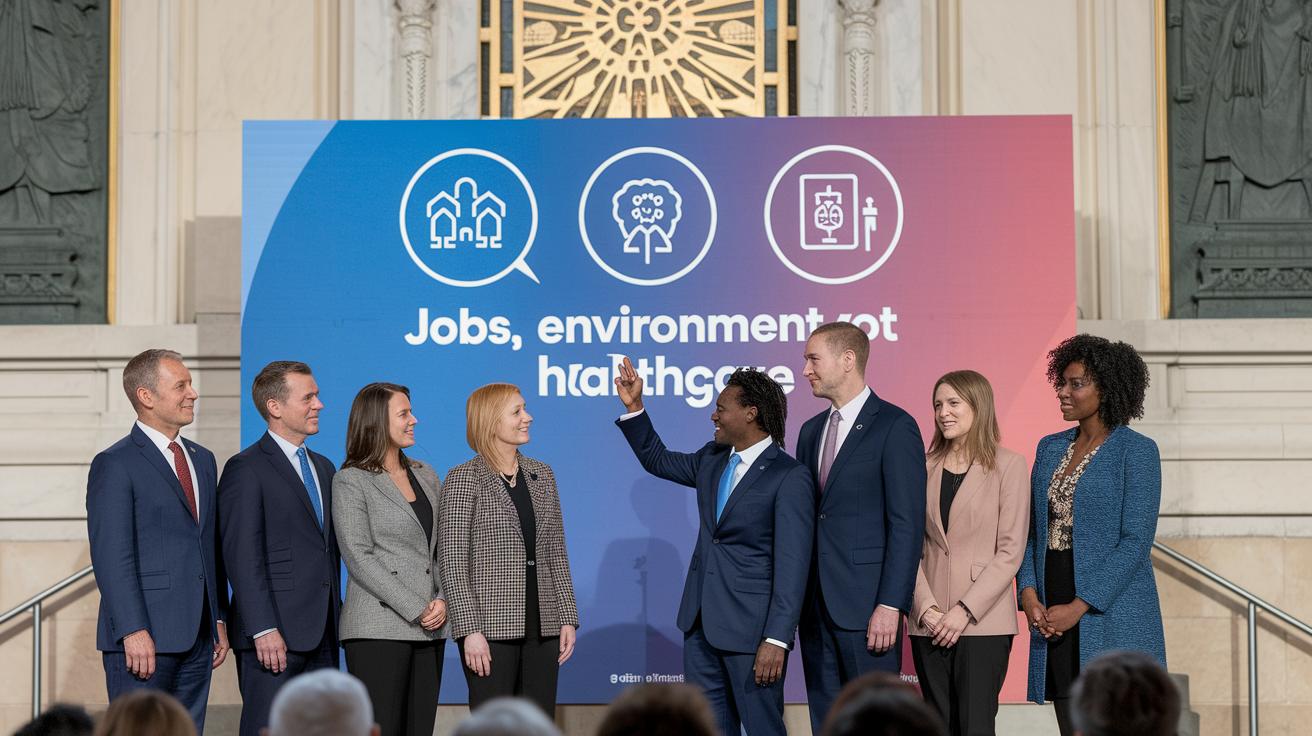
Political parties build campaigns by choosing candidates who best represent their beliefs. They set clear platforms that list goals like expanding social services, strengthening environmental protections, or raising the minimum wage. A candidate might start by saying, "I stand for the working families who form the backbone of our community." This statement turns the party's ideas into plain, relatable language. Parties also work hard to match a candidate's strengths with community needs and broader ideas.
Party discipline is at the heart of a political group’s strategy. Members vote together on issues such as healthcare, immigration, and the economy to show unified support for their shared agenda. For instance, during a legislative vote a spokesperson might remind a candidate, "Remember, today's vote represents everything our platform stands for." This strong unity helps simplify debates and keeps the party’s message focused.
- Choosing candidates
- Drafting platforms and setting policy goals
- Coordinating campaigns and raising funds
- Registering voters and expanding outreach
- Managing media and messaging strategies
- Enforcing internal discipline
These key steps drive real-world results. When parties select the right candidates and maintain a consistent message, voters can easily recognize and trust their campaign. Organized efforts turn individual opinions into strong electoral outcomes. Grassroots door-to-door campaigns and local events, such as meetings discussing an eight-hour workday or improved healthcare, bring these strategies to life. In the end, disciplined processes lead to winning elections and a meaningful role in shaping government policy.
Role of Party Politics in Governance
Party politics affect how laws are made. Parties team up to form majorities that guide lawmaking and keep officials in check. Elected leaders work with their party to plan bills and decisions that impact communities. When one party wins a majority, it sets the agenda and makes it easier to pass laws. This teamwork cuts down on delays and shows who is responsible in debates.
Voters often use party names as shortcuts when voting. They stick with a party they trust instead of checking every issue in detail. This simple method helps them match their own views with the party’s main ideas on topics like the economy, immigration, or health care. In other words, party ties turn complex issues into clear choices.
Coalition Dynamics
In multiparty systems, parties work together to form coalitions. They talk over sharing cabinet roles and making joint policies. By finding common ground, they set priorities that serve more than one group. This approach helps balance different opinions and makes sharing power work well.
Party control also shapes government work. Parties guide key appointments and support checks and balances. When one party leads, its influence can stretch across different branches of government. This connection makes sure that executive actions match legislative goals, keeps the government stable, and holds leaders accountable to both the party and the public.
Party Politics vs Nonpartisan Approaches
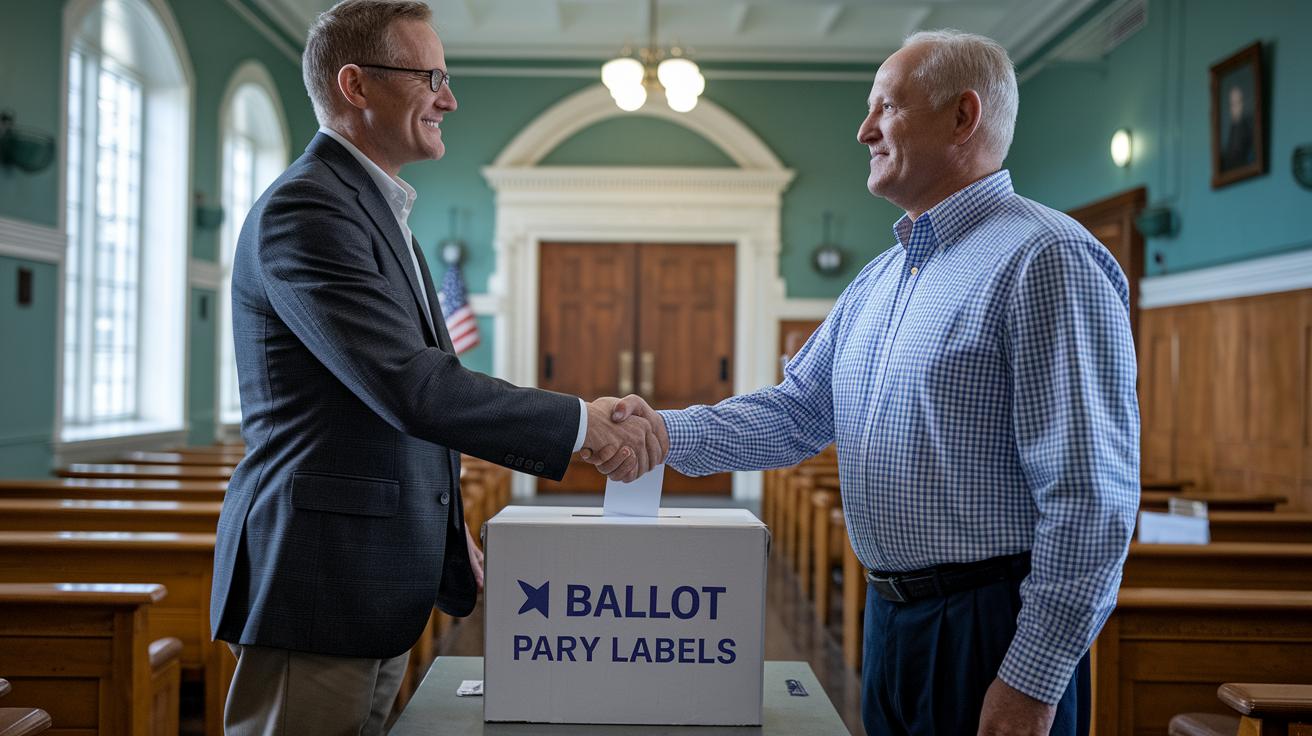
Nonpartisan elections drop party labels from ballots. They are common in local and judicial races in the United States. In these contests, candidates run by their own merits. Voters decide based on personal skills and plans. Technocratic systems stress expertise and focus on clear abilities.
In consensus democracies like Switzerland, parties work together instead of clashing. These systems favor shared government and group decision-making. Discussions center on cross-party cooperation, not strict political fights. This is different from traditional systems where party names shape voter choices. It leads to more open talk and less division.
Different methods affect accountability, representation, and policy stability in their own ways. Nonpartisan models let voters judge each candidate closely, but they sometimes miss a clear political identity. Traditional party systems offer set platforms that simplify choices but can lock in fixed views. Each approach shapes government actions and helps balance power.
Final Words
In the action, this post outlined how political parties work as groups that drive ideologies and shape elections. It explained the party politics definition, from early voting limits to the rise of national parties and the role of grassroots mobilization. The article also compared partisan models with nonpartisan approaches, highlighting how each affects voter choices and government accountability. By breaking down core ideas and providing clear examples, readers gain a sharper view of dynamic party operations and their impact. The future looks bright for informed and engaged decision-making.
FAQ
What is a party politics PDF?
A party politics PDF is a downloadable document that explains how political parties operate, including their structures, goals, and roles in elections.
What is a party politics example?
A party politics example is seen in national elections where two main parties nominate candidates, organize campaigns, and share distinct policy views.
What is a political party class 10?
A political party class 10 explains the basic concept of political parties for tenth-grade students, outlining how groups support shared political ideas and field candidates.
What are 5 importance of political party?
The importance of a political party includes mobilizing voters, selecting candidates, forming government policies, organizing campaigns, and ensuring accountability in leadership.
What are the 4 types of political parties?
The four types of political parties typically include dominant parties, opposition parties, fringe parties, and coalition parties, each playing distinct roles in governance and elections.
What are 5 characteristics of political party?
Five characteristics of a political party are a structured organization, shared ideology, goal of gaining electoral power, participation in elections, and active policy advocacy.
What is Party Politics GW2?
Party Politics GW2 refers to discussions or content related to party politics within the context of Guild Wars 2, possibly highlighting community dynamics or organized groupings in the game.
What is Party Politics horse?
Party Politics horse likely refers to a reference or symbolic example used to illustrate aspects of party politics, though the exact context may vary.
What is the meaning of party in politics?
The meaning of party in politics is an organized group that supports specific ideologies and policies, promotes candidates, and works to influence government decisions.
What is the meaning of partisan politics?
The meaning of partisan politics is the strong loyalty members have towards their political party, often leading them to support the party’s priorities over alternative views.
What is an example of a political party?
An example of a political party is the Democratic Party in the United States, which organizes elections, promotes policy platforms, and mobilizes voters around shared ideals.
How did party politics originate?
Party politics originated from early groupings in politics that evolved as members organized around shared interests, notably seen in the debates and factional splits during the Revolution of 1800.