
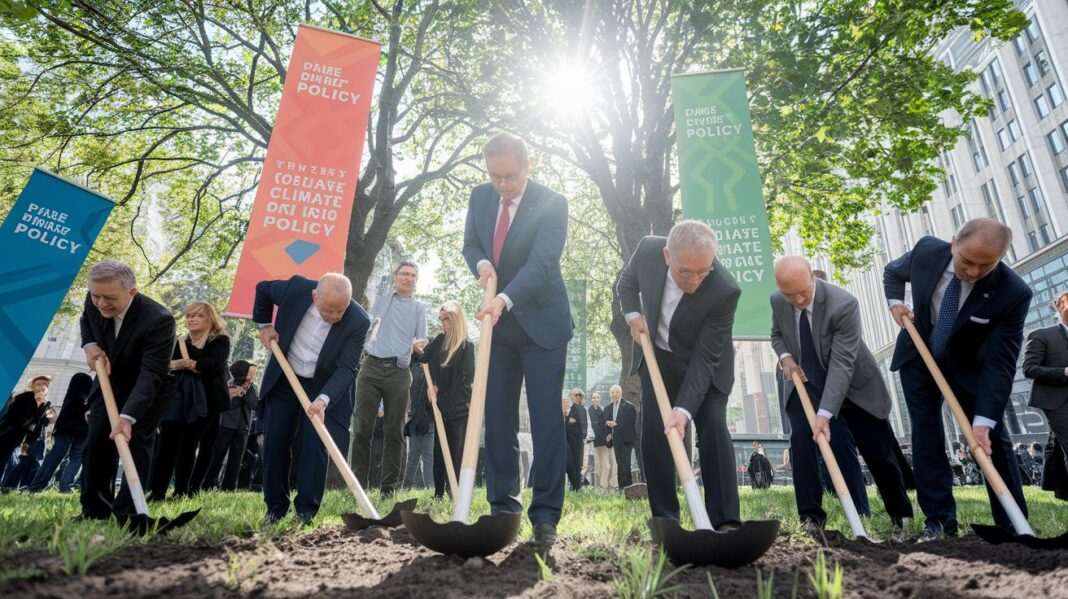
Can the Earth recover if countries unite under clear, strong rules? Climate policy shows that when nations work together, they can lower emissions and adjust to a changing climate. Early deals like the Kyoto Protocol set the stage for sharing the workload. At meetings like COP30 in Brazil, nations are encouraged to rethink their plans. This post explains how clear, shared rules can lead to a greener world and offer lasting benefits for both people and nature.
Climate Policy Foundations on a Global Scale
Climate policy helps countries cut harmful emissions and adjust to changes in the environment. Under the United Nations Framework Convention on Climate Change, nations have learned skills from deals such as the Kyoto Protocol and the Paris Accord. These deals form the rules that guide climate change laws and help everyone act in a coordinated way. Early agreements set a strong example for strict emissions rules and shared responsibility.
COP30 in Belém, Brazil, shows how world meetings shape policy talks. At the event, the Climate Policy Lab took a leading role. Their actions and team efforts highlighted how nations work together to build policies that are both strong and flexible. The examples shared at COP30 showed how countries are using new ideas to fill gaps and make environmental rules better.
Changes made by the Trump administration shifted the rules on climate action, proving that political moves can slow progress. Even as extreme weather events increased, Trump dismissed global warming as "a hoax," weakening efforts to build support for new rules. This lesson shows why steady international teamwork and clear policies matter. Real change comes when countries join forces under agreed rules to move toward a greener, more accountable future.
Market Instruments in Climate Policy: Carbon Pricing and Trading Mechanisms

Countries now use market tools to cut carbon emissions fast and efficiently. Two main methods are in use: carbon taxes and cap-and-trade systems. A carbon tax charges a set fee for each ton of carbon dioxide. This fee gives companies a clear reason to lower their emissions. For example, a small tax rise pushed a factory to update its equipment, reducing waste and costs.
Cap-and-trade systems work differently. They set an overall emissions limit and allow companies to buy and sell permits. This lets firms choose the most affordable way to cut their carbon footprint. Both approaches help manage greenhouse gas levels and encourage cleaner practices.
Some companies also use offset methods. Offsets let firms invest in projects that reduce emissions elsewhere, like renewable energy, reforestation, or energy upgrades. This system uses market ideas to lower the cost of reducing emissions where it makes the most sense. A company might use offset credits to fund new green technology, meeting limits while also boosting sustainability.
| Instrument | Key Characteristics |
|---|---|
| Carbon Tax | Fixed fee per ton of emissions that pushes direct cost reduction |
| Emissions Trading System | Overall cap on emissions with permits that can be traded for flexibility |
| Offset Mechanisms | Investments in external projects to balance own emissions |
Researchers at Tufts University's CIERP study how these tools work in the real world. At the Climate Policy Lab Symposium "Mind The Gaps: Climate Policy Integration and Implementation," experts showed that each method has both wins and challenges. Analysts use these findings to refine the tools, drive better emission cuts, and support a greener future.
Incentives and Investments: Driving Renewable Energy Transition Through Climate Policy
Tax credits have helped push renewable energy projects forward for many years by lowering costs for companies and homeowners. Policymakers use these credits to boost solar panel, wind turbine, and other renewable installations. The immediate savings make clean energy more attractive than fossil fuels. Production and investment tax credits show that direct money rewards can kickstart renewable investments.
Feed-in tariffs also boost renewable energy by promising steady prices for power producers. When utilities must buy power at fixed rates, investors feel secure with reliable income. This steady payback has encouraged significant private investment in renewable infrastructure. Efficiency mandates further support this shift by setting clear performance standards. These rules push industries to update their practices and cut down energy waste.
Some subsidy programs add more tools to the renewable energy mix beyond tax credits and efficiency rules. A new RD&D data visualization page, which shows a global dataset on annual public investments since 2000, highlights how data can reshape policy. Key instruments include:
- Production tax credits
- Investment tax credits
- Feed-in tariffs
- Grants for research and development (R&D)
- Green bonds
Together, these incentives and policies are transforming the clean energy landscape, sparking innovation and driving the renewable energy transition.
Roadmaps to Net-Zero: Emission Targets and Legislative Pathways in Climate Policy

Many countries are working to cut pollution and use cleaner energy. They have set clear plans to invest in renewable energy, promote electric cars, and phase out fossil fuels. These actions help lower greenhouse gas emissions and spark new ideas in energy systems. Governments are also updating their infrastructure, financial rules, and technology to meet net-zero goals. They focus on increasing renewable energy and improving efficiency with better standards and incentives.
Another part of these plans sets strict targets and passes laws to monitor progress. New laws lay out clear steps toward zero emissions and encourage government and business to work together. Many countries are guided by international deals and funding tools that help move away from fossil fuels. Experts say that strong, well-designed policies can speed up this transition by setting measurable goals and keeping funding steady. These coordinated approaches can serve as examples for other nations.
- European Union: Net-zero by 2050
- United States: Net-zero by 2050
- China: Carbon neutrality by 2060
- Japan: Net-zero by 2050
Some risks still challenge the net-zero plans. For instance, a new U.S. tax-and-spending proposal called "One Big, Beautiful Bill" has raised concerns among policy experts. This proposal might cut up to $150 billion in subsidies for solar, battery, and electric vehicle projects between 2025 and 2032. Losing this support could slow down the clean energy shift. Policymakers must balance bold goals with stable, long-term laws to keep net-zero targets on track despite political or economic changes.
Adaptation and Resilience: Integrating Climate Policy into Community Planning
Cities and regions now face higher risks from climate change. Local groups assess dangers such as flooding, heatwaves, and drought (long periods without rain). These studies help leaders decide where to invest in protection and safe planning. Recent reports from CIERP stress the need for clear rules that guide local planning and keep the public safe.
Fairness is also a key part of building resilience. Communities call for policies that fix the unequal effects of climate change. Local governments are involving residents in choosing projects that protect their neighborhoods while upholding environmental justice (fair treatment for all). Experts say that when locals help manage risks, they build stronger and fairer defenses against climate threats.
| Flood defense infrastructure | Heatwave response protocols |
|---|---|
| Drought management plans | Green urban infrastructure |
| Early warning systems | Community engagement initiatives |
Resilience planning ties closely with sustainable development (growth that meets today’s needs without harming the future). When communities invest in green infrastructure and early warning systems, they reduce immediate threats and set the stage for long-term growth. These measures back clean energy projects, sustainable housing, and better public services so that cities continue to thrive even with climate challenges. Building strong, adaptable communities means smart planning, active local input, and ongoing support from policymakers working together for a safer, fairer, and more sustainable future.
Stakeholder Engagement in Climate Policy Formulation and Implementation

Government bodies and intergovernmental forums like the United Nations and regional groups shape climate policy by setting the basic rules. They form shared spaces to set guidelines, technical rules (clear instructions), and global goals. At events like COP30 in Belém, leaders from many countries plan new moves. Their plans differ from earlier ones under the Trump administration, which did not match what the climate data showed.
Industry groups, non-governmental organizations (NGOs), and research centers add important information to the process. They offer key data, firsthand accounts, and independent reviews that counter old ideas such as ignoring warming trends. Experts say these groups spark debates by pointing out gaps between policy goals and real effects, urging the need for rules based on solid science.
The process also relies on public input and oversight. Community groups, independent monitors, and other civic organizations work directly with lawmakers to check and review decisions. This ongoing effort ensures that the voice of the public is heard, builds a clear and fair process, and keeps the dialogue open for continual improvement in climate policy.
Future Innovations and Policy Evaluation: Emerging Trends in Climate Policy
Scientists, economists, and social researchers are now working together to shape climate policy. They combine field work with modern data tools to study green investments and low-carbon technology. This approach shows how real-time data can boost clean energy projects. For example, experts compare energy efficiency in different areas to find where sustainable practices work best. This turns innovative ideas into practical policies.
Strong data systems add depth to the evaluation process. They mix real-time feedback with decision-making. Experts use large databases and advanced analytics to measure the effects of new clean energy projects. This clear, data-driven method helps leaders adjust their plans and keep track of progress. In turn, these insights build a flexible framework that grows with new investments and technology, keeping climate policies responsive in a fast-changing world.
- AI-driven impact modeling
- Green bonds and sustainability-linked loans
- Nature-based solutions integration
- Decentralized energy systems
- Adaptive regulatory toolkits
These trends offer new paths for updating climate policy. They allow for quicker feedback and adaptable funding options. By bringing together insights from many fields, governments can better support sustainable growth and low-carbon projects. This makes sure that climate action stays both effective and ready for the future.
Final Words
In the action, the post covered climate policy foundations, market-based instruments, and renewable investment incentives. We explained how robust legislative roadmaps and community planning support a net-zero future. Also, we highlighted stakeholder engagements and emerging trends underlining policy evaluation. Each section offered clear examples to help you grasp the global shift in approaches, with a focus on practical actions. Climate policy remains a key driver in creating a resilient and informed future. Stay proactive and engaged as these strategies continue to shape our world.
FAQ
Q: What is the climate policy and what are some climate policies?
A: The climate policy defines strategies and rules to reduce emissions and protect the environment. It covers measures like carbon pricing, renewable energy incentives, and efficiency standards.
Q: Does the US have a climate policy?
A: The US practices a mix of federal and state measures addressing emissions, renewable energy goals, and regulatory controls, though the approach and focus can shift with each administration.
Q: What are the two types of climate policies?
A: The two types of climate policies are regulatory methods (clear rules and mandates) and market-based approaches (such as carbon pricing and emissions trading).
Q: What is the climate policy impact factor?
A: The climate policy impact factor measures how effectively policies reduce emissions and change behavior, helping evaluate the overall success of climate action strategies.
Q: What is meant by a climate policy PDF?
A: A climate policy PDF is a digital document that outlines official climate strategies, guidelines, or research, making it easy to distribute and review.
Q: What is the Climate Policy journal?
A: The Climate Policy journal is an academic publication that examines climate legislation, policy impacts, and research trends for both scholars and decision-makers.
Q: What does Climate Policy scimago refer to?
A: Climate Policy scimago refers to ranking metrics and evaluations of scholarly publications in the climate field, indicating the quality and influence of research outputs.
Q: What is the Climate Policy Initiative?
A: The Climate Policy Initiative is an organization that analyzes financial flows, market tools, and policy trends to support efforts in reducing global greenhouse gas emissions.
Q: What can be found in a climate policy database?
A: A climate policy database gathers legislation, policy documents, and research on climate actions, offering users a centralized resource to track and analyze trends.
Q: What does climate policy news cover?
A: Climate policy news reports on legislative changes, international agreements, research breakthroughs, and administrative shifts that shape global efforts to tackle climate change.