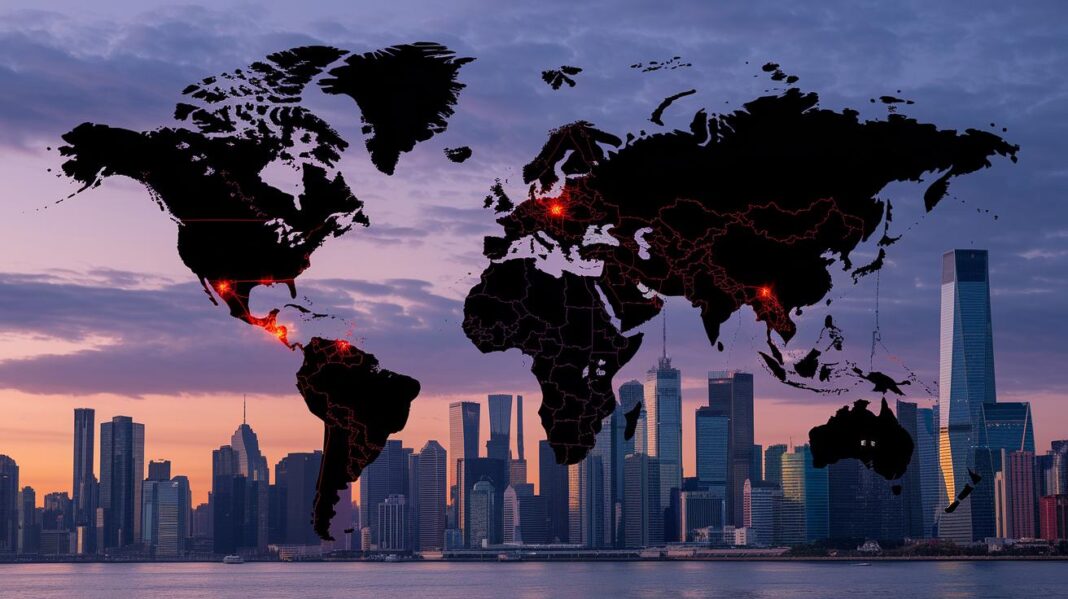
Ever wonder why almost one in four people lives with constant conflict? In 2022, 32 active fights claimed 238,000 lives. The United Nations says these battles threaten global peace like nothing seen since World War II. Cities and small towns face daily disruptions from violence that deeply affects communities. This article lays out today's conflicts and shows how they shape our world and everyday life.
Global Snapshot of Current Conflicts
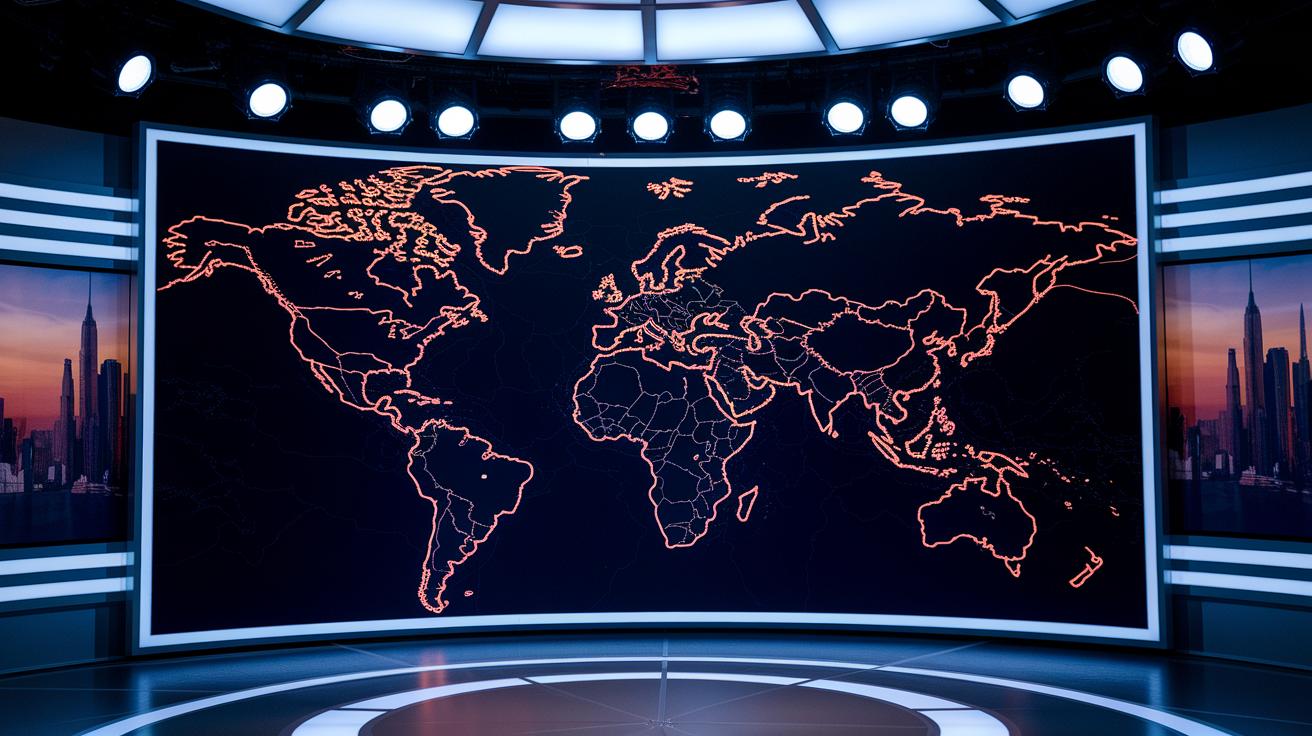
A global conflict tracker lists 32 active fights. Each conflict is rated as worsening, unchanged, or improving. The United Nations says today's conflicts pose the biggest risk to world peace since World War II. In 2022, about 238,000 people lost their lives in these struggles. Nearly 2 billion people, roughly one in four around the world, live in areas where violence disrupts daily life. In one region, nearly one in four faces daily uncertainty, highlighting the deep human impact of these conflicts.
The data shows that violence is not fixed to one place. Regions across the globe experience different levels of conflict, prompting governments and international groups to monitor each situation closely. The tracker provides details on death rates, displacement numbers, and shifts in conflict trends. For example, a review of urban and rural conflict zones shows that communities face different challenges, with some dealing with continuous threats and others experiencing occasional bursts of violence.
Recent war statistics stress the need for clear and reliable data to guide policy and humanitarian efforts. Analysts note that areas in active conflict often endure heavy economic damage and social unrest, leading to long-term setbacks in development. As these regions struggle with damaged infrastructure and limited resources, such insights point to serious future challenges for global stability.
Key Regional Flashpoints in Current Conflicts
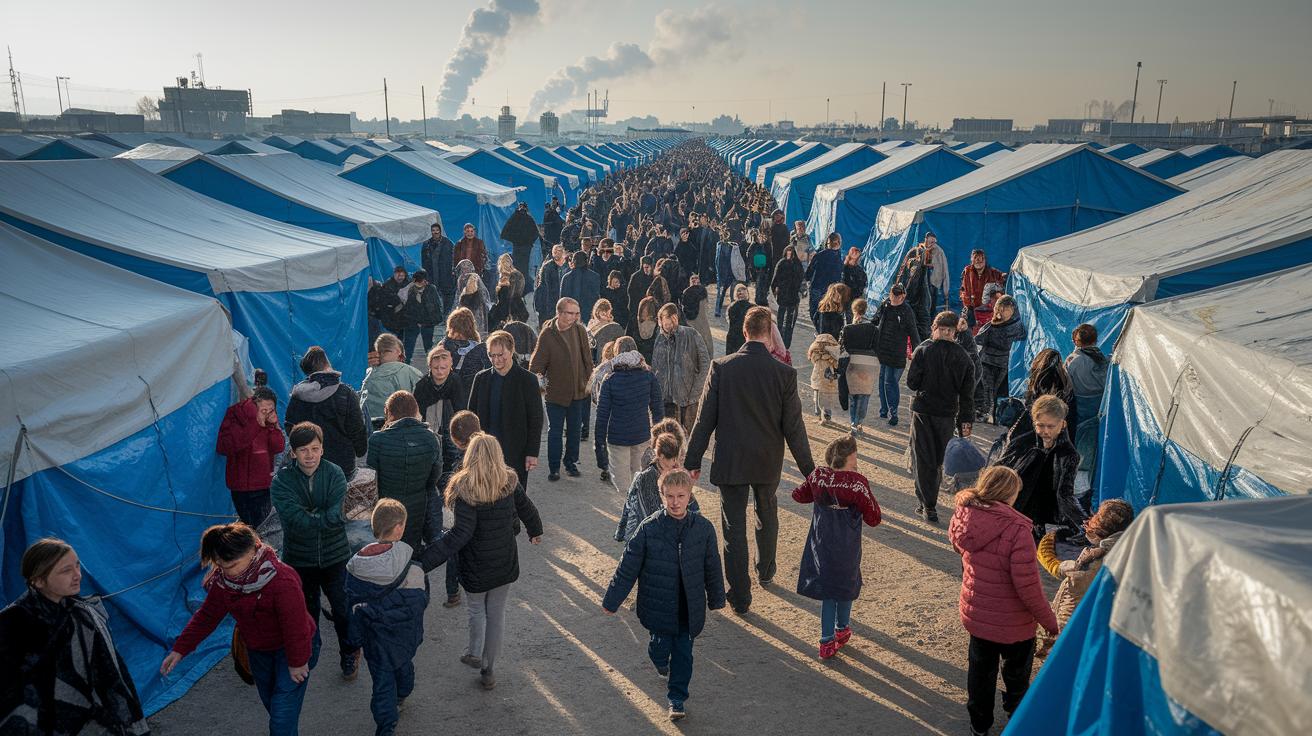
Across the globe, armed struggles cause severe humanitarian crises. In Asia and the Middle East, Myanmar's military junta, in power since 2021, uses harsh tactics, holds about 21,000 political prisoners, and targets the Rohingya minority. In Yemen, a civil war that has lasted nine years forces millions of children toward hunger as constant fighting disrupts daily life. In Syria, ongoing conflict has displaced over 13 million people, leaving at least 2 million in crowded tent camps. Every day in these areas, entire communities are forced to flee their homes.
In Africa and Latin America, similar hardships persist. Conflict in Ethiopia's Tigray region and violence in South Sudan drive many to abandon their homes. Meanwhile, a border dispute between Venezuela and Guyana, lasting nearly 200 years, adds to rising tensions and disrupts local trade. These challenges show that conflicts are closely linked to larger global issues and affect societies and economies on many levels.
| Region | Primary Conflict | Status | Displacement |
|---|---|---|---|
| Asia/Middle East | Myanmar Civil Conflict | Intensifying | High internal displacement |
| Asia/Middle East | Yemen Civil War | Ongoing | Millions affected |
| Africa | Ethiopia’s Tigray Conflict | Active | Widespread displacement |
| Latin America | Venezuela–Guyana Dispute | Chronic | Moderate migration flows |
Humanitarian and Economic Toll of Current Conflicts
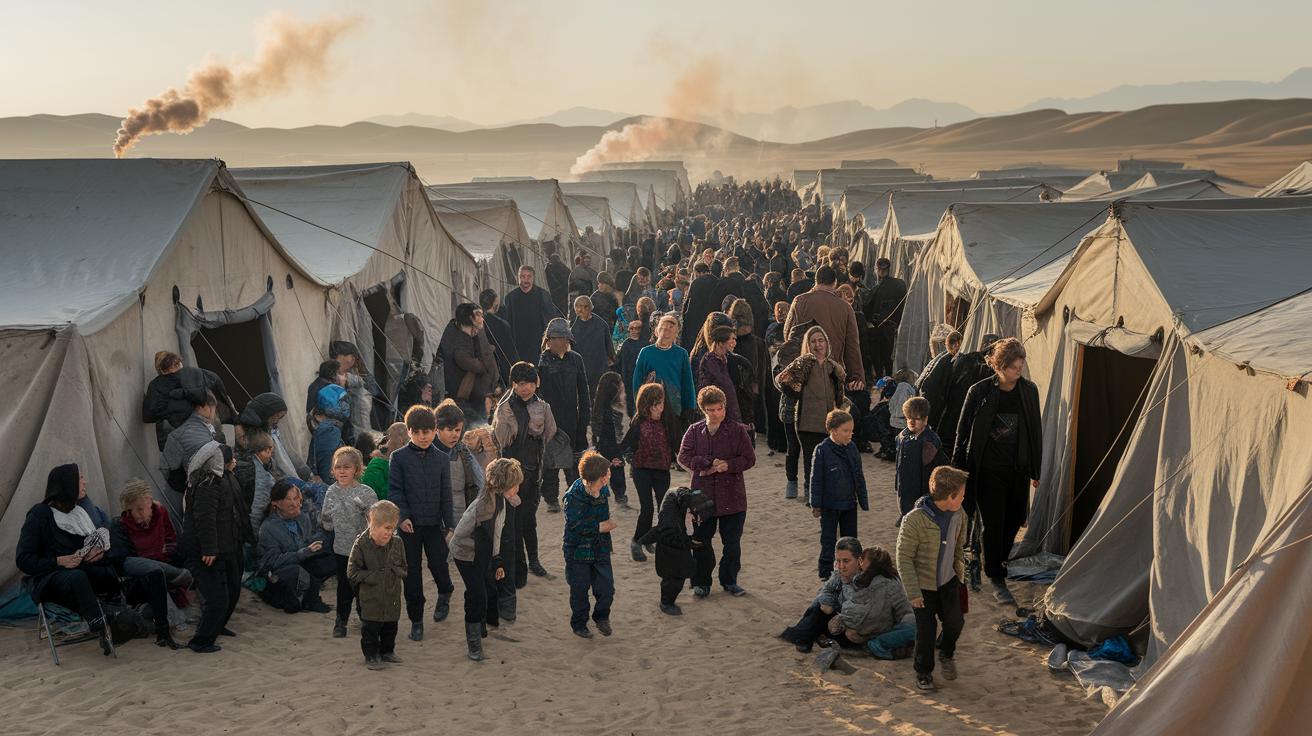
Armed conflicts burden communities in many ways. In war zones, people face urgent shortages of food, shelter, and schooling because violence cuts off access to these basic needs. This sparks huge humanitarian challenges, forcing governments and aid groups to act quickly while local economies suffer from broken infrastructure and stalled growth.
- Conflicts account for 80% of global humanitarian needs.
- In Yemen, war has pushed millions of children toward starvation due to blocked aid.
- Syria's civil war has forced over 13 million people to flee their homes, with about 2 million living in crowded tent camps.
- Ukraine's invasion has disrupted schooling for nearly half of its refugee children, marking a third year of interrupted education.
- The ten economies most affected by conflict lose an average of 41% of their GDP from war-related damage.
The effect of these conflicts goes well beyond immediate loss of life. In areas where destruction hampers rebuilding and basic services, everyday life becomes harder. Families are forced to adjust to lower living conditions, and long school breaks can hurt future prospects. For example, when essential resources vanish overnight, communities face a steep climb back to normal. This shows how important it is to have clear reports on humanitarian crises, thorough studies on economic impacts, and strong measures to help displaced people stabilize these vulnerable regions.
Evolving Dynamics in Modern Warfare
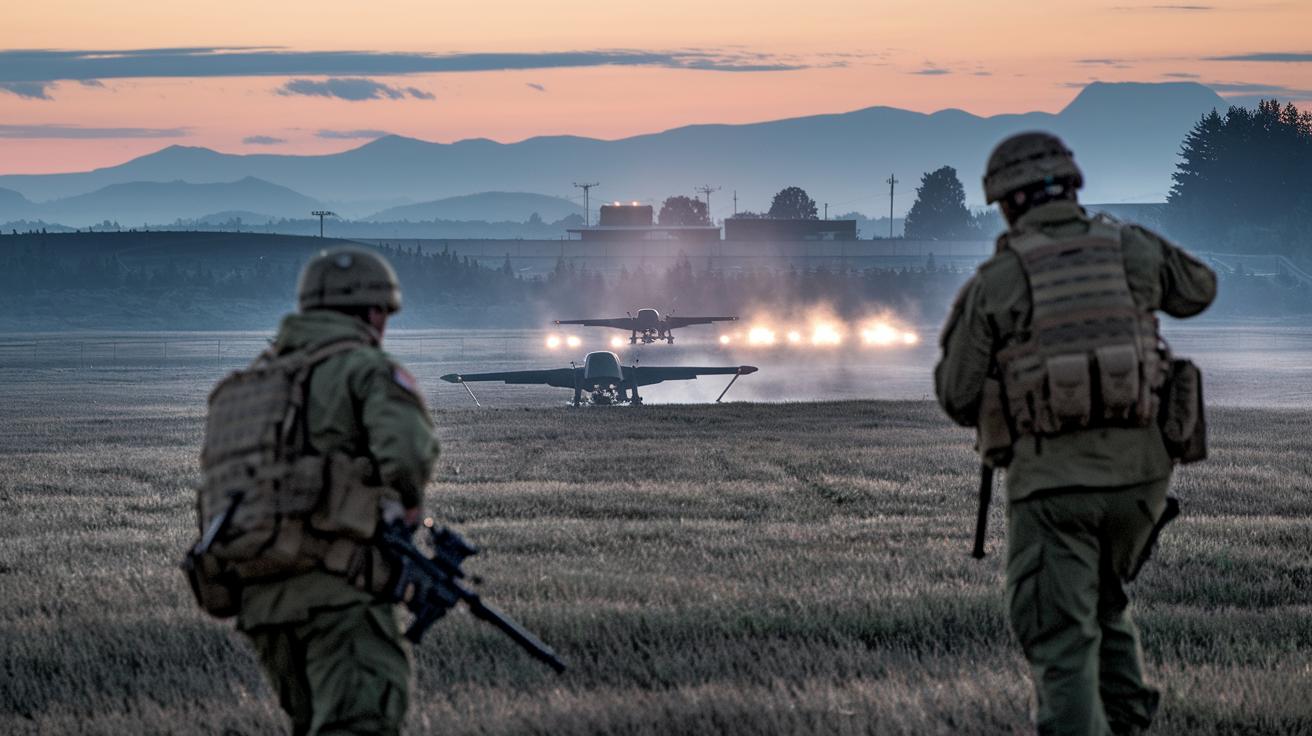
Countries are quickly changing how they fight wars as they update their weapons and tactics. Nations now build more nuclear arms to raise tension, while drone strikes and cyber operations reshape conflict methods. Unmanned systems gather key intelligence and hit targets with a precision that was once hard to imagine. For example, a small drone can cover a vast area, much like early scouts changed how battles were fought. These advances are pushing military planners to rethink old and new strategies.
Profit-focused criminal groups mix legal and illegal behavior by exploiting weak law enforcement during chaotic times. Both government forces and rebel groups now use unmanned systems for swift strikes and remote monitoring, sparking fresh debates on military methods. Cyber operations and smart drone warfare create a wider gap between traditional tactics and modern techniques. Experts say that merging digital tools with classic combat has led to a mix of old rivalries and new cyber threats that challenge existing security measures.
Outside of conventional tactics, new methods bring added complexity to conflicts. In Myanmar, harsh military campaigns show how scorched-earth strategies can increase harm to civilians. A review of 32 active conflicts reveals quick changes in tactics and the roles players take on. Emerging tools like cyber attacks and drone surveillance are forcing leaders to adapt. They now face a battlefield where age-old rivalries meet high-tech challenges, which keeps the strategy debate active and ever-changing.
Historical Roots of Today’s Conflicts
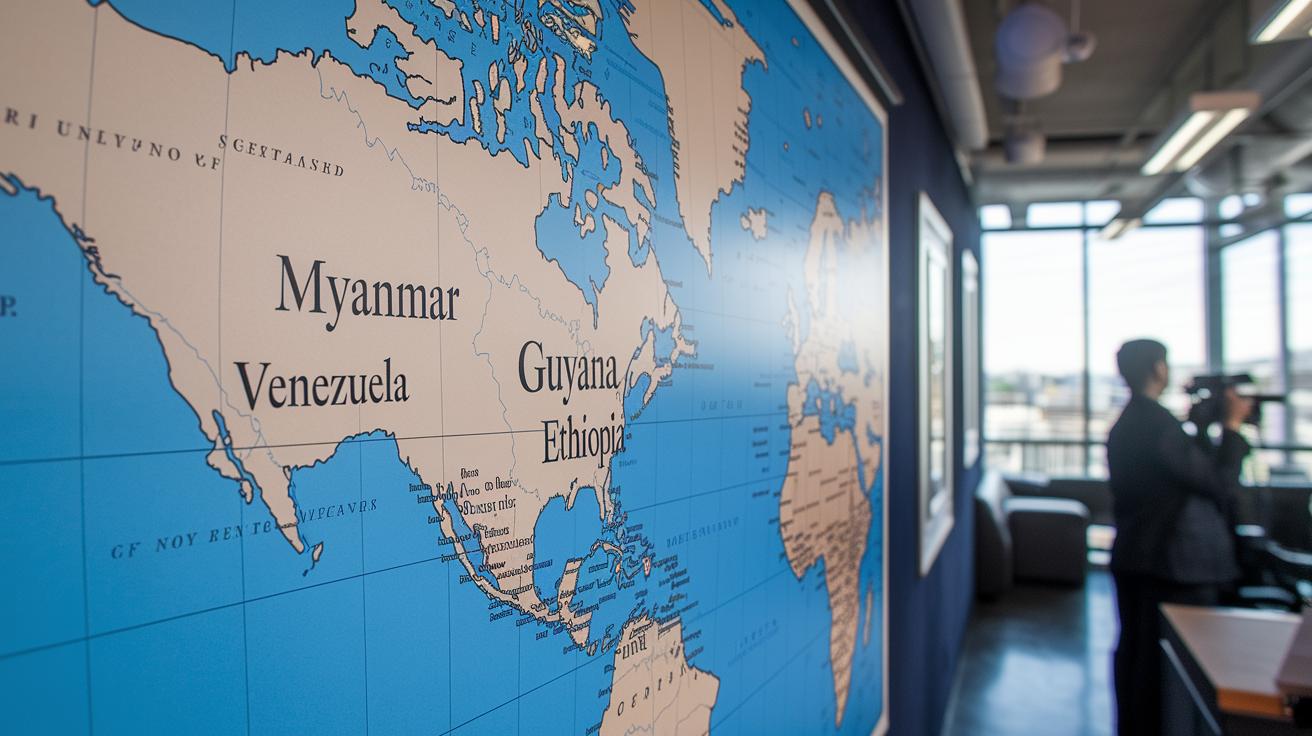
Myanmar's civil war started in 1948 and is the longest-running conflict in the world. This long war shows how old wounds can keep a fight alive for many generations. Myanmar's history of military rule and ethnic struggles keeps the battle burning. A clear example is that the conflict, continuing since the mid-1900s, proves that unresolved problems can linger long past their start.
In another case, a territorial dispute between Venezuela and Guyana has stretched for nearly 200 years. Offshore resource rights have sparked ongoing tensions that shift politics and diplomacy steadily.
In Ethiopia, the Tigray conflict began in the early 1990s from political neglect and regional rivalries. Local power struggles and deep-seated grudges have led to long-lasting unrest, causing pain and regional instability. These historical issues show that many modern conflicts repeat old patterns while reminding us that unresolved regional inequalities can have lasting effects.
International Efforts and Diplomatic Challenges Amid Conflicts
Global legal systems face many hurdles in conflict zones. The International Criminal Court, for example, has only convicted one person for wartime rape. This shows that holding violators to account is very hard. Networks that care more about profit than justice often ignore international law, which makes it tougher to safeguard civilians. This gap calls for clearer rules and stronger systems to stop abuse.
Peace efforts hinge on solid data and sound legal advice. The War WATCH resource uses strict checks and legal know-how to record civilian harm and sort conflicts. Studies of mediation show that ceasefire deals and peace talks often fall apart because of long-standing rivalries and weak commitments from all sides. When groups cannot agree on clear terms, diplomatic solutions are hard to reach and ceasefire efforts suffer.
Diplomacy around the world continues to struggle with these issues. Ceasefire talks and mediation are often interrupted by poor follow-through and ongoing disputes among parties. With trust hard to build, moves toward lasting peace face many obstacles. In these tough settings, stronger laws and steady diplomatic work are needed to close the gaps and guide negotiations toward real progress.
Forecasting Future Trends in Global Conflicts
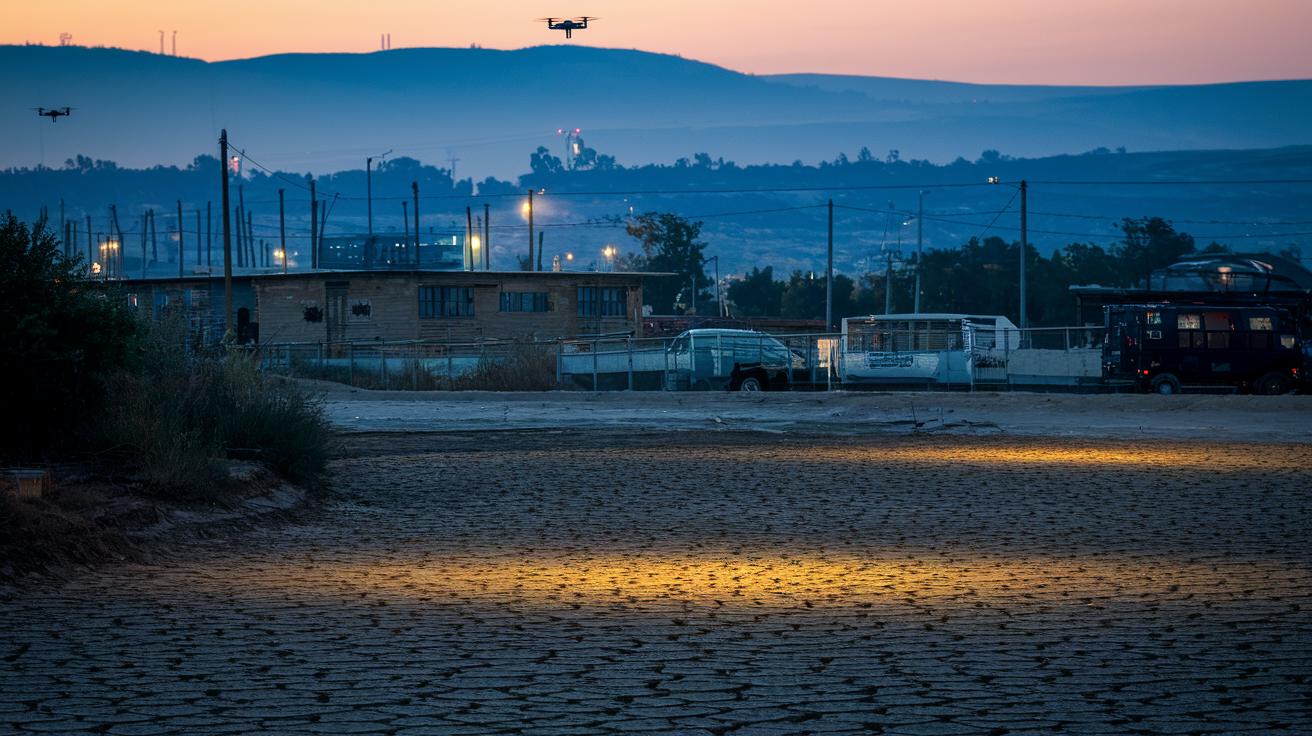
The United Nations says we face the greatest threat to peace since World War II. Defense budgets are growing and many countries are buying more weapons. These signs point to rising tension. New challenges are also coming. Climate change is making resources like water and energy scarce, which could cause more conflicts. Think of a town that fights over water during a long dry spell.
New technology is also changing how wars are fought. Autonomous weapons (self-operating machines) and improved cyber warfare are now part of military plans. These unmanned systems are used by both governments and other groups. They force leaders to rethink old methods of defense. Experts warn that without strong crisis plans, many of the 32 conflicts being tracked may get worse.
Looking ahead, security issues will mix tech changes with resource shortages. Rivalries between big powers continue to drive tensions. More money is being spent on high-tech military systems, while environmental pressures grow. This blend of factors means global security will become more complex. It calls for careful watching and clear strategies to prevent problems from escalating.
Final Words
In the action, the article offers a clear global snapshot, breaking down regional hotspots, economic impacts, and evolving warfare tactics while tracing historical roots that shape these issues.
It details international efforts and highlights the challenges of current diplomatic resolutions, emphasizing data-driven insights. Current conflicts in the world serve as a reminder of the complex dynamics at play, urging stakeholders to stay informed and prepared.
This focused analysis points to a future where smarter strategies lead to positive outcomes.
FAQ
How many wars are going on right now in 2025?
The count of active conflicts stands at around 32, based on global conflict trackers that monitor wars, border disputes, and other armed engagements worldwide.
What are 5 current conflicts in the world today?
Five notable conflicts include Myanmar’s military unrest, Yemen’s civil war, Syria’s prolonged warfare, Ethiopia’s Tigray crisis, and the ongoing hostilities in Ukraine.
What do current wars in the world map and global conflict trackers show?
Global conflict trackers highlight active wars across regions, mapping disputes in Asia, Africa, Eastern Europe, and Latin America, which helps identify locations experiencing significant armed struggles.
What is the biggest crisis in the world today?
The biggest crisis is seen in the heightened global threat to peace that the United Nations has flagged as the most severe since World War II, impacting international stability on multiple fronts.
What is a modern-day example of conflict?
A modern-day example is Myanmar’s conflict, where the military employs scorched-earth tactics and unconventional warfare methods, illustrating the evolving nature of international armed struggles.
What is the world tension right now?
World tension remains high amid escalating defense budgets, economic disruptions, and humanitarian crises, all contributing to an uncertain global security environment.