

Could your business be missing a tech update? Almost every company now uses cloud tools (online storage and computing services) to work faster and reduce delays. New smart systems have helped companies respond to customers quicker and run smoother operations. Today, many businesses are changing how they work by using artificial intelligence (AI), automation (computerized tasks), and real-time data tools (software that updates instantly) to better serve customers. This change shows that updating internal processes can drive strong business growth and open up new paths to success.
Comprehensive Update on Digital Transformation Trends
A recent survey found that 97% of global companies now use at least one essential cloud or digital tool. This shows that advanced tech is becoming the norm for smooth operations and growth. For example, one major company shifted its entire customer service to a cloud system, which led to faster responses and less downtime.
Many businesses are updating their internal processes to serve customers better. Digital transformation means rethinking workflows and systems to offer faster, more flexible services. Companies are modernizing core operations, automating routine tasks, and improving communication channels. One mid-sized retailer, for example, revamped its online ordering system. This change cut wait times and boosted customer satisfaction, reflecting an industry drive to build more agile systems.
Generative AI has pushed companies into a new phase where there is no set blueprint. Research from Forrester in Q4 2025 shows a rise in AI-powered digital platforms that combine machine learning (computers learning from data) with human oversight. In this phase, firms are using innovative digital strategies rather than following old roadmaps. This shift is changing IT by adopting flexible, data-driven models to ensure steady, personalized customer interactions across digital channels.
Technology Disruption Driving Digital Transformation Update

Disruptive tech is reshaping digital transformation. Companies now have to change the way they work and plan their futures.
- Generative AI (tools like ChatGPT and DALL·E)
- Agentic AI (solutions like AWS Nova agents, with a market of USD 93.2 billion expected by 2032)
- Hyperautomation (a market worth USD 46.4 billion in 2024 with a 17% growth rate)
- Composable Enterprise (predicted to reach USD 39,366.6 million by 2032 with 24.9% growth)
- Quantum Computing (used for speeding up drug discovery)
- IoT Expansion (delivers real-time data from devices)
- Cloud Services (more than 50% industry cloud adoption by 2027)
These trends are part of a wider shift in IT strategy. Businesses are using generative and agentic AI to improve decision-making and boost efficiency. Hyperautomation cuts down on manual work and improves workflow reliability. Composable enterprise designs let companies adapt quickly to market changes. Quantum computing is opening new doors in research and data analysis. IoT gives companies timely insights that help them react faster, while cloud services ensure the secure, scalable operations needed for key workloads.
By aligning IT plans with these emerging trends, companies are turning challenges into advantages. This fast adoption of new technologies points to a future where digital transformation drives growth through agile innovation and smarter operations.
Modernizing Enterprises: Legacy System Overhaul and IT Infrastructure in Digital Transformation Update
Many companies face delays in keeping up with market changes because they run on outdated IT systems. Old code and rigid frameworks mean high costs and slow progress, which forces businesses to update their tech if they want to stay competitive.
Legacy System Overhaul
Many businesses are revamping their old systems to cut costs and boost speed. They are cleaning up their code (refactoring) to make it easier to maintain and shifting to microservices (small, independent programs) that split large applications into manageable parts. In some industries, like automotive and manufacturing, companies now use digital twins (virtual copies of operations) to test and improve performance. These steps help move companies from clunky, old systems to faster, more flexible ones.
Platform Modernization
Modern platforms use containerization techniques that simplify app deployment and scaling. They also rely on API-driven designs (tools that let systems talk to each other) for smoother data flow. With low-code and no-code solutions, even non-technical staff can build and adjust apps quickly, speeding up innovation and spreading digital change across the company. Planning a cloud migration is a key part of this shift. Businesses work with engineering services to move in clear, prioritized phases, making sure that their systems remain secure and scalable. This careful approach keeps operations steady while opening the door to future growth.
AI Adoption Roadmap and Machine Learning Trends in Digital Transformation Update
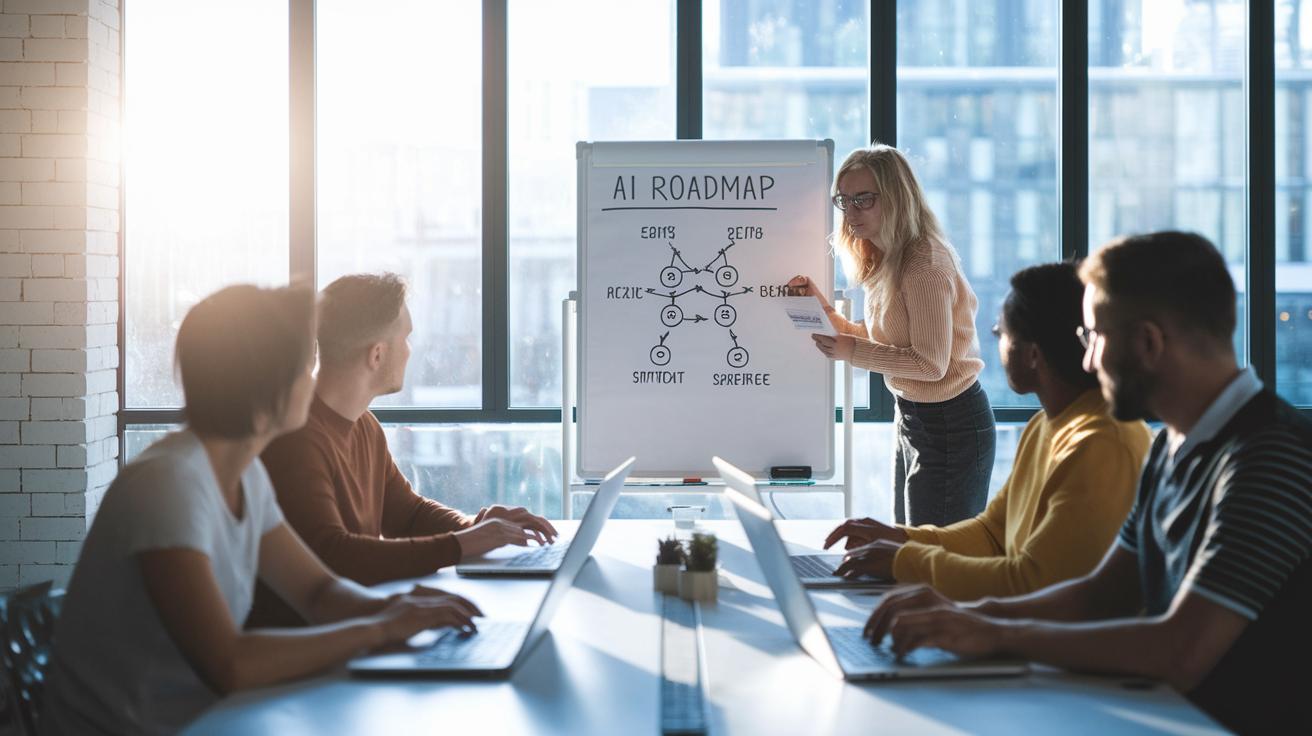
Building an AI roadmap is key for companies that want to change how they work. Adding AI into the digital chain with AIOps, generative AI, and machine learning helps automate tasks like document processing and improves decision-making. A clear roadmap lets teams test ideas, track results, and grow successful projects while managing risks and aligning technology spending with business goals.
In phase one, known as the pilot stage, businesses test new AI solutions on a small scale. They run proofs-of-concept to see how these tools affect specific tasks. For example, a team might try an automated tool for processing documents. This trial phase helps them see how accurate the algorithms are, spot integration issues, and make needed adjustments.
Phase two is about scaling up these pilots. Here, companies refine their first tests and start using AIOps and generative AI tools in more areas. They focus on training employees, syncing new tools with existing IT systems, and using AI in regular routines to boost efficiency and improve data management.
In phase three, the goal is to optimize. After scaling up, organizations carefully watch how the AI performs and update their models regularly. This process helps balance automated tasks with human oversight.
Throughout, it is important to mix automation with human insight. Forrester's Q4 2025 report reminds us that while AI can increase efficiency, human judgment is crucial for spotting errors and ensuring technology truly benefits the business.
Business Process Automation and Hyperautomation in Digital Transformation Update
Business process automation uses software that follows clear rules and robotic process automation (RPA) to handle everyday tasks fast. Hyperautomation goes further by combining artificial intelligence (AI), machine learning (ML), and RPA to manage entire work routines. In manufacturing, hyperautomation helps keep supply chains and production standards in sync. In healthcare, it speeds up patient check-ins and claim processing. For instance, one hospital cut waiting times by half by automating appointment scheduling using AI and rule-based systems.
The hyperautomation market is valued at USD 46.4 billion in 2024 and is expected to grow at a 17% annual rate until 2034. Meanwhile, low-code and no-code platforms let non-technical teams tweak processes quickly, making automation more accessible across many industries.
| Automation Type | Key Components | Business Impact |
|---|---|---|
| RPA | Rule-based software, bots | Speeds up routine tasks |
| Hyperautomation | AI, RPA, ML integration | Improves overall workflows |
| Low-Code Platforms | Drag-and-drop tools, simple development | Allows fast process changes |
Choosing the right blend of automation tools drives innovation and boosts efficiency in specific industries.
Cloud Computing Integration and Cybersecurity Improvements in Digital Transformation Update

Many companies now rely on cloud and digital platforms for their mission-critical work. This shift means businesses must plan their move to the cloud carefully. They often turn to managed services that offer round-the-clock monitoring, container security (protection for software applications in isolated environments), and disaster recovery. These services make it easier to shift to a cloud setup while keeping costs steady. Experts predict that over 50% of companies will use industry-specific cloud platforms by 2027, making secure and flexible migration a must for long-term success.
Securing cloud systems is just as important as moving to them. Basic cybersecurity measures, like identity and access management (IAM, which controls who can access data) and strong incident response plans, help protect against breaches. By tightening who can access systems and using full-time monitoring, companies lower risks and can act quickly if an issue arises. Focusing on cloud security not only safeguards data but also builds customer trust, setting the stage for ongoing innovation.
- Use strong authentication methods for IAM controls
- Implement real-time security monitoring and rapid incident response
- Conduct regular security audits and vulnerability assessments
Data-Driven Insights and Analytics Impact on Digital Transformation Update
Data modernization is changing how companies work with information. New analytics and big data tools turn raw data (both neat and messy) into clear insights. Many firms are replacing old systems with stronger analytics platforms. This shift improves how data is captured, stored, and processed quickly. For example, one retail chain updated its setup to learn more about customer habits, leading to focused offers and better planning.
Interactive dashboards are now key for making smart choices. Real-time tools let teams follow key numbers and market changes as they happen. They break down complex data into simple charts and graphs so leaders can spot trends and act fast. Many companies say quick access to live data sharpens their decisions and gives them a competitive edge.
Predictive maintenance tools are making a strong impact in manufacturing and energy. By studying machine data, companies can predict when equipment might fail, avoiding costly downtime. In factories, this insight keeps production lines running smoothly. In the energy sector, utilities use these tools to maintain stable grids. For instance, one plant scheduled maintenance during low-demand times, reducing interruptions and boosting efficiency.
Agile Methodology Adoption and Digital Change Management in Digital Transformation Update

Agile practices are changing IT. Companies are leaving behind strict, fixed plans for short work cycles that allow quick changes based on ongoing feedback. Imagine a team that dropped its long-term roadmap in favor of agile sprints. This approach helps teams quickly adjust when new opportunities or issues come up.
Tools like value stream planning and low-code prototyping play a key role in this shift. Businesses now use value stream planning to match everyday tasks with overall strategy, ensuring each step adds clear value. Low-code prototyping lets teams test ideas fast without heavy coding. Picture a team creating a simple app interface with low-code tools, testing user reactions, and then improving the design. This method speeds up creativity and cuts time to market.
Changing company culture and offering training programs are vital for making agile work a regular part of operations. Many companies invest in training and teamwork initiatives to break down silos. Employees learn digital change management skills that help them keep pace with change. This focus on culture strengthens agile methods and makes digital transformation a continuous part of growth.
Final Words
In the action, survey data shows 97% of enterprises running mission-critical workloads on digital platforms, sparking rapid process updates and improved customer experiences. The post highlights key technology drivers like generative AI and agentic AI, explains modernizing legacy systems, and covers agile practices reshaping IT strategy.
This digital transformation update underscores the move toward smarter workflows and secure cloud integration. Each shift paves the way for a more resilient and forward-thinking future.
FAQ
Q: What are the latest digital transformation updates from today, 2021, 2022, and 2023?
A: The digital transformation update from today and recent years reflects shifts in cloud migration, AI integration, and revamped internal processes across enterprises, driven by growing survey data and evolving IT strategies.
Q: What digital transformation trends are expected in 2025?
A: The digital transformation trends for 2025 show a rise in AI-driven platforms, hyperautomation, and strategic realignment in cloud services while enterprises focus on modern customer and operational processes.
Q: What are the latest trends in digital transformation?
A: The latest trends in digital transformation include AI integration, agile cloud adoption, enhanced data analytics, and iterative updates to business processes that improve both internal operations and customer experiences.
Q: What does the digital transformation overview from the World Bank cover?
A: The digital transformation overview from the World Bank highlights global support for digital infrastructure, data-driven decision-making, and strategic investments in technology that boost sustainable development.
Q: What are the latest technologies in the software industry?
A: The latest technologies in the software industry feature generative AI tools, low-code platforms, and modern cloud solutions that drive efficient productivity and help modernize traditional business operations.
Q: What are the top 10 technology trends shaping today’s digital strategies?
A: The top 10 technology trends include generative AI, agentic AI, hyperautomation, composable enterprise models, quantum computing, IoT expansion, and the growing importance of robust cloud services in reshaping IT landscapes.
Q: What are the five types of digital transformation?
A: The five types of digital transformation are typically defined as process, customer engagement, business model, organizational, and ecosystem transformation, each designed to modernize legacy systems and boost overall efficiency.
Q: What are the pillars of digital transformation?
A: The pillars of digital transformation vary by framework; common elements include customer experience, operational processes, business models, culture, and data, with some frameworks listing four and others five key pillars.