

Is peace fading, or do we still have hope? The Global Peace Index (a tool that tracks safety, conflict, and military spending) shows us how calm nations are. Recent data shows a small overall drop in peace, but some areas are making real progress. This analysis breaks down the numbers and explains how these shifts might lead to greater stability. Keep reading to learn what this means for a future where order could prevail.
Understanding Global Peace Metrics: Definitions, Measurements, and Trends
The Global Peace Index is a worldwide scorecard that measures calm in countries. It was created by the Institute for Economics and Peace and uses 23 equal indicators to show how peaceful a nation is. Even small factors, like violent protests or economic problems, play a big role in the overall score.
In 2025, global peace dropped by 0.36%. This marks the thirteenth annual decline since 2008. The average score of all the countries also fell by 5.4%. Rising tensions and local conflicts have made the world less peaceful. Experts use these yearly comparisons to spot trends and find areas that need more help.
The index also acts as a global ranking tool, letting us compare peace levels between countries and regions. It shows how stability and security change over time, and helps identify which places are improving and which still face big challenges.
Methodology of the Global Peace Index: Indicators and Scoring
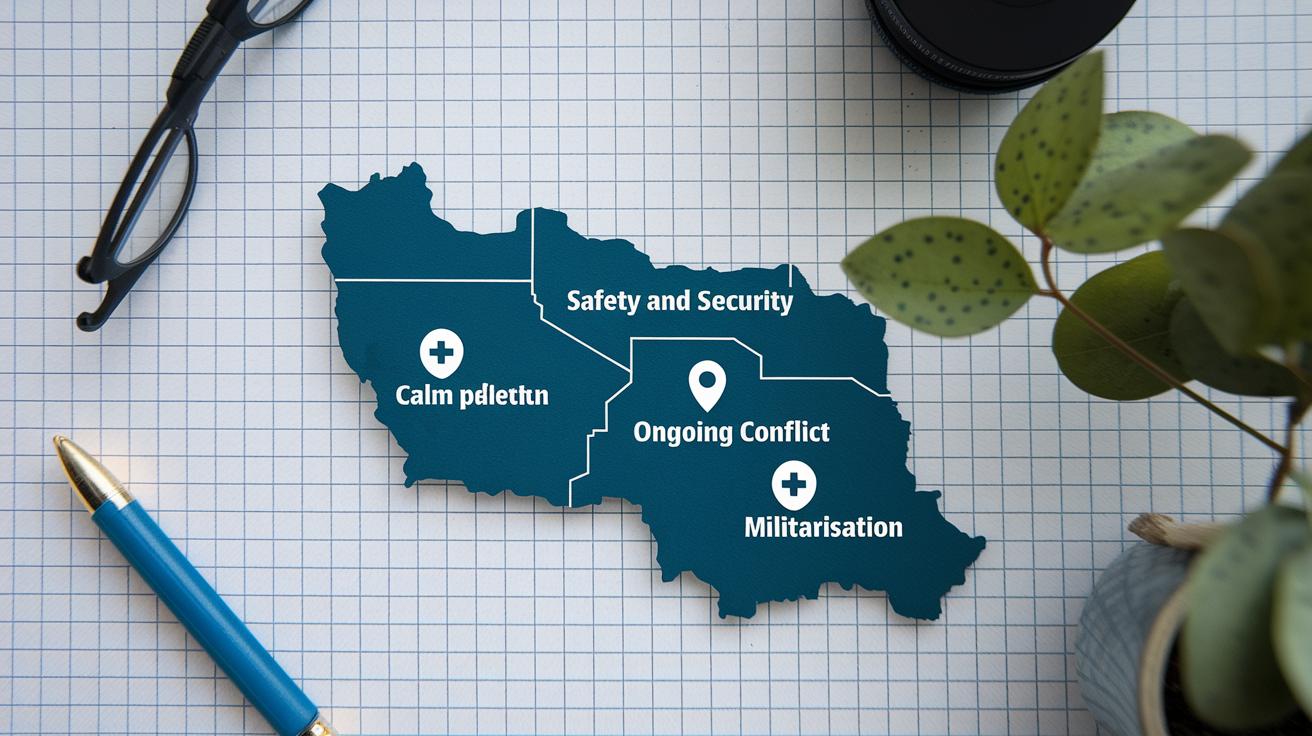
The index measures a country's peace using 23 equal indicators. This balanced method makes it easy to see how each country performs.
The study covers three main areas: Safety and Security, Ongoing Conflict, and Militarisation. Safety and Security looks at daily risks like crime and protests to show a country's stability. Ongoing Conflict checks for active disputes and military skirmishes to mark immediate risks. Militarisation covers military spending, weapon sales, and army size. Each area counts the same so that no single part skews the final score. For example, a nation with good internal safety but high military costs will see these factors balanced in its overall result.
All indicators are adjusted to a common scale. The scores are then combined to give a clear ranking of each nation's peace level.
Regional Analysis of Global Peace Scores and Trends
In 2025, peace levels varied widely across regions. The Middle East and North Africa region had a hard time, with four of the ten least peaceful nations. This trouble comes from ongoing political unrest and conflicts that spill over borders. South Asia's peace also dropped sharply, especially in Bangladesh and Pakistan, which saw the largest average decline.
Sub-Saharan Africa fared a bit better, with a small peacefulness drop of 0.17% in 2025. Even a tiny fall suggests that economic struggles and local conflicts are slowly affecting the region's stability. Knowing these differences helps build policies that fit each area’s needs. It also lets experts decide where help is most needed and track improvements over time.
| Region | Major Change |
|---|---|
| MENA | Four of the ten least peaceful countries |
| South Asia | Largest average decline in peace |
| Sub-Saharan Africa | Average peacefulness drop of 0.17% |
Top 10 Leaders in the Global Peace Index Rankings

The Global Peace Index lists nations known for safe societies. The top ten countries are celebrated for their secure and stable communities. They score high on peace metrics and offer a model for calm living worldwide. These nations achieved such scores with smart policies, low levels of military buildup (militarisation means military buildup), and minimal internal conflict.
| Rank | Country |
|---|---|
| 1 | Iceland |
| 2 | Ireland |
| 3 | New Zealand |
| 4 | Austria |
| 5 | Switzerland |
| 6 | Singapore |
| 7 | Portugal |
| 8 | Denmark |
| 9 | Slovenia |
| 10 | Finland |
Changes in the rankings show that some countries keep their lead while others have climbed the list. Iceland holds the top spot by working hard to lower violence and other issues that might cause unrest. Ireland has quickly improved public safety and lowered internal conflicts. New Zealand stays a strong example in the Asia-Pacific region, even as it faces challenges like higher military spending. Austria and Switzerland balance solid defense measures with good internal security. Singapore's rise is impressive, thanks to its strong safety record and smart economic policies. Portugal and Denmark show that steady progress in law enforcement and stable economies leads to peaceful communities. Slovenia and Finland finish the list, each showing unique strengths despite past challenges. This ranking proves that wise policies and stable governance help build lasting peace.
Global Peace Index: Uplifting Trends Ahead

When a society is peaceful, it usually sees more job growth, steady money, and stronger foreign investment. Calm conditions help businesses thrive and let governments plan the economy better. One country boosted its peace score recently, and its market bounced back quickly, creating more jobs and increasing investor trust. This shows that peace directly improves economic performance and everyday finances.
Stable times also help governments make smart policies that lift society over the long term. In places where people trust public services, leaders can launch actions that foster lasting peace and cut down conflict. Good policies lead to better schools and hospitals, which strengthen community bonds and ease tensions. High peace scores not only hint at economic strength but also promote safer, more resilient communities.
Historical Trends and Future Outlook of Global Peace Scores
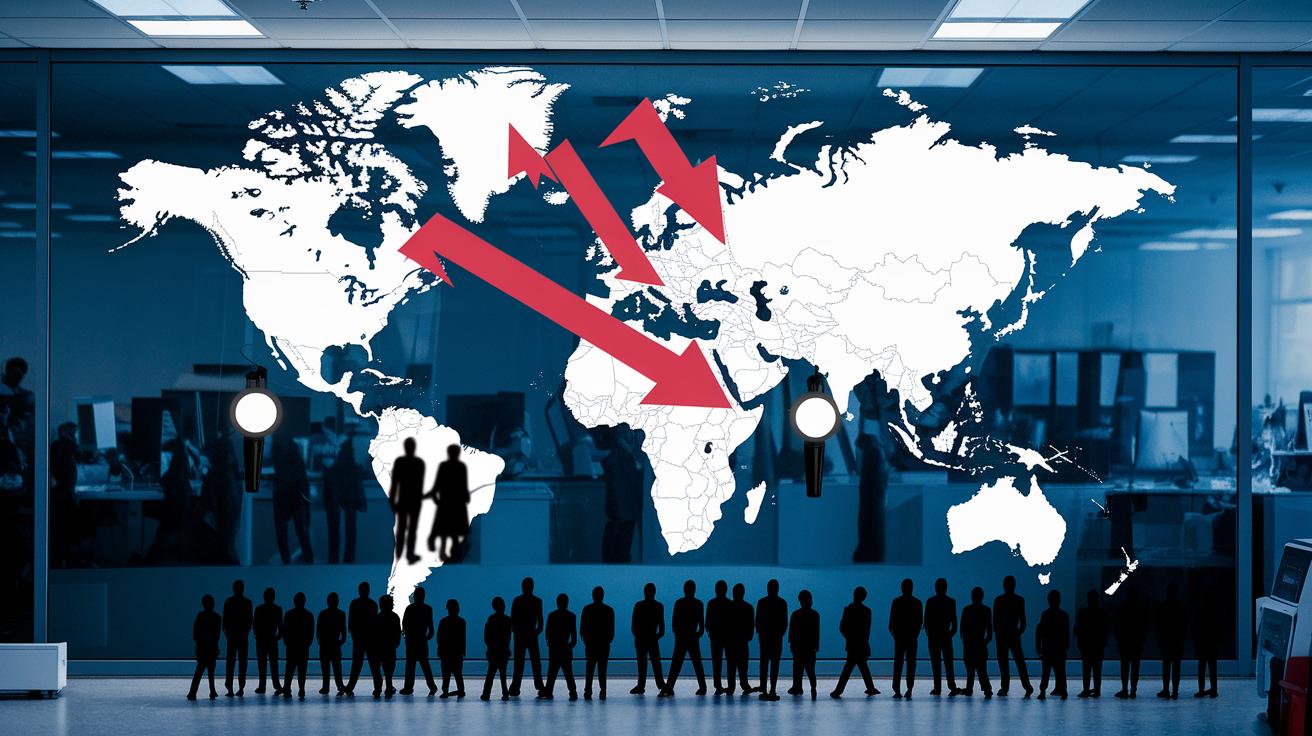
Global tracking in recent years shows a drop in peace. Peace scores have been falling steadily. This trend points to deep, long-term issues and sets the scene for today's shifts.
In 2025, peace scores fell by 0.36%. This decline came with rising geopolitical tensions and the displacement of 122 million people. Sharp events like these force policy makers to act quickly. For example, in areas with steep score drops, political unrest triggered sudden resource shortages that led governments to step in immediately.
Looking ahead, experts say targeted policy reforms and peace-building efforts are needed. They believe that new government strategies and strong international cooperation could help restore balance and calm over time.
Navigating Global Peace Data: Interactive Maps and Reports

The Global Peace Index now comes with clickable maps that show safety scores in a clear, visual way. These maps highlight peace levels across different regions, making it simple to see where tensions are high or where things are calm. For example, areas with recent conflict might appear in darker colors.
You can also use filters to check specific topics like ongoing conflicts or militarisation (the process of increasing military influence). The online tool lets you adjust settings and view data on dynamic charts. This setup makes it easier to understand why scores change over time, whether due to shifts in local security or other factors. By filtering data by region and topic, users can spot trends and see how policies might be influencing safety.
Official data sites back these tools by hosting interactive dashboards and detailed maps that give direct access to full global peace reports.
Final Words
In the action, the blog post explored how the global peace index calculates country scores using clear criteria and robust data. It explained the decline in global peacefulness in 2025, broke down regional differences, and listed top peaceful nations. Readers saw how peace levels tie to economic and social outcomes, along with a look at historical trends and interactive tools for data exploration.
This summary offers a quick guide to current international safety metrics and shows that understanding these insights can support informed and optimistic decisions.
FAQ
Global Peace Index 2025
The Global Peace Index 2025 measures international peacefulness using 23 equal-weighted indicators and reveals a 0.36% decline in overall global peace, ranking nations accordingly.
Global Peace Index rankings
The Global Peace Index rankings list countries by peacefulness based on composite scores from 23 indicators covering safety, conflict, and militarisation.
Global Peace Index map
The Global Peace Index map visually shows country scores and regional differences in peacefulness, allowing users to compare nations and understand global trends.
Global Peace Index 2025 list
The Global Peace Index 2025 list provides detailed country rankings with composite scores reflecting each nation’s safety, conflict exposure, and militarisation.
Global Peace Index 2025 top 10
The Global Peace Index 2025 top 10 nations are Iceland, Ireland, New Zealand, Austria, Switzerland, Singapore, Portugal, Denmark, Slovenia, and Finland, based on their high peace scores.
Global Peace Index 2025 PDF
The Global Peace Index 2025 PDF is a downloadable report that includes methodology, detailed rankings, and statistical insights into global peacefulness trends.
Global Peace Index 2025 USA rank
The Global Peace Index 2025 USA rank shows the United States’ position among nations by assessing safety, conflict, and militarisation, though specific rankings can vary each year.
How is the Global Peace Index measured?
The Global Peace Index is measured using 23 equal-weighted indicators grouped under safety and security, ongoing conflict, and militarisation, creating a composite score for each country.
Where does the US rank on the Global Peace Index?
The current Global Peace Index places the US based on scores reflecting safety, international conflict, and defense spending, with the exact rank shifting annually based on these indicators.
Which country is no. 1 in world peace?
The country ranked No. 1 in world peace for 2025 is Iceland, which consistently achieves the highest scores on comprehensive peace measures.
What is the no. 1 safest country in the world?
The no. 1 safest country in the world, according to the 2025 Global Peace Index, is Iceland, recognized for its exceptional safety and minimal conflict exposure.
What is the global peace index in 2025?
The Global Peace Index in 2025 offers a snapshot of worldwide peacefulness by measuring and ranking nations based on trends in safety, conflict, and militarisation.