

Ever wonder if you have enough protection? Since 1945, New York State has used its Human Rights Law to fight bias and protect people. This law covers more than workplaces. It also protects housing, schools, and public services. The law helps ensure that everyone has a fair chance. In this blog post, we explain how the law defends your rights and why it matters for fairness in New York.
Understanding Your Rights Under New York State Human Rights Law
New York State Human Rights Law came into effect in 1945 and is set out in N.Y. Exec. Law § 296. It was created to protect everyone from unfair treatment in many parts of life. The law was built to support equal treatment for all and to give people a way to challenge bias. In its early days, the law aimed high in the fight against discrimination in many public areas.
The New York State Division of Human Rights (NYSDHR) runs this law. They look into complaints, check out incidents, and work to make sure rules are followed. The law covers many areas, including:
- Employment
- Housing
- Public accommodations
- Education
- Credit transactions
- Voting rights
These areas show that the law protects more than just workers. Each part has its own safeguards to stop unfair treatment.
No matter if you are applying for a job, renting a home, or using public services, the state has put protections in place to stop discrimination at every step. The law covers everyone from job seekers to workers of every kind, including interns and contractors. This wide reach makes the law a key tool in the fight for equality in New York.
Protected Classes Under New York State Human Rights Law

New York State Human Rights Law stops discrimination by protecting many personal traits. The law makes it clear that no one should face bias or unfair treatment because of who they are. It covers many areas like work, housing, and public services. Here are the groups that enjoy protection:
- Age
- Race
- Creed
- Color
- National origin
- Sex
- Sexual orientation
- Gender identity or expression
- Military status
- Disability
- Predisposing genetic characteristics (inherited traits)
- Familial status
- Marital status
- Status as a victim of domestic violence
The law also extends its coverage to groups not always included before. Non-traditional workers such as interns, independent contractors, and consultants now have protection. Domestic workers, including those who live in their employer’s home, are also covered, just like all job applicants. This broad protection shows New York State’s strong commitment to fairness and equal treatment for everyone in both personal and professional life.
Prohibited Practices and Harassment Standards Under NY State Human Rights Law
Under New York law, employers cannot take steps that hurt someone’s career. This includes not hiring, firing without cause, lowering pay, or giving less important duties. These acts not only affect job decisions but also block fair chances for moving up at work.
Every workplace must be free from behavior that creates a hostile setting. The law stops actions that make the environment seem intimidating or abusive. This rule covers full-time employees, part-time staff, interns, and contractors from hiring through daily interactions.
Lowered Harassment Threshold Post-2019
In 2019, the law changed the rules for harassment claims. Now, even behavior that is just hostile or abusive can be illegal, not only the very severe or ongoing types. For example, repeated unwanted comments about a coworker’s personal life, constant small insults, or being purposely left out of key talks can now be seen as harassment. These updates help workers find relief when their workplace feels persistently demeaning.
Filing and Enforcement Procedures Under New York State Human Rights Law
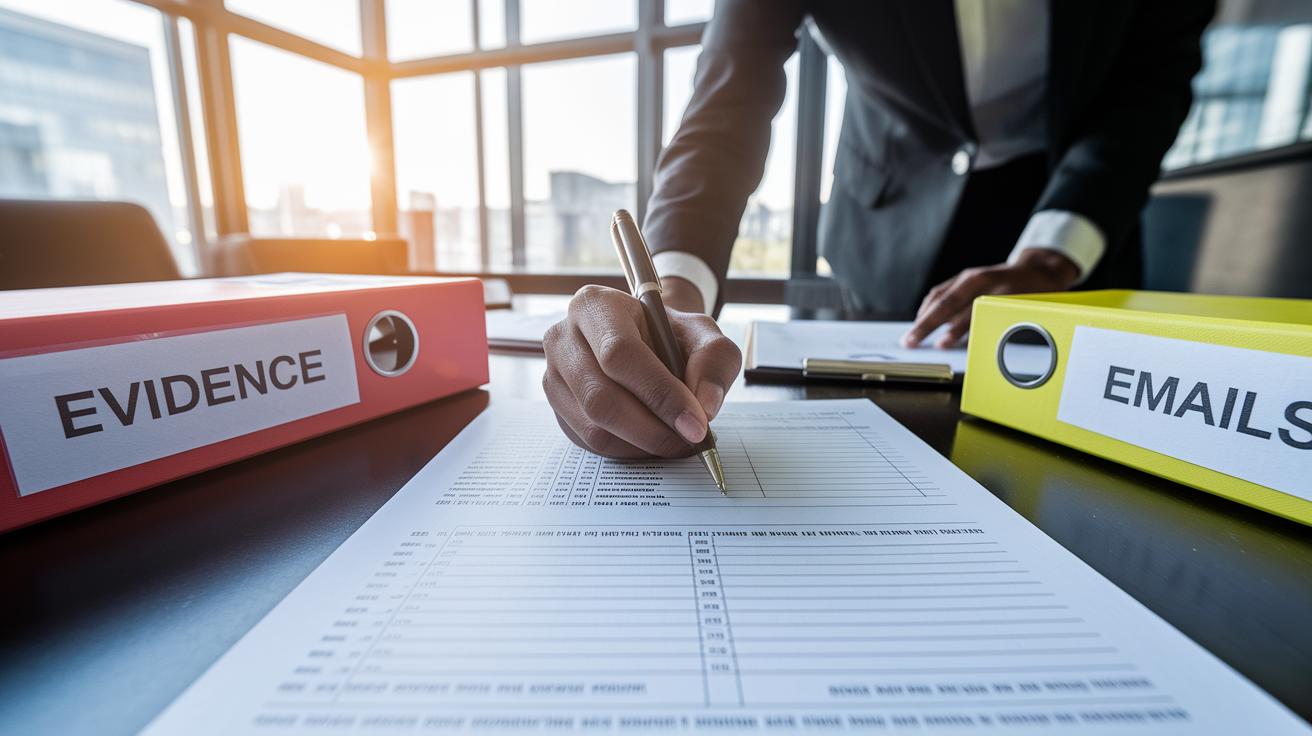
When you file a complaint, you must write down all the details about what happened. Include dates, times, names, and any documents like emails, photographs, or witness statements. Good records help the Division understand the case and follow up if they need more information.
After you submit your complaint, the Division reviews your evidence and contacts those involved. Investigators interview everyone and check all the documents you provided. They may ask for more records to get a clear picture. If they find enough evidence that your case meets the legal guidelines for discrimination or harassment, they issue a probable cause determination. This means there is enough proof to move forward with legal actions or settlement talks.
If the investigation does not resolve the complaint, the case moves to an administrative hearing. At the hearing, an administrative law judge listens to both sides. The judge reviews all the evidence in a formal setting. Both the complainant and the respondent can share their stories and provide more supporting material. After the hearing, a decision is made based on the facts. If either side disagrees with the outcome, they can appeal the decision through the proper procedures.
Remedies and Liability Under New York State Human Rights Law
New York State Human Rights Law provides several ways to help those who face discrimination or harassment. Employers who break the law may have to pay back wages, along with compensatory and punitive damages. These monetary options help victims recover their losses and serve as a warning against future bias. The law also allows workers to recover attorney fees so they can get legal help without worrying about high costs.
Monetary Remedies
Monetary remedies cover lost wages, emotional distress, and serious misconduct. For example, if unfair treatment leads to lower earnings or wrongful job loss, the employer may need to pay for these losses as well as legal fees. These measures aim to make victims whole and discourage employers from repeating such behavior.
Non-Monetary Remedies
Non-monetary remedies require employers to update their policies and provide training to prevent bias. Employers might also be forced to stop ongoing unfair practices with cease-and-desist orders. Additionally, the law mandates reasonable accommodations for disabilities, pregnancy-related conditions, or religious needs. This means making changes in work hours, job duties, or facilities so every employee has an equal chance at success. These actions not only fix past mistakes but also help promote fairness in New York workplaces.
Key 2019 Amendments to NY State Human Rights Law

The law now covers every employer, no matter the size. Before, only businesses with four or more workers had to follow these rules. Now even a business with one or two workers must meet the state's human rights standards. Small business owners can no longer avoid legal obligations by hiring just a few employees.
The law also changes what counts as harassment. Instead of needing to show actions that are severe or widespread, it now covers any hostile or abusive behavior. This means that repeated rude remarks or dismissive actions can now be reported as harassment, even if the behavior is less extreme.
The amendments also remove mandatory arbitration clauses from employment agreements. Workers now have the option to take their cases to court instead of being forced into arbitration. This gives employees better access to justice and more choices when resolving disputes.
Best Practices for Employer Compliance with New York State Human Rights Law
Employers must have clear anti-bias policies for every worker. These guidelines should cover interns, contractors, and domestic workers. Adding real-life examples, like stating, "An independent contractor experiencing biased treatment deserves the same respect as a full-time employee," sets a strong standard for behavior and accountability.
Employers should also create a written process for handling accommodation requests. This process explains how to request adjustments for disabilities, pregnancy needs, or religious observances. For instance, a notice might state, "Submit your accommodation request using the designated form with any necessary supporting details." This step keeps things transparent and helps resolve issues quickly.
Conducting Effective Training
Schedule bias-prevention training regularly, either quarterly or annually. The sessions should review anti-bias policies, explain how to spot unfair behavior, and offer clear steps to document incidents. Tracking who attends and collecting feedback helps measure the training's success and shows where improvements are needed.
Regular audits and employee surveys can further ensure that policies, training, and accommodation procedures remain clear and effective. These reviews help spot any needed changes to keep the workplace fair and inclusive.
Judicial and Enforcement Trends in NY State Human Rights Law Cases

Landmark cases have shaped how human rights laws work in New York. In Henry v. 123 Corp., a claim of racial bias (unfair treatment based on race) and retaliation led to a decision that held employers accountable. This and other decisions show that courts take harmful actions and barriers to progress very seriously.
Lately, judges have often granted punitive damages (extra money awarded as punishment) and attorneys’ fees in bias cases. Settlement talks are now leaning toward early conciliation instead of long, drawn-out court battles. Even small management mistakes can result in large awards, reminding employers to keep fair practices.
Advocacy groups and the New York State Division of Human Rights play a key role in enforcing these laws. They help bring cases forward and support those who have faced bias. Their work often clears up grey areas, while the Division ensures that companies follow the law and protect individual rights in the workplace.
Comparing New York State Human Rights Law with Federal Equal Opportunity Laws
New York State Human Rights Law protects more people than federal Title VII. It covers classes like gender identity and source of income, which federal law does not. The state law applies to all employers no matter how small they are, while Title VII only covers companies with 15 or more workers. This means more people get protection under state law.
The remedies offered also differ. State law lets victims claim punitive damages and get stronger court orders that can fine employers for ongoing discrimination. Federal law gives fewer options in these cases. In short, state law provides a tougher route for those facing discrimination and offers better ways to enforce rights.
When you decide where to file a claim, think about the differences carefully. If your issue involves a wider range of protected classes or a small employer, state law may be your best bet. For cases that clearly fit Title VII and involve larger companies, the federal route might work better. Choosing the right option can lead to a more favorable outcome.
Resources and Support Under New York State Human Rights Law

Keep a clear record of your experiences. Write down dates, times, and all details. Save emails, notes, and photos that show what happened. If you face bias or unfair treatment, collect any evidence you have and report it to the New York State Division of Human Rights (NYSDHR). Write down names, job titles, and any witness details to build a strong case. Keep all your documents together when you file a complaint. It also helps to get legal advice early so you know how to explain your case clearly.
Here are some key resource types for guidance and help:
- Legal aid services: They offer professional advice and legal help, often for free or at a low cost.
- Advocacy groups: They provide support, share useful information, and help with civil rights cases.
- Official state resources: They give you forms, filing instructions, and step-by-step guidance from the NYSDHR.
Final Words
In the action, we broke down the law’s origins, applications, and enforcement steps in clear, accessible segments. We discussed everything from protected classes to filing a complaint and highlighted recent changes. Each section offered a step-by-step guide to understanding and applying the law’s provisions. This article serves as a quick reference for navigating complex bias-related issues. By keeping informed on new york state human rights law, readers can build confidence in addressing discrimination and fostering a fair, respectful environment.
FAQ
Where can I find the New York State Human Rights Law text, citation, or PDF?
The New York State Human Rights Law is publicly available on official government websites and legal resource platforms. It is codified in New York Executive Law §296, which provides complete details and protections.
What are the protected classes under the New York State Human Rights Law?
The law covers a broad range of attributes, including age, race, creed, color, national origin, sex, sexual orientation, gender identity or expression, military status, disability, genetic traits, familial status, marital status, and domestic violence victim status.
How does the New York State Human Rights Law address employment discrimination?
The law prohibits employment discrimination based on protected classes, covering actions such as refusal to hire, unjust termination, unequal pay, and assigning less favorable duties, ensuring fair treatment in the workplace.
What is the statute of limitations for filing under the New York State Human Rights Law?
The law typically requires claims to be filed within one year of the alleged discrimination. Specific deadlines may vary by case, so it is advisable to consult NYSDHR guidelines or legal counsel for exact details.
How does the New York State Human Rights Law protect victims of domestic violence?
The law extends protections to individuals affected by domestic violence by treating their status as a protected class, thereby preventing discrimination in areas such as employment, housing, and public accommodations.
What does Section 296 of the New York State Human Rights Law cover?
Section 296, part of New York’s Executive Law, codifies the Human Rights Law provisions and outlines the protections, enforcement mechanisms, and basis for filing claims with the NY State Division of Human Rights.
What qualifies as a human rights violation under this law?
A violation includes discriminatory actions like refusal to hire, wrongful termination, unequal compensation, or creating a hostile environment based on protected characteristics, thereby infringing on an individual’s rights.
What does the law provide for individuals with disabilities?
The law prohibits discrimination against individuals with disabilities and requires employers, housing providers, and public services to make reasonable accommodations, ensuring full participation and equal opportunity.
What is New York Executive Law 296 15 about?
New York Executive Law Section 296, sometimes referenced with subsection 15, outlines specific provisions of the Human Rights Law, detailing the protections against discrimination and the procedures for enforcement.
What is the 4-hour rule in New York?
The 4-hour rule is not a provision of the New York State Human Rights Law. It may refer to other state regulations, and it is advisable to review the specific policy or legal area related to your inquiry.