

Oil Market Shifts Signal New Trends
Why it matters: Major players are adjusting their strategies as global tensions rise and weather and trade challenges disrupt prices.
The oil market is showing signs of change. Unstable weather and changing trade patterns have pushed prices in unexpected ways. Traders report that major companies are shifting their tactics amid growing global pressures. Recent supply issues and higher price benchmarks are setting up new trends that could reshape the energy outlook. This report explains the key changes and what they mean for global markets.
Latest Oil News Market Overview
Oil markets have been very unpredictable lately. In late January, a cold snap in the US sharply lowered petroleum stocks. Extreme weather and global tensions pushed crude prices higher very quickly. This shows how fragile the balance between supply and demand is today.
Recently, US stocks fell after the cold weather hit, which sparked a fast rise in crude prices. Meanwhile, Russian crude is piling up at sea as India buys less, which affects worldwide trade. Saudi Aramco raised $4 billion despite price pressures, proving that big players can keep going strong. The US military's seizure of Venezuelan oil has moved the market and may help buyers at refineries. At the same time, Canada is increasing energy exports to India, while Indian refiners still wait for cheaper LNG supplies. These changes give a clear view of current market pressures and opportunities.
In the near term, the market outlook is mixed. Weather shocks and changes in supply from major players point to more short-term price adjustments. Investors and policymakers should watch inventory levels and trade trends. With supply problems, quick policy changes, and real-time data driving choices, oil markets will likely see more ups and downs before they settle down.
Oil News Price Benchmarks and Volatility
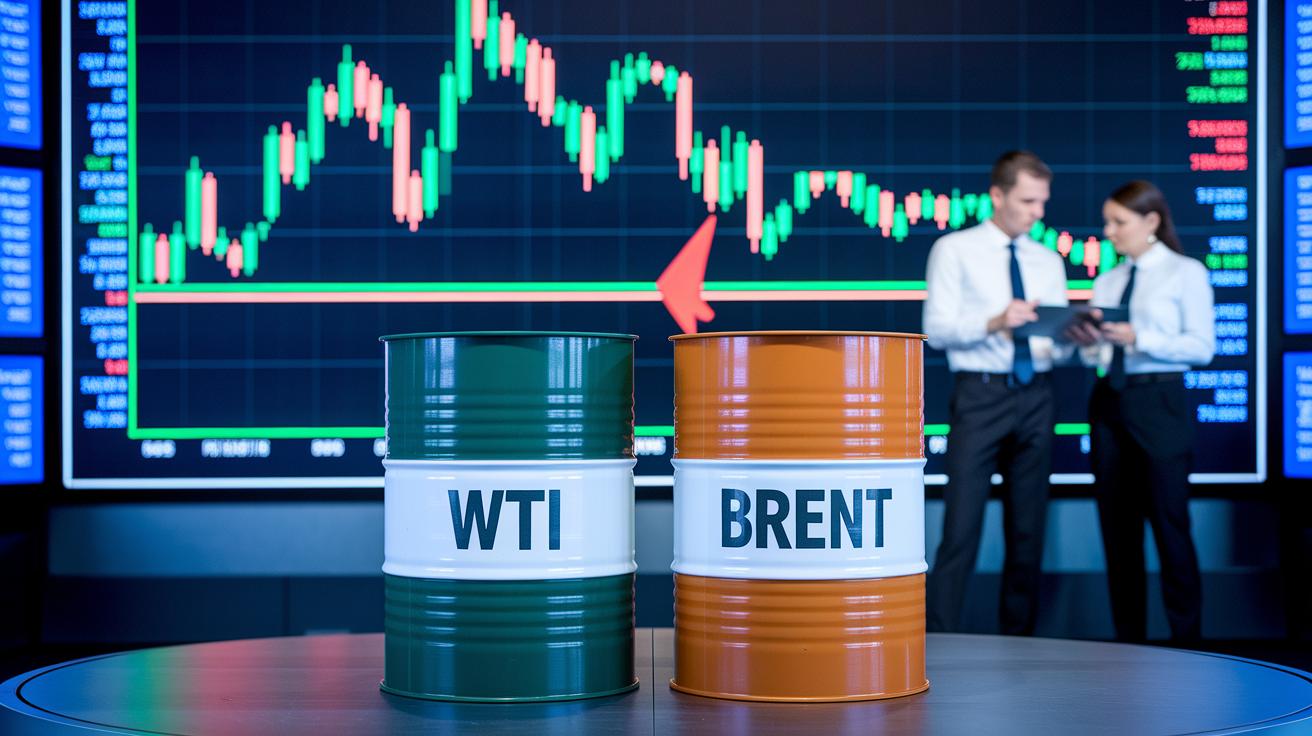
WTI and Brent are the main oil benchmarks. Traders watch the gap between them to see shifts in supply and demand. Recently, WTI has been a bit lower than Brent as production cuts and surpluses come into play. For example, Brent prices jumped 3% in one week due to a surge in demand. When the gap narrows, it shows a more balanced market. If the gap widens, uncertainty about supply grows. Historical charts back up that these spreads reflect market moods reliably.
Oil futures have seen quick price swings after severe weather and political tensions. Data shows US natural gas prices rallied 117%, which changed how oil is traded. Benchmark spreads widened as traders reacted to sudden supply stops and different demand in regions. For instance, one report noted that sudden inventory numbers made traders change prices by the hour. These spreads act as a real-time signal of market stress, leading to ongoing price changes and a dynamic trading scene.
Geopolitical Forces Shaping Oil News
US officials are reviewing ways to ease sanctions so that Venezuelan oil production can increase. Big companies like Shell and BP are asking for US licenses to run gas projects between Venezuela and Trinidad. One industry analyst said that gaining these licenses could reshape local energy plans, hinting at shifts in market dynamics. These policy moves might relax old restrictions and draw investment to a region long ignored under strict measures. This marks a turning point.
Russian crude oil is piling up offshore while India buys less. Indian refiners are getting only a little Venezuelan oil, which makes them rethink their supplier choices. One trader noted that the offshore buildup shows the market is adjusting, meaning trade flows are rapidly changing global supply. This shift in deliveries shows how political and economic changes can quickly affect energy trade. Market stability is still at risk.
In a high-profile case, a former oil minister who once led OPEC now faces trial in London on bribe charges tied to oil contracts. The trial has led many to scrutinize OPEC policies and contract practices more closely. Some observers warn that these legal challenges might spark broader reforms in oversight and transparency. The trial and ongoing policy changes are pushing regulators to review old procedures in an industry sensitive to political moves and market changes. Market players remain alert.
oil news: Bright Trends Energize Global Markets

A record cold snap sent US petroleum inventories plunging, sparking a swift market reaction. Nigeria’s Awodi-07 offshore well confirmed several productive zones, which could boost future output. In Kazakhstan, the Tengiz field is ready to resume normal production just days after a temporary disruption.
Canada is working to increase energy exports to India in a bid to ease supply pressures and open new trade routes. Petrobras is expanding its gas fleet to support domestic needs and help the shipbuilding sector. Australia and Timor-Leste are speeding up work on a major offshore gas project that may reshape regional energy supply.
These developments come as supply shifts remind us that weather and technical issues can change demand quickly. While short-term challenges remain, increased production and broader trade may energize global markets in the coming months.
| Region/Project | Development | Impact |
|---|---|---|
| US Petroleum Inventory | Fell sharply after a record cold snap | Raises market uncertainty |
| Nigeria’s Awodi-07 Offshore Well | Confirmed multiple productive zones | Boosts future offshore output |
| Kazakhstan’s Tengiz Field | Set to return to normal production after a drop | Helps stabilize regional supply |
| Canada’s Energy Exports | Aiming to increase exports to India | Diversifies trade and eases supply pressures |
| Petrobras Gas Fleet | Expanding fleet capacity | Supports domestic gas supply and shipbuilding |
| Australia & Timor-Leste Gas Project | Accelerating a major offshore project | Strengthens regional energy security |
Recent supply shifts show both immediate challenges and longer-term opportunities. Harsh weather can quickly reduce inventories, while new projects and export boosts offer hope for stable markets. Investors are watching these moves closely as they shape global energy trends.
Investment and Tech Advances in Oil News
India is setting its sights on long-term energy goals with plans to invest up to $100 billion in its oil and gas sectors. The focus is on opening new oil and gas fields and ramping up drilling efforts to lessen its dependence on imports. A recent briefing noted that India once struggled to secure enough resources, but now it is ready to invest billions to strengthen its future. This move shows strong confidence in changing the domestic energy landscape while drawing global investors to a fast-growing market.
New exploration successes have caught the eye of the world. Nigeria's National Petroleum Corporation and Chevron have identified promising zones at the Awodi-07 offshore well. They are using new methods like molecular fracing (a technique that improves oil flow by breaking down shale rock) to boost shale production. One investor compared the experience to uncovering hidden treasure, with each rock piece revealing extra value. These achievements highlight how improved drilling techniques are making oil extraction more efficient.
Automation is also reshaping offshore operations. Remote-controlled FPSOs (Floating Production, Storage, and Offloading units) mark early steps toward fully automated production at sea. Meanwhile, closed-loop automation now offers real-time control of operations. In Texas, an oil and gas company turned to DPS for temporary power for its Electric Submersible Pumps during a power outage. These tech upgrades streamline processes and reduce downtime, setting a new standard for the industry.
Forecasts and Sentiment in Oil News
Global oil demand is slowly bouncing back after the pandemic. India is pushing for cheaper LNG supplies as energy markets face new challenges. At the same time, China's growing electric truck market is beginning to rival LNG for heavy transport needs. Oil and gas news from 2025 show strong political moves that are changing energy policies. Lawmakers are even easing drilling limits by updating parts of the Endangered Species Act. In Louisiana and Texas, government-funded carbon capture projects have sparked local protests, deepening the debate over energy policy.
Investors remain split as new regulations and rising renewable energy sources shift market plans. Many are keeping a close eye on how these changes might affect the balance between fossil fuels and renewables. This tension is causing investors to reassess their portfolio risks. With government policies meeting aggressive market trends, traders and long-term stakeholders are watching for signs that could point to a lasting change in commodity flows and the economy.
Final Words
In the action, oil markets have reacted to volatile weather patterns, political moves, and shifting supply figures. Key events ranged from crude rallies spurred by weather disruptions to evolving global investment trends and tech advances. Recent oil news shows how price benchmarks like WTI and Brent reflect current market signals. Forecasts point to mixed sentiment as the market adapts to new supply data, geopolitical twists, and investment shifts. Stay informed as oil news continues to offer insights for upcoming shifts.
FAQ
Oil price news
The oil price news covers current changes in global benchmarks and trends. It reports on volatility driven by supply shifts and geopolitical events that impact market sentiment.
What does crude oil news today and live report?
The crude oil news today provides real-time updates on market movements, production statistics, and disruptions that affect global supply–demand balances and industry forecasts.
How does world oil news, including Reuters and Brent updates, inform readers?
World oil news aggregates reports from trusted sources like Reuters and Brent. It highlights key pricing trends, production changes, and market reactions to geopolitical and economic events.
What is covered under OPEC+ oil news?
OPEC+ oil news focuses on decisions by member nations regarding production levels and output policies. These updates influence global market trends and help set future price expectations.
Is oil expected to go up or down?
Oil market expectations depend on shifting supply–demand balances, geopolitical tensions, and economic trends. Market analysts predict fluctuations as these factors continue to evolve globally.
What happens if oil hits $200 a barrel?
Hitting $200 a barrel would significantly impact production costs, consumer prices, and investment strategies. It would likely prompt policy shifts and adjustments in global energy markets.
Why is the oil price falling?
Oil prices are falling when supply exceeds demand, often due to production increases or shifts in economic conditions. This trend can also result from rapid market adjustments to unexpected events.
What’s going on with the oil industry?
The oil industry is experiencing rapid changes from new investment trends, technological advances, and geopolitical influences. These factors drive evolving production strategies and market dynamics.