
Ever wonder if a few small tweaks in strategy could change the outcome of an election? Running a campaign isn’t only about loud speeches and rallies, it’s about making smart, fast moves. With solid planning and rapid decisions, candidates can boost their team's energy and connect closely with voters.
This guide covers key tactics such as focused messaging, careful resource planning (organizing funds and time), and quick responses to new challenges. These steps can improve fundraising and get more voters to the polls. In today's political climate, fresh, nimble approaches can truly set a campaign on the path to success.
Key Strategies for a Successful Political Campaign
More than 4000 campaign studies show that winning depends on planning 20% of the work and executing 80% of it. Early preparation helps set clear goals and gathers key resources. This groundwork lets teams handle tough election tactics and make each move count.
A review of many winning campaigns reveals seven main pillars for success. These pillars range from careful planning to quick fixes when problems pop up. Candidates who build a strong team early and use data smartly gain a clear edge. They build momentum by crafting clear messages and reaching voters through both old-school and online channels.
- Campaign planning and forecasting
- Voter targeting and persuasion studies
- Messaging development and branding
- Fundraising and finance management
- Grassroots organizing and volunteer mobilization
- Digital promotion with programmatic ads
- Crisis response and rapid reaction teams
When these strategies come together, campaigns see real improvements in voter turnout and fundraising. Clear planning paired with dynamic action makes a political campaign more successful.
Detailed Planning and Organization in a Political Campaign

Every winning campaign begins by setting a clear purpose. It starts with reviewing the ballot rules and studying current office holders. When candidates explain what they believe in and identify their rivals, they also set clear vote goals. Checking ballot rules and looking into incumbents’ records help form smart plans and focus efforts on key areas.
Building Your Campaign Team
A strong team is a must for any campaign. Appoint a campaign manager to guide overall strategy, a finance director to handle fundraising, a field director to manage on-site activities, a digital coordinator to run your online efforts, and volunteer leaders to run recruitment and training. Every role plays a key part in keeping the campaign on track.
Crafting Your Campaign Toolkit
Put together a toolkit that includes a clear timeline, a content calendar, fundraising milestones, and a plan for using your resources. This toolkit serves as a guide for scheduling events and messages while keeping track of funds and other assets. It also helps set clear goals to measure progress throughout the campaign.
Data and Volunteer Management
Using customer relationship management (CRM) tools makes signing up volunteers and assigning door-knocking tasks easier. These tools sort voter lists and monitor field work in real time, so you can adjust plans quickly during events. Good data management turns raw numbers into useful insights that boost volunteer work and on-ground coordination. Combining digital tools with real-time updates improves decision-making and keeps the campaign efforts unified.
Messaging, Branding, and Candidate Positioning in a Political Campaign
A campaign wins when it speaks directly to voters' needs and values. Your message should match your candidate’s policy plans and clearly explain how these plans benefit voters. Start by choosing the issues that matter most to people. This careful approach ties past successes to future goals, making the candidate feel real and trustworthy.
Crafting Your Core Message
Begin with simple research such as focus groups and surveys to learn what voters care about. Use clear, direct words to discuss each key issue. Try different ways of telling the story to see which one best connects with voters. For example, emphasizing improvements in community resources can turn a hard-to-understand policy into a simple idea.
Slogan and Branding Development
Create several slogan ideas and test them to see which one the public likes best. Make sure that your final slogan and the visual style match across all materials, like flyers, yard signs, and merchandise. A steady and consistent brand helps voters recognize the message quickly.
Speechwriting and Debate Preparation
Work with skilled speechwriters to build clear and powerful speeches. Prepare well for debates by practicing quick responses and having fact sheets ready. This approach makes sure the candidate can keep the message focused, even under pressure.
Digital Promotion and Online Tactics for a Political Campaign

Modern political campaigns use online outreach to connect with a wide group of voters fast. Digital channels help campaigns cut delays and speak directly to voters. Programmatic advertising lets teams launch ads quickly while forecasting budgets and targeting voters by location and IP address. Tactics include pinpointing key regions for custom messages, using lookalike audiences (groups that resemble current supporters), running contextual ads on relevant topics, and retargeting voters who have shown prior interest.
Social media now forms the backbone of digital promotion. Platforms like Facebook, Twitter, Instagram, and TikTok let campaigns interact with voters in many ways. A content calendar keeps posts, livestreams, and influencer partnerships on track, ensuring a clear and steady message. Engagement data shows which messages work best and helps teams adjust their tactics. Email and text messaging provide a direct line to donors and volunteers, keeping them updated on events and fundraising plans.
Website and Online Fundraising Tools
Campaign websites must be user friendly and work well on mobile devices. They should include donation forms integrated right into the experience to make contributing simple. Multimedia content, like videos of rallies and campaign highlights, boosts engagement. Focusing on user experience ensures that navigation is smooth and content stays accessible on any device. An online fundraising toolkit ties volunteer sign-ups and event registrations together in one streamlined process.
Data analytics dashboards let campaigns monitor performance live. These tools track key indicators such as persuasion lift (the boost in voter opinion) and donor engagement trends, which helps teams refine their approach. With ongoing tweaks, digital strategies lead directly to measurable gains in voter reach and fundraising success.
Fundraising Strategies and Compliance in a Political Campaign
A strong campaign needs steady fundraising and clear goals. Successful teams start early by mixing small donations from everyday supporters with visits from big donors. Retail events, donor dinners, and online peer-to-peer campaigns all help hit money targets step by step. A solid finance plan with clear benchmarks keeps everyone focused while following the rules set by laws and the FEC.
Using smart finance tools makes the job easier. Campaign finance software checks for rule violations and helps forecast funds. It tracks every donation and makes sure no legal limits are exceeded. The software also creates reports that help teams plan for future needs. By combining varied fundraising efforts with strict rule-following, campaigns raise money well and stay transparent. This balanced approach manages donations and cuts risks of rule-breaking, keeping the campaign within legal bounds.
Field Operations and Grassroots Organizing in a Political Campaign
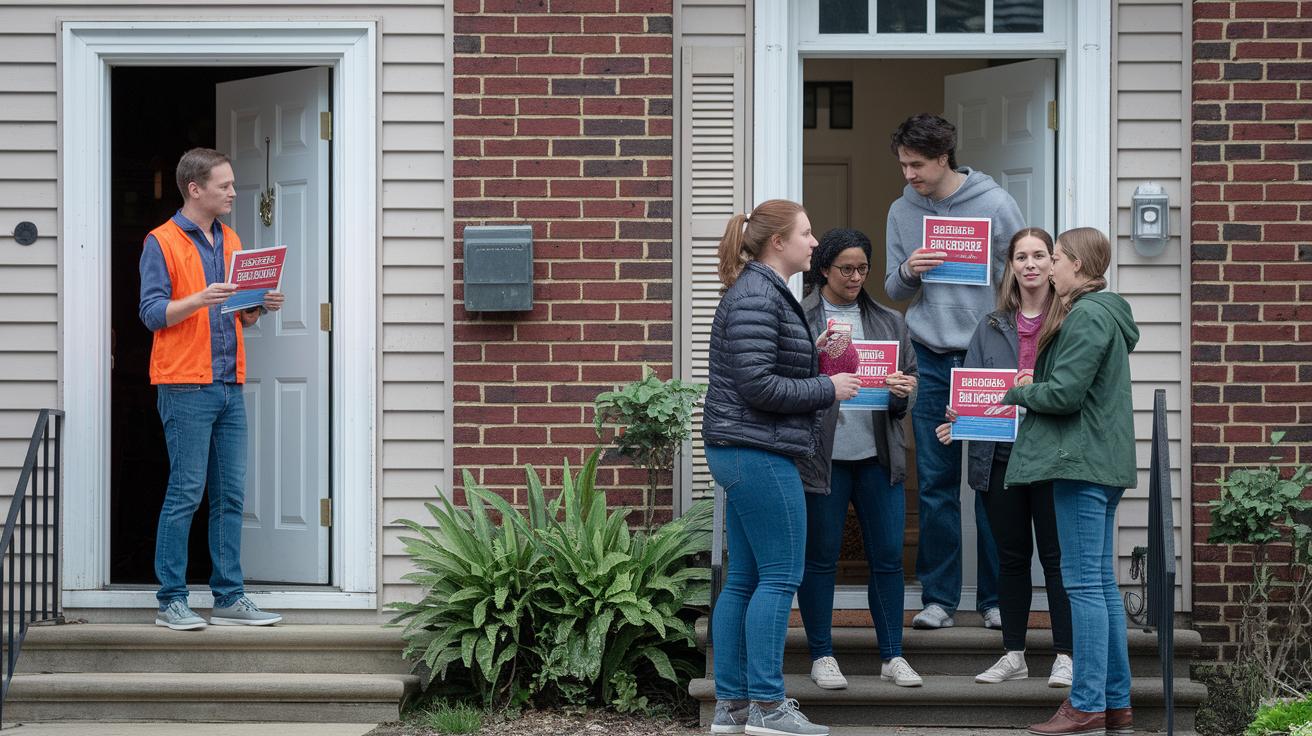
Grassroots work brings candidates right into local neighborhoods. Door-to-door canvassing, neighborhood events, and voter registration drives build real connections with voters. Campaigns use many ways to reach potential supporters and then train them with well-organized sessions. They also set up plans to keep volunteers active over time. Teams split their work between persuading those who are undecided and making sure supporters vote on election day. Rallies, phone banks, and local forums create chances for personal contact while reinforcing the candidate’s message.
Technology in Field Operations
Mobile canvassing tools make field work run smoother. Apps with GPS help volunteers cover more ground quickly. They collect data offline and update dashboards as soon as a connection is available again. Mapping features let managers review how well volunteers are doing and assign tasks smartly. Live reporting means teams can adjust tactics on the fly during door-to-door visits or at busy community spots. Combining traditional organizing with these modern tools helps campaigns boost voter turnout and sharpen their overall impact.
Media Relations and Crisis Management in a Political Campaign
Candidates need a media plan that includes press lists, message templates, and set briefings. They build ties with local press by using press releases, advisories, and one-on-one meetings to get steady coverage. Regular briefings keep the campaign story in sync with current events and highlight the candidate's views. This preparation helps shape public opinion and quickly fix new issues.
Setting Up a Rapid Response Team
A rapid response team is key to fighting negative news and false information. This team has a spokesperson (the official voice), a fact-checker (someone who checks facts), and a social media monitor (one who tracks online talk). Set up clear steps for writing responses, getting approvals, and posting updates quickly. These actions cut down the impact of false reports and keep voters' trust.
Public Speaking and Debate Coaching
Good public speaking coaching boosts a candidate's performance in interviews and debates. Drills, practice debates, and simulated interviews with message cards help them get ready. These exercises sharpen their responses and make key points stand out. By practicing under pressure, candidates can stay clear and calm, ensuring their talks always show the campaign's strengths.
Case Studies and Lessons from Successful Political Campaigns
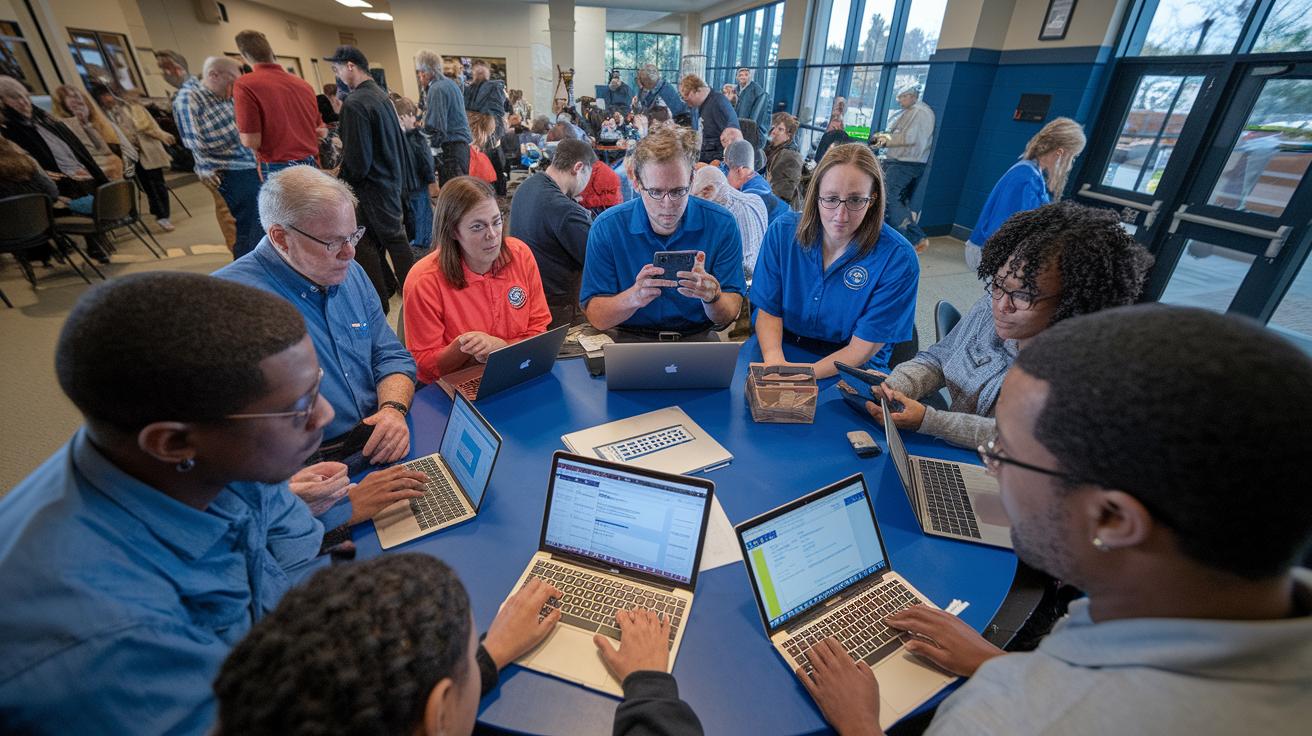
Real-world examples show that focusing on data, digital outreach, and community ties can change the game in elections. In 2008, Barack Obama used data targeting and grassroots digital networks to raise $750M and add 1.5M new voters. In 2016, Donald Trump used active social media engagement to adjust his message on the fly, reaching more voters and energizing his base. Then in 2018, Alexandria Ocasio-Cortez relied on small-dollar donations and strong community organizing to flip a primary.
| Campaign | Year | Key Strategy | Outcome Metrics |
|---|---|---|---|
| Barack Obama | 2008 | Data targeting and grassroots digital networks | $750M raised; 1.5M new voters |
| Donald Trump | 2016 | Real-time social media engagement | 63M votes; viral reach |
| Alexandria Ocasio-Cortez | 2018 | Small-dollar fundraising and community organizing | 15k donors; 57% primary win |
Integrated planning, agile messaging, and a smooth blend of online and traditional outreach were key to these victories. They used data and quick adjustments to reach swing voters while keeping a clear message. These efforts prove that careful planning paired with fast execution not only meets campaign goals but also sets a strong example for future contests.
Final Words
In the action, we covered how planning shapes execution in a political campaign. We broke down key strategies like team-building, voter targeting, clear messaging, and digital promotion. Each section offered clear steps to transform planning into measurable results. The outline also showed how technology and grassroots efforts unite to boost campaign performance. This guide empowers campaign teams to take decisive action in a complex field while achieving positive outcomes. With these insights, campaign teams can move forward confidently and smartly.
FAQ
What are some political campaigns examples?
Political campaigns examples illustrate methods like targeted messaging, grassroots organizing, digital outreach, and crisis management. They showcase how clear messaging and robust planning drive voter engagement and measurable campaign outcomes.
What are political campaign ideas?
Political campaign ideas include creative approaches such as engaging messaging, unique visual branding, community mobilization, and digital outreach. These ideas help connect with voters and differentiate candidates during competitive contests.
What does political campaign Balenciaga refer to?
Political campaign Balenciaga refers to the use of high-fashion aesthetics and modern design elements in campaign visuals. This style approach can help create a distinctive and memorable candidate image.
What is the purpose of a political campaign poster?
A political campaign poster communicates a candidate’s image, key messages, and values visually. It is designed to capture attention, build brand identity, and connect emotionally with voters at a glance.
What are political campaign strategies and can you give examples?
Political campaign strategies encompass early team building, data-driven voter targeting, clear messaging, and rapid crisis response. Examples include using digital promotion tactics, diversified fundraising, and grassroots mobilization to drive results.
What role does a political campaign manager play?
A political campaign manager directs daily operations, coordinates strategy, and oversees messaging, team activities, and resource allocation. Their role is to ensure that planning and execution align to meet campaign objectives.
What is a synonym for political campaign?
A synonym for political campaign is electoral contest. This term describes the organized efforts to win office by engaging and persuading voters through coordinated strategy and communication.