
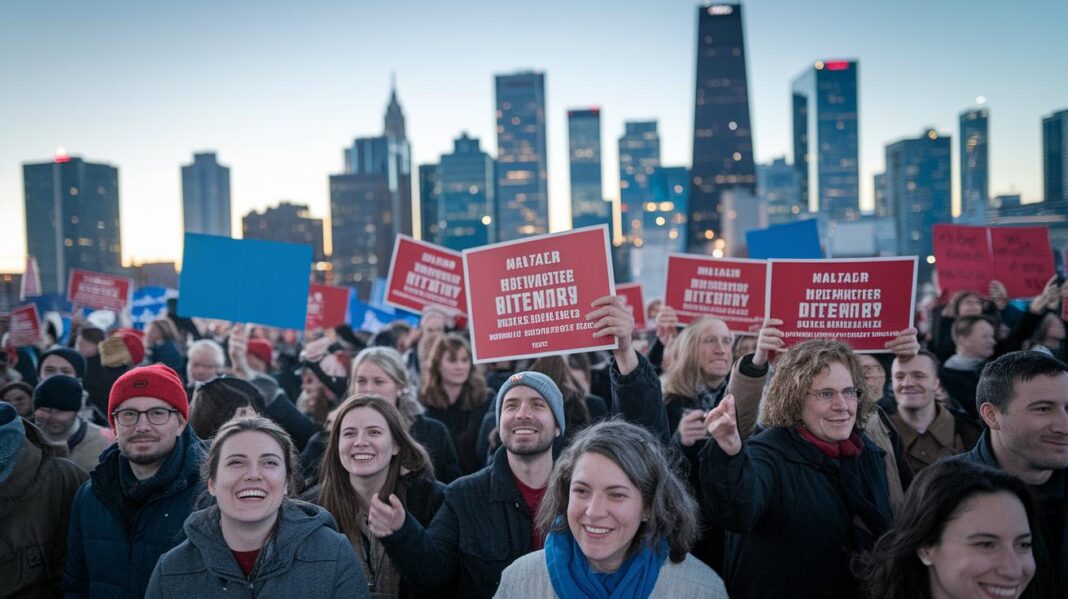
Today, many voters are shifting their loyalties. This change shakes up old alliances and brings new energy to political parties. We call this move political realignment (a change in how people vote). Fresh groups now challenge old loyalties, making voting a lively contest of ideas. This clear shift in party strength could change how governments work and how policies are formed. In this article, we explain how these changes affect political stability and why they matter.
Understanding Political Realignment in Contemporary Politics

Political realignment means that the balance of power between parties shifts for a long time. This change can alter who votes for which party and force parties to rethink their strategies over several elections. It shakes up the usual order when old alliances fall apart and new ideas take hold. For example, in one election cycle, a sudden change in voter behavior might overturn decades of tradition, showing a clear turning point in how people vote. This matters because it can change how stable governments are and affect policy decisions worldwide.
Around the world, we see realignment in action. Centre-left parties are losing votes, while traditional centre-right parties are also weakening. New groups are stepping into the spotlight. Look at parties like Rassemblement National in France, the AfD in Germany, and Sweden Democrats in Sweden. On the left, groups like Spain's Podemos and the protest vote seen during the UK's Brexit referendum are examples too.
Key signs of political realignment include:
| Characteristic | Description |
|---|---|
| Sustained voter-coalition change | A long-term shift in the groups that support each party |
| Party system breakdown | When traditional party structures no longer hold strong |
| New ideological boundaries | New political views and lines dividing parties |
| Emergent factional forces | New groups within parties challenging old ideas |
| Contingency on multiple election cycles | Changes that develop over several elections |
Watching these shifts helps us understand how voter loyalties change when old systems lose their power. The rise of populist parties and the move toward more extreme views, as seen in the US with Donald Trump's election and the more radical elements within the Democratic Party, mark a key turning point in elections worldwide. Political realignment not only changes what parties stand for but also sets up new debates about future policies and governance.
Historical Party Overhaul: US Critical Election Turning Points
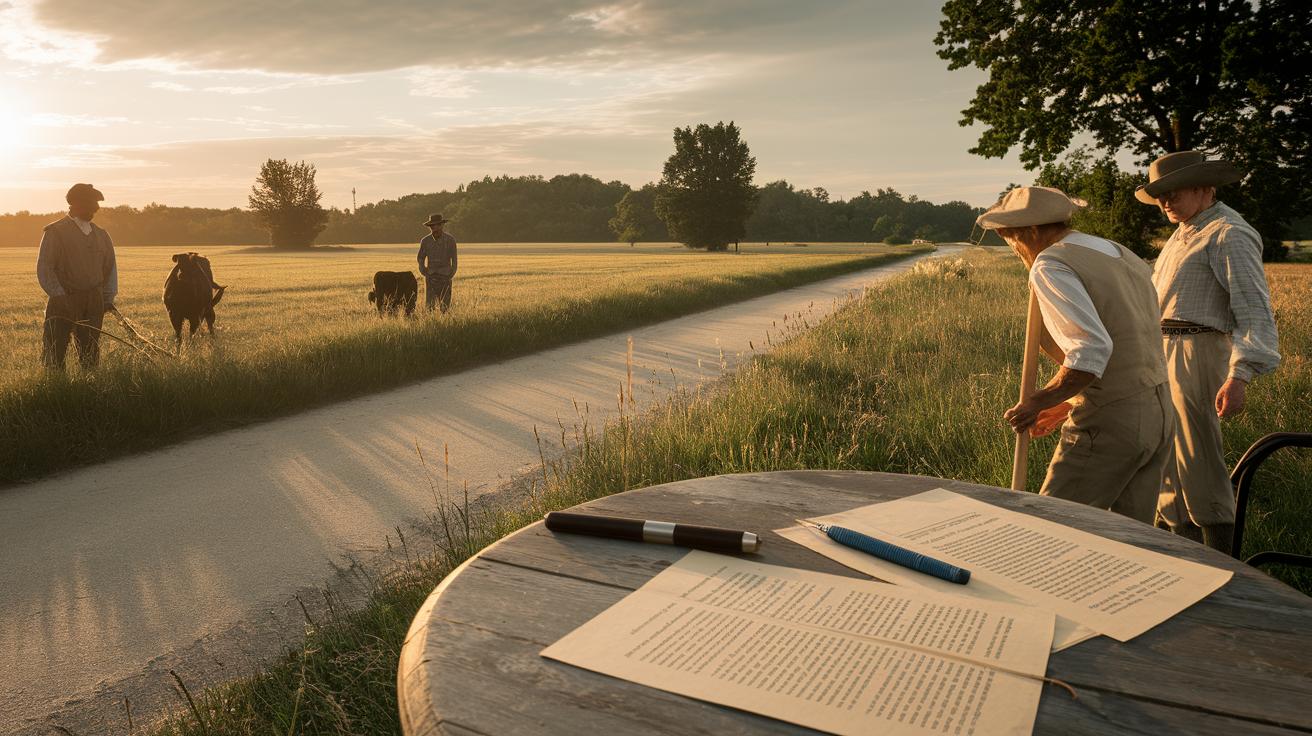
US politics have experienced major shifts during elections that have redrawn party loyalties for decades. These turning points came from changes in voter groups and new alliances that reshaped the nation's political map. Fresh ideas and partnerships sparked these changes. For example, in 1800, Jefferson's rise changed how power was shared, setting a pattern for the future.
| Election Year | Key Change | New Coalition |
|---|---|---|
| 1800 | Jefferson’s Republican rise | Farmers and frontier voters |
| 1828 | Expansion of voting rights under Jackson | Working-class and rural voters |
| 1860 | GOP dominance in the lead-up to the Civil War | Anti-slavery and Northern industrial supporters |
| 1932 | New Deal coalition with FDR | Urban workers, minorities, and intellectuals |
| 1968 | Southern conservative shift | White Southern and suburban voters |
These key elections not only redrew political boundaries, they also shaped policy debates for years. The 1800 election moved power from traditional elites to a broader base, promoting more democratic values. In 1828, expanding the right to vote brought new groups into politics and helped democracy grow. The 1860 race, linked to rising tensions before the Civil War, built an alliance that influenced national debates for a long time. During the Great Depression, FDR’s New Deal in 1932 showed how government policies could unite different social groups during hard times. The 1968 shift in Southern politics later changed conservative strategies in both local and national races. Even in the 1990s, a labor and Latino alliance in California turned a balanced state into a Democratic stronghold, showing that political realignment is a process that continues to evolve with changing voter identities and values.
Voter Coalition Reordering & Demographic Shifts Driving Realignment

Voter demographics are shifting party coalitions and creating long-lasting changes in loyalty. In the 1990s, many Latino voters in California switched to the Democratic side after Republicans pushed strict immigration policies. Labor groups joined the effort, helping to build a strong, lasting alliance.
Across the nation, similar trends are clear. Cities are growing, education levels vary, and racial and ethnic groups are changing. These shifts are lasting forces that push parties to rethink their plans to connect with new voters. Key factors include:
- Age groups
- Growing ethnic and racial diversity
- Higher levels of education
- Moves between urban and suburban areas
These drivers do more than just change voter counts. They shape party stories and make established groups update their platforms to meet diverse needs. The changes seen in California in the 1990s are part of a broader trend where steady shifts in demographics lead to new alliances and voting patterns. Parties that adjust to these changes are likely to gain new momentum in future elections.
Global Electoral Upheaval: The Rise of Insurgent Forces
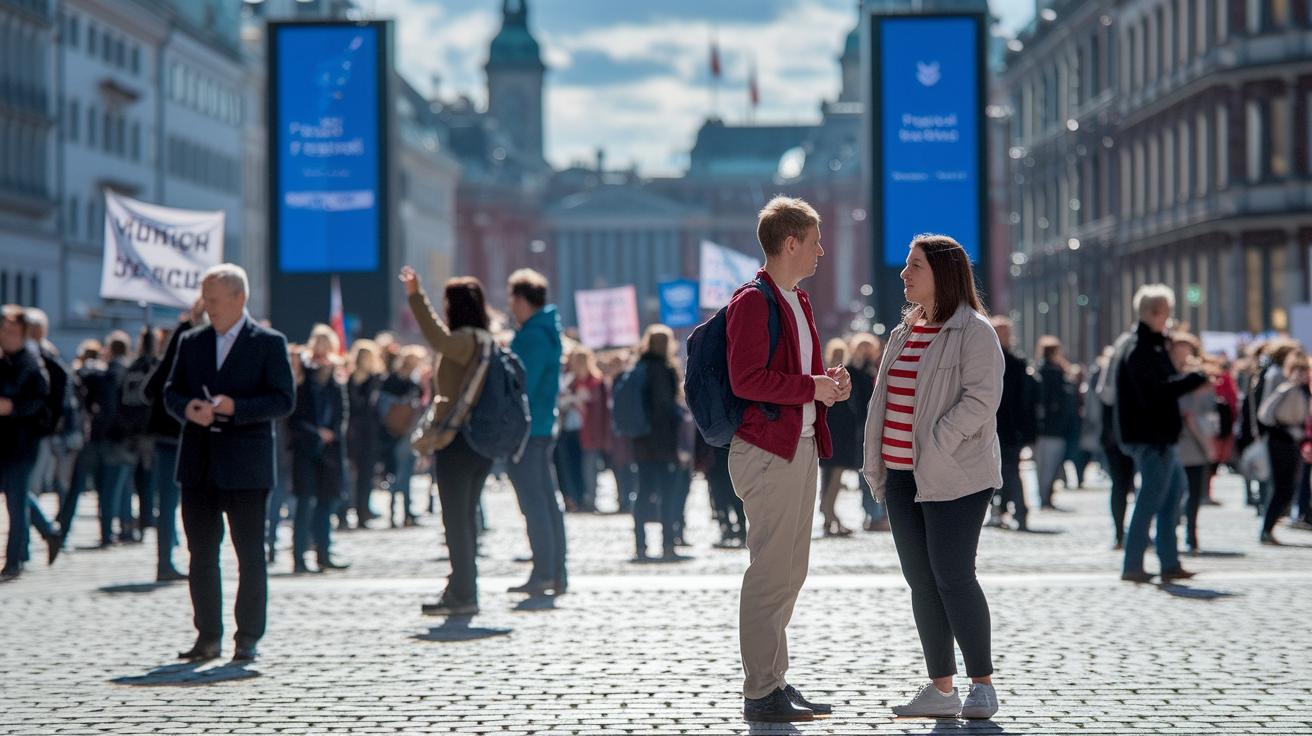
Across Europe, economic shifts and faster digital communication are reshaping politics. Voters are losing trust in established parties because job losses, automation, and online debates stir new feelings. In one key region, nearly one in three voters turned away from old parties to try fresh, insurgent options.
On the left, everyday people are pushing for more accountability. Grassroots groups are challenging old power structures by using local networks and digital tools. They respond to rising inequality and call for clear, honest governance that differs from traditional politics.
In the Anglo-American world, protest votes show deep dissatisfaction with longstanding policies. Recent elections and referendums reveal this shift. Voters now back alternatives that they believe will better handle economic and social issues. Digital platforms help these voices grow, fueling change and drawing attention to new political ideas.
Political realignment Sparks Fresh Party Momentum
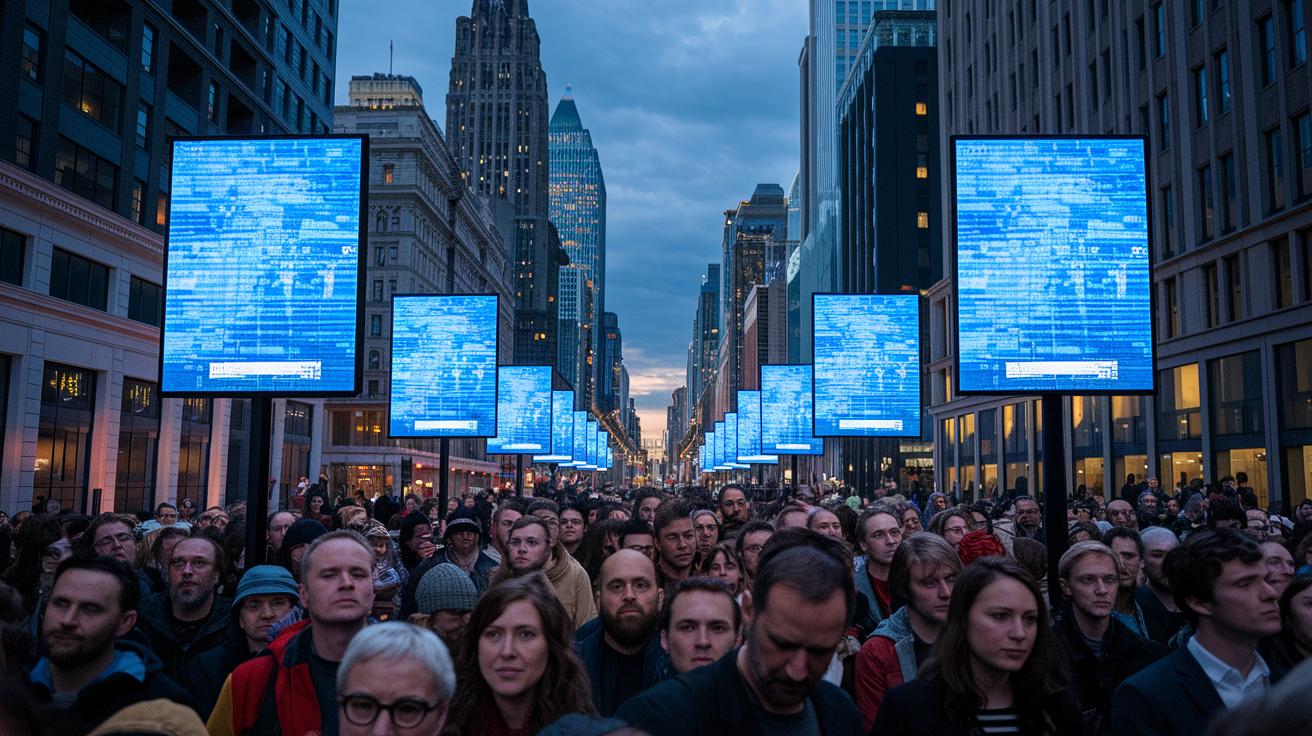
Internal and external forces are rapidly reshaping the party system. Many citizens are feeling strained by rising income gaps and day-to-day financial pressures. A backlash against fast social changes is also stirring frustration by challenging values that once held voters together. Poor choices on immigration and the spread of information silos are weakening long-standing party ties. These pressures push parties to revise their platforms and policies. Key drivers of this shift include:
- Economic inequality
- Cultural backlash
- Policy missteps
- Information silos
These issues damage traditional political bonds, forcing parties to adopt new strategies to regain support.
Across the political landscape, gridlock is on the rise as lawmakers struggle to find common ground. This stalemate leads to sudden policy changes that leave voters unsure about what comes next. At the same time, weakened mainstream parties are giving way to fresh voices that challenge the old order. As these emerging groups try new approaches to meet evolving voter needs, established leaders must rethink their strategies. The ongoing realignment is thus reshaping national debates and the competitiveness of elections.
Future Implications & Reformative Election Dynamics of Political Realignment
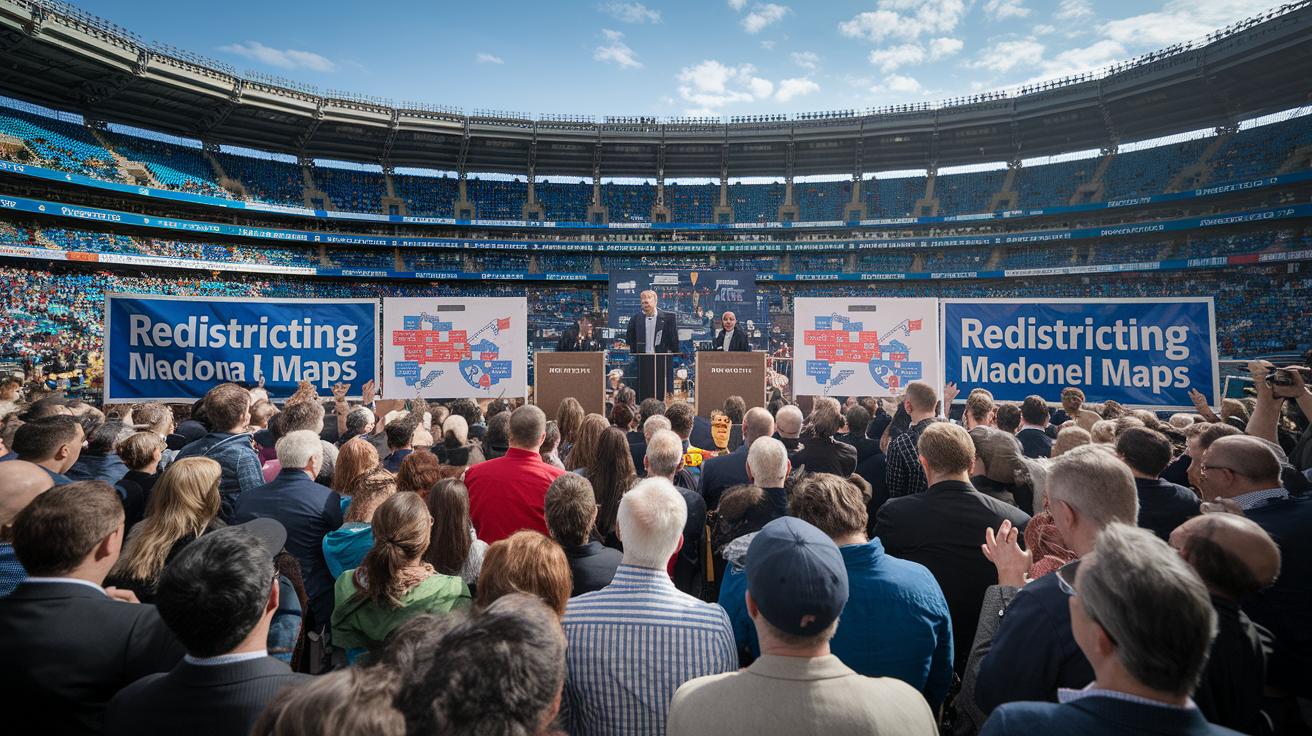
Political shifts in the country could change party alignments for many years. Elections will test if new voting habits stick. Experts say true change happens only when groups keep backing new choices over several polls. Social media and battles over redistricting are forcing parties to update their plans. Yet, if old support returns in key areas, the changes may go back to how things were.
Election reforms may spark strong debates over voting laws and district mapping. New groups are growing and contests are now shaped by digital work and local community efforts. Parties that try fresh campaign ideas might build lasting support, while those using old tactics risk falling behind. These reforms could quickly change ballots and laws, making upcoming elections a real test of whether today's shifts will last or if old voting habits will win out.
Final Words
in the action, the article broke down how shifts in voter alignments and demographic changes have reshaped party loyalties over time. It covered key historic turning points in the US alongside recent global examples of electoral change. The discussion also explained the causes and consequences of these shifts and hinted at reformative election dynamics on the horizon. Observing political realignment in this light helps us grasp its impact on governance and markets, offering a clear view for planning ahead with renewed confidence.
FAQ
Q: What does Political realignment 1964 mean?
A: The term Political realignment 1964 means a major change in voter loyalties driven by key issues such as civil rights and social transformation, reshaping regional party support.
Q: What is Political realignment in the 1960s?
A: Political realignment in the 1960s means that party loyalties shifted significantly as liberals and conservatives redefined their positions amid social and legislative changes.
Q: What is an example of party realignment?
A: A party realignment example is the 1968 election, where traditional party bases shifted: Southern voters increasingly supported conservative candidates, marking a lasting change in political coalitions.
Q: What does America political realignment refer to?
A: America political realignment refers to the ongoing process where voter groups and party loyalties shift over time due to changing cultural, economic, and social factors that alter political dynamics.
Q: What is the AP Gov definition of political realignment?
A: Political realignment in AP Gov is defined as a lasting shift in voter coalitions and party loyalty that often follows major societal or political events and is reflected through successive elections.
Q: What is secular realignment?
A: Secular realignment means long-term political shifts driven by non-religious factors such as cultural change, economic trends, and evolving public values, altering typical party support patterns.
Q: What were the political realignments in the 1960s among liberals and conservatives?
A: These political realignments mean that during the 1960s, shifts occurred when liberals and conservatives redefined their ideologies amid social and legislative changes, resulting in new regional and demographic party bases.