
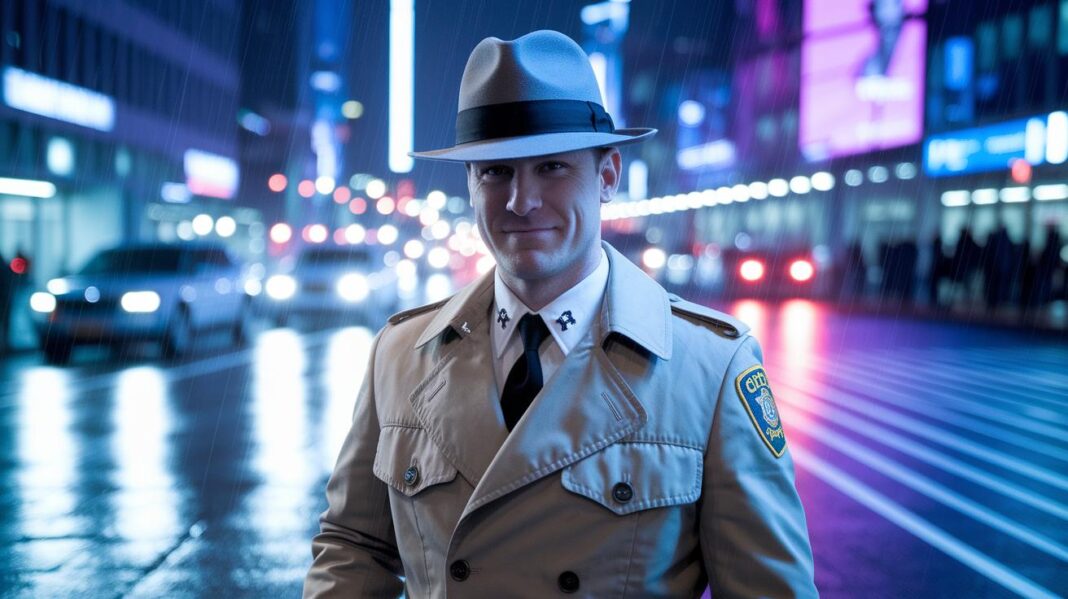
Ever wondered how officers live double lives on New York City’s toughest streets? Undercover cops work among us and face danger every day on busy subways and sidewalks. They risk everything to stop crimes and keep our communities safe. Their experiences show moments that blur the line between protection and peril. This article looks at the roles, risks, and unexpected police stories that make undercover work in New York City both impressive and essential to our safety.
Undercover Cop NYC: Roles, Risks, and Real-Life Accounts
NYC undercover officers face dangerous tasks that test both their bodies and minds. They work in plain clothes to blend in with everyday people while searching for criminal groups, all at great personal risk.
These officers handle crimes ranging from subway pickpocketing to violent street offenses. They often have to act fast, balancing their own safety with the need to gather key information.
Their work includes:
- Infiltrating subway pickpocket rings
- Watching street-level drug deals
- Joining activist and radical groups to collect intelligence
- Conducting undercover surveillance at major events like those at Times Square
- Managing covert assignments in witness protection
Recent NYPD figures show how risky these jobs are. For example, the subway pickpocket unit stopped 559 grand larcenies, a small drop from last year. However, grand larceny arrests rose by 188 cases, about a 25% increase year-over-year. These numbers prove the real impact of undercover work on public safety. One officer described how a quiet subway ride suddenly turned into a swift arrest when a suspect tried to flee with stolen cash. Accounts like this show the fine line between keeping neighborhoods safe and the high risks these officers take.
Evolution of Undercover Cop NYC: History and Tactics

In mid-20th century New York, undercover work began on the streets. Officers blended with everyday people to learn about street gangs. They tailed suspects on foot and listened to conversations using old methods. Before modern gear, officers risked their lives on crowded streets armed only with a keen eye and a sharp ear.
Over the years, their methods changed a lot. Officers moved from simply following suspects and using basic wiretaps to using digital surveillance and GPS tracking (tech that shows a suspect's location in real time). One officer noted that GPS tracking helped them pinpoint a suspect immediately. Now, teams use encrypted communication, tiny body-cams, and data tools to connect clues and cut personal risk. These new tools help officers cover more ground and act faster, blending old practices with modern systems.
Mentorship programs began after the Serpico era to guide new undercover recruits. Seasoned officers shared lessons from dangerous operations such as infiltrating radical groups. They stressed the need to balance street smarts with modern tech skills. Today, training mixes classic tactics with digital tools to help officers meet the tough challenges of undercover work in a busy city.
High-Profile Undercover Cop NYC Case Studies
NYC police run many secret operations. In our Undercover Cop NYC: Roles, Risks, and Real-Life Accounts section, two cases stand out. The subway pickpocket sting led to 559 larceny reports and 188 arrests. It shows how officers must think and act quickly in crowded spaces. One officer said, "Staying hidden is as crucial as making the arrest." This remark sums up the need to balance secrecy with fast action. In another case, Black officers infiltrated radical groups. This effort used careful planning and modern communication tools to keep their cover.
| Case Study | Year | Outcome |
|---|---|---|
| Subway Pickpocket Sting | 2024 | 559 larceny reports; 188 arrests (25% rise) |
| Radical Group Infiltration | 2022 | Undercover identities preserved; 12 arrests |
These cases add clear examples to our overall review of undercover work. New training in digital surveillance and secret communication helps prepare officers for similar challenges while keeping them safe and effective.
Undercover Cop NYC: TV and Media Portrayals
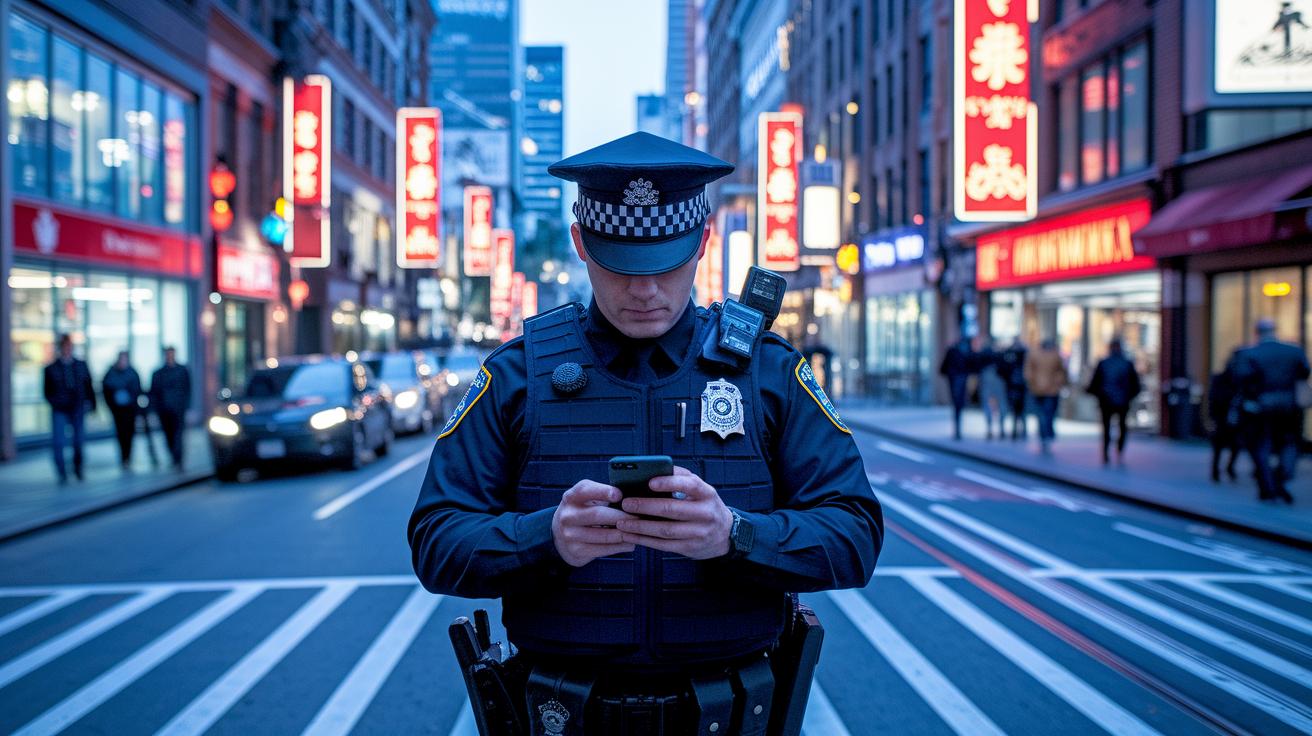
TV shows like NYPD Blue and Blue Bloods have shaped how many view New York police work. They show officers on high-risk missions with tense wiretap reveals and daring undercover scenes. For example, many people did not know that watching TV changed how we see the quiet watchfulness needed on the streets.
Television often paints a picture of undercover agents blending into areas like Chinatown, Harlem, or Wall Street. On screen, these characters use high-tech gadgets and perfect disguises to catch criminals. In real life, undercover officers dress in plain clothes, use secure phones, and depend on common sense to stay safe. Their work is based on careful watching and low-key exchanges rather than big, dramatic stunts. Real operations come down to sharing key information among team members, not the exact moves scripted for drama.
Fans often debate on social media whether TV shows capture real undercover work. Some say the shows get the feel of secret missions, while others point out that the real challenges officers face are much tougher than what makes for good TV. One surprising note from viewers was, "The real heroes work in silence, not on the small screen."
Legal and Ethical Dimensions of Undercover Cop NYC Operations
Courts often review long undercover assignments because of the risk of entrapment (illegal pressure to commit a crime). If officers push a suspect too far, it can harm the suspect's legal rights. In some past cases, undercover work was questioned when officers seemed to encourage crimes rather than just observe. This has made judges demand clear proof that suspects were not unduly influenced to break the law.
In 2021, the NYPD introduced new rules that tighten oversight. These new measures limit how long an officer can work undercover and require regular mental health checkups.
Community leaders and civil-liberty groups say strong oversight is essential. They warn that without strict checks, undercover operations might hurt public trust and violate individual rights. They are calling for more transparency in secret work and careful monitoring of undercover actions to prevent legal problems. These clear rules help protect the community and keep law enforcement practices both legal and ethical.
Modern Surveillance and Tech in Undercover Cop NYC Work

The NYPD Real Time Crime Center is a digital hub that sends live camera feeds and real-time data to undercover teams. This setup helps officers spot threats and act fast in the field.
Officers use new technology to keep their communications safe and document their work. They use encrypted push-to-talk radios (devices that send coded messages so others cannot read them) to secure exchanges. They also wear tiny body-cams that record discreetly without being noticed. AI face-recognition tools quickly compare suspect images with those in databases, which speeds up investigations. This mix of small cameras, secure radios, and digital tools combines classic undercover methods with modern tech, boosting the success of covert operations in a busy urban setting.
Soon, tiny drones may join the team. These micro-surveillance drones promise even more discreet data collection and live monitoring. They set the stage for an undercover law enforcement approach that leans more on technology in New York City.
Final Words
In the action, this article detailed what an undercover cop nyc does in New York. It broke down the roles, risks, and modern tactics used by covert officers, from subway operations to tech and legal updates.
Real-life case studies and media portrayals provided concrete examples and statistics to guide understanding. The piece shows how evolving methods keep public safety on track. Efforts to refine undercover work continue to benefit communities and inspire a safer future.
FAQ
Undercover cop nyc Hennessy
The reference to undercover cop NYC Hennessy hints at a meme or online content that uses the Hennessy brand to add a pop-culture twist to covert police operations in New York City.
Undercover cop nyc tiktok
The reference to undercover cop NYC on TikTok points to short video clips that often mix dramatized undercover work with trending social media content, sparking online discussion about law enforcement in the city.
Undercover cop New York City Meme
The New York City meme featuring an undercover cop uses humor and exaggeration to highlight and sometimes question the portrayal of covert police work in urban settings, blending reality with satire.
EditionByMisha
The EditionByMisha mention refers to content curated or produced by Misha that discusses or showcases aspects of undercover work in NYC, offering insights that mix real accounts with creative storytelling.
Does NYC have undercover cops?
The fact is that NYC does have undercover cops. They work on various covert operations like sting missions, surveillance, and investigations to address crimes such as theft and narcotics.
What happened to detective Torres from New York Undercover?
The case of detective Torres from New York Undercover shows he faced career challenges; after controversy surrounding his role, his assignment ended, and many details remain within internal NYPD channels.
How do I know if it’s an undercover cop?
The answer is that identifying an undercover cop is tricky. They often blend in by using unorthodox attire and discreet methods, making their presence noticeable only through subtle, professional behaviors.
Are undercover cops still a thing?
The answer is yes, undercover cops remain an active part of urban policing. They conduct covert surveillance and targeted operations, using modern tools to tackle street crimes and organized theft.