
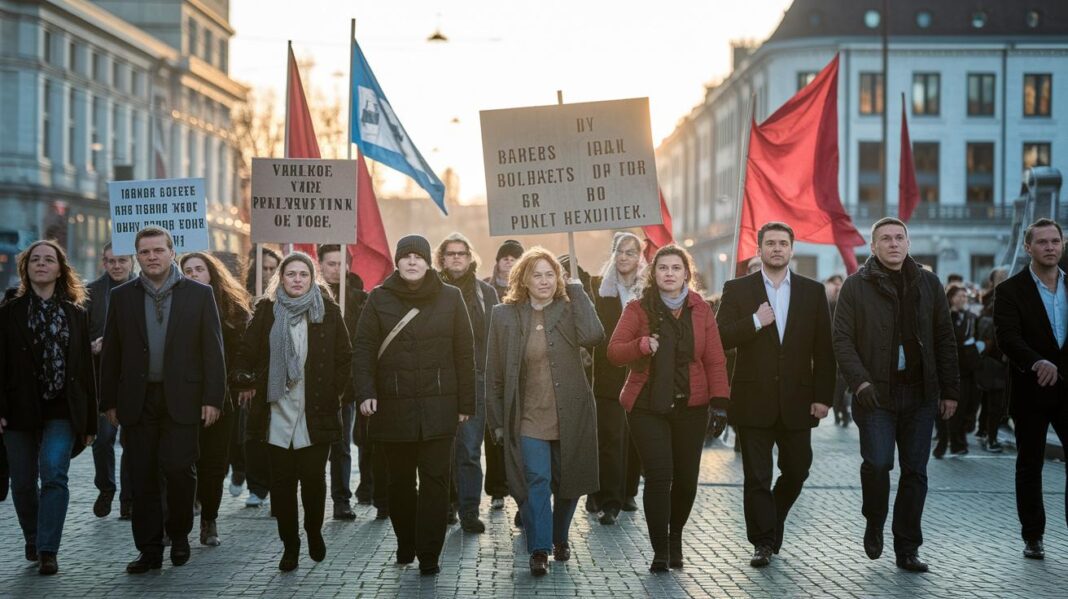
Bold change starts when a few brave people break the rules. In risky times, they challenge systems that try to limit free thought and fair play. Their actions ripple through communities, pushing secrets into the light and sparking real talks about democracy. This article looks at how political dissidents risk everything to expose hidden injustices and fight for a government that truly serves its people.
Political Dissidents Defined: Principles and Motivations
Political dissidents are brave people who stand against systems that limit democracy, freedom for women, the press, and fair laws. They come from places like Afghanistan, Zimbabwe, China, and Peru. They fight systems that silence voices and shut down ideas. Their shared belief is in a government that works transparently and is held accountable.
They face harsh risks for their stand. Many are watched closely. Some have been kidnapped, beaten, arrested, or even tortured for speaking out. Imagine a writer saying, "Picture activists meeting secretly at midnight, fully aware that danger could be lurking in every shadow." This shows the real risks they endure.
These dissidents push society to think differently. They remind us that our rights are hard-won and must be defended. In one striking example, a teacher in a small village shared banned books despite knowing it could cost her freedom. Such moments highlight the deep determination behind their actions.
Their voices do more than inspire. They open up spaces for new debate and challenge old systems. In doing so, they prompt us all to think about what true justice and freedom mean and spark others to stand up and work for change.
Political Dissidents Under Fire: Government Repression Tactics
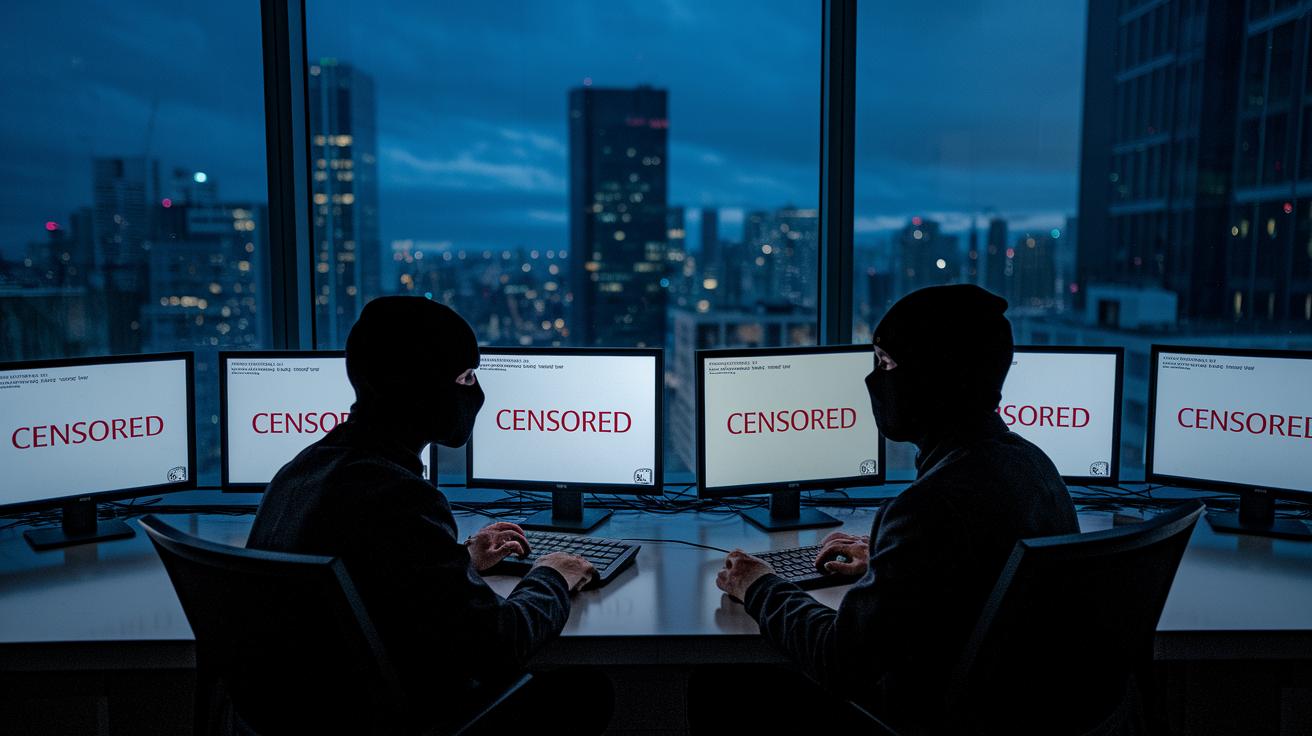
Governments in China, India, Saudi Arabia, and Russia take strict steps to silence those who challenge them. They cut off internet access during protests and closely monitor what people see and hear. For example, during India's farmers protest, officials shut down the internet so protesters could not share live updates. This not only limits public knowledge but also stops critics from rallying against government actions.
Censorship is enforced with a heavy hand. Authorities track phone calls and online messages and restrict news coverage to deter dissent. Critics who question the official story may quickly be labeled as spreaders of false information. One clear example is the murder of Jamal Khashoggi, a case that highlighted the severe risks of exposing oppressive practices. His death made it clear that speaking out can lead to deadly consequences.
Some governments even work with officials in other countries to track and silence critics who live in exile. This means that even when dissidents leave their country seeking safety, they remain under threat. Such cross-border cooperation increases the danger for anyone standing up against authoritarian power.
Inside prisons, the tactics continue. Detainees often endure harsh conditions, with little access to legal help and poor living environments. These actions are a deliberate effort to break the spirit of those who dare to speak out.
These repressive methods are part of a wider campaign to control public discussion. The strict limits on free expression leave many people feeling alone and afraid of retaliation, showing the high price of challenging autocratic rule.
Political Dissidents Through History: Key Uprisings and Movements
Political dissent has changed societies and redrawn power lines over many years. In Eastern Bloc countries, many lived by the idea of "living in truth" pushed forward by leaders like Solzhenitsyn. In Poland, the Solidarity movement rallied workers to seek fair treatment and democratic change. Brave activists even risked their lives to share banned pamphlets in secret meetings. This simple act of defiance spread hope throughout communities.
Other key moments have shaped dissent worldwide. In post-apartheid South Africa, citizens, including some Afrikaners who felt state bias, joined forces to fight for equality. Their actions helped usher in a new phase of national leadership. In Chile, the film Bestia revealed military wrongs and stirred public anger. Meanwhile, Murong Xuecun’s 2020 visit to Wuhan highlighted personal accounts from everyday people in crisis. His journey shared the voices of a pioneering doctor and a taxi driver, showing the human side of resistance.
These events show that defiance comes in many forms. It can appear as large public protests or as quiet, determined acts that defy strict controls. Each bold move builds a legacy that modern movements continue to use. The spirit of protest crosses generations and borders, proving that every act of rebellion, big or small, adds to our shared story of fighting for a better world.
Shaping Change: Profiles of Influential Political Dissidents

Mikhail Khodorkovsky took a bold stand against Putin's rule. He was jailed for his actions, and his trial sparked a global talk about power and responsibility. Even though he was rich and influential, his challenge to the system showed that anyone can fight against a government that shuts down opposition. One observer said Khodorkovsky risked everything to question state control, and his act still pushes calls for change.
Aung San Suu Kyi spent many years fighting for democracy in Burma. Facing repeated house arrest and isolation, she kept her cool and stayed determined. Her peaceful resistance inspired many people at home and abroad.
The Dalai Lama has led his people from exile with quiet strength. His calm leadership gives hope to millions while carrying the heavy load of political and cultural struggle. Similarly, Jamal Khashoggi risked his life as a journalist to expose hidden truths and hold power accountable for its actions.
Many lesser-known activists work on a local level, creating change through small acts of bravery. They host community meetings, protest in public spaces, and take steady steps to push back against injustice. Although their work may not always make headlines, they play a vital role in challenging long-held power over time.
These stories show that the fight for fairness is not just about famous figures. Ordinary people, through grassroots actions and persistent calls for reform, help reshape political landscapes. Their efforts prove that true change happens when individuals stand up together against oppression.
Political Dissidents and Their Struggle: Legal and Social Obstacles
Political dissidents suffer from harsh legal charges and social alienation that cut into their free speech. They often face laws like sedition, anti-terrorism measures, and rules against extremist acts (rules meant to stop extreme behavior). In Russia, for example, critics have been charged with extremism, and academics in other regions are exposed to the same risks.
Extra measures, such as military courts and forced disappearances, add to the threat. In Hong Kong, the National Security Law has led police to act quickly against activists. A protest leader meeting with peers in secret knows that even a small mistake can lead to a fast arrest or worse.
Legal actions mix with strong social pressure, making any act of dissent a dangerous risk. Grassroots activists have to change their approach constantly as they navigate a world where legal prosecution and social shunning blend together.
Political Dissidents Today: Digital Activism and Emerging Trends

Digital tools now help dissidents push back against authoritarian regimes. Activists use encrypted messaging apps, VPNs (tools that protect your location), and social media to organize quickly and secretly. These tools let them bypass government surveillance and internet blocks, so protests can continue despite tough censorship. For example, during the Hong Kong Umbrella Movement, protestors used secure messaging groups to plan rallies while keeping their identities hidden.
Around the world, activists use online networks to share important details and coordinate actions. In Belarus, protesters relied on Telegram (a messaging app) to send fast updates about street protests. This helped alert supporters when police moved in, reducing the risk of arrests. In Russia, supporters of Navalny stream rallies live on social media, providing real-time proof against official state narratives. During the COVID-19 crisis, whistleblowers used encrypted tools to expose mismanagement of the pandemic while avoiding heavy surveillance.
Key examples show how powerful digital mobilization can be:
| Example | Description |
|---|---|
| Hong Kong Umbrella Movement | Secure messaging helped thousands plan rallies safely. |
| Belarus Telegram Protests | Private channels shared fast updates amid government crackdowns. |
| Russian Navalny Rallies | Live broadcasts on social media reached millions. |
| COVID-19 Whistleblower Networks | Encrypted tools enabled safe sharing of critical information. |
Digital activism now makes physical presence less crucial than virtual connection. Activists form online communities to share updates about protest sites, tactics, and suppressed news. This shared network protects individual leaders while boosting the strength of the group. Today's reform challenges are fought not only on city streets but also through encrypted chat groups and social media feeds, marking a shift to fast and flexible protest movements even under strict authoritarian control.
International Responses to Political Dissidents: Human Rights and Advocacy
International organizations and non-government groups work to protect political dissidents facing severe state actions. UN Special Rapporteurs watch for abuses like enforced disappearances and torture, reporting what they see to alert both governments and the public. NGOs such as Human Rights Watch gather first-hand accounts and investigate these violations so the world takes notice. When activists are detained or silenced by violence, their reports help build legal cases and push for global oversight.
The European Court of Human Rights has ruled against states that jail activists or curb protests. These court decisions pressure governments to change their ways and offer legal support to affected individuals. This work helps balance state power by exposing overreach and signaling that the international community will not ignore dissidents' rights.
- UN Special Rapporteurs track and report abuses.
- NGOs document cases of enforced disappearances and torture.
- The European Court of Human Rights holds states accountable for jailing activists.
Artistic and Literary Voices of Political Dissidents
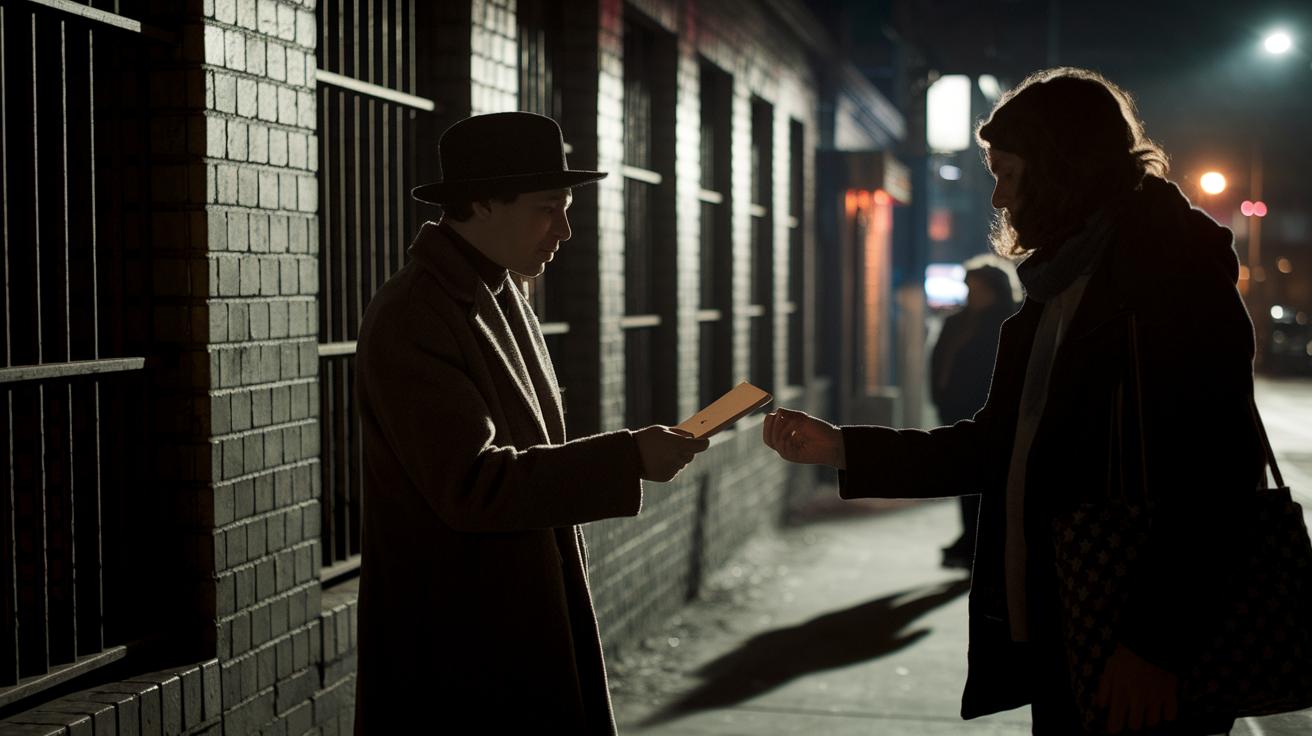
Art and literature have long been used to fight against oppressive governments. In the USSR, samizdat literature (secretly shared writings) let authors pass on banned ideas even with harsh state censorship. In Iran, forbidden poetry quietly challenged strict regimes. These creative works spark courage and inspire people to question power. Picture a poet risking arrest to hand out secret verses urging citizens to question authority.
Visual and performing arts also offer strong ways to express dissent. Chile's film Bestia shows military wrongs with vivid images, and Murong Xuecun's documentary on Wuhan shares personal stories during a crisis. Russian protest music uses hidden messages, while subtle street art hides symbols to counter official stories without drawing the eye of censors.
Artists turn ordinary spaces into canvases of resistance. They use color, rhythm, and clear symbols to defy control and build community. Imagine a street muralist painting hopeful images during a blackout, risking his freedom with every brushstroke. These acts of creativity build a counterculture that values truth over conformity and passion over silence. Even in harsh conditions, art can spark big social change, reminding us that creativity remains a powerful tool against authoritarian rule.
Final Words
In the action, the blog post explored the defining traits and motivations behind political dissidents and the severe challenges they face. It examined how repressive governments curb free expression and scrutinized historical movements that shaped modern dissent. The piece also highlighted individual profiles, legal battles, digital activism, international oversight, and the role of art in resistance.
Readers gain insight into the relentless spirit of those fighting oppression. Appreciation for political dissidents inspires hope and drives efforts for positive change.