Can careful words and kind gestures really stop global conflict? Countries use diplomacy as more than polite talk. They build trust and work together by speaking clearly and honestly. It is like a bridge connecting different lands. By using simple talks and genuine words, diplomats open paths to peace and help solve problems that affect us all.
International Relations and Diplomacy: Foundations and Key Concepts
Diplomacy is the main way countries solve problems without fighting. It builds trust among nations and groups like governments, non-governmental organizations (NGOs), corporations, think tanks, and media outlets. Trust and mutual respect let countries work together on issues that affect everyone.
Diplomacy also shapes how the world interacts. Nations use diplomatic channels to share information, work out deals, and sign treaties to keep peace. Diplomats act as their country's voice and help include many perspectives in the global conversation.
- Negotiation: Making deals that meet both national and global needs.
- Representation: Being the face of the country in international meetings.
- Communication: Sharing ideas and policies clearly across different cultures.
- Treaty-making: Writing agreements that all sides uphold.
- Mediation: Helping settle disputes before they get worse.
These core roles are the backbone of global discussions. They give countries a clear way to solve common problems through teamwork and shared goals. By negotiating, representing, and communicating continuously, diplomacy builds lasting solutions that help keep the world stable and ready to face future challenges.
Historical Evolution of International Relations and Diplomatic Practice
Long before the 20th century, countries sent informal envoys to handle border issues. In early modern Europe, diplomats gradually set up permanent embassies and clear ways to communicate. One writer said that before formal embassies, envoys were the main link between leaders. They helped build trust among nations. These early methods laid the base for later, more structured diplomacy that values personal ties and knowledge of local customs.
In 1961, the Vienna Convention on Diplomatic Relations changed how diplomacy works. It established clear rules for diplomatic privileges and immunities. This legal framework turned temporary messengers into professionals who represent national interests. The change improved global discussions and made diplomatic rules more predictable. Governments around the world adopted these rules, which still guide diplomats today.
Modern diplomatic practices still show their historical roots. Today, ambassadors and envoys follow principles set many years ago. These principles guide state behavior even as global politics change quickly. Nations rely on this proven system to support effective statecraft and mutual understanding.
Theoretical Frameworks in International Relations and Diplomacy
Theory in international relations shows how countries plan and carry out diplomacy. It looks at the rules, strategies, and ideas that guide how nations work together and solve problems. Researchers have long studied these ideas to learn how different methods help achieve political and economic goals.
- Bilateral diplomacy: Two countries work directly to make agreements or solve issues.
- Multilateral diplomacy: Several nations come together to tackle common challenges.
- Cultural diplomacy: Countries use art, history, and education to build mutual understanding.
- Economic diplomacy: Trade meetings and financial talks help build long-term relationships.
- Digital diplomacy: Online platforms and social media spread government messages and connect officials.
- Public diplomacy: Countries shape a positive image and communicate directly with people around the world.
These methods give us a clear way to understand state behavior and international talks. When countries use a mix of these approaches, they can adjust their methods to meet specific challenges, from trade issues to cultural misunderstandings. In practice, diplomats combine these strategies to bridge gaps between different groups and strengthen their positions in discussions. They use historical examples and proven methods to adapt theory to a fast-changing global scene. This blend of ideas and tactics helps leaders create strong policies and manage international relationships so that each discussion and agreement adds to a stable and productive global order.
Contemporary Global Challenges in International Relations and Diplomacy
Nations around the world face many tough challenges today. Extreme weather from climate change, cyber security breaches, and unstable economies are all shaping global policies. In 2024, global trade reached $33 trillion. This huge number shows how important it is to mix economic growth with sustainable practices. These issues demand that governments work together closely.
Diplomacy is key to solving these problems. Countries meet to cut carbon emissions and boost green energy projects to fight climate change. They also set cybersecurity rules to protect important data and infrastructure. In economic talks, leaders develop plans that keep markets steady while protecting the environment and society. By taking clear, planned steps, diplomats build trust and help avoid conflicts.
Modern digital tools have given traditional diplomacy a fresh spin. Leaders now use video calls and real-time messaging to connect fast during crises. When tensions rise, decision-makers can quickly gather online to adjust plans and make urgent policy shifts. These digital tools keep global discussions on track in today’s fast-changing world.
Key Practices and Mechanisms in International Relations and Diplomacy
Diplomacy uses clear steps to solve disagreements among nations and groups. It depends on simple communication, cultural understanding (knowledge about a society's way of life), and a solid grasp of history. These basic practices help diplomats overcome differences and find solutions that fix problems before they become serious conflicts.
Managing crises is a key skill for any diplomat. For example, shuttle diplomacy, where a mediator moves between sides, helps calm tensions. Confidential talks give parties a safe space to share ideas. When several countries or organizations join in, support grows for addressing tough problems. By mapping out key participants, diplomats uncover the real causes of conflicts and suggest actions that honor both national goals and global rules.
Preventive strategies work to stop problems before they start. Early dialogue and timely actions let diplomats catch warning signs early. These approaches build trust and keep disputes from turning into major crises. In practice, preventive diplomacy not only preserves peace but also builds lasting ties between nations, paving the way for steady international cooperation.
Educational Pathways and Career Prospects in International Relations and Diplomacy
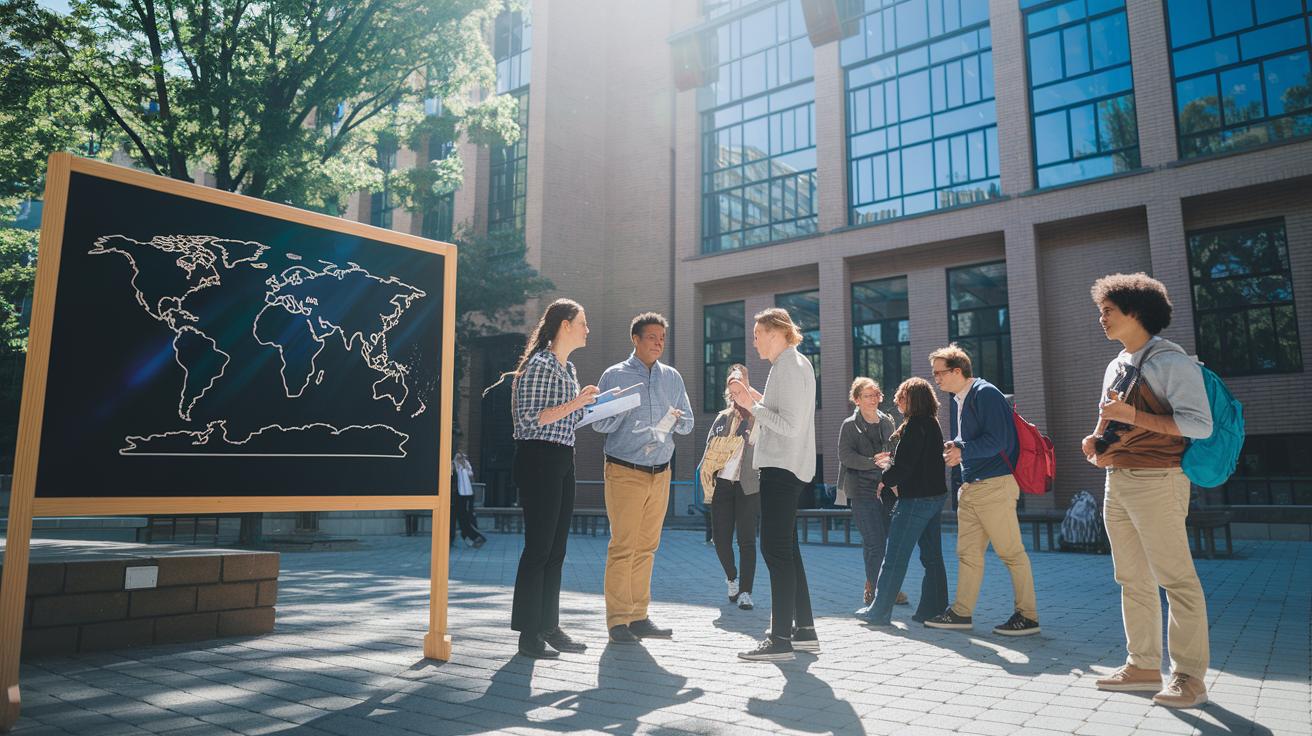
Many people begin their journey in international affairs with a bachelor's degree in political science. This degree builds a strong foundation to understand global issues and sets the stage for further studies. After earning their bachelor's, many students choose to pursue a master's or PhD in international relations. In these programs, they learn about political theories (ideas about how politics works), global strategies, and cross-cultural communication. They also develop key skills like analytical thinking, policy analysis, and negotiation, which are essential for a career in foreign affairs.
Students can choose from a range of specialized courses offered both on campus and online. Universities in cities such as New Delhi, Bengaluru, Pune, and Kolkata provide in-depth courses on world affairs with local insights, while online options like the Global Diplomacy course from the University of London explain the principles of modern diplomacy. These programs emphasize practical learning through case studies, simulations, and internships. The mix of rigorous coursework and hands-on experience helps students tackle the challenges of today's international community.
Career opportunities in international relations are wide and promising. For example, the U.S. State Department FY2025 plan includes 200 vacancies, nearly 350 new roles, and 145 positions funded by USAID (U.S. Agency for International Development), showing a strong demand for skilled professionals. Many graduates also land internships at major international bodies like the United Nations, World Bank, and well-known NGOs or think tanks. These opportunities provide real-world experience and open doors to careers in policy-making, advocacy, and global business, enabling graduates to make a tangible impact on world affairs.
Emerging Trends and Future Directions in International Relations and Diplomacy
Digital diplomacy is changing how countries work together. Leaders use social media, virtual meetings, and online policy tools to share ideas and coordinate fast. In one recent crisis, key decision-makers held live online talks to address urgent issues. This method not only reaches more people but also makes communication between governments and the public quicker and clearer.
Global power is shifting. Nations like China and India, along with new regional groups, are taking on bigger roles in diplomacy. Their growing influence is forming fresh alliances that challenge old power rules. For example, an initiative led by India encouraged nearby countries to work more closely together. These moves force older powers to rethink their strategies as power spreads across different regions.
Countries are also forming new partnerships to tackle modern threats. Many now join forces to counter challenges like cyber-attacks and pandemics with joint plans. A recent security project saw several nations come together to build shared cyber defense measures. This blend of active negotiation and strong teamwork is shaping a more resilient and forward-thinking global order.
Final Words
In the action, the blog post explored international relations and diplomacy from every angle. It broke down key diplomatic functions, traced historical advancements, and tied theoretical frameworks to everyday practice. The article outlined modern challenges, crisis management methods, and emerging trends that shape our global outlook.
Small insights on career pathways and educational opportunities rounded out the discussion. This clear, concise overview provides actionable guidance, reinforcing how international relations and diplomacy continue to bridge ideas into practical steps for a more connected world.
FAQ
What is an International Relations and Diplomacy course?
The International Relations and Diplomacy course introduces key ideas about global politics, state interactions, and conflict resolution. It teaches negotiation, treaty-making, and prepares students for careers in government or international organizations.
What is an International Relations and Diplomacy PDF?
The International Relations and Diplomacy PDF is a digital document that explains theories, practices, and case studies in global diplomacy. It serves as an academic resource for students and professionals.
What are International Relations and Diplomacy jobs?
The International Relations and Diplomacy jobs include positions in foreign service, government agencies, international organizations, NGOs, and private sectors. These roles focus on negotiation, policy analysis, and conflict management.
What is the International Relations and Diplomacy Journal?
The International Relations and Diplomacy Journal is a scholarly publication that presents research, case studies, and analyses on global political affairs and diplomacy. It provides insights for academics and practitioners in the field.
What is an International Relations and Diplomacy degree?
The International Relations and Diplomacy degree offers academic training in political systems, negotiation techniques, and global conflict resolution. It equips graduates with skills needed for careers in government and international organizations.
What are notable International Relations and Diplomacy universities?
The International Relations and Diplomacy universities are institutions that provide comprehensive programs combining political science, law, and global studies. They prepare students for careers in international fields, including many leading online programs.
What does studying International Relations and Diplomacy as a major involve?
Studying International Relations and Diplomacy as a major involves learning about global political dynamics, negotiation, international law, and cultural communication. It builds skills for a range of careers in diplomacy and policy work.
What is the salary for careers in International Relations and Diplomacy?
The salary for careers in International Relations and Diplomacy varies by role and experience. Entry-level positions offer modest pay, while experienced professionals in government or international roles earn higher wages.
What are diplomacy and international relations?
Diplomacy and international relations involve managing relationships between countries through negotiation and dialogue. They work to resolve conflicts, shape global policies, and support peaceful interactions across borders.
What can you do with an International Relations and Diplomacy degree?
With an International Relations and Diplomacy degree, you can work in government, international organizations, NGOs, or think tanks. The degree readies graduates for roles in policy advising, negotiation, and global issue resolution.
What are jobs in international relations?
Jobs in international relations include diplomatic service, government policy roles, positions in international agencies, and roles in NGOs or think tanks. These jobs focus on negotiation, conflict resolution, and fostering global cooperation.
Is an IR degree worth it?
An IR degree is worth it for those seeking careers in global affairs and diplomacy. It provides valuable skills, networking opportunities, and the expertise needed for roles in government and international organizations.