

Could strong climate policies create real change? Global agreements like the Paris Agreement push governments to set clear targets to cut harmful emissions. National rules and local plans work together to lower carbon footprints and help cities cope with severe weather. Industries now face extra costs for polluting while governments check progress every few years. In simple terms, climate policies are sparking a shift toward a cleaner, stronger future. The changes are real, and they benefit more than just our climate.
Frameworks for Global and National Climate Policy
The Paris Agreement is a key global pact that aims to keep global warming below 2 °C. Under this deal, countries must share their national plans (known as NDCs) every five years. This cycle forces governments to set clear targets and show progress in reducing emissions.
National policies also matter a lot. Big economies have set up rules that limit emissions from key sectors. For example, some governments require industries to report their emissions clearly and follow strict limits. These rules push companies to lower their carbon footprint and help protect communities. They also often include laws that require risk assessments and land-use checks to counter climate hazards.
Many states have introduced laws that guide local officials on building resilient cities. These laws call for upgrades in infrastructure and careful urban planning to handle extreme weather. By combining international plans with these local rules, countries work on several levels to create a low-carbon, sustainable future.
Imagine a nation that uses each five-year cycle to sharpen its focus on lowering emissions and forging a greener future.
Emission Reduction Strategies and Carbon Pricing in Climate Policy
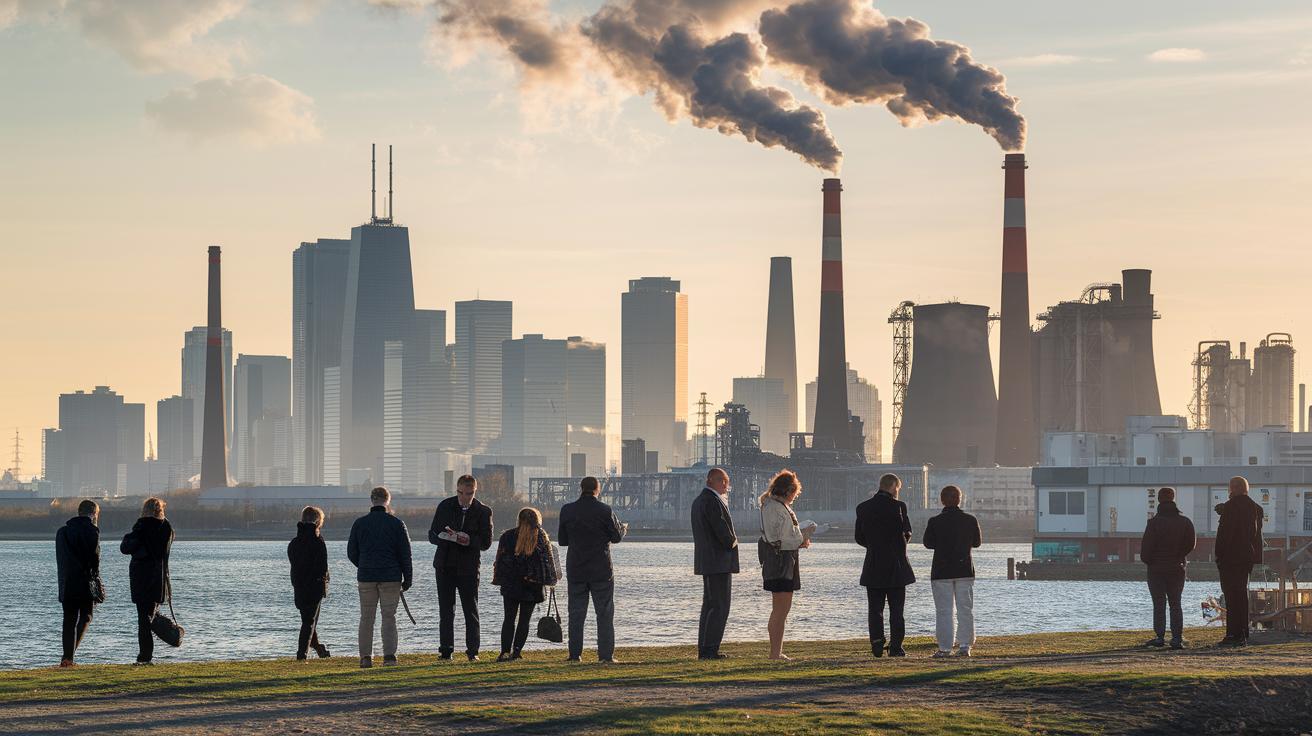
Carbon pricing policies charge companies for every ton of carbon dioxide they release. This direct fee pushes firms to lower their emissions or switch to cleaner technology. For example, a small business might invest in high-efficiency machinery when it sees that extra emissions drive up its costs. Fact: One manufacturer saved thousands by moving to energy-efficient technology when carbon pricing made their old systems too pricey.
Performance standards work with carbon pricing to drive change. They set clear limits for sectors like power and transportation. Rules such as clean electricity targets, renewable portfolio standards (goals for using clean energy), and vehicle fuel economy requirements push industries to hit higher marks for efficiency. When companies face these strict rules, they are more likely to seek innovative solutions and invest in better technology. Standards for appliances, buildings, and factories further cut waste by making sure every unit of energy is used well.
Energy efficiency rules help both factories and homes trim their carbon footprints. Factories may revamp production methods while households use energy-saving appliances. This mix lowers overall energy demand, which means fewer greenhouse gas emissions and lower energy bills, a win for the economy and the environment.
Carbon pricing and performance targets are key tools for steering investment toward low-emission options. They change market signals so that cleaner choices are not just the right thing to do but also a smart business move. By putting the cost on emissions, these policies create a market where green alternatives can thrive.
Incentives for Renewable Energy and Clean Technology Reforms
Policy measures have driven a strong shift toward cleaner energy. Subsidies give tax credits for solar panels, wind turbines, electric vehicles, and carbon capture systems (tools that trap carbon emissions). For instance, tax credits made solar panels more affordable, so many households switched to solar power to lower bills and reduce emissions. These incentives help lower costs and encourage both businesses and homeowners to pick renewable energy.
Public funding for new ideas also makes a big difference. Federal money supports research and development that moves clean energy technology forward. One government-supported project, for example, improved battery storage and paved the way for better integration of renewable energy in communities. Such research speeds up breakthroughs and moves them from the lab to the market.
Government buying policies also support the renewable energy market. Federal customers make up nearly 12% of the world market for green products. When government agencies choose energy-efficient and green products, they create a steady market that helps new clean technologies grow. An example is when agencies switch to energy-saving appliances, inspiring manufacturers to boost production and reduce costs.
Tax credits, public research investments, and smart buying rules work together to form a strong base where renewable energy can grow. These strategies not only reduce start-up costs but also support ongoing innovation, ensuring that both established and new clean technologies have a solid path to success.
Adaptation Planning and Resilience in Climate Policy

Adaptation measures help communities handle rising temperatures and severe storms. Many cities are adding green spaces like urban forests and parks to cool neighborhoods during heat waves. They are also updating flood zones and using unused land to create wetlands that absorb rainwater when heavy rains hit.
Local rules make officials perform risk checks to guide upgrades. Laws set clear guidelines for planning land use, ensuring new buildings and roads meet fresh safety standards. These policies also require regular inspections and maintenance of public assets.
Adaptation planning covers more than building changes. It involves community meetings, planning for emergencies, and investing in weather prediction tools (instruments that forecast severe weather). This approach helps governments build safe and adaptable communities in a changing climate.
These legal and practical steps help communities act fast, save lives, and lower future risks.
Case Studies in Decarbonization Roadmaps and Economic Frameworks
In 2022, the U.S. Inflation Reduction Act and in 2021, the Bipartisan Infrastructure Law set clear plans to lower emissions. They offer grants and tax breaks to help cut emissions by 50-52% by 2030. The laws back clean energy projects, upgrades in efficiency, and improvements to the power grid. Early reports show these measures may create millions of jobs, offer cleaner air, and lower energy costs. One manufacturer noted that switching to energy-saving systems cut costs significantly, proving that clear policy signals can change business habits.
These examples provide a roadmap for countries planning a shift to a low-carbon economy. Lawmakers study these cases to shape national strategies and improve global trade rules on emissions. The success of using financial incentives and set standards under these laws shows how economic tools can drive progress for the environment. This mix of fiscal support and clear rules is a strong model for long-term gains in public health and energy use.
| Policy | Target Emission Reduction | Key Outcomes |
|---|---|---|
| Inflation Reduction Act (2022) | 50-52% by 2030 | Potential for millions of jobs; cleaner air; lower energy bills |
| Bipartisan Infrastructure Law (2021) | Supports clean energy goals | Upgraded grid; efficiency gains; improved resilience |
Economic and Social Impacts of Climate Policy
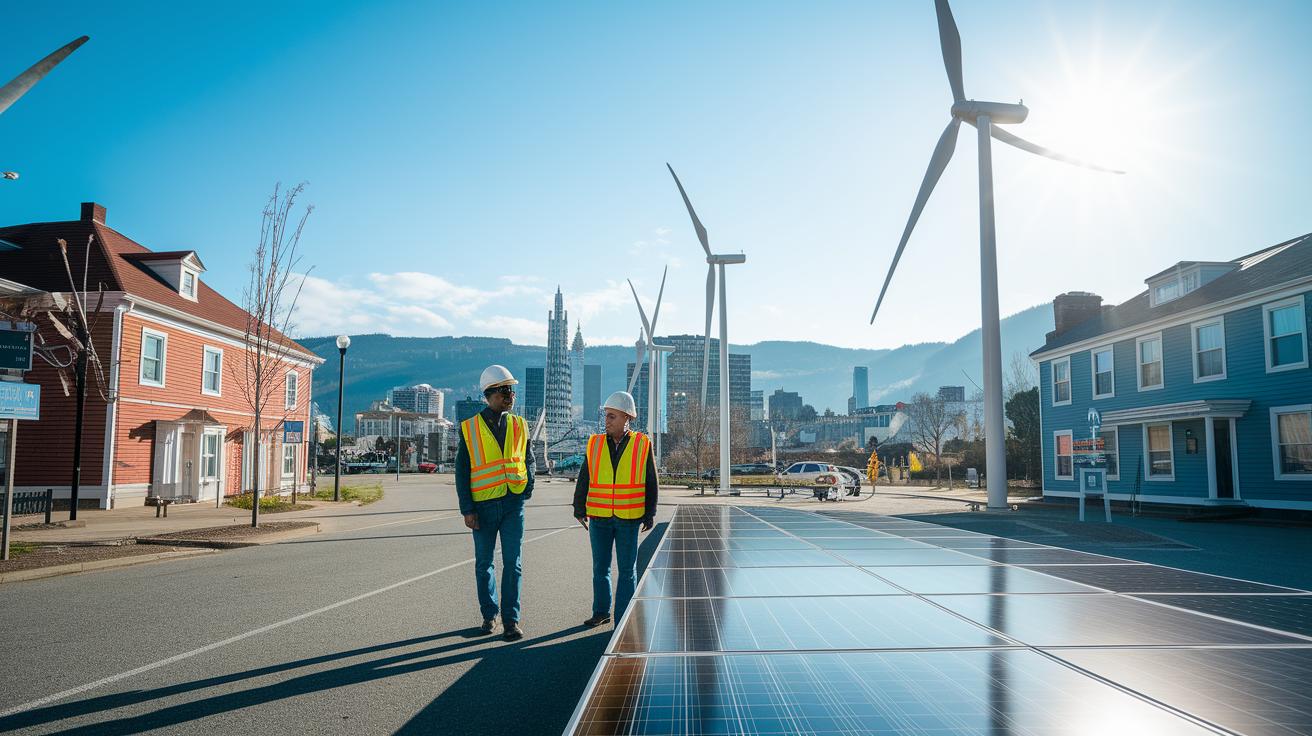
Climate policies shape communities and markets. Governments set rules to boost cleaner energy and sustainable practices, which help create fair growth. Low-income and non-white communities, often more at risk from climate change, may feel these changes more directly. Shifts in energy use can mean job losses in fossil fuel sectors, but they also open up new opportunities in renewable energy. Workers need support to move into these green roles.
Financial tools like green bonds and public funds ease this shift. These funds invest in sustainable projects and clean energy research, helping communities gain both jobs and better public services. Clear, long-term policies give investors and local businesses the confidence they need. The aim is to balance economic progress with fairness so that investments benefit everyone and help build a more equal future.
| Focus Area | Description |
|---|---|
| Equity and Distribution | Marginalized groups are more vulnerable to climate impacts. |
| Workforce Transition | Shifts from fossil fuels can lead to job losses, but also create new green jobs. |
| Finance and Investment | Green bonds and public funds support sustainable projects and research. |
| Policy Durability | Stable, long-term rules help guide investors and benefit local economies. |
Emerging Innovations and Future Trends in Climate Policy
Since 2000, public spending on energy research and demonstration has grown steadily, shifting focus toward low-carbon solutions. A global study shows that funding for energy innovation rises every year, boosting work in carbon capture (a method to trap carbon dioxide), green hydrogen (fuel made without carbon emissions), and grid-scale storage. One green hydrogen project not only cut emissions but also inspired local energy startups. Meanwhile, digital tools for tracking emissions are rising in use, giving real-time insights into industrial performance and helping regulators keep track.
Advanced sensors and automated reporting systems now play a key role in controlling emissions. These tools help states and businesses make quick adjustments to keep emissions within set limits. Government agencies, industries, and research groups are working together more closely, making it easier to copy successful projects across regions.
These tech-driven reforms and new control measures are setting the scene for a shift in policy that relies on data and specific actions. This trend highlights how strong scientific research and clear policy directions can create smarter, more efficient strategies to meet today’s economic and environmental challenges.
Final Words
In the action, we reviewed key frameworks shaping responses to climate change. We examined global accords, national frameworks, carbon pricing, and clean technology reforms. Each section highlighted efforts to limit warming, reduce emissions, and build resilience. We also saw how decarbonization roadmaps and social impacts weave together to create solid climate policy measures. All these aspects work in tandem, offering clear steps ahead. The path forward looks brighter as informed policy continues to drive positive change for our future.