

Can a constitutional change reshape society? Ratifying the Equal Rights Amendment is more than a legal fix, it is a push for fairness across America. With gender equality on the line, 38 states back the change, paving the way for a fairer nation. This story details the amendment's journey, how local support grew, and what each state's decision means. We explain what these actions mean for the country and how this bold step might lead us to a more equitable future for everyone.
Equal Rights Amendment Ratification: Bold Victory
The Equal Rights Amendment (ERA) is a proposed change to the U.S. Constitution that would guarantee equal rights regardless of sex. To become permanent, 38 states must approve it, which means three out of every four states must agree. Each state must pass the amendment through its legislative process, showing strong local support for gender equality.
In 1972, Congress sent the ERA to the states, and many approved it quickly as they saw the need for gender fairness. A seven-year deadline was set to urge quick action. This period sparked lively debates and intense political discussions, leaving a lasting mark on how constitutional changes are viewed.
By 2024, exactly 38 states have ratified or later submitted their approvals for the ERA. Some states ratified the amendment after the original deadline, which has led to legal debates. Critics and supporters now disagree about whether Congress can extend the deadline or allow late votes. Many experts say that a future Supreme Court decision could settle these questions and shape the future of gender equality in America.
Historical Timeline of Equal Rights Amendment Ratification

This timeline tracks how ideas about gender equality have changed and moved into law. It shows how early dreams became formal steps and how today's debates are being shaped by new efforts.
Early Origins (1923–1970)
In 1923, women's rights advocates first proposed the Equal Rights Amendment. They aimed to lock equality into the Constitution, though strong political pushback and other priorities slowed their progress. Even before the big movement in the 1970s, many women supported the ERA, even if their efforts did not get enough momentum at the time.
Congressional Passage and Initial Ratifications (1972–1977)
Congress took a major step in March 1972 by passing the ERA. Soon after, states began ratifying it. In just a few years, 35 states joined in, all within a strict seven-year limit. This period shows both broad support and the tough timeline they faced.
Revival Efforts and Recent Ratifications (2017–2020)
Recently, new campaigns have breathed fresh life into the ERA fight. Nevada ratified the amendment in 2017, followed by Illinois in 2018 and Virginia in 2020. These recent moves have renewed talks about ratification deadlines and how we should interpret the Constitution.
| Year | Event | Impact |
|---|---|---|
| 1923 | ERA Drafted | Set early hopes for constitutional equality |
| 1972 | Congress Passes ERA | Started a wave of state ratifications |
| 1977 | Seven-Year Deadline | Highlighted time limits and legal hurdles |
| 2017–2020 | Renewed Ratifications | Reopened debates on deadlines and constitutional rules |
Amendment Ratification Process Explained
To change the U.S. Constitution, a proposed amendment must win a two-thirds vote in both the House and Senate. This high bar makes sure that a large majority supports any change. For the Equal Rights Amendment (ERA), this vote marked the first step in a long process to add gender equality to the Constitution.
Once Congress approves an amendment, the next step falls to the states. Each state can either pass the amendment in its legislature or hold a special ratification convention, with legislatures being the common choice. The ERA set a seven-year deadline for state ratifications, a rule that has led to debates over whether Congress can change or drop this time limit. This stage shows how federal leadership and state rules work together in making constitutional changes.
- Step 1: Proposal by two-thirds vote in both House and Senate
- Step 2: Transmission to states for ratification
- Step 3: Deadline for state ratifications and potential extensions
- Step 4: Certification by Archivist of the United States
State-by-State Review of ERA Ratification Progress
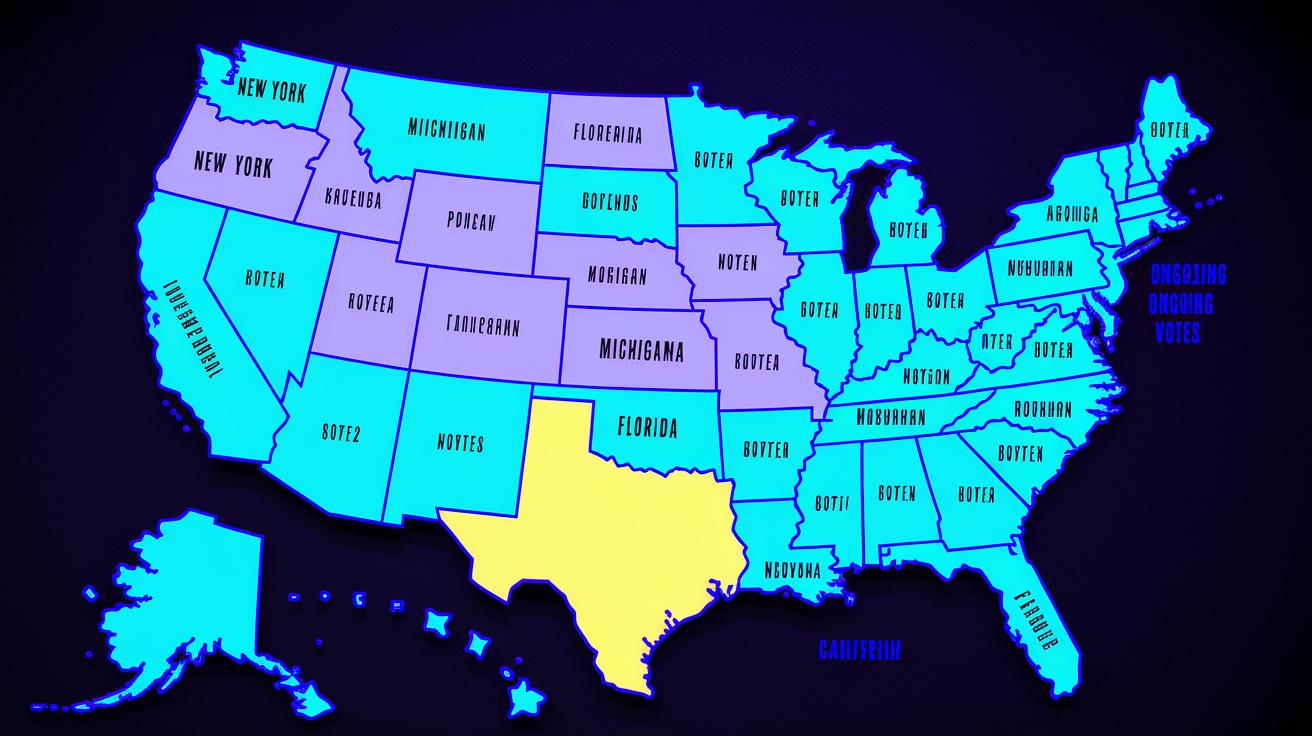
States have taken different paths with the ERA. Some approved it back in 1972, while others have given it a nod more recently. Regional support and resistance vary widely. In some places, proposals still await a vote, such as in Florida, which might affect the ratification process.
| State | Year Ratified or Action | Current Status |
|---|---|---|
| New York | 1972 | Ratified |
| California | 1972 | Ratified |
| Michigan | 1972 | Ratified |
| Ohio | 1972 | Ratified |
| Texas | 1972 | Ratified |
| Nevada | 2017 | Ratified Post-Deadline |
| Illinois | 2018 | Ratified Post-Deadline |
| Virginia | 2020 | Ratified Post-Deadline |
| Florida | 2024 | Pending Vote |
Legal Debates Impacting Equal Rights Amendment Ratification
Many legal experts say the ERA’s seven-year deadline is a firm rule. They argue states must vote within that time to have their decision count. Others claim that once a state ratifies the amendment, its vote should be final, even if officials try to reverse it later. They warn that accepting late votes or rescissions could upset the fairness of the amendment process. Lawmakers now face a tough choice: honor a historic commitment or adapt to new legal views. This deadline can either safeguard the process or restrict it, depending on how you see it.
Legal scholars now look to the Supreme Court to clear up these conflicting views. Earlier rulings on constitutional deadlines provide some guidance, but the ERA case is unique. It raises important questions about states’ rights and Congress’s power over constitutional timelines. Some experts believe Congress can extend or change the deadline if it helps meet modern standards of fairness. Others say the original wording must be kept to ensure legal clarity and respect the historical process.
Supporters of the strict deadline argue:
- The original timeline is essential for fairness.
- The constitutional process should be followed as written.
- Changing votes later would harm legal stability.
Those who favor a congressional extension contend:
- Congress has the power to adjust deadlines.
- An extension could fix past mistakes and better reflect today’s values.
- Flexibility might help resolve old political conflicts and support equality.
The Supreme Court’s decision will heavily influence the future of the ERA. A ruling that sticks to the original deadline might leave late ratifications uncounted, while a more flexible approach could allow additional states to ratify the amendment. This outcome will ultimately decide the ERA’s place in the Constitution.
Political and Advocacy Efforts for ERA Ratification
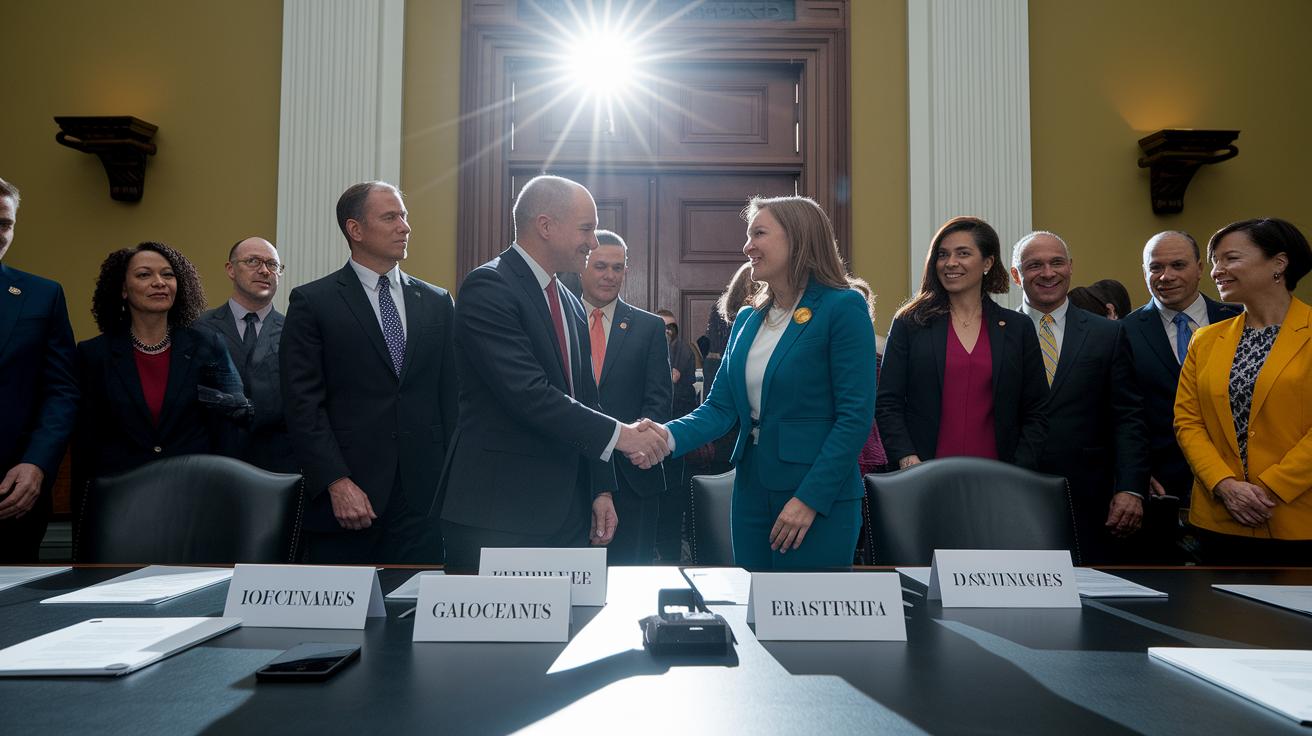
State lawmakers and Congress are now backing the Equal Rights Amendment (ERA) more than ever. Lawmakers from many states have put forward bills in favor of the amendment. Both major political parties are working together on this effort. Feminist groups and advocacy organizations are using research data and public outreach to sway lawmakers. This growing movement in Washington and local communities shows a clear commitment to gender equality through constitutional change.
Some critics worry that the ERA may let the federal government overstep its bounds. Conservative think tanks say that adding the ERA could bring unexpected legal changes. They argue that changing old legal structures without clear limits might muddle how state and federal rules work together. In response, groups opposing the amendment have started a strong campaign to protect the current balance of power.
- National Organization for Women – pushes lobbying efforts
- ERA Coalition – leads grassroots action
- Heritage Foundation – produces legal briefs against the ERA
- State-level feminist caucuses – sponsor supportive bills
- Grassroots rallies – focus on voter outreach and education
Recent polls show that more Americans now support stronger steps toward gender equality. Surveys indicate that many people back laws that ensure equal rights and work to end discrimination. These shifting public views are influencing both political leaders and advocacy groups. As support grows, the push to ratify the ERA is expected to gain even more momentum.
Potential Impact of Equal Rights Amendment Ratification
Adding the Equal Rights Amendment to the Constitution would set a clear legal standard for gender equality. With the amendment in place, every law and policy must treat all genders equally. Every government decision, from local rules to federal guidelines, would need to reflect equal treatment. For example, if a law gives one gender an unfair advantage, courts would closely review it to ensure no discrimination slips through.
The amendment would also change rules in work, school, and health care settings. In the workplace, companies could be legally required to ensure equal pay and fair promotion practices, turning equal pay into a legal right rather than just a promise. In education, stronger laws like Title IX would help stop gender bias in schools and universities. In health care, lawmakers and providers might have to adjust policies so that reproductive rights and services are available without bias. This means courts would need to examine any sex-based law with extra care.
On a larger scale, ratifying the amendment could lead to new legislation and court rulings that boost gender rights even further. Lawmakers might introduce reforms that close gaps in current laws, and judges could set new examples of fairness. This move would help create public policies that are more inclusive and encourage a shift toward a society where gender equality is a fundamental part of our legal system and daily life.
Current Progress and Future Outlook of ERA Ratification

Legislative action this year is sparking new energy for the ERA. Congress has brought forward plans to remove or extend its seven-year deadline. States like Florida are set to vote soon on ratification. Lawmakers are teaming up with activist groups to update the process and clear up old legal questions. This phase is important as both federal and state efforts work together to remove old barriers.
- Holdout states still need to approve ratification votes
- Congress may change the deadline for the ERA
- Grassroots events and lobby days are planned in state capitals
- Courts could face challenges soon
Legal experts expect the Supreme Court to sort out these legal issues within two years. While advocates remain hopeful, they are also cautious. They believe that with steady state actions and strong local support, the ERA will soon join the Constitution and set a strong standard for gender equality in America.
Final Words
In the action, the article tracked the Equal Rights Amendment from its early push to today’s legal debates and state progress. It highlighted key historical milestones, the amendment process, and diverse political efforts. The piece reviewed how steps are taken from congressional proposals to state votes and possible Supreme Court challenges. It also outlined the current progress, including pending state votes and renewed advocacy. Overall, equal rights amendment ratification remains a dynamic issue, inspiring confidence and paving the way for future advancements.
FAQ
Q: What is the significance of the Equal Rights Amendment passed in 1972?
A: The Equal Rights Amendment, approved by Congress in 1972, aimed to guarantee equal legal rights regardless of sex by amending the Constitution. It set a requirement for ratification by three-quarters of the states (38).
Q: How does the Equal Rights Amendment ratification push work?
A: The ratification push involves state legislatures reviewing and voting to add the ERA to the Constitution. Activists, political groups, and legal efforts continue to address deadlines and disputes over valid ratifications.
Q: What are the pros and cons of the Equal Rights Amendment?
A: The ERA is seen as a tool for strengthening gender equality and reinforcing legal protections, while critics argue it may lead to unforeseen legal impacts and question its timing given extended deadlines and evolving legal interpretations.
Q: What does the Equal Rights Amendment state?
A: The ERA states that rights cannot be denied or abridged by the United States or any state on account of sex, ensuring equal legal protection without gender discrimination in all laws.
Q: How is the Equal Rights Act of 1964 different from the ERA?
A: The Equal Rights Act of 1964 primarily addresses discrimination in employment and public accommodations, while the ERA is a constitutional amendment designed to provide comprehensive, explicit legal equality regardless of sex.
Q: Has the Equal Rights Amendment been ratified, and will it be ratified soon?
A: As of now, the ERA has not been conclusively added to the Constitution. Although 38 states have shown support through ratifications, legal disputes over deadlines leave its full ratification uncertain.
Q: What does the 28th Amendment say?
A: The 28th Amendment does not exist in the Constitution. The current amendments stop at the 27th, so any reference to a 28th Amendment is based on speculation or proposed ideas rather than an approved constitutional change.
Q: Who stopped the Equal Rights Amendment, and why was it never ratified?
A: No single person or group halted the ERA; a mix of political opposition, legal challenges regarding the seven-year deadline, and shifting state legislative priorities contributed to its failure to secure the necessary number of ratifications within the required timeframe.
Q: Which states have still not ratified the ERA?
A: Several states remain unconvinced or have not completed the ratification process. The exact list changes as new legislative actions occur, but many southern and politically conservative states are among those that have yet to ratify the ERA.