
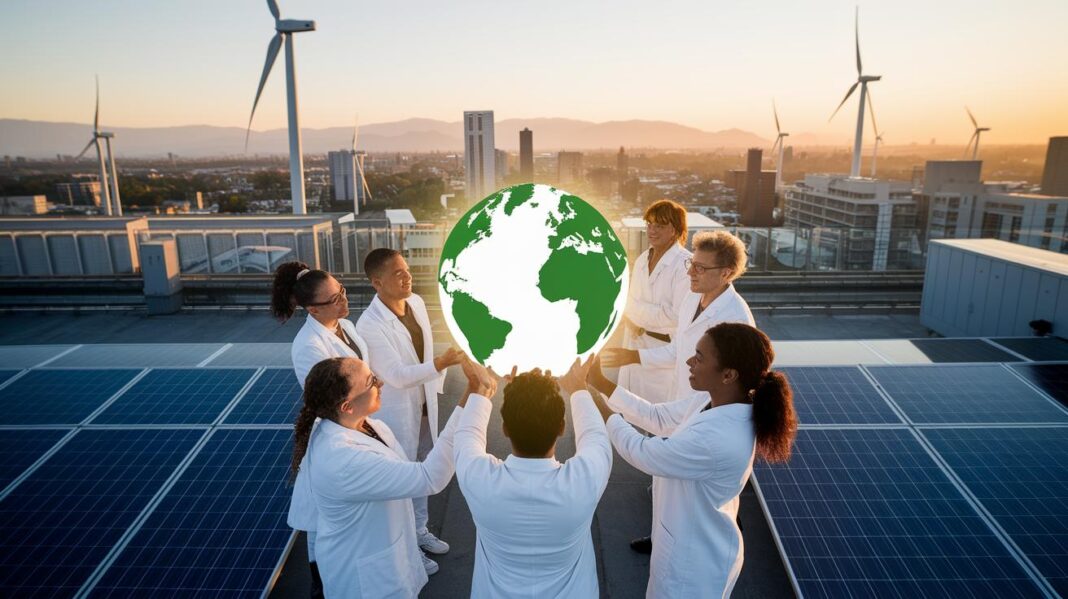
Are rising temperatures and failing power grids pushing our planet toward disaster? New climate technology offers a fresh way forward. Tools like carbon capture (methods that remove carbon from the air) and renewable energy storage (systems that hold clean energy for later use) are fighting pollution head on. Recent studies show that the public is very worried, spurring both government and private investments.
In this post, we explore how these smart solutions mix economic growth with cleaner living. Bold action and cutting-edge tech are lighting the path to a greener future.
Climate Tech Fundamentals: Defining the Field and Its Strategic Impact
Climate tech is about new ideas and tools that help cut harmful emissions and shift us to cleaner energy. The term became popular among companies, investors, and startup groups around Feb. 19, 2020. It covers areas like energy systems, ways to trap carbon, and digital tools that keep track of environmental changes. In short, climate tech works to protect our world while boosting efficiency. For instance, some startups build systems that pull carbon right from factory emissions.
This field mixes hands-on methods with smart technology to solve environmental challenges. It blends clean energy projects, modern ways to capture carbon, and data tools that monitor progress on lowering pollution. The International Energy Agency estimates that 40% of total emission cuts will come from new technologies still in progress. A study by Yale showed that 29% of Americans feel very worried about climate change. This concern is pushing more work and innovation in climate tech, which is now at the forefront of reducing environmental harm and driving change in society.
Key pillars of climate tech include:
- Methods to cut carbon
- Clean energy systems
- Data-based ways to lower emissions
Investments are growing as more people see that smart energy systems and new carbon capture methods can bring strong economic and environmental benefits. Public and private groups are now teaming up to boost these solutions, making climate tech a core part of how the world fights climate change.
Renewable Energy Breakthroughs Driving Climate Tech Growth
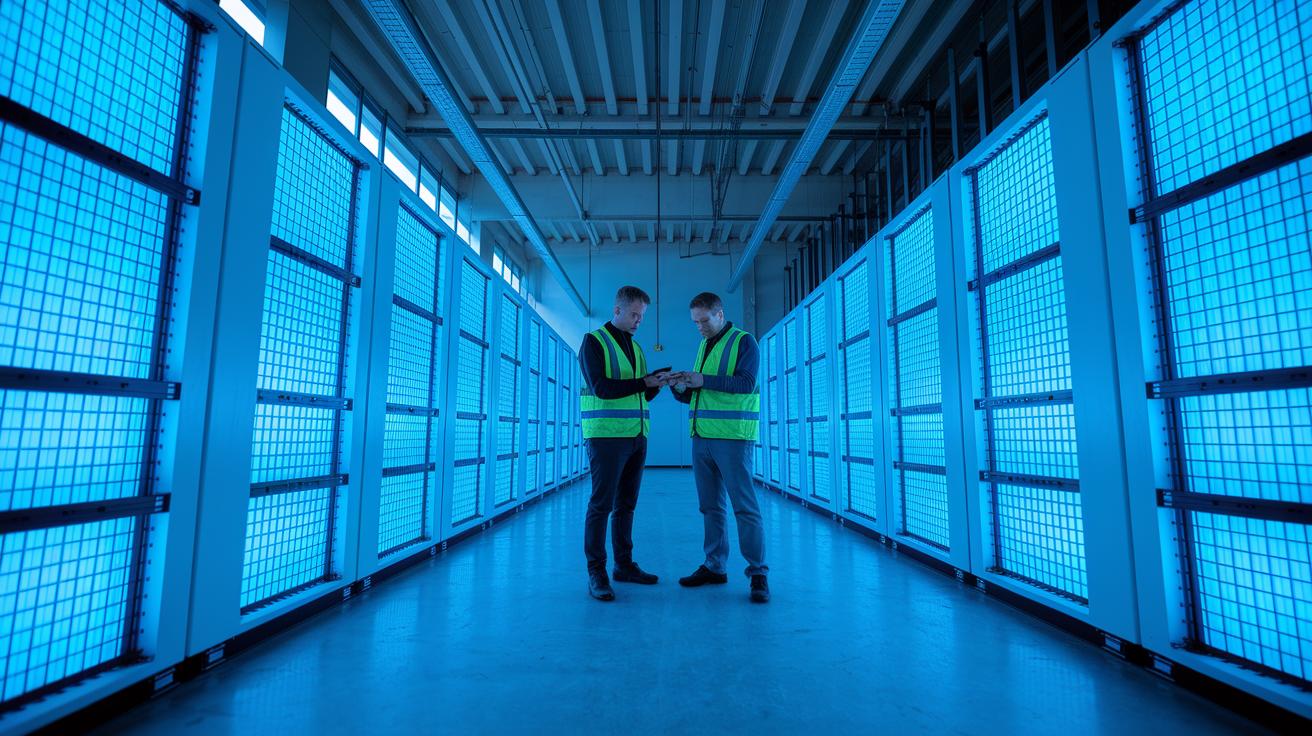
We need energy solutions that work in tough situations. More people want steady power that helps in emergencies and reaches remote areas.
Batteries and storage systems are at the heart of new climate technology. For example, CellCube makes vanadium redox flow batteries that hold energy for 4 to 24 hours and last 20 to 30 years. In Massachusetts, Form Energy started in 2017 and now builds long-duration systems to support a grid powered entirely by renewables. These breakthroughs cut our tie to fossil fuels and boost energy security. One startup shows that storing energy for long periods not only keeps supplies steady but also paves the way for more renewable options.
Solar energy is also key. In California, Jackery began in 2012 and makes portable solar power stations for off-grid and emergency use. In Sweden, Northvolt, founded in 2015, makes lithium-ion batteries sustainably for electric vehicles. Alongside these advances, smart grid tools and digital management are emerging to make energy systems more efficient and dependable.
Carbon Capture Innovations in the Climate Tech Landscape
Carbon capture technologies are key to reaching net-zero goals. These methods remove carbon dioxide (CO₂) from both factory emissions and the air, helping bridge the gap between current practices and a cleaner future.
Direct air capture (DAC) is one such method that pulls CO₂ straight from the sky. New partnerships between startups and large industries like oil, gas, cement, and steel are showing how to modernize traditional processes with cleaner solutions. These collaborations highlight a strong move toward scalable, innovative decarbonization.
One company, CarbonCapture, stands out by using renewable energy and special molecular sieves to extract CO₂, all while creating distilled water. This process not only cuts down on atmospheric carbon but also provides water in regions that need it. It is a clear example of how carbon reduction can bring extra benefits.
High costs per ton of captured CO₂ remain a challenge. Many startups are working to scale up their operations and lower these expenses. More research and stronger industry partnerships are needed to overcome these hurdles and help CCS solutions reach a wider market.
Digital and AI Platforms: Enhancing Climate Tech Effectiveness

Data and analytics are the key to climate tech innovation. Using real-time data, teams can quickly see trends and make smart choices for the environment.
AI platforms change how we track and respond to environmental shifts. For example, Astraea's geospatial AI platform runs EarthAI Site and EarthAI Enterprise. These platforms offer clear mapping for real estate, farming, and energy sectors. They use machine learning (computer programs that learn from data) to forecast weather and resource use. This helps allocate resources better and ensures quick responses. It is interesting to note that before becoming well known, Dr. Elena used predictive models to spot water shortage areas, which changed local farming techniques.
| Platform | Core Function | Primary Industry |
|---|---|---|
| EarthAI Site | Geospatial analysis | Real Estate & Agriculture |
| EnviroTrack | Data-driven monitoring | Energy Management |
| GreenSense | IoT integration and analytics | Agriculture & Energy |
IoT (Internet of Things) applications also boost climate tech by providing live data on energy and farming systems. Sensors watch energy use in smart grids, balance loads, and help reduce waste. They also track conditions on farms to deliver the right water and nutrients. These digital platforms let us respond fast to environmental changes and work with nature for a more sustainable future.
Overcoming Barriers in the Climate Tech Ecosystem
Climate tech is making strides but still faces many hurdles. Research and development for hardware, materials, and testing comes at a high price, which can push back product launches. Strict, region-specific permits and compliance rules can also slow down entry into the market. In addition, early-stage companies often run into money problems even when they have promising ideas, as building strong industry partnerships is challenging.
Here are some practical steps:
| Barrier | Response |
|---|---|
| High R&D costs | Collaborative research groups |
| Regulatory complexity | Engage with policymakers early |
| Scaling issues | Industry pilot projects |
| Funding shortages | Diversify finance (grants, bonds) |
Coordinated efforts across industries can help turn innovative prototypes into scalable solutions. When researchers, business leaders, and public agencies work together, their combined expertise in technology, rules, and funding speeds up the move from idea to impact.
Investment Trends Shaping the Future of Climate Tech

Global climate tech funding hit $100 billion in 2022, which is 20 times more than it was ten years ago. Experts say that by 2030, we need $4-5 trillion every year to avoid a climate crisis. This fast growth and the demand for cleaner solutions are drawing many investors who want both market insights and long-term environmental benefits.
- Breakthrough Energy Ventures funds projects that can quickly cut carbon emissions.
- Lowercarbon Capital backs startups with new clean energy ideas.
- Energy Impact Partners supports companies that mix new technology with older energy systems to help the environment.
- Congruent Ventures invests in early-stage companies with fresh ideas for reducing carbon footprints.
- Fifth Wall focuses on digital tools that boost energy efficiency in different industries.
Investor interest remains high as advances in technology, changes in regulations, and growing customer demand shape the clean energy field. New platforms such as Net Zero Insights offer up-to-date deal tracking and key market data. This clear, data-driven approach gives investors the confidence to support clean energy, paving the way for a future where sustainable investments help build a low-carbon economy.
Future Directions and Policy Frameworks in Climate Tech
The EU taxonomy offers a simple way to sort climate tech products by setting six clear goals. These goals are renewable integration, energy efficiency, resource conservation, circular economy, climate mitigation (reducing harmful emissions), and adaptation (adjusting to future risks). This guide helps companies choose projects that meet strict green rules and gives investors confidence in long-term, responsible choices. For example, a project that meets low-carbon production criteria can lead to cleaner operations and a stronger market presence.
The International Energy Agency reports that 40% of the expected emissions cuts rely on solutions that are not yet common. This technology gap means governments need to use targeted policies. Many regions are now using subsidies, easier permit processes, and research partnerships between the public and private sectors to fast-track new climate solutions.
Global players like the World Economic Forum and BlackRock are now including climate risk in their investment plans. Their actions create a connected and forward-thinking approach that influences both policy and innovation in climate technology. This strategy is paving the way for a greener future.
Final Words
In the action, we examined climate tech fundamentals, renewable energy breakthroughs, carbon capture innovations, digital and AI platforms, and strategies to overcome market barriers. We reviewed key investment trends and policy frameworks that are shaping global clean energy transitions.
The overview ties together how climate tech supports decarbonization, renewable integration, and data-driven decisions. This clear glimpse into current developments leaves us with optimism about a cleaner, secure future and practical paths forward for industry leaders and policymakers alike.
FAQ
What is climate tech and what sectors does it include?
The term climate tech refers to solutions designed to cut emissions and support a cleaner energy grid. It covers startups and companies in renewable energy, carbon capture, and digital monitoring of environmental impact.
What types of climate tech companies exist and what sectors do they serve?
Climate tech companies operate in areas such as renewable energy, carbon capture, and digital systems that improve energy efficiency. They cover a range of sectors seeking to reduce pollution and support energy transition.
What kinds of jobs are available in climate tech and what salary can one expect?
Climate tech offers roles in engineering, data analysis, and sustainability management. Salaries vary by role and region, with higher compensation often linked to specialized skill sets and experience.
What role do venture capital firms play in the climate tech industry?
Climate tech VC firms fund early-stage innovations and help startups grow by providing both money and business expertise. Their investments focus on promising solutions in energy, capture, and digital technologies.
How does climate tech impact regions like Pittsburgh?
In Pittsburgh, climate tech projects focus on local solutions that improve energy use and support urban sustainability. The city leverages its industrial background to build innovative clean technology initiatives.
What are climate tech stocks and why might they attract investors?
Climate tech stocks represent shares in companies that drive sustainable innovations. These stocks offer investors a chance to benefit from the growth in renewable energy and environmental technologies.
What is climate tech Week and what does it offer?
Climate tech Week is an event where industry insiders and investors meet to discuss the latest trends and breakthroughs in sustainable technology. It highlights market trends, policy impacts, and innovation in the sector.