

Is every American treated fairly? The DOJ Civil Rights Division fights against practices that harm communities and weaken trust in our laws. It works under important laws like the Civil Rights Act (which promotes equality in society) and the Voting Rights Act (which protects voting rights). The Division checks claims of discrimination in jobs, housing, schools, and more. This article shows how it stands strong against bias and works to protect rights across the country.
DOJ Civil Rights Division: Advancing Justice with Integrity
The DOJ Civil Rights Division enforces key federal laws that protect people from discrimination. It works under laws like the Civil Rights Act of 1964 and the Voting Rights Act, ensuring fair treatment for all. The Division can investigate claims, file lawsuits, and give policy advice on jobs, housing, and schools. This strong legal backing helps citizens challenge unfair practices.
The Division digs deeply into civil rights complaints and holds violators accountable in court. It also checks that federal agencies follow civil rights laws, tackling issues like voter suppression and law enforcement bias. Through expert policy advice and firm legal standards, the Division plays a key role in defending rights and promoting justice nationwide.
Historical Evolution of the DOJ Civil Rights Division
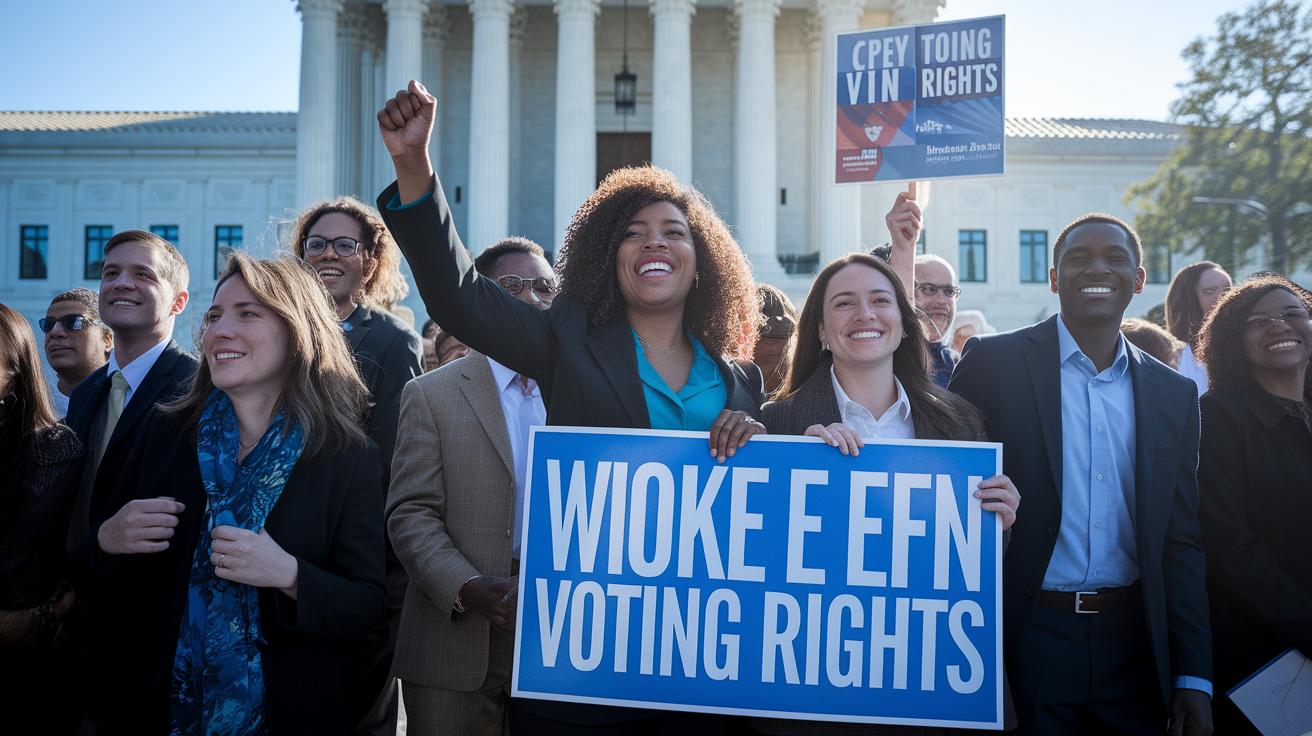
The DOJ Civil Rights Division began during the struggle for voting equality, tasked with protecting voting rights and stopping voter suppression and discrimination. During a time of major social change, the division quickly became a champion for marginalized communities. Its early wins, marked by celebrations like fact sheets, press releases, and a "Beyond 100 Days" review on its 75th anniversary, helped lay a strong foundation for its ongoing fight for social justice. This start shows a moment when hope met bold legal action.
Over time, the division expanded its focus. It set up specialized teams for criminal cases, appeals, and disability rights, and later moved into housing, education, and economic justice. This growth allowed it to tackle more forms of discrimination while taking on new legal challenges. Each step brought it closer to a role of full civil rights protection, ensuring federal safeguards for every citizen. Today, the division stands as a steadfast defender of justice and equality in communities everywhere.
Key Enforcement Areas and Civil Rights Investigations by the DOJ
The Division enforces federal civil rights laws across many areas. It fights unfair practices and defends vulnerable communities. Its work covers several fields and relies on strict oversight and firm legal steps. The Division takes on tough cases to ensure every citizen gets equal protection.
- Voting rights protections
- Immigrant rights investigations
- Police misconduct inquiries
- Education equity enforcement
- Economic justice cases
- Hate crime and bias investigations
Recent actions show the Division stays alert. For example, it reviewed how Harvard and the University of California handled antisemitism claims. This shows its strong commitment to fighting discrimination in schools. Another investigation into an ICE shooting has shed light on police misconduct and internal challenges, strengthening its role in protecting civil rights in all federal activities.
Recent High-Profile Cases and Initiatives of the Civil Rights Division

In 2025, the Civil Rights Division faced claims of reverse discrimination that led many seasoned staff members to quit. This loss of experienced workers has made it tougher for the division to handle critical civil rights cases. One lawyer explained that the heavy workload and internal arguments pushed them to leave even though they still believed in the mission.
A separate investigation into an ICE shooting began amid these staffing issues. The probe revealed serious flaws in how the division runs its processes and makes decisions. Think of it like a ship trying to sail without key parts of its navigation system.
Further inquiries looked into allegations of antisemitism at Harvard and within the University of California system. These probes, conducted under Title VI (federal civil rights laws) and the First Amendment (free speech laws), examined if measures to stop bias and protect free speech were strong enough. One investigator observed that these reviews help ensure even top institutions follow federal civil rights rules.
Advocacy groups have now stepped in by sending letters that call for tighter oversight and stronger free-speech protections. These letters reflect growing public pressure and a shift in enforcement priorities as the division works to rebuild trust in its operations.
Filing a Civil Rights Complaint with the DOJ Civil Rights Division
The DOJ Civil Rights Division gives you several simple ways to report discrimination. If you face unfair treatment or government bias, you can file your complaint online, call a hotline, or use downloadable forms. This system makes it simpler to report cases of discrimination. The online process is clear, and you will find guides to help you understand your rights.
Follow these steps to file your complaint:
- Find the law that applies and the protected group you belong to.
- Visit the DOJ Civil Rights Division website.
- Fill out the digital form.
- Upload any evidence you have.
- Save your case number and note the review schedule.
- Call the hotline or send an email to check your case status.
Once your complaint is submitted, the division follows a set timeline to review each case. You will get follow-up notifications along with guides on your rights. This process makes sure your complaint is tracked and gets the proper attention. Help is available through legal networks and detailed guides if you have any questions or need further assistance.
Organizational Structure and Leadership of the DOJ Civil Rights Division

The DOJ Civil Rights Division is headed by the Assistant Attorney General for Civil Rights. This leader drives federal efforts to stop discrimination and makes sure key federal laws are followed. Think of this role as similar to a captain guiding a team through tough times. They set a clear vision and plan to pursue justice.
The division is split into several teams, including Criminal, Appellate, Voting, and Disability Rights, among others. Each group works on a specific area of civil rights protection, from looking into discrimination claims to managing appeals. This clear setup helps the division tackle many kinds of inequality with set goals and rules.
Staff changes have hit the division hard. About 75% of the attorneys left during the last administration. This loss broke the leadership chain and slowed down case work, showing weaknesses in the team. Now, rebuilding the team and handling cases quickly and fairly is the top priority.
Transparency, Oversight, and Contact Resources for the Civil Rights Division
The Civil Rights Division uses clear reporting and checks to keep federal agencies in line. Its public reports and reviews of bias cases come with official oversight letters and free-speech appeals by civil rights groups. Transparency tools and advocacy campaigns invite community input and show how federal rights are enforced. These actions build trust and help citizens see progress in protecting civil liberties.
You can find key contacts in the official DOJ directories. They include office addresses, hotline numbers, and inquiry emails for questions about federal rights. Other websites let you send questions and get updates on civil rights enforcement. These contact tools make it easy to report issues and speak directly with oversight teams, ensuring clear and prompt communication.
Final Words
In the action, the article explored the mission, history, enforcement areas, and filing process of the DOJ Civil Rights Division. We examined how the division enforces essential civil rights laws and handles major investigations and policy efforts amid staffing changes.
This review gives a clear view of the work carried out by the doj civil rights division and its impact on federal civil rights enforcement. Such insights help readers stay informed and ready to meet emerging challenges with confidence.
FAQ
What does the civil rights division of the DOJ do?
The civil rights division of the DOJ enforces key federal laws like the Civil Rights Act of 1964 and the Voting Rights Act, investigates discrimination, and guides policy on protecting civil rights.
Who investigates violations of civil rights?
The investigation of civil rights violations is handled by the DOJ Civil Rights Division, which reviews claims of discrimination and ensures adherence to federal civil rights laws across various sectors.
What is considered a violation of civil rights?
A violation of civil rights involves actions that discriminate against individuals based on race, color, religion, sex, or disability in areas such as voting, education, housing, and employment.
Who leads the DOJ Civil Rights Division?
Leadership of the DOJ Civil Rights Division rests with the Assistant Attorney General for Civil Rights, who oversees specialized units including voting, disability rights, and criminal sections.
How can I file a DOJ civil rights complaint?
Filing a DOJ civil rights complaint is done by using their online portal, hotline, or downloadable forms to provide details and supporting evidence related to your discrimination grievance.
What is the DOJ Civil Rights Division phone number?
The DOJ Civil Rights Division offers a hotline; you can find the current phone number on their official website to reach them for inquiries and complaint submissions.
What is the DOJ Civil Rights Division address?
The DOJ Civil Rights Division address is listed on their official website; checking the contact section there will give you the most recent and accurate mailing details.
What does the DOJ Civil Rights Division organization chart show?
The organization chart displays the internal structure of the DOJ Civil Rights Division, highlighting divisions such as Criminal, Appellate, Voting, and Disability Rights and their respective roles.
What is the DOJ Civil Rights Division email contact?
The email contact for the DOJ Civil Rights Division is provided on their official contact page, offering a direct way to send inquiries or follow up on complaints electronically.
How can I find job opportunities at the DOJ Civil Rights Division?
Job opportunities at the DOJ Civil Rights Division are posted on official DOJ and government jobs websites, where you can review current openings, role requirements, and application instructions.