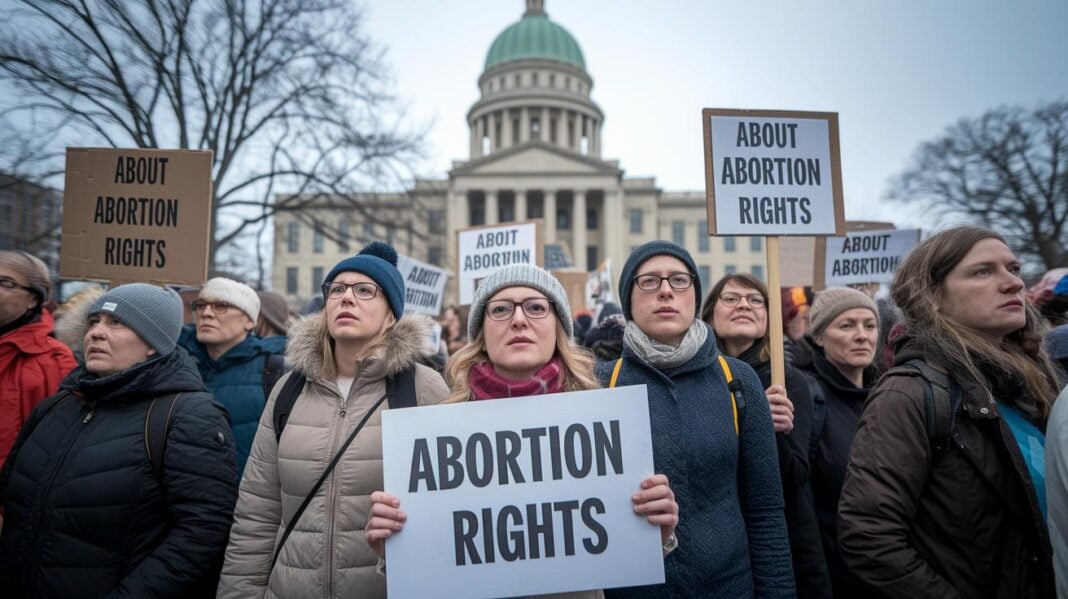

Have you ever wondered why some neighborhoods suffer most during climate change? Climate justice shows these unequal impacts and calls for fair solutions. In many places, few resources meet extreme weather, leaving people without a strong voice. This post explains how linking human rights with cleaner policies can change the balance. Tackling climate change is more than just technical fixes. It means giving every community the support it needs to thrive and recover.
Understanding Climate Justice: Definitions and Core Principles
Climate justice tackles climate change by focusing on real impacts on people and their communities. It means taking action that lowers climate risks while also fixing unfair systems. Think of a town hit by rising seas that doesn't have enough resources to rebuild, that is climate justice at work.
This idea ties human rights to efforts that lower pollution and boost living conditions. For example, the communities most hurt by severe weather often also face economic challenges and have little voice in decisions. Addressing climate change, therefore, isn't just about technical fixes; it's about making sure policies treat everyone fairly.
We need policies that mix fairness with long-term care for the environment so every community benefits. In practical terms, this means creating environmental plans that help vulnerable groups while promoting cleaner and stronger local economies.
The Evolution and Foundations of Climate Justice Movements
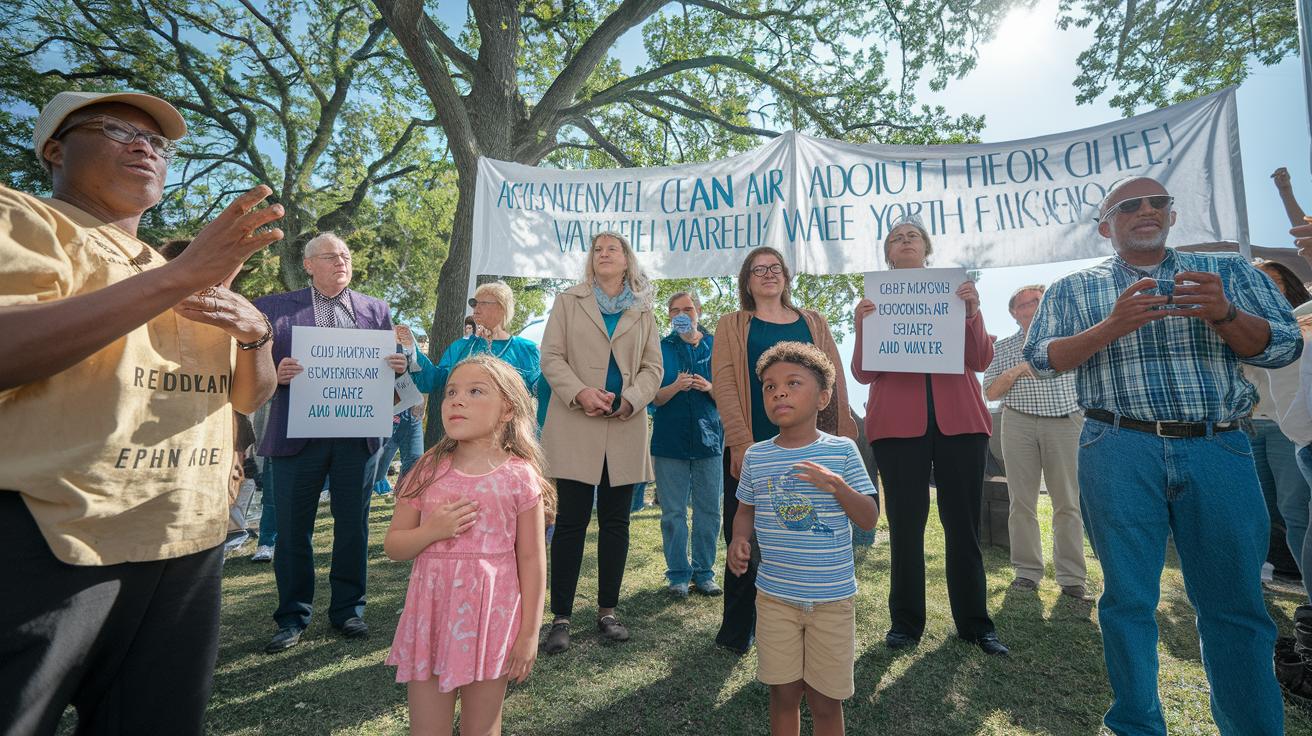
Communities first spoke up when factories and pollution began to affect their lives. Local groups, researchers, and activists noticed unfair use of resources long before climate change became a common term. They argued that every person deserves a clean and safe environment.
Soon, many different groups pushed to treat climate issues as human rights matters. Young people, women, disabled individuals, Indigenous Peoples, and advocates from the Global South asked for more fairness and responsibility. They linked environmental problems to struggles for social and economic justice. This new approach made climate change a rights issue.
| Milestones |
|---|
| 1992 Rio Earth Summit |
| 2008 launch of climate justice networks |
| Key court rulings applying human rights principles |
| Adoption of a human rights lens in policymaking |
Today, the climate justice movement builds on these key moments. It combines ideas of green fairness, sustainable development, and multiple approaches to environmental challenges. Leaders and communities now demand actions that not only reduce emissions but also address social and economic gaps. Each step links past battles for fairness to modern calls for a sustainable and inclusive future. The movement keeps pressure on political and business leaders to protect both people and the planet.
Legal and Policy Frameworks Shaping Climate Justice
Policy plays a key role in fairness. Governments and institutions make the rules that protect vulnerable groups. Clear laws help ensure that every community benefits from a healthy environment.
Across many countries, legal actions keep companies and officials in check. People use human rights and constitutional rules (the country's basic laws) to challenge harmful projects. Courts have looked at cases where communities face health risks from pollution. For instance, some argue that poor air quality breaks their right to live safely and in good health. These cases show that a healthy environment and civic rights go together.
On the global stage, current laws have gaps that let harmful practices continue. Treaties call for fair emission cuts and eco-friendly actions, but many lack strict checks. Funding issues and unclear rules about who can sue mean that cases against big polluters often do not move forward as planned. These weaknesses make it hard to protect communities around the world.
New reform plans aim to fix these issues. They propose more funding for regulators and clearer rules for legal standing. With these changes, cases might be handled more reliably, leading to fairer outcomes in climate justice.
Global Case Studies Illustrating Climate Justice in Action

Real examples show how communities face climate challenges day by day. Looking at these cases lets us see climate justice in action. Experts focus on fair distribution of funds for lowering climate risks (mitigation) and helping communities adjust (adaptation), as well as enforcing global cuts on emissions. This method pushes leaders to back vulnerable groups and take fair climate actions.
| Region/Country | Key Impact | Justice Response |
|---|---|---|
| Namibia | rural electrification gap | youth renewable energy advocacy |
| Africa/Asia | extreme weather frequency | adaptation funding models |
These cases show that effective climate justice happens when fair funding is tied to clear limits on emissions. In Namibia, gaps in rural electricity have driven young people to push for renewable energy so that essential services reach everyone. In Africa and Asia, more frequent extreme weather highlights the need for fast, community-focused funding to help regions adjust quickly. These case studies suggest that policies should ensure every country does its part to cut emissions while offering real help to those facing the worst impacts. Balancing these goals builds a stronger plan to manage both emissions and the financial challenges of climate change.
Climate justice: Inspiring Equity and Action
Grassroots groups are now the engine behind real climate action. Young activists and local communities are challenging old ideas and changing the way decisions are made. For example, the Namibian Youth on Renewable Energy shows how local voices can reshape key sectors. They use clear, direct methods that center on communities, a vital approach in our fast-changing world.
Local movements are sparking many hands-on projects that bring fresh ideas to life. These groups demand accountability and inclusion, proving that the best climate fixes come from those who feel its effects every day.
- Namibian Youth on Renewable Energy
- UN Youth Summit
- Yale Climate Connections newsletter
- Spanish WhatsApp channel for climate updates
- Educator resource hubs
By championing these efforts, activists are steering policy and boosting public understanding of how climate justice impacts daily life. Their campaigns push government leaders and private companies to act more decisively on environmental reform and social fairness. As a result, public debates are increasingly shaped by grassroots insights, leading to policies that balance scientific advice with the real needs of communities facing climate challenges.
Addressing Key Debates: Just Transitions and Climate Reparations
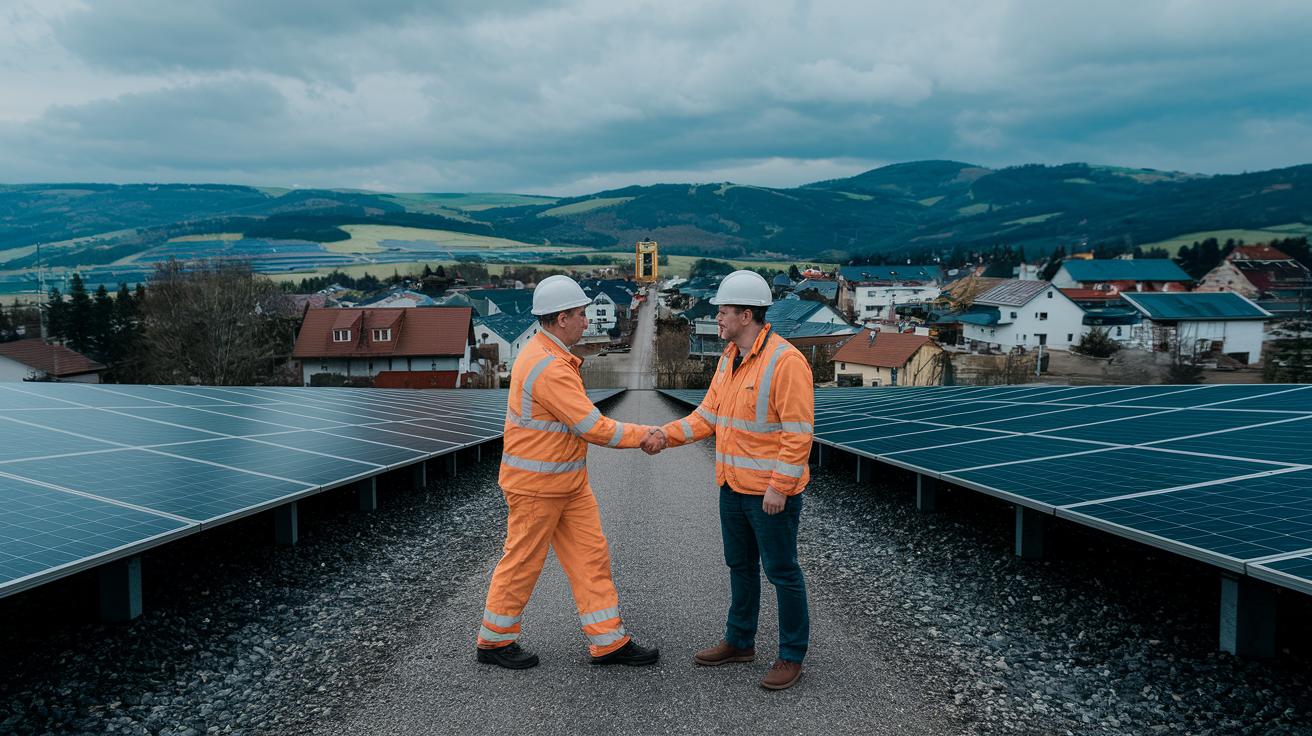
A just transition means shifting our energy and industry practices from harmful methods like coal mining to cleaner alternatives. It promises to create new jobs in green energy while supporting workers and their communities during the change. The idea is simple: as we improve the environment, we must also help the people who work in these industries. For example, in one town that once relied on coal, former miners now run local solar panel projects.
Financing adaptation for countries hit hard by climate change is a hot topic. Many nations face severe weather and economic challenges because of climate change. Leaders are discussing how to best use funds for projects that reduce disaster risks. They are also debating whether wealthy countries should pay reparations (money to fix damage from past emissions). Critics ask how far this financial help should go, while supporters say fair funding can save lives and build strong, resilient communities.
Some proposals point to ideas like temporary subsidies and worker retraining programs to keep things fair. These measures aim to stabilize incomes for those shifting away from fossil fuels while boosting sectors that protect the environment. The goal is to ensure that the burden of change does not fall on those least able to bear it.
Measuring Progress: Metrics and Accountability in Climate Justice
Data-driven indicators create a solid base for tracking our efforts against climate change. They give clear proof of impact and let leaders see the results of their work. This way, every move toward fairness is both measured and understood.
Key signs like temperature rise milestones, adaptation finance flows, and equity benchmarks offer important insights. Today, the planet is about 1°C warmer than pre-industrial times (1850–1900). Projections suggest it could hit 1.5°C between 2030 and 2052 and edge closer to 2°C later. This data shows how funds flow to support communities facing hard challenges. By checking these numbers, decision-makers can spot protection gaps and adjust strategies that merge climate work with social justice.
Clear and open tracking helps guide quick policy changes and empowers affected communities. When both government officials and local groups see easy-to-understand data, they can act right away. This transparency ensures that accountability turns into effective climate action and stronger, more inclusive progress for everyone.
Final Words
In the action, this post broke down clear definitions of climate justice and its core principles. It linked historical milestones, legal frameworks, and grassroots initiatives to the ongoing struggle for fairness.
We examined how policy must blend equity with sustainability and highlighted real-world examples that support data-driven accountability.
These insights empower us with a balanced view of challenges and solutions. With a focus on climate justice, we remain confident that informed, collaborative action will foster lasting, positive change.
FAQ
What is a Climate Justice book?
A Climate Justice book examines how climate change intersects with social equity and policy, offering historical context, case studies, and frameworks that address both environmental challenges and societal disparities.
What are climate justice examples?
Climate justice examples include cases where communities face excess environmental risks alongside economic hardship, illustrating the unequal impact of climate change and the need for fair, community-focused solutions.
What are the 10 principles of climate justice?
The 10 principles of climate justice outline ideas that promote fairness in decision-making, equal accountability, protection for vulnerable groups, and coordinated efforts to create equitable climate solutions.
What is available in a Climate justice PDF?
A Climate justice PDF typically provides detailed information on climate equity, including clear definitions, policy recommendations, case studies, and guidelines for addressing the social and economic aspects of climate change.
What is the UN climate justice definition?
The UN climate justice definition describes the need to tackle climate change by addressing social, economic, and environmental inequalities while creating inclusive policies that protect the most vulnerable populations.
What is a Climate Justice School?
A Climate Justice School offers programs that integrate environmental sustainability and social equity into the curriculum, preparing students to understand and respond to the challenges of climate change with fairness and innovation.
What are the 4 pillars of climate justice?
The 4 pillars of climate justice focus on fair policy development, equitable mitigation efforts, protection through adaptation strategies, and robust accountability mechanisms to ensure that vulnerable communities receive the support they need.
What are the goals of climate justice?
The goals of climate justice center on reducing climate impacts while ensuring that solutions address social and economic inequities, ultimately aiming to create a more just and sustainable environment for all.
What is climate justice vs. environmental justice?
Climate justice versus environmental justice contrasts the focus on global warming and its unequal effects with broader efforts to prevent pollution and local environmental hazards, each addressing fairness at different scales.
What is Climate Justice High School?
A Climate Justice High School refers to educational programs or specialized schools that emphasize climate policies, social equity, and sustainable practices, empowering students to engage actively in fair environmental solutions.