

Can a new set of tech rules boost the global market? New regulations are quietly changing the digital world. Over 500 players and modern laws now guide issues like net neutrality (the idea that all internet traffic should be equal) and data safety (measures to protect personal information).
Agencies from around the world have set simple standards to keep privacy safe and defend consumer rights. This update builds trust and also sparks innovation and fairness among regions.
As policymakers firm up digital rules that cross borders, the outlook for the tech market grows brighter. The future looks more secure and efficient for both tech users and companies.
Global Tech Regulatory Update: Key Highlights
The world of tech rules now covers over 50 topics, with more than 500 players involved across 5 main areas. These areas include phone networks, net neutrality (where all users get equal internet access), and managing vital internet resources. For example, agencies are setting standards that protect privacy, reinforce data security, and keep consumer rights safe.
New laws like the EU Digital Services Act and the Digital Markets Act push digital rules into the modern era. They aim to even the playing field between service providers and users and reduce big tech companies' market power. Some changes even focus on making data use and network activities more transparent.
Policymakers are also tackling issues such as cross-border data flows and aligning digital rules across regions. They work to update national laws so that privacy, telecom standards, and net neutrality keep up with fast changes in technology.
This overhaul builds trust in digital services. Companies now face new challenges that spark innovation, boost efficiency, and encourage global teamwork in tech governance. In a nutshell, a more aligned regulatory framework is creating a brighter future for a secure global digital market.
Regional Breakdown Of Global Tech Regulation
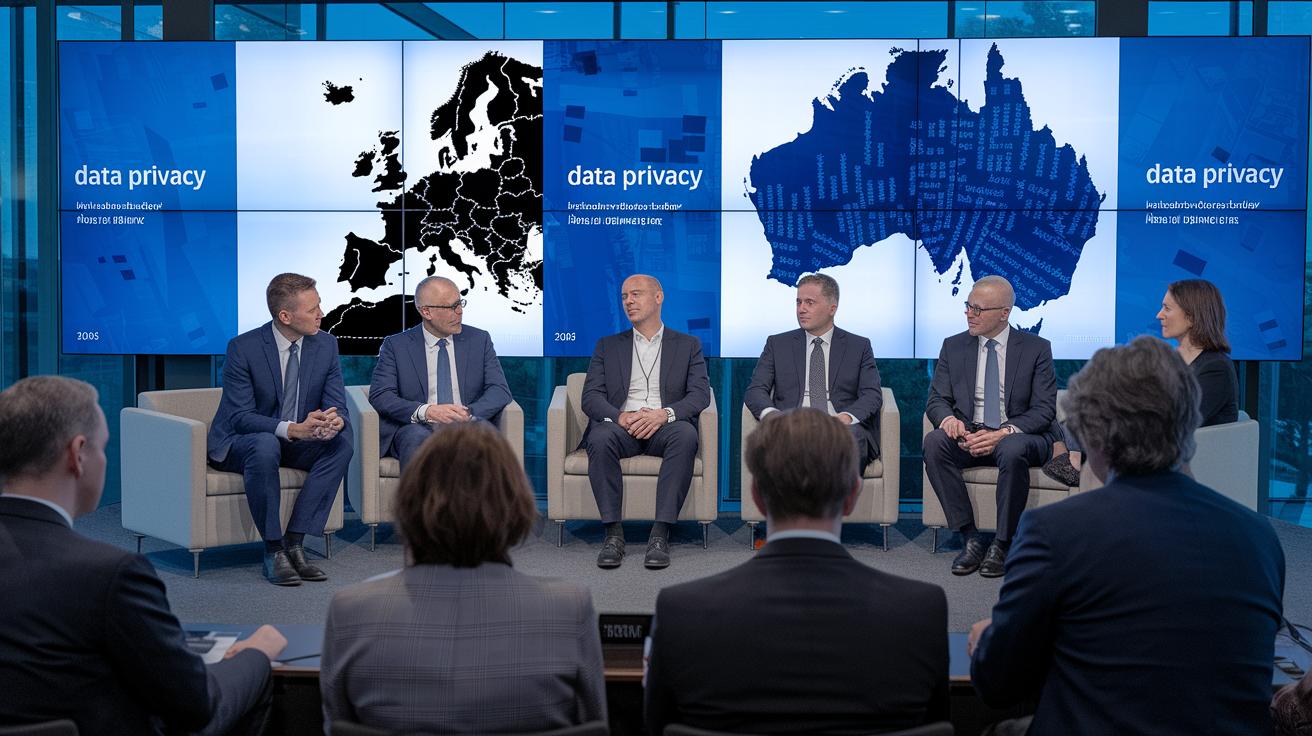
Governments worldwide are setting new rules to manage today’s tech challenges. Regional updates reveal different ways to protect data and improve cybersecurity. In Europe, new laws like the Digital Services Act and Digital Markets Act are being used to change online safety measures, even though disagreements among countries slow progress. Australia is also taking steps to manage tech risks with rules that focus on following guidelines and handling potential problems. These changes show how regions try to let innovation thrive while keeping data and privacy safe.
| Region | Latest Regulation | Key Details |
|---|---|---|
| EU | Cybersecurity reforms under DSA & DMA | Targets reducing reliance on single providers; progress is slowed by disagreements among member states |
| Australia | Generative AI risk regulation (Microsoft Copilot case) | Focuses on compliance problems and updates to the governance framework |
Both regions show a strong commitment to updating their digital rules. Their new policies make big tech companies adjust their operations to meet local demands, changing market habits along the way. Keeping up with these shifts is key, as they affect not only local but also global tech markets.
Emerging Digital Regulation Trends
Compliance teams rely on trend analysis to stay sharp and adjust quickly. They monitor new rules to keep companies on track and use fresh guidelines as chances to improve.
- Guidelines for quantum computing are forming at global groups.
- Security rules for IoT (Internet of Things) devices are being standardized.
- Cloud computing now faces data storage and cross-border limits.
- AI (artificial intelligence) frameworks push for clear regulations to cut risks.
- Mixed models of public and private oversight are emerging in digital markets.
These developments show how countries are reshaping tech rules. International groups are starting to agree on how to handle quantum computing. Efforts on IoT security grow with the rise in connected devices. New cloud rules help manage where data is stored and moved. AI regulations focus on clear rules to lower risks and promote transparency. The new mix of public and industry-led controls signals a move toward cooperative rule-making.
Each change could lower barriers for smaller firms and shift market power.
Case Studies On Tech Oversight

Australian Generative AI Oversight
The Australian government is rethinking its risk rules using the example of Microsoft Copilot. They are working to fix gaps in how they handle generative AI (tech that creates new content). Officials say that current guidelines don't cover all the new challenges this technology brings. Leaders are trying to protect innovation while keeping clear rules in place. They need to make sure that algorithms work transparently and data is kept safe, all without slowing tech progress. For example, a recent report noted that companies must update their internal policies to meet fresh standards.
EU Systemic Risk Management
European regulators are testing new rules under the Digital Services Act and the AI Act. They are looking at risks like network weaknesses that could lead to large market problems. The EU combines public oversight with private controls to manage these issues. This mix, however, creates some uncertainty, especially for global companies trying to catch up with fast-changing digital rules. Analysts suggest that compliance teams should closely watch evolving guidelines to meet both legal and ethical standards. These cases highlight the need for updated risk management as tech oversight becomes more complex.
Impact On Innovation And Industry
Tata’s $11 billion Innovation City plan grabbed attention at the Davos meeting as leaders talked about how tech rules can be updated to match fast progress. This big project shows that new digital rules can lead to major investments in research and development. Companies are now changing their plans to meet new standards while also investing in the latest technology to stay ahead.
TikTok has changed its U.S. operations after facing more questions over data safety. This move shows how rules make companies shift quickly to keep services available. As a result, the company is reviewing how it enters the market and building stronger ties with local partners to earn trust and protect customer data.
Recent ransomware attacks that exposed huge customer databases have led regulators to demand tougher security rules. Businesses now spend more on upgrading their systems and training staff to fight these risks. When large breaches occur, firms have to invest in better cybersecurity, affecting both daily work and long-term plans.
Projections point to a rise in online fraud linked to generative AI by 2026, prompting new policy ideas to stop issues before they grow. These early steps are reshaping how companies view risk and market changes. In response, firms are partnering with others and adjusting product plans to mix security and growth. This shifting environment pushes companies to update their internal rules so that innovation continues while staying within regulatory limits.
International Initiatives And Processes Shaping Global Tech Law

The UN CSTD Working Group on Data Governance unites tech experts and policy makers to set rules for data handling across nations. They focus on laying down clear standards for data flow and protection. Government officials and industry leaders work together on a schedule with goals for the next few years to streamline how data crosses borders.
The UN Open-ended Working Group on ICT Security works to strengthen online communication safety. It creates a forum where countries and digital companies can discuss measures to protect telecom infrastructure and digital networks. After many talks with both public and private groups, the team will propose recommendations to help guide coordinated cybersecurity steps.
At the U.N., Global Digital Compact talks bring members together to create a binding set of rules for digital practices. The aim is to agree on clear guidelines for privacy, fairness, and digital rights. Experts expect these norms to become stronger over time, offering tech companies a steadier regulatory landscape.
The WSIS+20 Process reviews old internet governance rules to suit today’s needs. By gathering views from emerging economies and tech giants, the process updates outdated policies with plans for quick fixes and long-term changes.
Efforts in the EU under the Digital Services Act and Digital Markets Act also play an important role. These joint actions among member states create a unified set of rules and inspire research shared in works like TechReg Volume 2026. Such studies offer insights that shape global policy and lead to practical updates in digital law.
Future Outlook And Emerging Compliance Priorities
Compliance teams are getting ready for fast changes in tech oversight. Analysts expect AI-powered online fraud to rise by 2026. This growing risk shows more solid global rules for information security are needed. Experts say today’s gaps call for harmonized cybersecurity rules across borders. They believe this will help align national standards and create safer digital operations.
A hybrid model of governance is emerging. It mixes public oversight with private standards to handle fast changes and new security issues. Industry leaders are watching this trend closely as they update their compliance plans to fit an evolving risk landscape.
Important events in the near future will shape tech oversight. The TILTing Perspectives Conference is set for 17-19 June 2026 and will bring together policymakers and industry leaders to discuss these issues. Also, an article in TechReg Volume 2026 raises questions about AI legal personhood, sparking debates that may influence future compliance rules. These discussions create a clear path for tech innovators, reminding companies to stay flexible as digital oversight evolves.
Final Words
In the action, this article detailed a global tech regulatory update outlining key compliance issues, case studies, and emerging trends. It examined EU and Australian frameworks, digital oversight trends like AI governance and cybersecurity protocols, and highlighted real-life examples reshaping innovation and industry dynamics. The overview also tracked international initiatives and forecasted compliance priorities set to affect market strategies. Clear insights from each section help guide future decision-making on a rapidly shifting global stage, leaving readers equipped to tackle upcoming regulatory changes with confidence.
FAQ
What is the latest on tech regulation news covered by FT Tech?
The latest tech regulation news by FT Tech covers current digital law updates, spotlighting new compliance measures and frameworks like the EU Digital Services Act that shape global oversight and drive market changes.
What does FT EU tech regulation cover?
FT EU tech regulation focuses on cybersecurity reforms, internet standards, and data protection measures within Europe, ensuring tech platforms align with new digital law requirements and market accountability standards.
What can be learned from the Online Safety Act as reported by FT?
The Online Safety Act, as reported by FT, highlights strengthened safety protocols for online platforms, emphasizing improved accountability and measures to protect consumers and vulnerable users in the digital space.
How have tech giants’ age verification tools been impacted by UK online safety rules?
UK online safety rules test tech giants’ age verification tools by requiring strict compliance with new digital safety standards designed to protect minors and enhance user security on online platforms.
What are the key highlights of global tech regulatory updates?
Global tech regulatory updates emphasize changes across telecommunications, data privacy, and digital standards, with emerging trends in AI governance and cross-border compliance reshaping how multinational firms operate.


