Can California use its climate crisis to move forward? Rising temperatures and worsening droughts show that change is here. In Los Angeles, wildfires and other risks put lives in danger, while inland towns face more water shortages as risk levels increase. Yet there is hope. Officials and local groups are joining forces to create better plans for the future. This article looks at how climate change is changing California and shares the efforts that bring positive shifts in tough times.
Statewide Climate Change Effects in California
California's climate is changing fast. Global warming is reshaping the state. Experts expect drought, wildfires, and heat risks to get worse over the next 30 years until 2050. They use a score from 1 to 100 based on past records and future forecasts. For example, Los Angeles shows one of the highest risk scores, while Riverside's score remains much lower.
Wildfires are a growing threat because hotter and drier weather mixes with changing local conditions. During fire season, smog worsens and harms air quality, which adds stress to public health. California now ranks as the second highest in drought risk among the nearby states. Every decade, experts compare water supply with human need. When demand exceeds supply, the risk score climbs sharply.
The state's varied landscape means people face different challenges. Coastal communities deal with salt air and water intrusion, while inland areas face extreme temperatures. In cities like Los Angeles, officials turn to these risk scores to upgrade infrastructure and boost community readiness. One tool shows each city's risk rating so residents can plan better for the future.
With clear risk scores, both policymakers and local communities are working on plans that build real resilience. They are getting ready for a future where adjusting to climate change is essential and supports sustainable growth across California.
Climate Change-Driven Drought Impact and Water Scarcity Trends in California
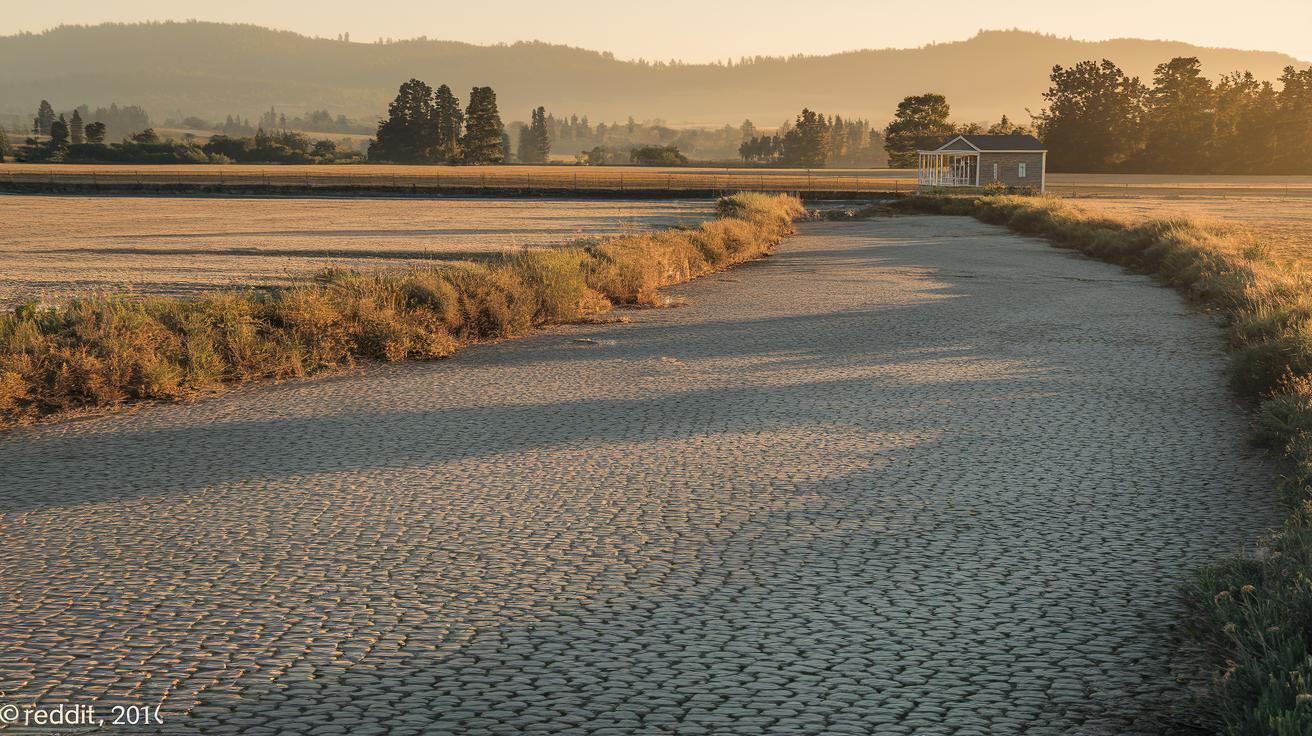
California and the Southwest are facing a severe drought, the worst in 1,200 years. Reduced snowfall (the melted ice that adds water to our streams and reservoirs) is putting stress on both surface and groundwater sources. This drop in water and rising urban and farm needs mean a higher risk of drought. Experts check this risk every decade from 2020 to 2060 by comparing water available to how much people use. When water decreases and demand increases, the risk score rises, showing that conditions will get worse.
A local farmer said, "I watched the stream shrink over a single summer, and it felt like the landscape was shifting beneath my feet." This remark shows how real and urgent the problem is and why we need to act now.
By mid-century, hotter and drier weather will push risk ratings even higher. Communities and decision-makers are looking for ways to use water better, save more, and use it more efficiently. The table below shows how the risk is expected to rise based on supply and demand.
| Year | Risk Assessment |
|---|---|
| 2020 | Baseline risk based on current supply and demand |
| 2030 | Rising risk with growing demand |
| 2040 | Moderate risk as water supply declines |
| 2050 | Significantly higher risk in drier conditions |
| 2060 | Highest risk, showing severe water scarcity |
Climate Change and Wildfire Risks in California: Trends and Management
Wildfire risk in California comes from many factors such as the type of vegetation, the land cover, and the shape of the land. Red flag warnings signal days with high heat, low humidity, and strong winds that can start fast, severe fires in areas that have burned lightly before.
Scientists say climate change has made fire seasons longer and fire conditions more extreme. Rising temperatures and lower moisture levels have weakened natural barriers that once slowed the spread of fire. One expert explained, "A fire that once lasted a day can now burn for weeks under these new conditions." This change has increased wildfire risks in California and puts important roads, like coastal highways, in danger.
Forest managers are working to update how they care for woodlands to cut down on fuel and reduce dangerous fires. Their plans include controlled burns (planned fires set in a safe way), mechanical thinning (removing extra trees by machine), and restoring local plants that are tougher against fires. These methods work together with advanced monitoring systems that use live data to guide emergency responses.
New resource management ideas mix science with hands-on work in the field. By using sustainable practices, communities can lessen damage and protect lives as they face higher wildfire risks.
In parts of Northern California, one lightning strike has ignited fires that burned thousands of acres and reshaped whole ecosystems.
Climate Change-Driven Extreme Heat and Urban Heat Island Effects in California
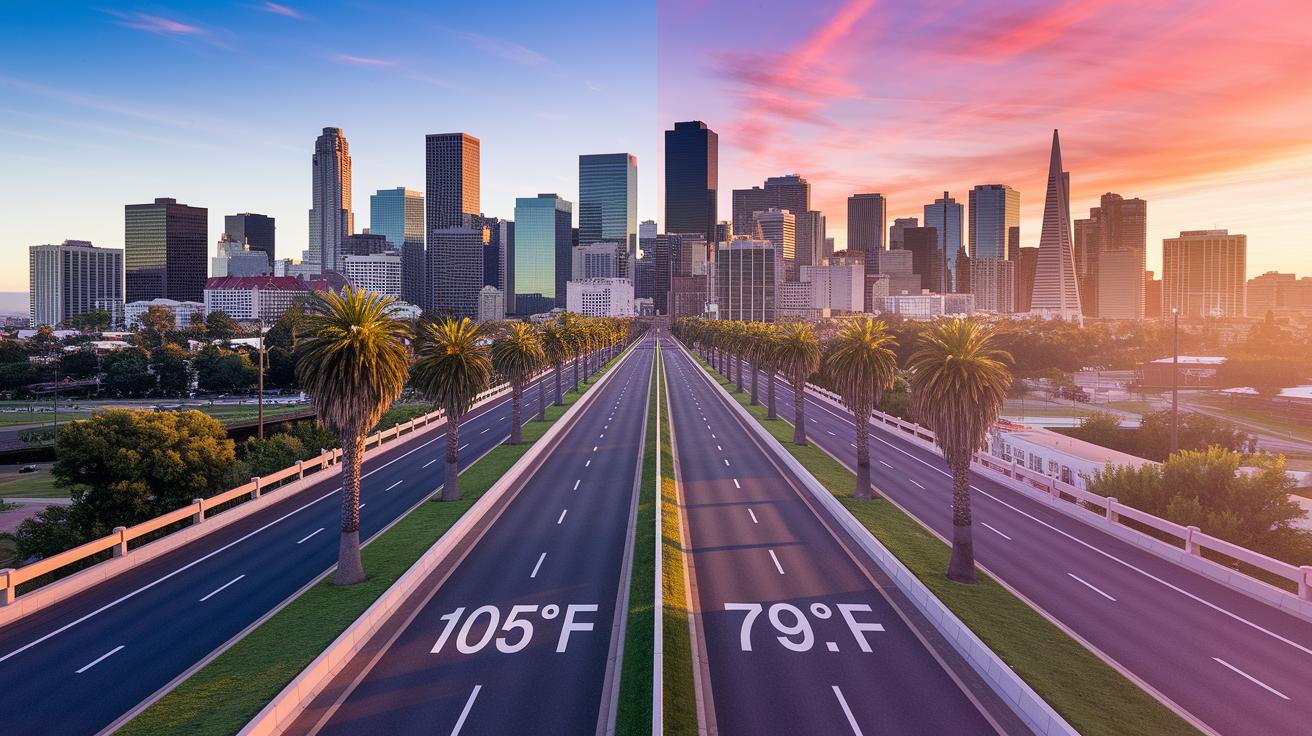
California is facing higher temperatures that are hard to ignore. In Bakersfield, 105°F is considered extremely hot, while in San Francisco, 79°F marks extreme heat. Each city has its own weather history that sets these marks.
Both country and city areas are getting hotter, but cities suffer more because of the urban heat island effect. This happens when buildings and pavement soak up and hold heat, making nights warmer. These extra warm nights increase risks to public health, especially during heat waves when people can get heat stress.
Experts say that by 2050, both the number of hot days and the heat intensity will rise a lot. This means cities could see more days when firefighters are called for heat emergencies.
| City | Extreme Temperature Threshold |
|---|---|
| Bakersfield | 105°F |
| San Francisco | 79°F |
Climate Change-Induced Sea Level Rise and Coastal Challenges in California
California's coast is changing fast as seas rise and storms grow stronger. Highway 1, a 650-mile road along the shore, recently shut down for the first time in 90 years because heavy storms caused landslides and rockfalls. A repair crew noted that it felt like nature was pushing them to the limit.
Rising seas and powerful storms now put roads, homes, and wildlife at risk along the coast. Frequent closures of Highway 1 have led local officials to rethink how they build and maintain infrastructure. Engineers and community leaders are exploring new methods like reinforced seawalls and flexible road designs. These solutions aim to better handle the ongoing challenges of rising tides and extreme weather.
One creative idea involves building roads that bend with the natural forces instead of fighting against them. This adaptive strategy could reduce long-term damage and make travel safer for everyone. As climate change speeds up, sustainable engineering and forward planning are becoming vital to protect California's iconic coastal areas.
Climate Change Policy Initiatives and Legislation in California
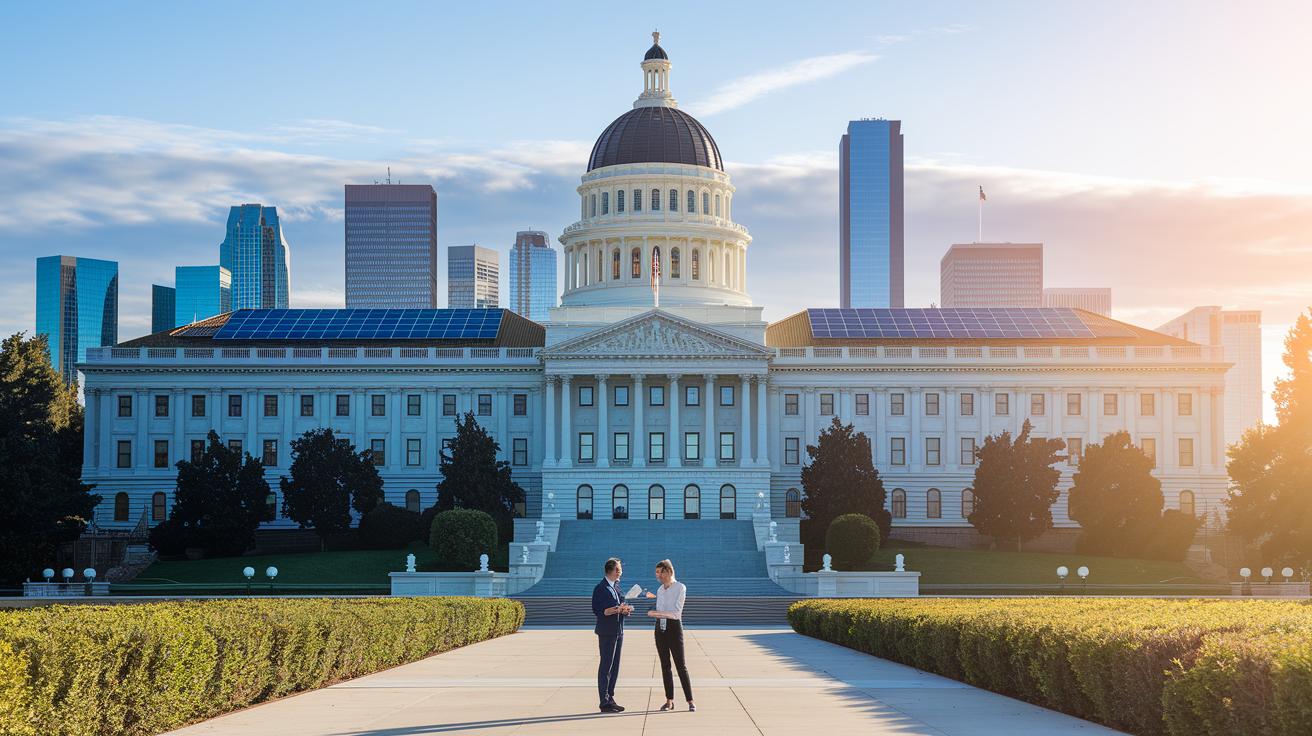
California lawmakers are working to change the state's energy future. New policies aim to cut greenhouse gas emissions while boosting clean energy. The state has set a rule to lower emissions to 40% below 1990 levels by 2030. This rule is a key step toward reaching net zero emissions and shifting how energy is made and used.
A contentious topic is the climate credit program for fuel made from cow manure. Critics point out that even though the program helps capture methane (a powerful greenhouse gas), it also supports natural gas production. This mix raises hard questions about keeping policies aligned with broader environmental goals and moving closer to true sustainability.
State estimates show that up to 12.5 million electric vehicles could be on California roads by 2035, a 15-fold increase over today's numbers. Meeting this target means boosting solar and wind power nearly five times faster than in the last decade. Lawmakers and regulators are working together on funding, building infrastructure, and creating incentives to hit these challenging goals.
Policymakers continue to refine climate laws to address new challenges as California pushes forward for a cleaner, more resilient future.
Climate Change Adaptation and Mitigation Strategies for California’s Resilience
California towns are turning obstacles into chances by using smart plans that cut emissions and strengthen current structures. They are adding green upgrades such as solar panels, wind turbines, and more trees in city areas. One local leader said, "After adding green roofs and planting trees, our hot day temperatures dropped by 3°F, like nature’s own air conditioner." These steps help reduce pollution and make neighborhoods nicer to live in.
Local officials use climate reports that focus on each property and detailed local forecasts to get ready for extreme weather. They gather data on water supply, wildfire risk, and heat to update water systems and create safe zones. Efforts like planting native plants and rebuilding wetlands help nature work as a shield and soak up rain.
Communities also lead projects that mix new tech with local expertise. Installing solar panels and wind turbines in public areas is one part of California's wider plan for carbon neutrality (having no net carbon emissions). Updated water systems and nature-focused projects work together so buildings and roads can handle future weather changes. A community leader said, "It's like strengthening our homes against a storm; every upgrade adds more protection." In all, these actions help California handle climate change while building a cleaner, stronger future.
Final Words
In the action, California’s shifting climate reveals real-time challenges across drought, wildfire, extreme heat, coastal impacts, and legislative responses. Each section shed light on risk ratings, policy measures, and on-the-ground adaptation efforts.
These insights illustrate how climate change in california is reshaping daily life and guiding strategic responses. Step by step, communities and policymakers advance resilient tactics, raising hope for a more secure future.
FAQ
What do the climate change map and related Wikipedia page show about California?
The climate change map and Wikipedia page highlight California’s hazards by displaying projected risks from drought, wildfires, extreme heat, and sea level rise, using historical data and future scenarios.
What causes climate change in California?
The causes of climate change in California include greenhouse gas emissions from vehicles, industry, and energy production, which contribute to rising temperatures and more frequent extreme weather events.
What do California climate change predictions indicate?
California climate change predictions indicate rising temperatures, intensified drought conditions, increased wildfire risks, and coastal challenges, with future scenarios showing a steady increase in hazard risks through 2050.
Will California survive climate change?
The question of California’s survival highlights ongoing resilience efforts but also acknowledges persistent risks from drought, wildfires, extreme heat, and coastal erosion that continue to challenge the state.
What are the OEHHA indicators of climate change in California?
The OEHHA indicators track climate change in California by measuring factors such as temperature increases, air quality deterioration, and heat event frequency to understand public health and environmental impacts.
What do California climate change laws aim to achieve?
California climate change laws focus on reducing greenhouse gas emissions, setting ambitious renewable energy targets, and advancing policies that promote electric vehicle adoption and sustainable practices statewide.
What does climate change in California 2020 show?
The climate change data from 2020 shows record levels of wildfires, higher temperatures, and worsening drought conditions that signal a growing trend in climate-related risks throughout the state.
How hot is California expected to be in 2050?
Projections for 2050 suggest that California will experience significantly higher temperatures, with more frequent extreme heat events that are expected to stress public health and infrastructure.
How is California currently affected by climate change?
California is currently affected by climate change through prolonged droughts, frequent wildfires, rising coastal erosion, and urban areas dealing with extreme heat and air quality challenges.
How long is the three-year window left to limit warming?
The reference to a three-year window highlights the urgent need for immediate actions to curb warming, as delays can intensify climate impacts, reducing the time available to meet global emission goals.