Is fairness just a dream or can we make it real? Social justice fights against unfair treatment by supporting equal rights in healthcare, education, and safe housing. Real stories show that when we remove barriers, hope grows and communities become stronger. Tackling different types of discrimination head-on leads to real change when everyone gets a fair shot. This post looks at how addressing these challenges can reduce unfairness and spark a brighter future for all.
Social Justice Issues Spark Hopeful Change
Social justice means everyone deserves equal rights and opportunities, like healthcare and safe places to live. It shows that every person has equal worth, no matter where they come from. This idea tackles 16 types of unfairness that can affect how we live, work, and learn.
Social justice fights against everyday discrimination. Think of a neighborhood where every child attends a school with enough teachers, safe playgrounds, and the right supplies. Fair access opens doors to a brighter future. Problems can change from one place to another, and each community faces its own challenges in getting the things they need. In rural areas, for example, there might be healthcare shortages, while urban areas might struggle with unstable housing.
Social justice also recognizes that issues are connected. When one part of society falls behind, it can make problems worse elsewhere. For example, before becoming a leading spokesperson, a community organizer saw firsthand how limited access to clean water hurt families. That experience showed the need for broad and fair policies. Sharing these real challenges reminds us that the fight for equality must address many issues at once.
When communities and leaders work together on these connected challenges, it leads to real change and sparks hope for everyone.
Historical Evolution of Social Justice Issues
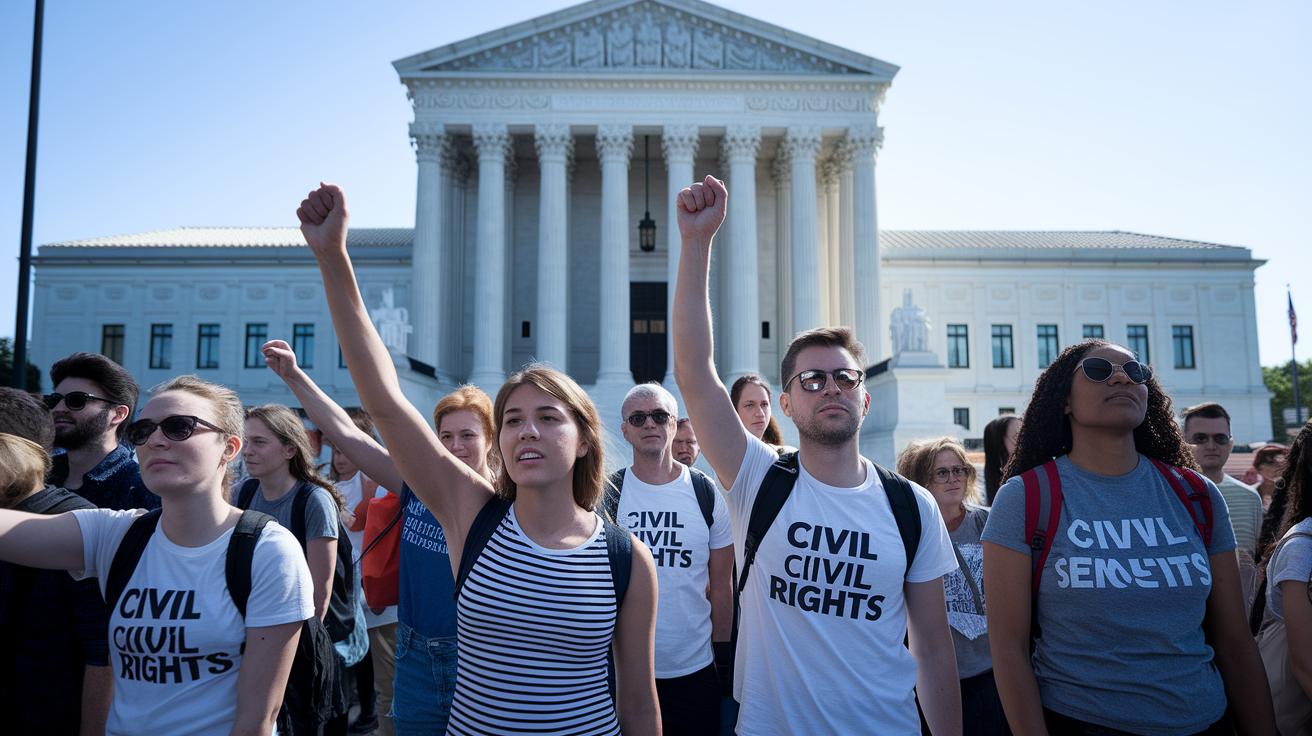
Social justice issues began with early labor and voting rights campaigns. The United States has a troubled history marked by slavery and racism. This history set the stage for the civil rights movement of the 1960s, which fought against unfair laws and worked for equal treatment.
Over time, the struggle grew to include more groups. In the last 20 years, rights for LGBTQ+ people have advanced as views on non-heteronormative identities changed. This progress came from both court rulings and community activism. Yet child labor remains a major problem. Around 160 million children work worldwide, with nearly half in dangerous jobs and one third missing school.
Modern groups like Black Lives Matter gathered millions in 2020 to protest systemic racial discrimination and call for quick change. In 1960, protesters in small towns carried handmade signs, not realizing they were sparking a movement that would shape society for decades.
These events show how past injustices and new activism work together to challenge discrimination. They leave a legacy that still guides the fight for a fairer future.
Economic Disparity and Income Inequality in Social Justice
Over the past 30 years, the top 1% of earners have seen huge income boosts, while the bottom 20% barely moved. Over three decades, a few have seen big gains while many families have not kept up with rising costs. This gap shows that many barriers keep opportunities limited and wealth concentrated in a small group.
These hurdles make it hard for many people to escape poverty. When most salaries stay flat, investments in public education, healthcare, and local projects drop. As a result, people get stuck in a cycle where fewer resources lead to even tougher chances for better jobs or training. This means families have little chance to move up economically.
Housing problems show how tough this can be. Since 2022, steep cost hikes and the end of COVID-19 relief plans have pushed more families into unstable living situations. Many now deal with crowded, unsafe homes, which add both financial and emotional stress. This situation not only hurts well-being but also makes it hard for families to build wealth over time.
Economic unfairness touches every part of society. It affects education, healthcare, and job possibilities. The ongoing unequal spread of income and wealth deepens social divides and slows community growth. Many argue that big changes are needed to break these cycles and create a fairer system for everyone.
| Indicator | Description |
|---|---|
| Income Inequality | The top 1% enjoyed big income jumps while the bottom 20% stayed nearly the same over 30 years. |
| Poverty | Barriers in the system keep opportunities low and poverty persistent. |
| Housing Insecurity | Rising costs and the end of relief efforts have led to more unstable and unsafe housing conditions. |
Race, Ethnicity, and Equity Challenges in Social Justice
Racial discrimination is still a daily challenge despite decades of reforms. Many communities face both clear and hidden biases at work and in institutions. For example, research shows that Black men are six times more likely to be sent to prison than white men. This fact highlights long-standing inequalities in our justice system.
Inequities exist at home too. Studies find that 11.4% of Black children have a parent in prison, compared to 1.8% of white children. These numbers are more than data; they represent families and communities grappling with the effects of mass incarceration. Disrupted education and fewer economic opportunities are just a few of the challenges they face.
The COVID-19 pandemic has made these issues even clearer. Racial minorities have suffered worse health outcomes, bigger education gaps, and more job losses. Many in these communities had a hard time getting quality health care, a problem worsened by fewer local clinics and lower rates of insurance.
Another important challenge is the digital divide. People of color, along with tribal and rural communities, often lack access to high-speed internet. This gap makes it harder to use online education, find jobs, and take part in civic life. When communities struggle to get online, they miss out on services that now rely on digital connections.
These issues show that race and ethnicity continue to shape access to justice. When systemic, digital, and economic hurdles stand in the way, rebuilding communities and ensuring fair chances for all becomes a major task. Real change will need focused policies and strong community support to close these gaps and give everyone a fair start.
Gender, Sexuality, and LGBTQ Equality Efforts in Social Justice
Women still earn less than men and hold fewer leadership roles. Between 2018 and 2021, more than 78% of the sexual harassment complaints filed with the Equal Employment Opportunity Commission (EEOC) came from women. Before big changes, many women worked in low-paying jobs for years without recognition. This shows that progress in one area does not wipe away old inequalities.
In the past 20 years, legal protections and social acceptance for LGBTQ+ people have grown. Yet almost half of LGBTQ+ workers say they face discrimination at work. Many also deal with unfair treatment in education, housing, healthcare, and other public services. This unfairness limits their job prospects and personal growth. Imagine a workplace where every worker, no matter who they are, feels welcome and valued. Many are still waiting for that day.
Community groups and activists keep fighting for fair pay, leadership opportunities, and safe, supportive work spaces. Through open talks and clear actions, they aim to break down stereotypes and biases. Their efforts are key to building a place where everyone gets a fair chance to succeed. The push for change continues as many work to reform outdated practices and structures.
Access to Health, Education, and Housing: Social Justice Dimensions
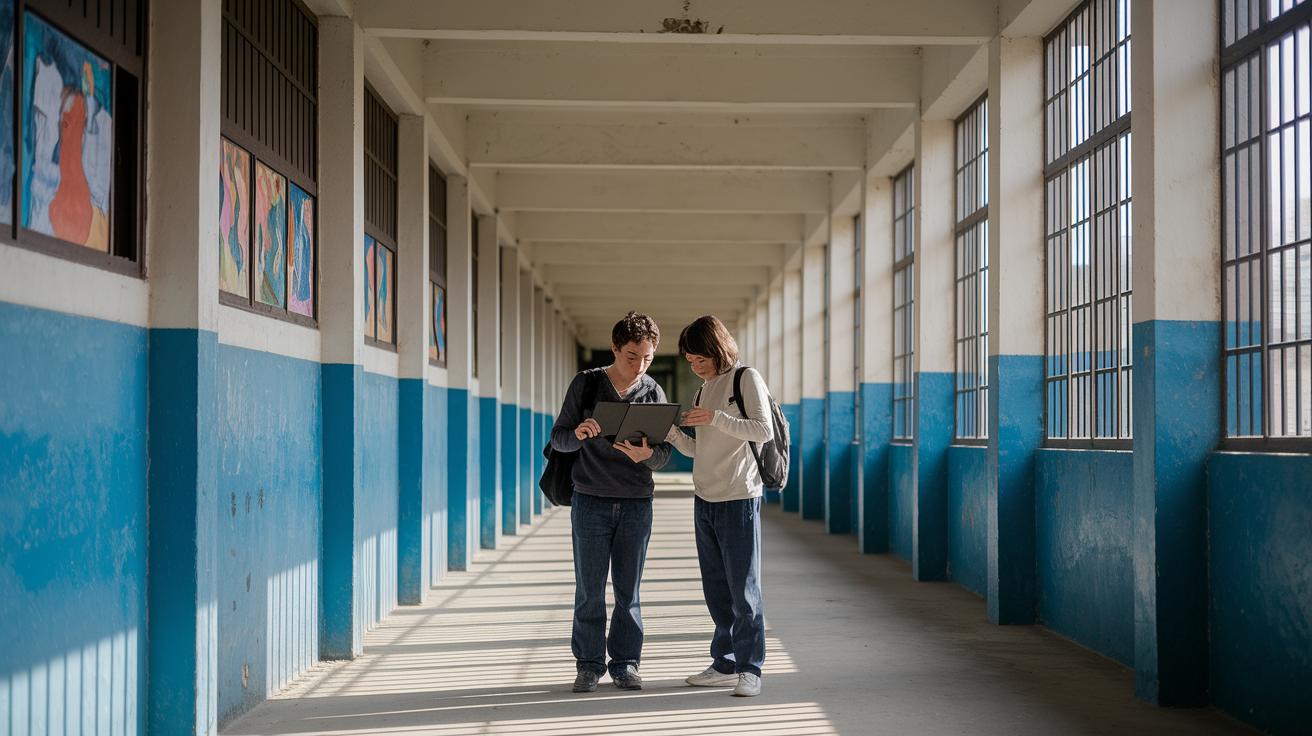
Marginalized communities still face few healthcare options, a problem noted throughout this report. Schools in underfunded areas struggle to update their teaching methods. One student said they wished the school used modern methods like those common in wealthier areas.
Before Marie Curie became a famed scientist, she once carried test tubes with radioactive materials in her pockets. She did not know then that these risks would later shape her legacy.
Clean water remains a major concern. Approximately 2.2 million U.S. residents do not have running water at home, putting many people at risk.
Rising housing costs and the end of COVID-19 relief programs since 2022 have made housing even more unstable. These changes have widened the economic gap that already affects these communities.
Climate Change and Social Justice: Environmental Concerns
Climate change is making social justice problems even worse. In 2019, the UN Foundation warned that rising carbon dioxide (a harmful gas) emissions are a top global concern. Extreme weather like floods and heat waves hit vulnerable communities hard. People with low incomes, communities of color, and those in developing countries often have little help when disasters strike. Polluted water and bad air quality tend to affect groups without much money or power.
These issues worsen old problems in health, housing, and education. For example, communities with weak healthcare face more breathing problems when the air is polluted. High costs for recovery push many families deeper into poverty, making it hard to stay safe. In one town, a lack of disaster relief led to business closures and more job losses.
Local leaders and policymakers need to invest in clean energy and sturdy infrastructure. They say that solutions for the environment must also tackle social injustice so that every community benefits. Only by linking climate action with social support can we help both well-resourced and under-resourced groups. The need to act is urgent and the stakes are very high.
Activism, Policy, and Community-Based Social Justice Solutions

Local projects and grassroots movements are reshaping neighborhoods. A foundation is investing $30 million over five years to help community financial groups update their systems, hire more staff, and add new technology. This funding not only opens up economic opportunities but also gives communities the financial tools they need. For example, think of a small bank in an underserved area that can now offer better loans and services with this support.
Education and job training programs are also vital. Local groups offer more than 25 paid internships each year for HBCU and Black students to boost graduation rates and improve the number of leaders from these communities. Before becoming a recognized business leader, Tanya took an internship that opened new career doors. Such programs help build talent and bring fresh ideas into community progress.
Digital access is a major focus too. New equality progress bonds aim to bring high-speed Internet to areas that have long struggled with poor connections. Better digital access helps people take online classes, use vital services, and join today's workforce.
Regional efforts in Memphis, Houston, Greater New Orleans, Charlotte, and Birmingham show how coordinated local programs can make a difference. These efforts boost minority business creation and improve access to capital. At the same time, policy reviews are guiding state and federal agencies to improve funding and set better priorities. Local lawmakers and engaged citizens work side by side to remove barriers. Real-world activism and careful investments like these build a future where marginalized communities can direct their own growth and spark meaningful change.
Final Words
In the action, this post maps out social justice issues by exploring core values, economic disparity, race and gender challenges, and hurdles to essential services. It covers how these elements affect daily life and highlights community and policy efforts to create change. Each section offers a clear view of the struggles and progress made in addressing inequality. The piece leaves us with practical insights that encourage continued work and hope for a fairer future.
| Indicator | Description |
|---|---|
| Income Inequality | Top 1 percent saw exponential growth vs. stagnant bottom 20 percent over 30 years. |
| Poverty | Systemic barriers perpetuate limited opportunities and chronic poverty. |
| Housing Insecurity | Rising costs and ended relief programs increased homelessness and shortened life expectancy. |
FAQ
Frequently Asked Questions
Social justice topics for students
Social justice topics for students focus on subjects like inequality, civil rights, and environmental fairness. These topics help students learn about equal rights and how systems impact access to services.
Social justice issues in society
Social justice issues in society relate to systemic inequalities in race, gender, education, and housing, all affecting access to essential services and opportunities.
Social justice issues no one talks about
Social justice issues that rarely get attention include barriers in digital access and environmental challenges in low-income communities, which can significantly affect community well-being.
Social justice issues examples
Social justice issues examples include income inequality, racial discrimination, gender pay gaps, and limited access to healthcare, all of which hinder equal opportunities.
Social justice issues in the world
Social justice issues in the world include economic disparity, systemic racial bias, and uneven healthcare distribution, demonstrating how global inequalities affect daily life.
Social justice issues in education
Social justice issues in education involve unequal access to quality teachers, advanced courses, and technology, leaving students in low-income areas with fewer resources.
Social justice issues in America
Social justice issues in America encompass racial discrimination, income disparity, and unequal access to healthcare and housing, all rooted in historical and systemic challenges.
Social justice issues 2025
Social justice issues in 2025 are expected to center on digital inequities, climate impacts, and continuing economic disparity, highlighting the need for modern policy responses.
What are the 4 types of social justice?
The four types of social justice include distributive, procedural, retributive, and restorative justice, covering fair resource distribution, equal treatment, punishment of wrongdoing, and repairing harm.
What are the biggest social issues?
The biggest social issues include income inequality, racial discrimination, gender inequality, and limited access to education and healthcare, each profoundly affecting societal well-being.
What social issues does Gen Z care about?
Gen Z cares about social issues such as climate change, racial and gender justice, and digital equity, focusing on creating fairer, more inclusive communities.
What is social justice and give an example?
Social justice is the belief that every human deserves equal rights and opportunities; for example, providing equal access to quality education for all students is a clear instance of social justice in practice.
| Indicator | Description |
|---|---|
| Income Inequality | Top 1 percent saw exponential growth vs. stagnant bottom 20 percent over 30 years. |
| Poverty | Systemic barriers perpetuate limited opportunities and chronic poverty. |
| Housing Insecurity | Rising costs and ended relief programs increased homelessness and shortened life expectancy. |