Have you noticed that summer feels hotter and storms seem more intense? Our climate is changing fast. The Earth used to follow slow natural cycles, powered by things like volcanoes and the sun. Today, human actions have sped up these shifts.
We burn fossil fuels (such as oil and coal) and cut down large areas of forest. Both actions raise carbon dioxide levels. Carbon dioxide is a gas that traps extra heat in our atmosphere. This extra heat makes our weather more extreme.
Understanding how we impact the climate can help us take action and shape a better future.
Climate Change Fundamentals: Definition and Key Concepts
Climate change is a long-term shift in Earth's average temperature and weather patterns that lasts for decades or even centuries. Natural weather cycles do change over time, but the quick shift since the Industrial Revolution shows a clear human impact. Burning fossil fuels and cutting down forests have pushed carbon dioxide levels up by about 50% from pre-industrial times. Here's a surprising fact: before the Industrial Revolution, natural events like volcanic eruptions mainly influenced our climate; today, human actions have a much larger effect.
Humans now drive the warming of our planet. In the past, slow-changing forces such as volcanoes, sun patterns, and ocean currents set our climate. But today, human activities like producing more greenhouse gases (gases that trap heat), rapid deforestation, and heavy fossil fuel use make the temperature rise much faster. This marks a clear break from the slow and natural shifts seen in previous centuries.
| Natural Factors | Human Factors |
|---|---|
| Volcanic Activity | Greenhouse Gas Emissions |
| Solar Irradiance | Deforestation |
| Ocean Current Variability | Fossil Fuel Combustion |
These points show how climate change mixes slow, natural shifts with rapid, human-driven actions, leading to a major transformation in our environment.
Key Drivers of Climate Change
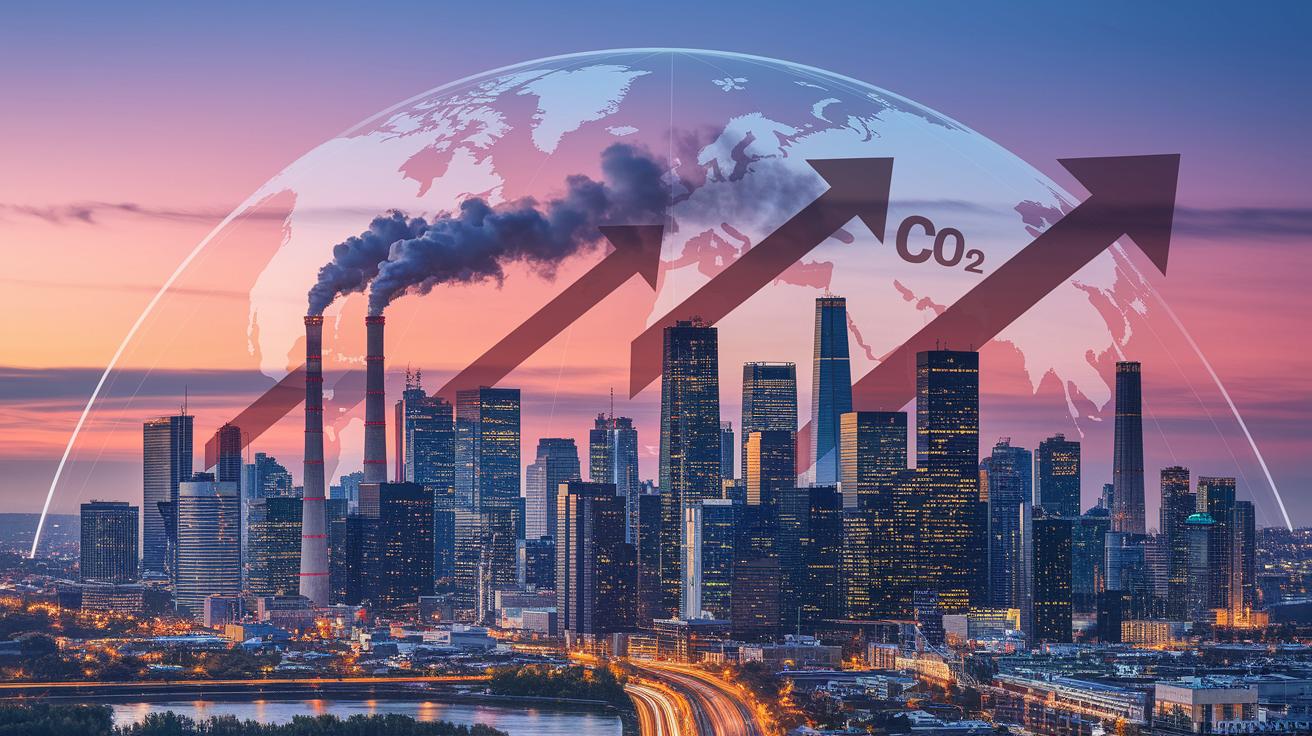
Many things affect our climate. Natural variations have always played a part, but human actions now lead the change. Burning fossil fuels (like coal, oil, and gas) and converting land for farming and building have raised carbon dioxide levels by about 50% from times before industry began. This extra CO2 keeps more heat in our air.
| Gas | Source |
|---|---|
| CO2 (carbon dioxide) | Fossil fuel burning and deforestation |
| CH4 (methane) | Livestock and landfills |
| N2O (nitrous oxide) | Agriculture and industrial processes |
| Fluorinated gases | Production in factories and refrigeration |
These added gases trap more heat by a process called radiative forcing (an imbalance between the energy Earth gets from the sun and what it sends back into space). When extra heat stays in our atmosphere, it upsets the natural balance of our climate. Weather becomes more extreme, with stronger storms and changes in temperature and rain patterns.
Natural changes happen slowly, giving life time to adjust. Today, the rapid rise in greenhouse gases forces quick changes in environments and communities. Our heavy use of fossil fuels and widespread industrial activity make the world warm much faster than in the past. These natural and human factors together shape the challenge of climate change.
Measurable Evidence of Earth's Warming from Climate Change
Since the start of the industrial era, Earth's surface temperature has risen by about 1.09 °C, with nearly 1.07 °C of that increase caused by human actions. This change is clear from data collected at many monitoring stations around the world. Before we had precise instruments, people looked to nature for hints. Now, even slight temperature differences show us that the planet is warming faster than normal.
Arctic sea ice has dropped sharply in recent decades, and sea levels have risen nearly 20 cm because warmer water expands and glaciers melt. Satellite images confirm that ice is disappearing from polar regions, which impacts coastal areas significantly. The loss of ice also changes weather patterns and harms delicate ecosystems beyond the Arctic.
Extreme weather events are becoming more frequent and intense. Storms, heat waves, wildfires, and heavy rains are stressing our infrastructure and natural habitats. This rise in severe weather shows us a strong link between higher temperatures and disruptive climate events.
Impacts of Climate Change on Ecosystems and Society
Ecosystem Disruption
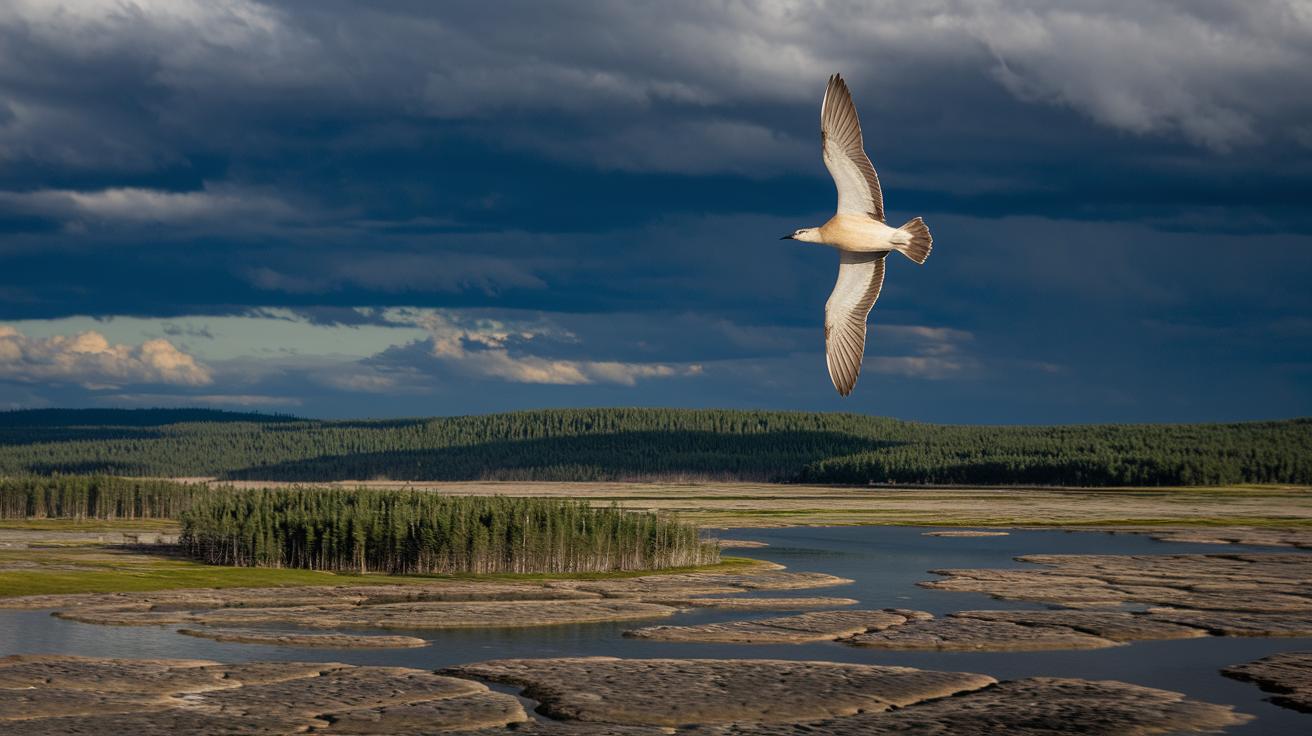
Climate change is shaking up our natural world. More storms, heat waves, and wildfires force animals and plants to find new homes. When species move, nature's balance is upset. For instance, migratory birds now change their routes in search of cooler areas. This shift means they often miss their old nesting spots.
Shifting weather and heavy rains also add stress. Unpredictable floods and droughts damage forests, wetlands, and grasslands. Many species that need steady conditions struggle to survive. This loss of diversity weakens our natural systems.
Human Health and Displacement
Extreme weather events put human health at risk. Intense heat waves lead to heat stress and worsen breathing problems. More insects spread diseases that can burden local clinics. These health challenges show how stretched our public systems can be.
Rising sea levels and stronger storms force communities to relocate. Coastal areas suffer from erosion and flooding, pushing residents away from their long-held homes. This movement puts extra pressure on cities and local support services, highlighting the need for better community planning.
Economic and Agricultural Effects
Erratic weather takes a toll on farmers. Changes in rain and temperature disrupt planting cycles and shrink crop yields. This makes food scarcer and can drive up prices in local markets.
Communities also face growing costs from disaster recovery. Damage from storms and floods forces towns to spend more on repairs than on growth. These financial challenges slow regional progress and affect all parts of society.
what is climate change: A Brighter Outlook
Most climate experts agree that humans drive today's warming. Over 97% of climate scientists support this view. Peer-reviewed research in IPCC (Intergovernmental Panel on Climate Change) reports confirms that our modern lifestyle has upset the natural balance of the Earth's climate. Studies from around the world help guide policymakers as they work to lower greenhouse gas levels. Simply put, burning fossil fuels and cutting down forests since the Industrial Revolution have shifted temperature and weather patterns.
Climate models give us a peek into what the future might hold. Scientists run computer simulations to test different emission scenarios and to measure radiative forcing (the energy imbalance created by greenhouse gases). Even a small increase in radiative forcing can set off a chain reaction of temperature changes that affect weather around the world. By combining past data with current trends, these models estimate how much the planet might warm under different conditions. They also help researchers understand natural feedback loops and adjust predictions as our atmosphere changes.
Looking ahead, forecasts show that exceeding a 1.5 °C increase from pre-industrial temperatures will make climate risks worse. Under high-emission scenarios, models predict more extreme weather events and significant changes in regional climates. The strong link between radiative forcing and future warming shows why cutting emissions quickly is vital. These projections serve as a roadmap, helping us plan for the challenges ahead and make smart choices for a more resilient future.
Mitigation and Adaptation Strategies for Climate Change
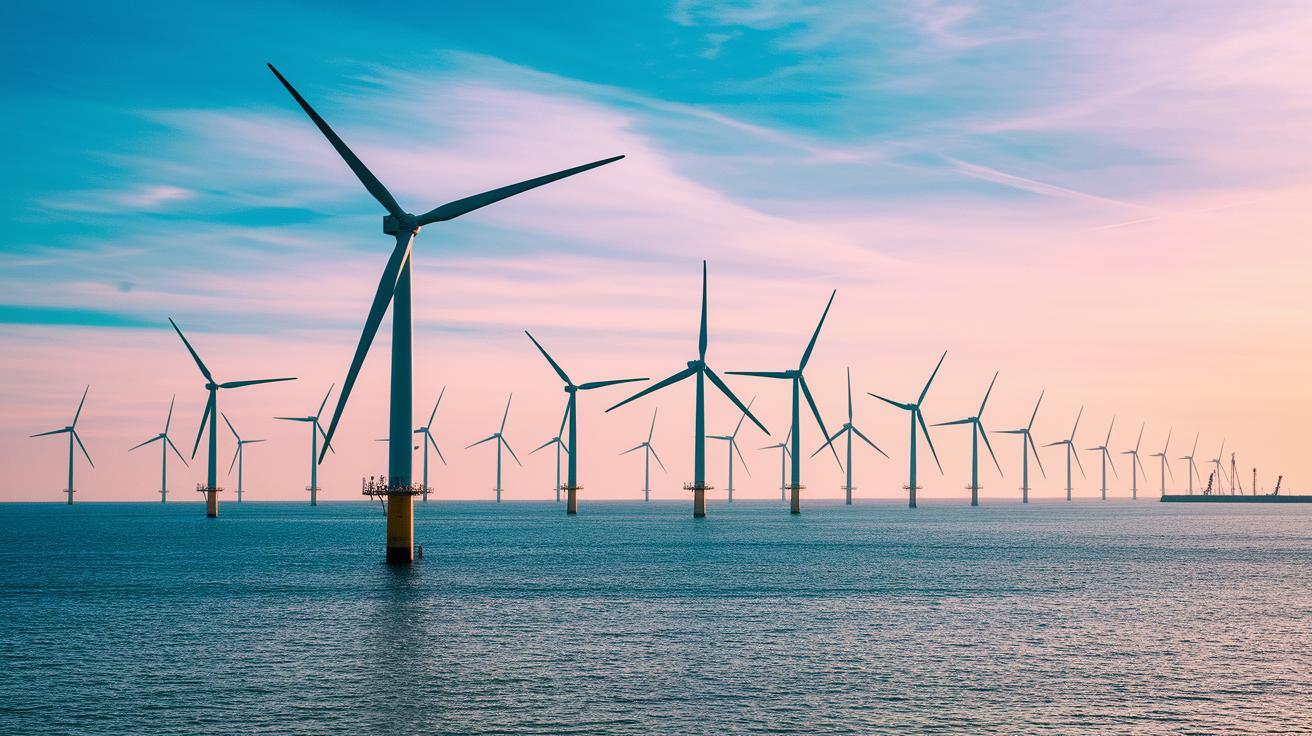
Mitigation cuts down on greenhouse gas output. It does this by switching to clean energy and reducing fossil fuel use. Adaptation, on the other hand, helps us adjust to the climate changes that are already happening. Both methods work together to protect our communities and nature.
Wind Energy Project Example
In Essex and Suffolk, an offshore wind farm with 79 turbines is set to power one million homes. The wind farm replaces fossil fuels with wind power, which lowers carbon dioxide levels in the air. This project shows how large clean energy efforts can drive sustainable growth and serve as a model for other regions.
Governments and businesses now focus on using clean energy and improving energy efficiency. They back projects like wind and solar power installations and upgrade buildings, transportation, and infrastructure to save energy. These changes make a big impact on reducing emissions.
Adaptation measures help communities become tougher in the face of extreme weather. City planners are improving disaster response systems and reinforcing public infrastructure. This includes building better water management systems, strengthening coastal areas, and redesigning urban spaces. Together, these efforts both slow further damage and prepare society for future climate challenges.
Role of Policy and International Agreements in Addressing Climate Change
International agreements like the Paris Agreement help countries work together on climate change. The pact asks each nation to try to keep global warming below 1.5 °C compared to pre-industrial times. It has pushed many governments to start pricing carbon and setting clear emissions limits. Many nations began with basic steps toward cutting emissions, and these early moves have grown into wider international efforts. However, debates continue over whether all countries are doing enough and keeping their promises. Different rules and goals show that it is hard to match strict environmental standards with different economies.
At home, governments use a mix of market tools and direct rules to cut emissions. Many have created carbon trading programs. In these programs, companies buy and sell limits on their pollution, giving them a financial reason to reduce emissions. National plans often include tougher rules on pollution, rewards for clean energy, and clear monitoring practices. These efforts are important because they show how each country’s unique approach can affect global emissions. They also reveal where progress is happening and where stronger actions may be needed.
Individual Actions to Address Climate Change
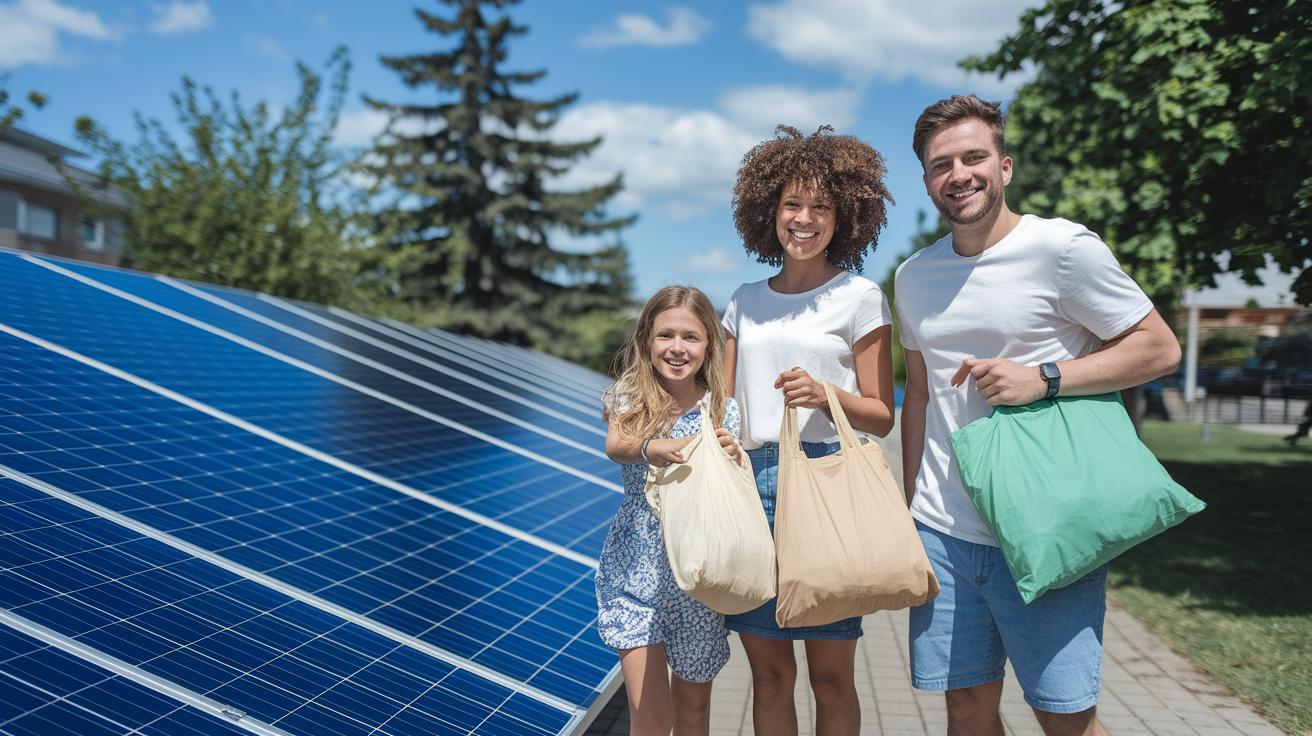
You can cut your carbon footprint with simple everyday choices. Upgrade your home energy system, switch to clean energy providers, reduce waste, and choose eco-friendly travel. For example, replacing old appliances with energy-saving models and using LED lights can lower your energy use. Riding a bus or biking instead of driving cuts down fossil fuel use. Each small step helps lighten the load on natural resources and lowers greenhouse gas emissions.
Working together makes these efforts even stronger. Sharing your green habits boosts community support for smart climate policies. Join local recycling programs, take part in educational sessions, or help with community green projects. When many households save energy and reduce waste, they send a clear message. This encourages leaders and businesses to back green plans that move us toward a sustainable future.
Final Words
In the action of our coverage, we explored fundamental concepts, drivers, evidence, and the wide-reaching impacts of climate change. The piece detailed scientific views, policy measures, and practical individual steps in addressing these shifts.
Understanding what is climate change helps clarify the risks and opportunities ahead. Small actions and smart policies can steer us toward sustainable solutions and a more stable environment. Stay informed and engaged as we work together for a positive future.
FAQ
What is the simple definition of climate change?
The simple definition of climate change describes a long-term shift in Earth’s temperatures and weather patterns. It involves both natural variations and human-caused changes.
What are the causes of climate change?
The causes of climate change include natural factors like volcanic activity and solar shifts, as well as human actions such as burning fossil fuels and deforestation that add extra gases to the atmosphere.
What are the types of climate change?
The types of climate change are seen as slow, natural shifts over time and faster, human-driven changes that affect weather patterns and ecosystems worldwide.
How can climate change be explained to kids?
Explaining climate change to kids means saying that Earth’s weather is changing slowly because of actions like burning fuels and cutting trees, which makes our environment warmer and alters our seasons.
What is climate change in geography?
In geography, climate change means long-term changes in weather patterns and temperatures across areas. It covers both natural cycles and recent human-induced changes that reshape the land.
What is a climate change essay?
A climate change essay discusses how the Earth’s weather and temperatures change over long periods. It covers causes, effects on wildlife and people, and ideas to lessen these changes.
What is the difference between climate change and global warming?
The difference between climate change and global warming is that global warming focuses on rising temperatures, while climate change covers a wide range of environmental shifts including rainfall, storms, and seasonal patterns.
What does a climate change PDF usually contain?
A climate change PDF typically contains clear definitions, data charts, and explanations of both natural and human-caused shifts in weather patterns, offering readers a detailed review of the topic.