
Could climate change drive progress in ways we never thought possible? Extreme weather, like long fire seasons and heavy rains, is pushing communities to change how they live and work. In areas facing rising seas and severe drought, people are turning to smarter, eco-friendly methods that save money and protect lives. These new choices challenge old habits and spark fresh ideas for building a better future. This article explains how tough lessons from climate change can open doors to lasting change.
Effects of Climate Change Spark Sustainable Progress
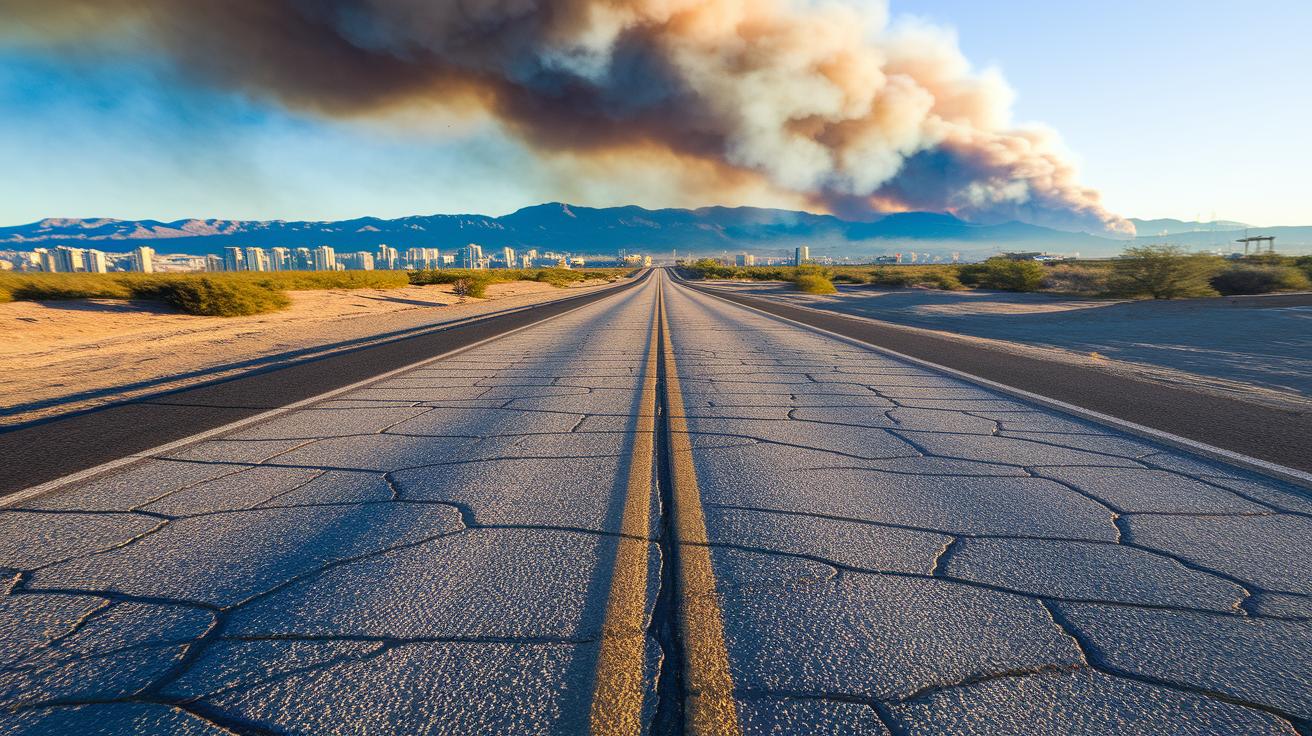
Climate change is making extreme weather events worse. Heatwaves last longer and hit harder. Droughts, wildfires, storms, and floods are becoming more frequent and damaging. In the western United States, fire seasons are longer than before and storms bring record rainfall. These events strain roads, buildings, and community safety worldwide.
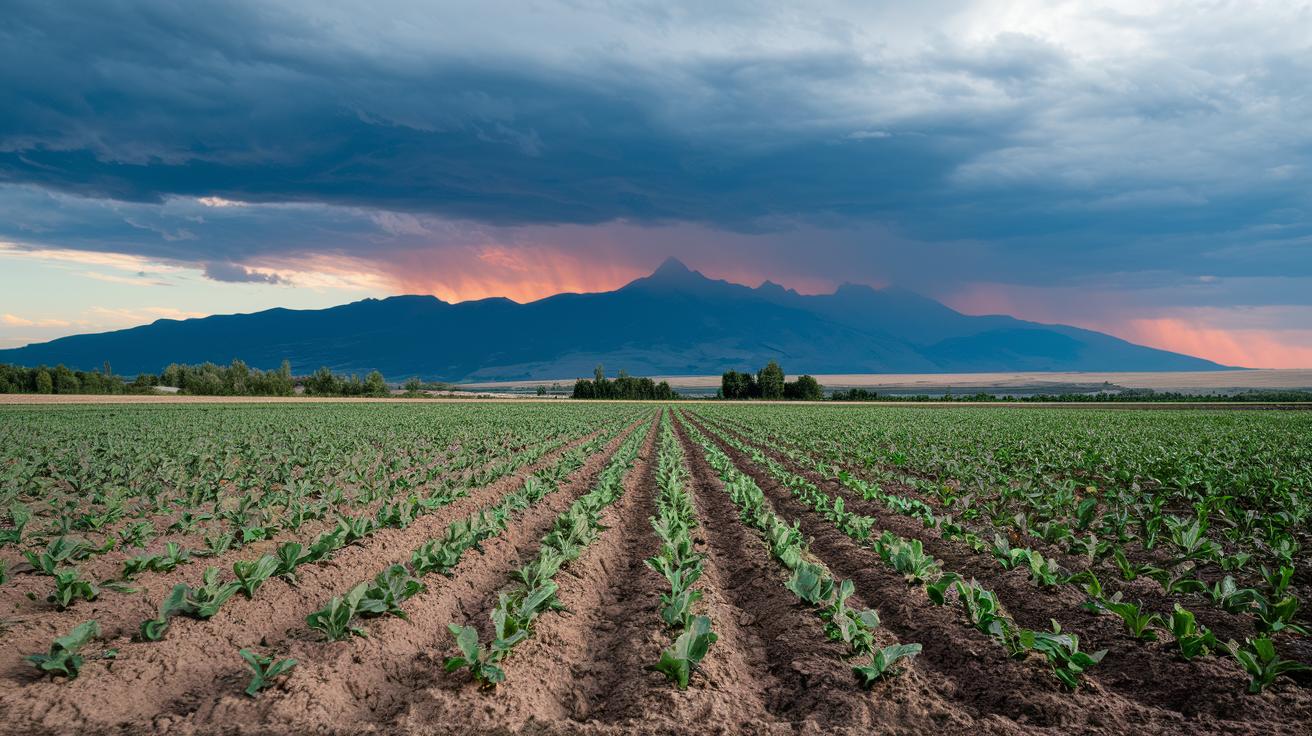
Melting glaciers and polar ice are causing sea levels to rise, with estimates reaching 6.6 ft by 2100. Floodplains may grow by about 45% by the end of the century. Unpredictable planting seasons, poorer soil, and water shortages threaten food supplies. Think of a small farm facing sudden heavy rains and scarce water as a clear sign of nature’s balance changing.
Human health is at risk too. More people may suffer from wildfire smoke, ozone smog, and long heatwaves. Experts warn that these factors could lead to 250,000 extra deaths worldwide each year from malnutrition, heat stress, and disease between 2030 and 2050. In the U.S., economic losses could hit $500 billion annually, and over 140 million people might be forced to relocate within their own countries.
Effects of climate change on extreme weather events
Rising temperatures are changing our weather in noticeable ways. Higher heat brings record hot days and puts pressure on our roads and buildings. Every 1°C increase can boost daily rainfall by about 7% (a measure of rain intensity). This extra rain makes storms stronger and can lead to long dry spells. For example, the American West has endured a 22-year megadrought, the driest period in at least 1,200 years. This long drought has lowered water supplies and stressed forests.
Wildfires in the western United States have doubled since 1984, and the burned area jumped by 500% between 1972 and 2018. These changes show how higher temperatures and long dry spells set the stage for big fires. At the same time, stronger storms are emerging. Experts now believe that Category 4 and 5 hurricanes may occur more often. In 2017, Hurricane Harvey dropped 275 trillion pounds of rain, reminding us of the extreme weather now tied to global warming.
Major extreme weather impacts include:
- Heatwaves – record hot days and extra strain on infrastructure
- Long droughts – a 22-year megadrought in the American West
- Wildfires – a 500% increase in burned areas in the western U.S.
- Strong storms – a 7% rise in daily rainfall for every 1°C of warming
- Intense hurricanes – more frequent Category 4 and 5 storms
These examples show a world where rising temperatures push weather extremes further, challenging communities, emergency services, and local economies.
Environmental consequences of climate change on ecosystems
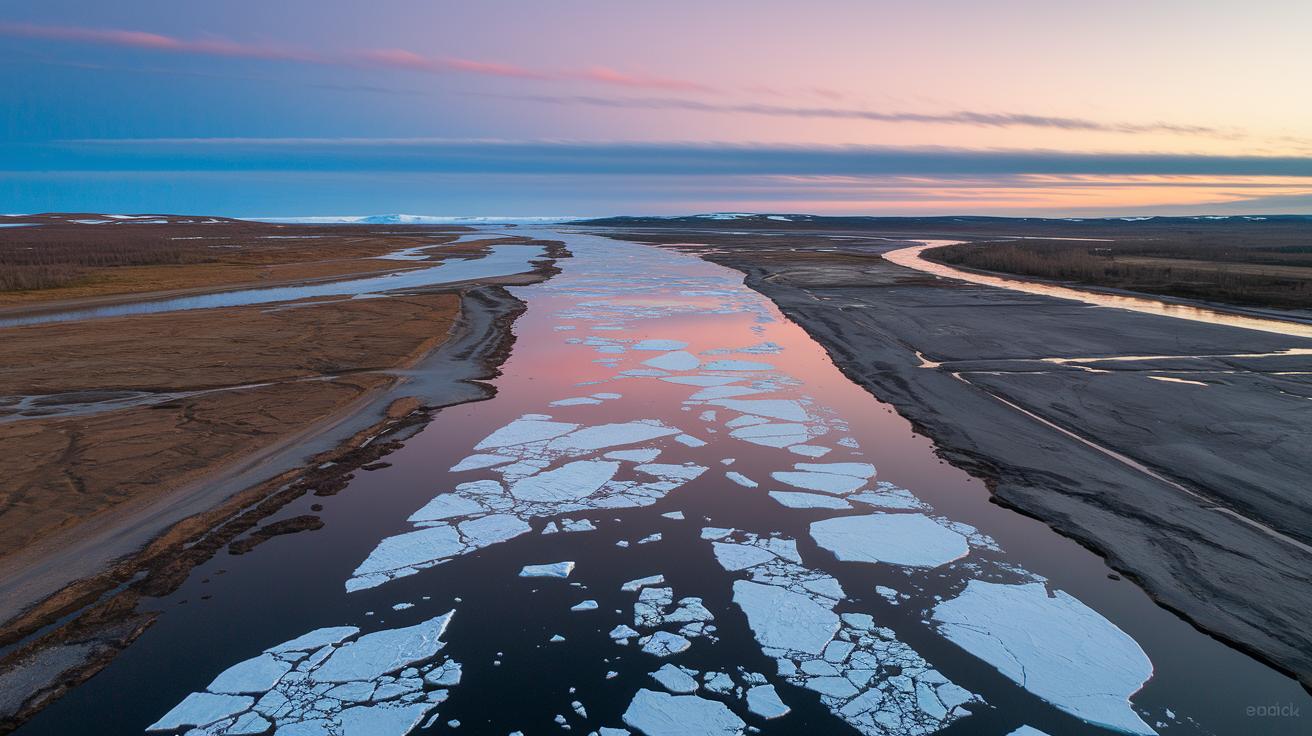
Global warming is pushing natural systems to their limits. Rising temperatures upset long-established balances. The Arctic is heating up twice as fast as the global average, which means it could have ice-free summers in about 15 years. This quick change affects natural cycles, disrupts wildlife homes, and shifts the areas where species can survive.
Sea levels are rising, with estimates reaching up to 6.6 ft by 2100. This rise will speed up the wearing away of coasts and allow saltwater to seep into good farmland. River floodplains might grow by around 45% by the end of the century, reshaping freshwater zones and raising flood risks in areas not used to them.
In the oceans, heat waves now occur 33% more often. This increase is linked to large die-offs of plankton, fish, and marine mammals. On land, forests and fields face problems like pest outbreaks and invasive species that change plant cycles and weaken the strength of ecosystems.
| Impact | Region | Projection |
|---|---|---|
| Arctic warming | Polar | Ice-free summer in ~15 years |
| Sea-level rise | Global coastlines | Up to 6.6 ft by 2100 |
| Floodplain expansion | River basins | +45% by 2100 |
| Marine heat waves | Oceans | +33% frequency |
| Pest outbreaks | Forests | Increased invasive species |
These facts show that our natural world is changing fast. Communities and decision-makers need to act now and use strategies that help ecosystems cope with these new challenges.
Effects of climate change on marine ecosystems
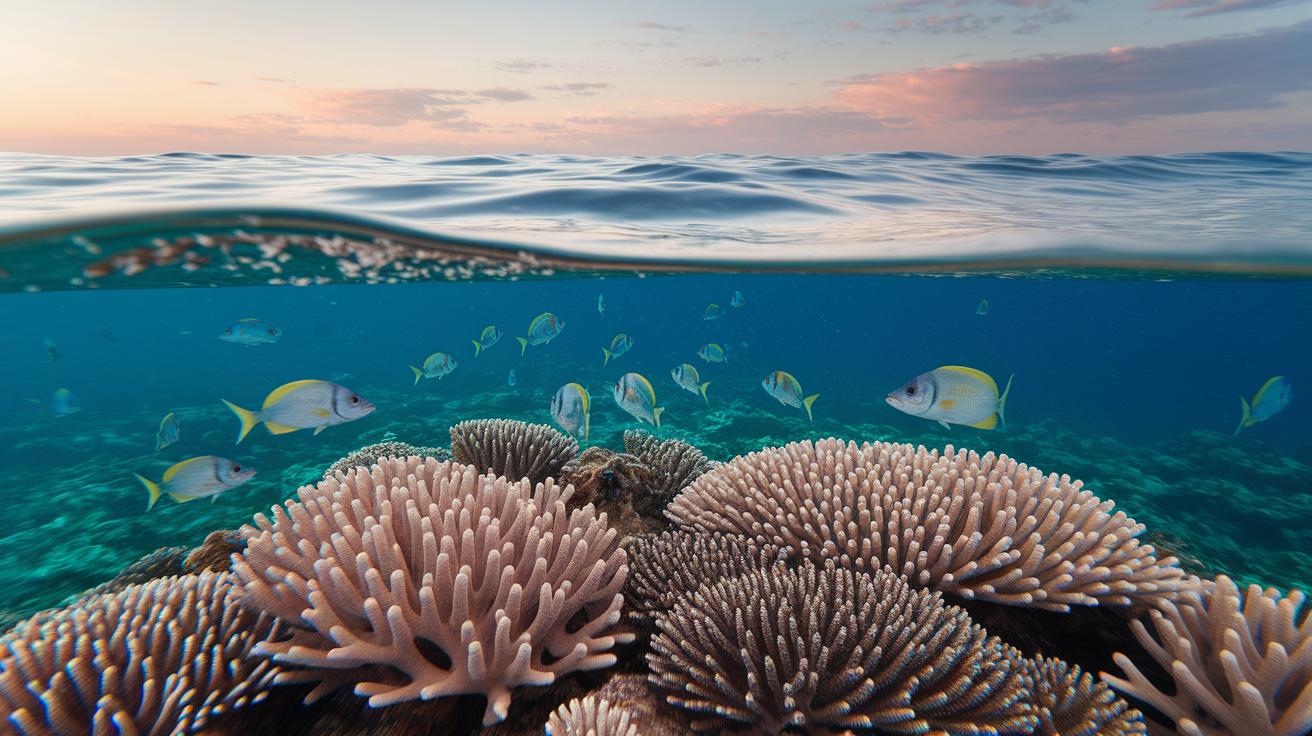
Climate change is changing the ocean and the life it supports. As CO2 in the air rises, more carbon dioxide dissolves in seawater, making it more acidic. This extra acid weakens the shells of many creatures and makes it hard for coral to build strong structures. Animals that depend on hard shells face higher risks, and coral reefs struggle to grow properly.
Marine heat waves have become 33% more common. These sudden temperature increases disrupt plankton blooms and sometimes lead to large numbers of fish dying. Warmer water forces many fish to search for cooler areas. This shift disrupts traditional fishing spots and creates challenges for commercial fisheries that rely on steady marine food webs.
Coral reefs suffer from these rising temperatures, with heatwaves causing more frequent bleaching events. In some areas, more than 50% of live coral cover is lost. These rapid changes in marine life disturb the overall balance of the ocean, reducing its ability to support a wide range of species. This shift in ocean chemistry, migration patterns, and reef health poses big challenges for wild ecosystems and coastal communities that rely on the sea for food and a livelihood.
Agricultural impacts and food security effects of climate change
Declines in crop yields
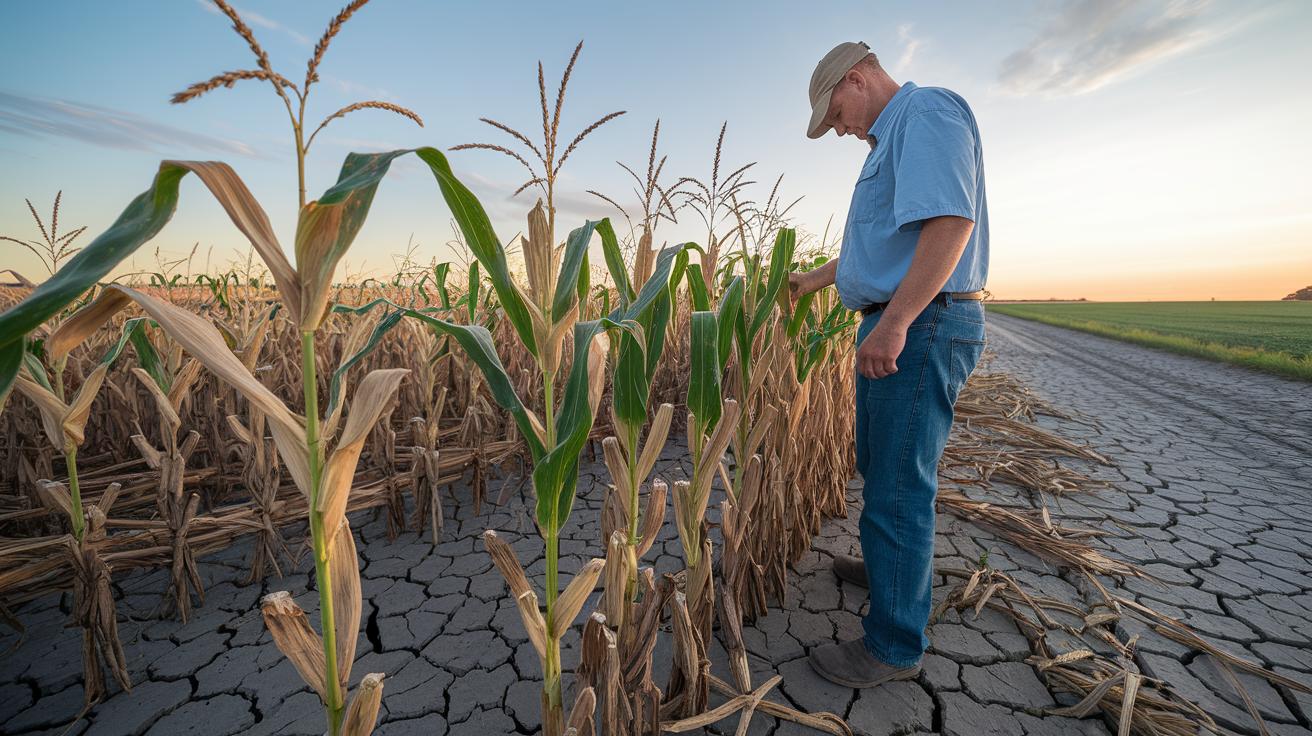
Farmers face tougher challenges with erratic seasons, intense heat, and uneven rainfall. In some areas, crop yields have dropped by as much as 20%. For instance, maize (corn) and wheat show signs of slow growth and reduced output when heat stresses them. In June 2022, a severe heat wave in Kansas not only harmed crops but also resulted in the loss of thousands of cows. Such events raise concerns about food supplies as fewer harvests mean communities might struggle to get enough food.
Soil health and irrigation challenges
Soil is losing its strength due to erosion and reduced moisture, making it harder for crops to get vital nutrients and water. In many regions, these issues cut yields by up to 20% as well. At the same time, shortages of usable water hurt irrigation. In some major river basins, freshwater supplies have dropped 15-20% over the last 20 years. With less water for irrigation, crops suffer during droughts and floods. These combined pressures trap agricultural communities in a cycle of falling productivity.
Pollination disruptions
Higher temperatures are also interfering with pollination. Hot weather has reduced bee and insect numbers, which are key for pollinating fruits and vegetables. Without these helpful insects, plants do not produce as many fruits. This shift not only cuts down the amount of food produced but also affects the variety and quality of what grows, further challenging food security.
Human health and societal effects of climate change
Previous reports showed that pollutants like wildfire smoke and ozone smog harm our lungs and hearts. Extreme weather forces many to leave their homes. New studies tell us that the stress of losing one's community and experiencing direct trauma can lead to serious mental health issues.
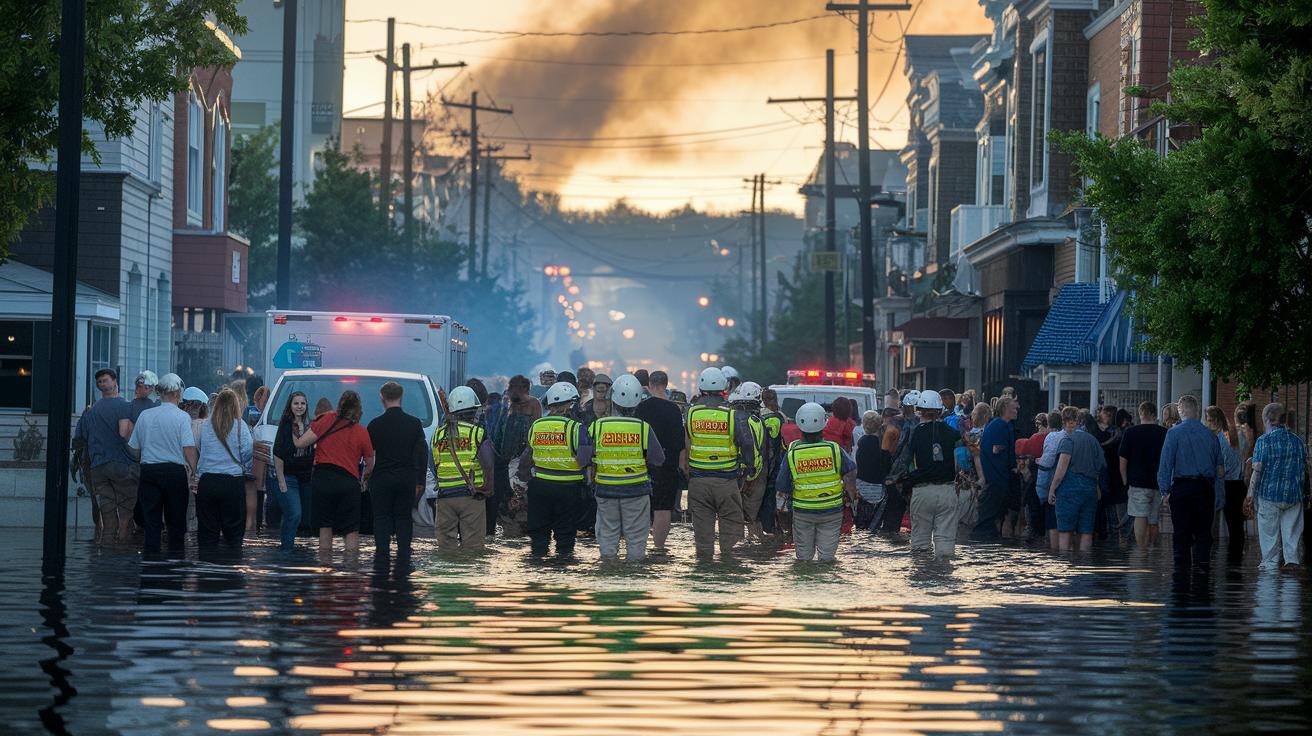
Research shows that floods, long droughts, and other extreme events spike anxiety, depression, and post-traumatic stress. In one town hit by repeated floods, a school counselor explained that many residents felt deep anxiety and loss after their neighborhood was flooded several times.
Emergency services now face more challenges. Teams respond not only to heat-related illnesses but also to rising mental health crises and social unrest. When first responders must handle both injuries and shock, response times can slow. One emergency dispatcher said crews now treat burns from heatwaves while also calming panic and shock after storms.
Many people moving within their country add further strain to urban centers. Cities must quickly adjust to a surge of displaced residents. This influx leads to crowded shelters, overworked community services, and deepened inequities in regions burdened by coastal floods and drought-driven food shortages.
Key newly noted impacts include:
- Rising mental health issues from repeated climate events
- Increased pressure on emergency services handling both physical injuries and psychological crises
- Greater social stress in urban centers because of rapid internal migration
These added pressures build on past findings and show the wide-ranging, connected challenges of a warming climate.
Economic and infrastructural impacts of climate change
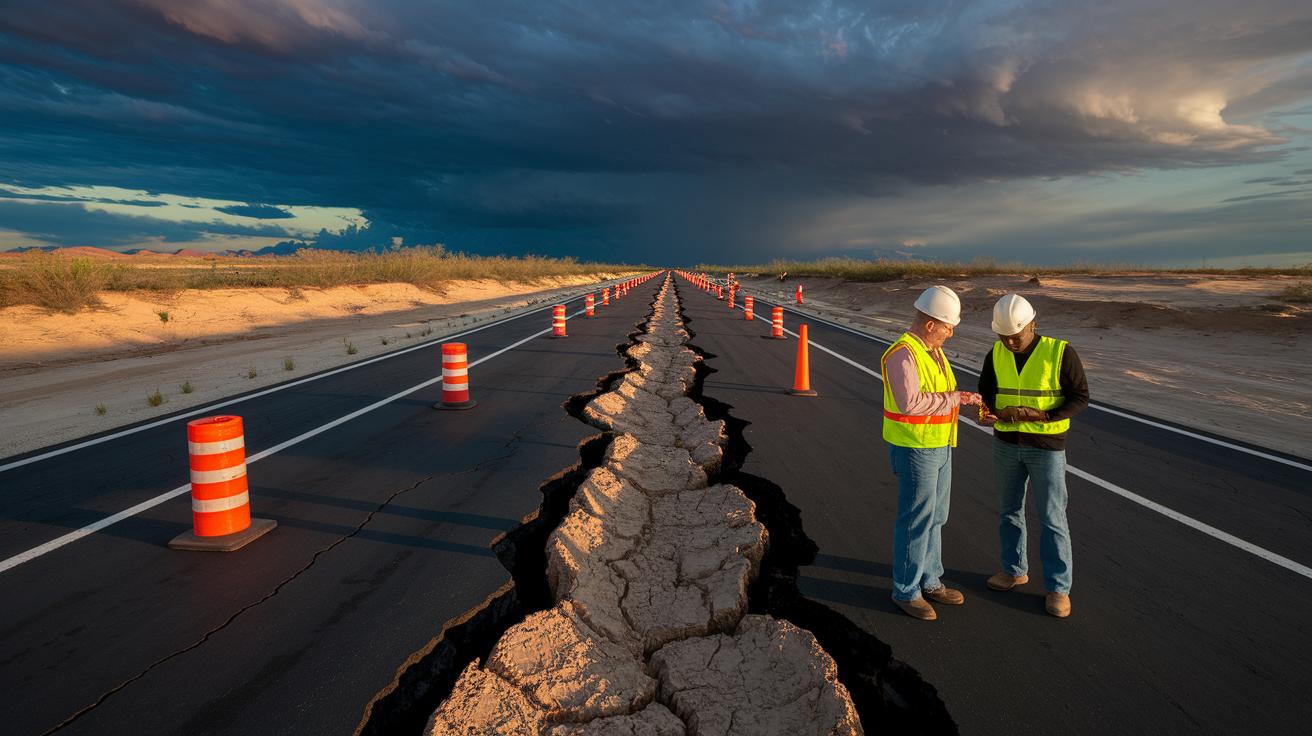
Climate change is stressing our roads, bridges, and economy. Experts say the United States could face losses of about $500 billion every year by 2100 because extreme weather makes repair costs rise by 10% to 15% each decade in high-risk areas.
Severe storms, like Category 4 and 5 hurricanes, can cause repair bills of over $100 billion in one event. This places extra pressure on the economy.
A 22-year drought in the American West has weakened water supplies, farming, and hydropower. It also forces people to leave their homes. These high repair costs and lost work from disruptions in transport and business show that we must invest in better climate change plans.
For example, you might start with a surprising fact: "In one storm, repair costs topped $100 billion, showing how quickly extreme weather can drain a region's budget."
Final Words
In the action, we covered how extreme weather, environmental shifts, marine stresses, and agricultural challenges highlight the effects of climate change. We looked at how rising heatwaves, droughts, and storms are reshaping weather patterns. The analysis also explained how human health and economic conditions can shift amid growing climate pressures. This summary shows that understanding these effects of climate change helps us prepare for and address growing risks. The bright side is that clear knowledge enables swift action for a more resilient future.
FAQ
What are the main effects of climate change on the environment?
The main effects include increased extreme weather, rising sea levels, altered ecosystems, and compromised agriculture, all contributing to degraded natural habitats and a less balanced environment.
What are the causes of climate change?
The causes include greenhouse gas emissions from burning fossil fuels, deforestation, and industrial activities that trap heat in the atmosphere, driving long-term temperature increases and shifting weather patterns.
What are the effects of climate change on humans?
The effects include heightened health risks from heat stress and pollution, food shortages from failing crops, displacement due to extreme weather, increased mortality, and economic pressures that reduce overall quality of life.
What are six impacts of climate change?
The six impacts include intensified extreme weather, rising sea levels, disrupted ecosystems, reduced agricultural yields, population health challenges, and financial burdens from damage and displacement.
What are four prominent effects of climate change?
The four effects include stronger storms, melting ice that results in higher seas, altered ecosystem functions, and increased risks to human health through more frequent heatwaves and pollution incidents.