
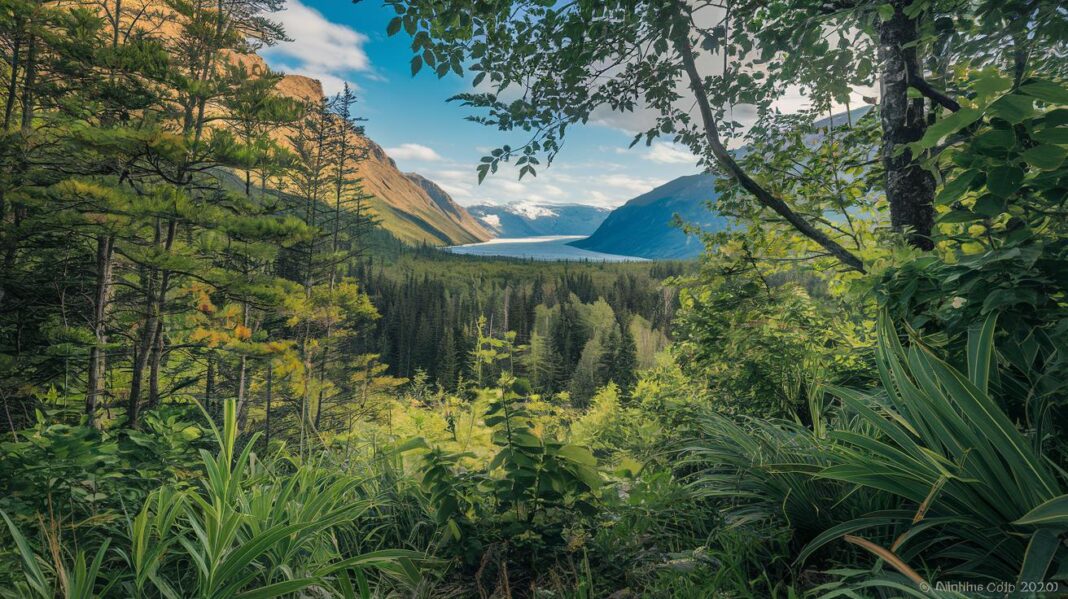
Rising temperatures may force nature to change. Climate change shifts where animals and plants live, messes up weather, and puts stress on our delicate environment.
Many species are now in a race against time. Forests dry out, wetlands shift, and nature's usual rhythm falters.
But even with these challenges, there is hope. Nature can adapt and bounce back with smart, careful action.
In this post, we look at how these changes impact life on Earth and explore ways our future might still be bright.
Mechanisms by Which Climate Change Impacts Biodiversity
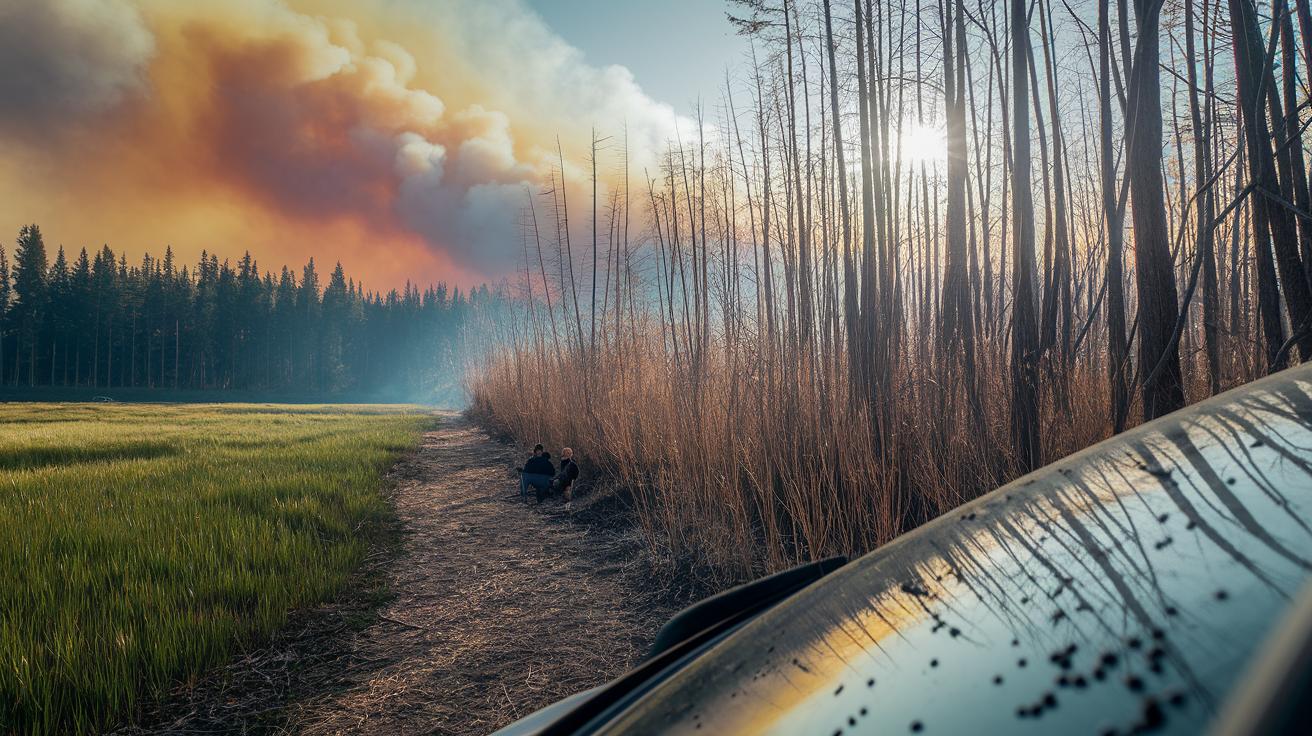
Higher CO₂ levels trap extra heat in our air and water, pushing natural habitats to shift. This change forces forests to dry out and alters wetlands, making life harder for species that thrive in cool, stable conditions. Some insects are seen less frequently on windshields, hinting at larger shifts in our ecosystems.
Extreme weather also plays a big role. Wildfires can burn huge areas of forest, and floods push both wildlife and communities out of their homes. Record-breaking heat waves further stress animals and plants, reducing their chances to reproduce and survive. Changes in seasonal patterns sometimes mean that birds and wildflowers miss the best times for food and blooming, upsetting nature’s balance.
Human actions add to these climate challenges too. Transforming natural land for farming, urban areas, or resource extraction weakens ecosystems. Pollution further degrades water and soil, affecting the entire food chain. Together, these forces speed up the loss of biodiversity, leaving our natural world more vulnerable every day.
Climate-Driven Temperature and Precipitation Shifts Altering Biodiversity
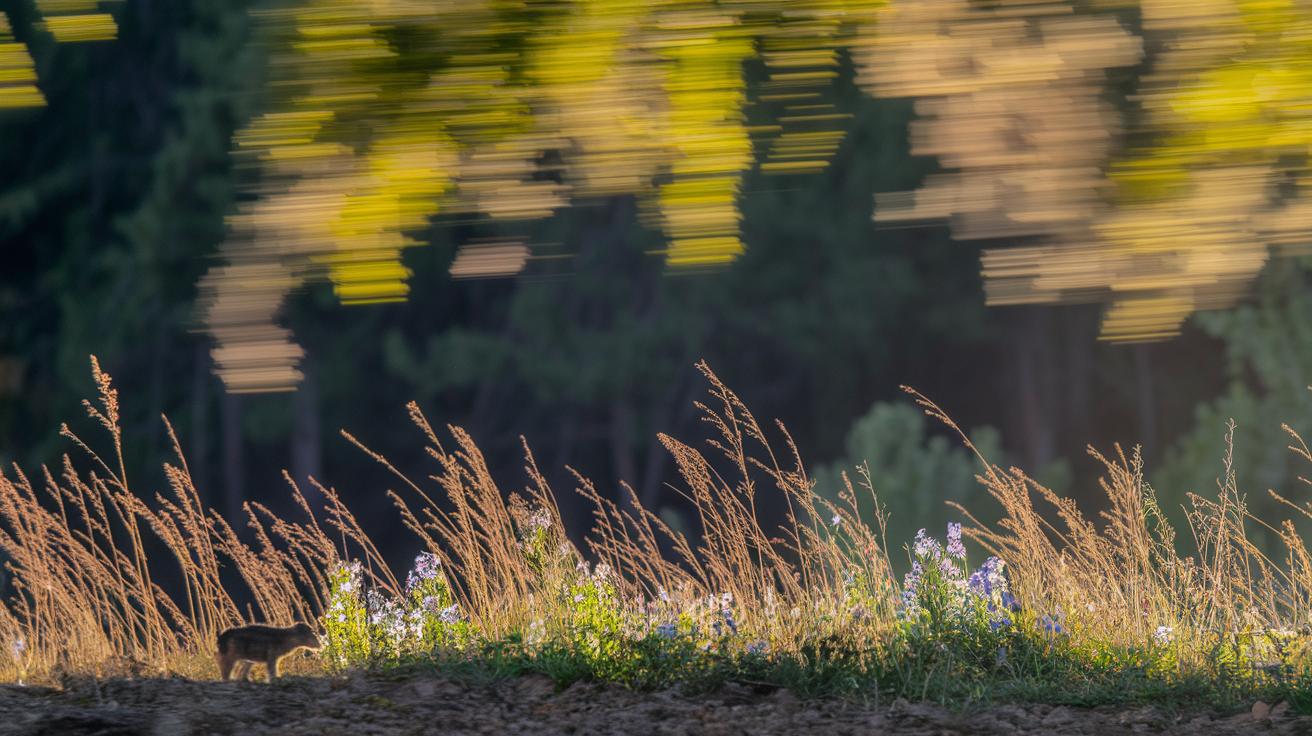
Small temperature rises impact life at its most basic level. Hotter weather speeds up metabolism (the process of converting food to energy) and changes growth cycles. This forces animals and plants to adjust their behavior or move locations. For example, wildflower blooms in parts of the western US now start a few days earlier, which can cause timing issues with pollinators. Experts say these temperature changes may upset food chains, especially in northern forests where species struggle with fewer resources.
Changes in rainfall also reshape local ecosystems. Longer droughts reduce available water, making it harder for plants to regrow. In contrast, heavy rains can wash away delicate nests in freshwater settings. Recent expert studies show that these shifts in moisture harm many species, from amphibians to birds, by lowering habitat quality and changing how ecosystems work.
Key impacts include:
- Mismatches between breeding cycles and food availability
- Forced migrations as species shift ranges
- Habitat loss from drought stress
- Nesting and spawning sites disrupted by floods
- Changes in plant communities that affect the diets of herbivores
Rising heat and shifting rain patterns add extra stress to organisms. Together, these stresses weaken overall ecosystem resilience and highlight the need for adaptive management to help nature cope.
Marine Biodiversity Under Climate Change: Ocean Warming and Acidification
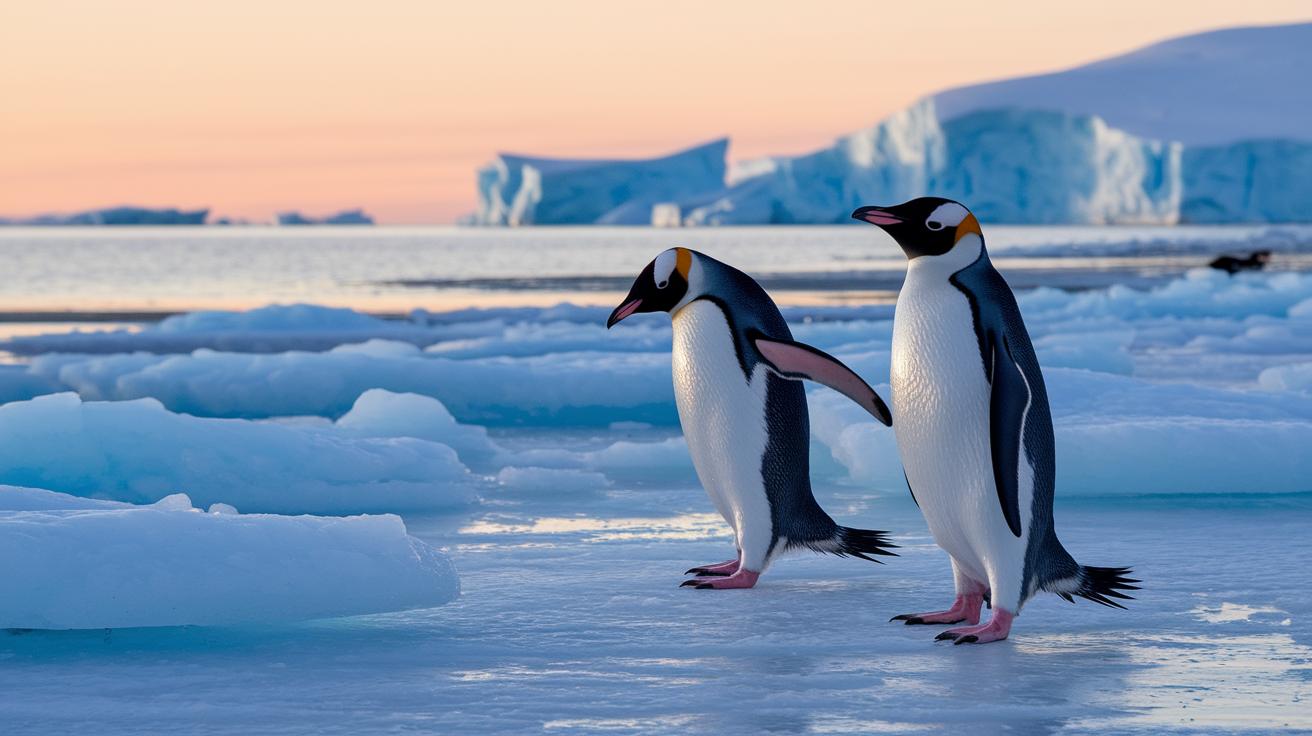
Rising ocean temperatures and increased acidity are changing life in the Southern Ocean. Warmer water melts sea ice and disrupts natural cycles. This shift forces plankton communities to alter their patterns, which in turn affects the many species that rely on them. Studies in Antarctica show that even a slight rise in temperature can lower krill numbers, a vital food source for predators like Adélie penguins that depend on thick feathers and blubber to stay warm. Meanwhile, the ocean absorbs more CO₂, which makes the water more acidic (a lower pH) and puts extra stress on marine life, upsetting established food webs.
Impact of Rising Sea Temperatures on Southern Ocean Species
Higher water temperatures change when and how intensely plankton blooms occur. With fewer krill available, predators face food shortages that ripple through the marine food chain, leading to widespread imbalances.
Ocean Acidification Disrupting Marine Food Webs
Increased CO₂ absorption makes ocean waters more acidic. This change weakens the shells of mollusks and corals, which disrupts their feeding and survival. The resulting shifts upset key feeding relationships and threaten the overall stability of marine biodiversity.
Extreme Weather from Climate Change Reshaping Biodiversity
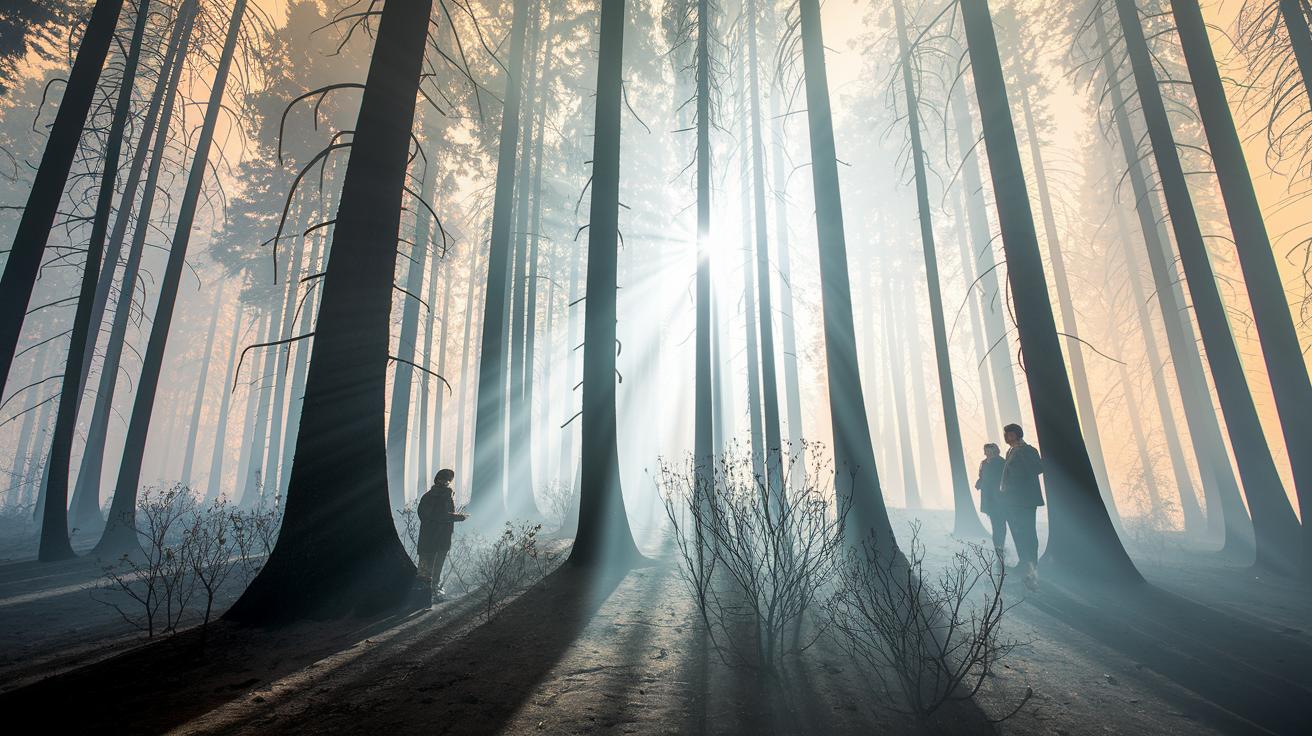
Extreme weather events like wildfires, floods, and heat waves are hitting harder than before. Recent studies show that some species can adjust quickly. They slowly change the mix of life in their areas. One study noted, "Native species have adapted their growth cycles after successive heat waves."
Wildfires knock down big trees and low plants. This shifts the forest and lets hardier, fire-resistant shrubs grow. A study in California's Sierra Nevada found that burned areas now host new plants that did not grow in untouched forests. Floods pull up native plants along rivers, letting fast-growing species take over. One report remarked, "After a major flood, early-succession plants took over riparian zones, signaling shifts in the ecosystem."
Long heat waves raise animal deaths and cut insect numbers. Fewer insects hurt pollination and change plant cycles. Experts say ongoing heat exposure may alter animal migration routes and breeding patterns. In dry areas, even small drops in insect activity during heat spells can lead to big changes in pollination efficiency.
Biodiversity Case Studies: Species Loss and Habitat Shifts from Rising Temperatures

Researchers study how climate change affects nature by mixing on-site surveys, long-term weather records, and satellite photos. They connect higher air temperatures to changes in habitats and species disappearing. Using both ground data and space images, scientists build reports that show how warming trends shift where species live and disrupt ecosystems.
A clear case is the loss of the Bramble Cay melomys, a small rodent. Its low-lying island home was slowly flooded by rising sea levels. Studies recorded how strong storm surges and more frequent floods ruined the few plants and water sources it needed. As the island shrank, the melomys numbers dropped until there were none left. This example shows that tiny, isolated places are very at risk when temperatures rise and illustrates how fast a species can disappear.
In the Arctic, temperatures are climbing twice as fast as the global average. Temperate species are moving northward while native Arctic animals struggle with less food and more competition. Field work has found that the classic Arctic community is now a mix of new arrivals and fewer long-time residents. These changes disturb old breeding cycles and feeding habits, adding more strain to the ecosystem. The study makes it clear that keeping track of species shifts is vital in understanding a warming world.
Mitigation Strategies for Biodiversity Conservation Amid Climate Change: Bright Future
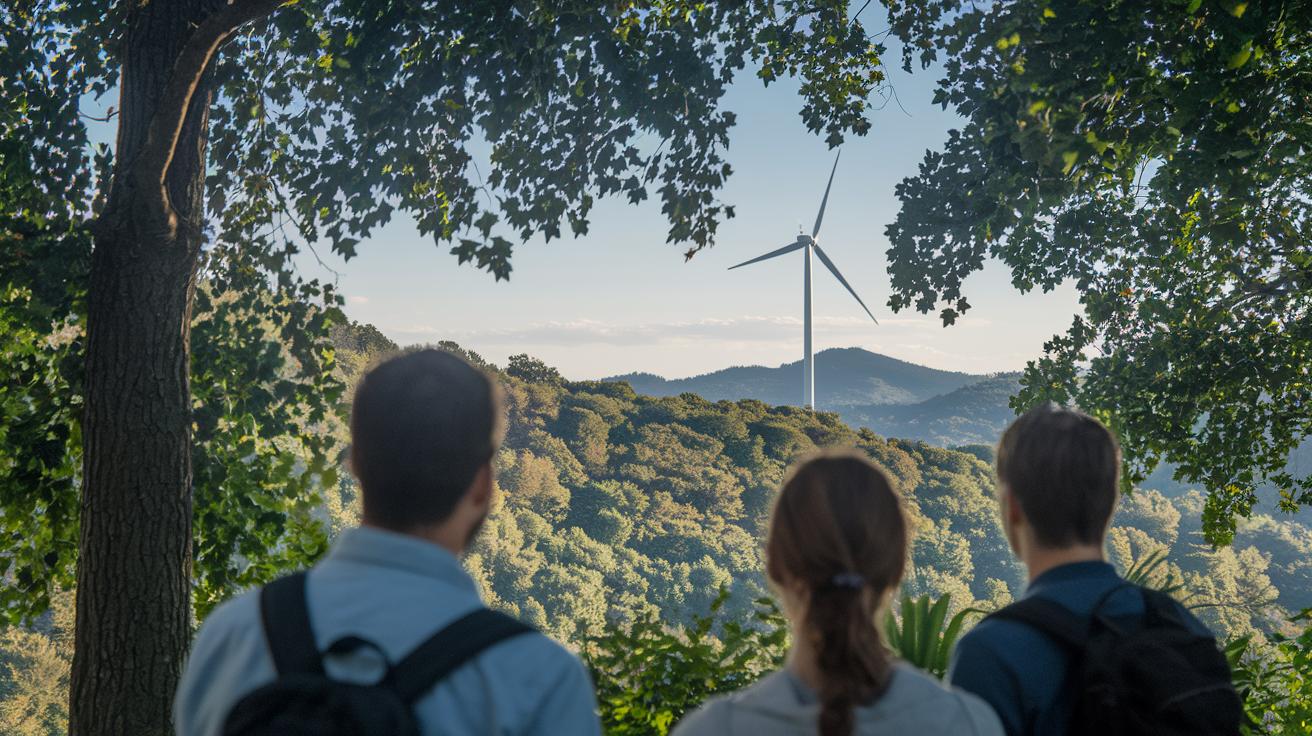
Carbon management technology and supportive policies offer real ways to lower CO₂ levels and protect nature. Carbon dioxide removal (CDR) techniques capture, transport, store, and reuse CO₂ to reduce air pollution and lessen pressure on wild habitats. Policies that boost decarbonization help spread these methods. Groups like the National Wildlife Federation back these plans as part of a broader strategy to cut greenhouse gases and build a healthier environment.
Nature-based solutions also pave a clear way to save wildlife and natural areas. Reforestation efforts rebuild forests that soak up carbon and improve soil quality. Restoring wetlands revives key water systems that many plants and animals rely on, while sustainable land practices keep ecosystems strong. Coral rehabilitation projects capture extra carbon and rebuild fragile marine communities. Together, these actions work to ease climate change impacts while nurturing biodiversity.
Stakeholders from different sectors are uniting for a greener future. Companies are adopting precision agriculture, vertical farming, and sustainable forestry to ease pressure on land and nature. Local groups, governments, and private organizations join forces on projects that restore habitats and manage local resources. This united effort not only cuts carbon emissions but also shields living systems from a warming world.
Final Words
In the action, we examined rising CO₂ and warming trends that alter habitats across land, ocean, and air. Extreme weather events, shifting species patterns, and concrete case studies all highlighted climate pressures on nature. The blog post detailed mitigation strategies like carbon management and nature-based solutions that help buffer biodiversity loss. It also explored how does climate change affect biodiversity, revealing clear links between warming and species decline. Through actionable insights and practical measures supported by science, there’s reason to remain optimistic about future conservation efforts.
FAQ
How does climate change affect biodiversity and ecosystems?
The climate change effect on biodiversity involves rising temperatures, extreme weather, and habitat shifts that disrupt species interactions, resulting in altered ecosystems and a reduction in species diversity.
Why is biodiversity important?
Biodiversity matters because it supports ecosystem stability, offers food and medicine, and maintains natural services that keep environments healthy for plants, animals, and humans alike.
What are the 5 major threats to biodiversity?
The five major threats to biodiversity include habitat loss, climate change, pollution, overexploitation, and invasive species, each disrupting ecosystems and reducing species survival rates.
Why is climate change a threat to diversity?
The climate change threat to diversity is evident as warming alters habitats, shifts species ranges, and intensifies extreme weather, all of which weaken ecosystems and diminish resilience.
How does climate change contribute to a loss of biodiversity for kids?
The impact of climate change on biodiversity for kids shows in reduced natural spaces, changing local wildlife patterns, and fewer chances for outdoor learning, all affecting nature experiences for children.