
Have you ever wondered why Earth is getting hotter? The rise in temperature is mostly due to our actions. We burn fossil fuels (coal, oil, and gas) to run our homes, cars, and factories. We also cut down trees and release waste from industries into the air. These actions add gases that trap heat, causing global warming.
While natural changes do occur, our activity is the clear driving force behind the temperature spike. This post explains the main reasons for climate change and why it matters to all of us.
Core Causes of Climate Change
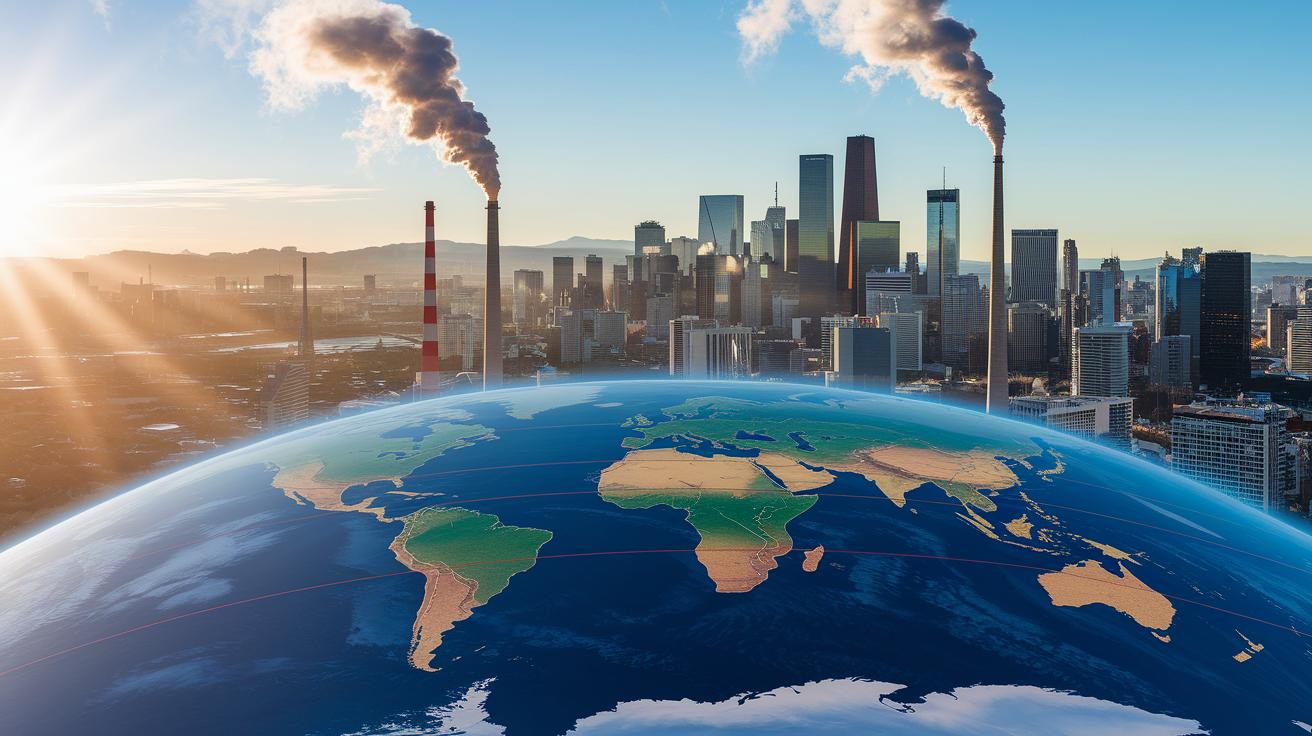
In 2024, the global temperature rose by 1°C and passed the key 1.5°C milestone. Human activities add greenhouse gases (gases that trap heat) into the air, which causes the planet to warm. Using fossil fuels for power, transport, and industry is tied to 89% of CO₂ emissions. While nature plays a role, its impact is much smaller.
Actions like cutting down trees, farming, and running factories increase these harmful gases. Natural events, volcanic eruptions, changes in the sun's energy, tectonic shifts, and orbital variations, do affect the climate over long periods. But the sharp rise in temperature is largely due to people.
| Driver | Description |
|---|---|
| Fossil fuel CO₂ emissions | Burning fossil fuels releases most of the CO₂ that traps heat. |
| Industrial pollution | Factories and plants emit additional heat-trapping gases. |
| Agricultural emissions | Farming produces methane and nitrous oxide, adding to the greenhouse effect. |
| Natural processes | Volcanoes and other natural events play a smaller role. |
These combined forces lead to extreme weather, rising sea levels, and changes in wildlife patterns. More storms, floods, and droughts are becoming common. Scientists continue to study these trends to help guide policies aimed at reducing emissions and protecting our planet.
Fossil Fuel Burning Effects on Climate Change
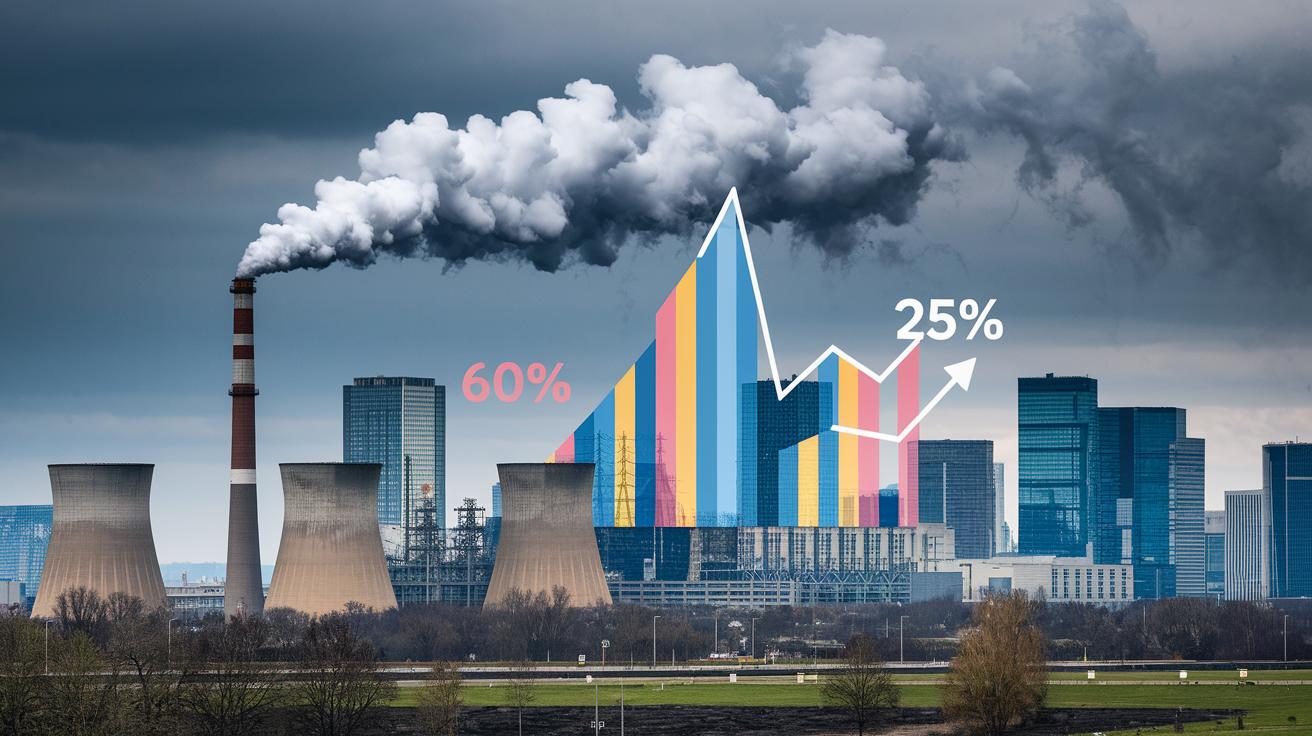
Fossil fuels such as coal, oil, and gas supply about 80% of the world's energy and help make everyday products, from plastics to steel. This heavy reliance means that our homes, transport, and factories add greatly to climate change.
When we burn these fuels, we release large amounts of carbon dioxide (CO₂), a gas that traps heat in the air. For instance, in 2021, coal and gas provided 60% of the United States' electricity. This made the energy sector responsible for about one-quarter of the country's greenhouse gas emissions. Scientists study how CO₂ warms our planet to understand its impact. In 2019, BP showed a low-carbon energy message in an ad while spending over 96% of its funds on oil and gas. This example highlights the difference between what companies say and what they do.
The Intergovernmental Panel on Climate Change (IPCC) has warned that to keep global warming under 1.5°C, we must cut fossil fuel emissions by half in the next 11 years. This target shows the urgent need to lower our use of fossil fuels. Factories, power plants, and vehicles that burn these fuels not only add to CO₂ levels but also worsen air quality and health risks. Around the world, industries keep pumping out large amounts of carbon, proving that fossil fuels are a big part of the climate change problem.
Switching quickly to renewable energy like wind and solar is essential. These cleaner options would slow the rise of CO₂ and help reduce the harmful effects of man-made emissions on our climate.
Industrial Pollution Sources Driving Climate Change
Industrial emissions warm our planet fast. In 2020, U.S. industry and manufacturing produced 24% of the country's greenhouse gases. That shows factory processes are a major source of heat-trapping gases.
Big polluters include chemicals, iron and steel, cement, concrete, aluminum, glass, and paper production. These sectors use processes that produce lots of carbon dioxide. Factories burn fossil fuels to get heat, releasing vast amounts of CO₂. They also leak methane (CH4) and nitrous oxide (N₂O), which add even more to air pollution. The widespread use of these processes puts a heavy load on the atmosphere and drives climate change.
Old facilities add to the problem. Many plants still use outdated technology that does not control emissions well. Incomplete burning and poor storage let CO₂, CH₄, and N₂O escape. Plus, industrial solvents and byproducts further pollute the air. This all points to the need for stronger rules and updated industrial methods.
Leaks, weak regulations, and old systems make it urgent to install new controls. Modernizing equipment and enforcing tougher emissions standards are key steps to lessen greenhouse gases and fight climate change.
Agricultural Emission Factors and Livestock Methane Release in Climate Change
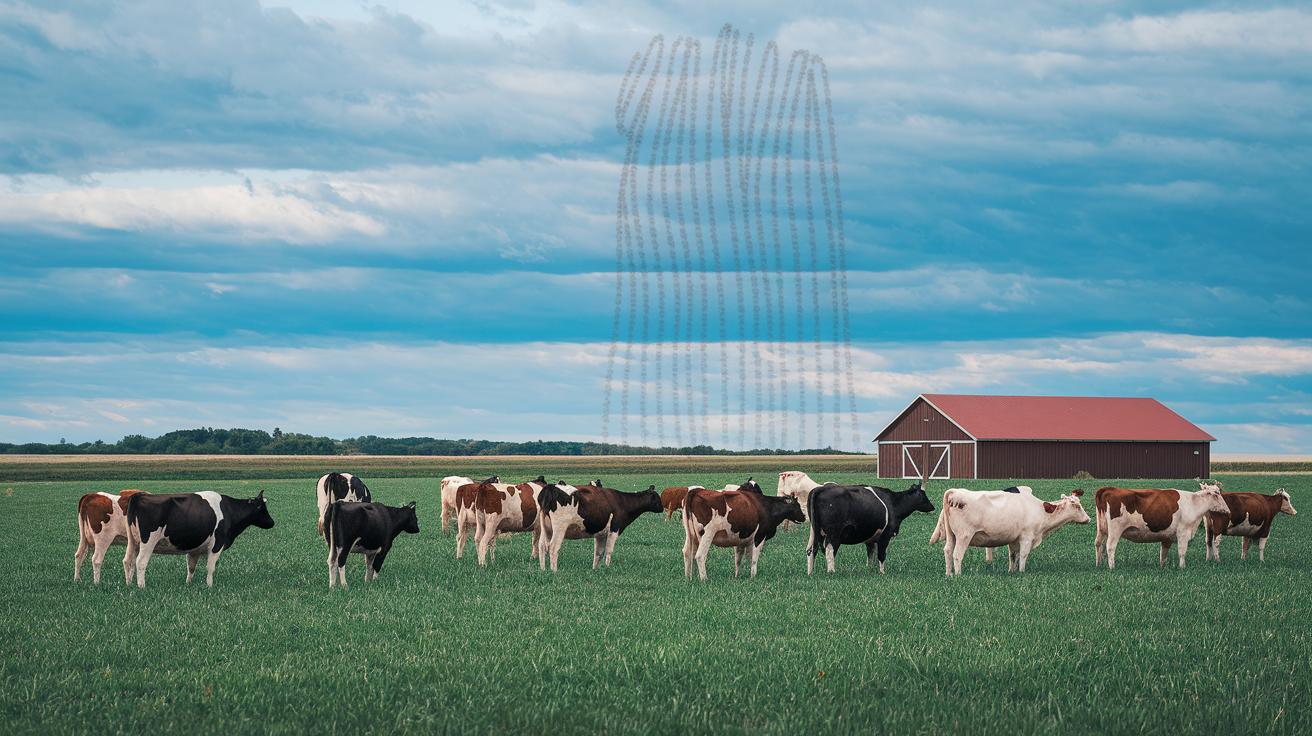
Agriculture accounts for 11% of U.S. greenhouse gas emissions. Farms produce methane and nitrous oxide, two gases that trap heat and warm our planet.
Methane Emissions from Livestock
Livestock give off methane during enteric fermentation, which is the process animals use to digest food. Large farms may add more methane by improper manure handling. In addition, some industrial sites, such as abandoned oil and gas wells, released up to 280,000 metric tons of methane in 2018.
Methane traps heat much more effectively than carbon dioxide over short periods. Even small methane releases from animals and farming practices can boost warming trends.
Nitrous Oxide from Fertilizers
Modern farms use synthetic fertilizers that break down in soil and release nitrous oxide. This gas also speeds up warming in the atmosphere. Practices that reduce soil organic matter, like constant tilling, can make nitrous oxide emissions even worse.
Farmers using heavy fertilizers often face rising nitrous oxide levels. Poor soil health makes this problem worse by stripping nutrients and organic material from the land.
To lower greenhouse gases, farmers can improve how they care for livestock and switch to sustainable farming. Reducing both methane and nitrous oxide can help slow warming and ease pressure on our climate system.
Deforestation Impact Analysis on Climate Change
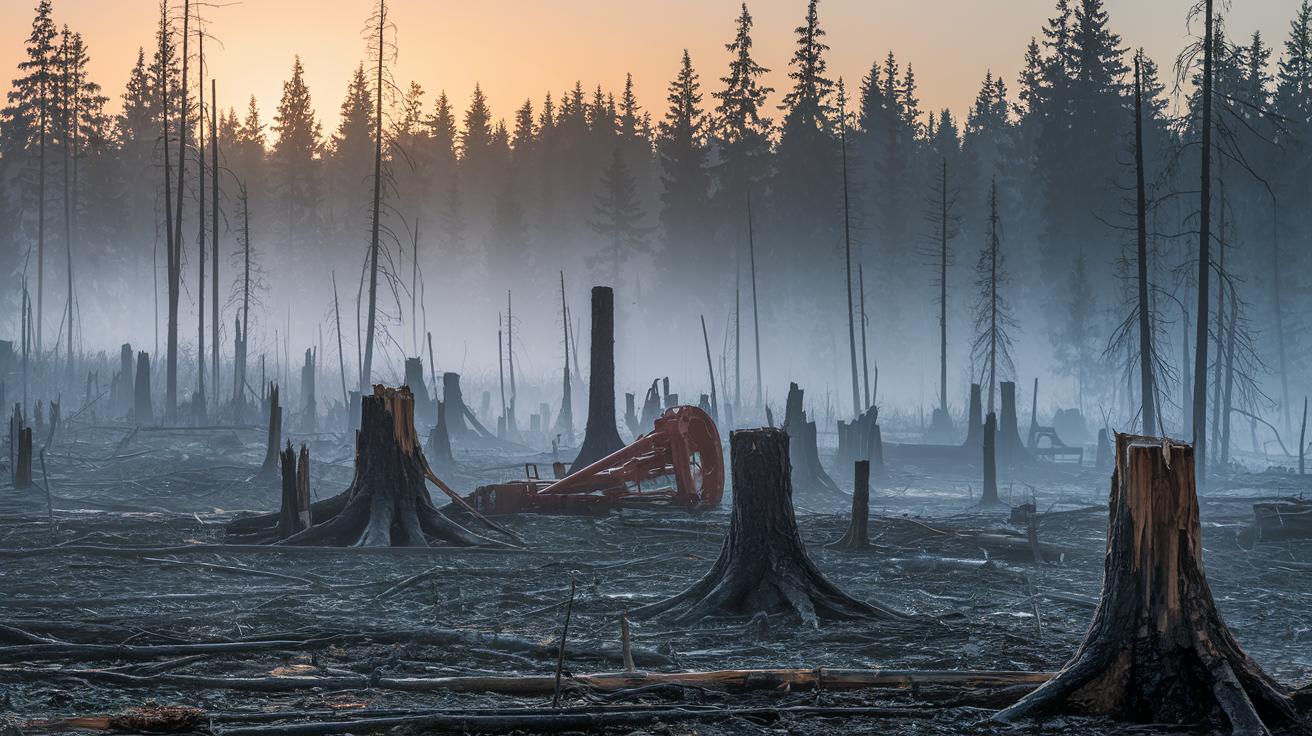
Deforestation speeds up climate change. When we cut down trees, they can no longer absorb carbon dioxide (CO₂). Instead, the stored carbon is released into the air. This change not only lowers the amount of CO₂ absorbed but also changes local weather by altering how much sunlight the ground reflects (albedo).
Canada’s boreal forests show this problem clearly. Clear-cutting these forests releases more than 25 million metric tons of CO₂ each year. That's about the same as emissions from 5.5 million vehicles. As forests decay or turn into wetlands, even more carbon is set free. This extra carbon makes the warming trend stronger. Weather patterns can shift, rainfall may change, temperatures can vary, and the risk of wildfires increases.
On a global scale, the loss of forests poses a big challenge for policy makers. Without strong actions to stop deforestation and plant new trees, the extra carbon from lost forests will keep building up. Our forests naturally slow climate change, so protecting them is key to keeping our climate stable.
Transportation Pollutant Sources and Urban Expansion Effects on Climate Change
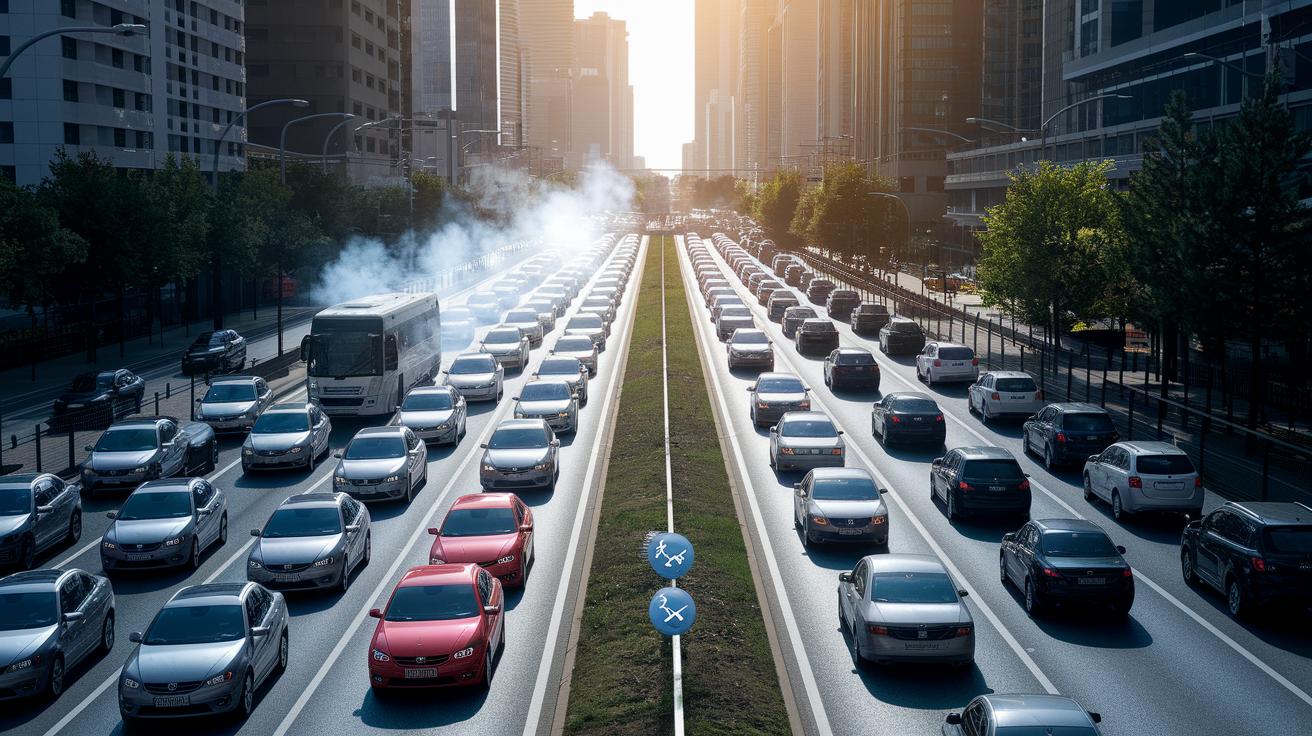
Cars, trucks, and other transport modes add a large amount of CO₂ to the air. Passenger vehicles emit about 4.6 metric tons of CO₂ per year. Trucks, although fewer, account for 23% of total transport emissions. Air travel and shipping also release carbon and black carbon (soot) particles that make local air quality worse. At the same time, cities that grow without proper planning tend to heat up more.
| Transport Type | Annual CO₂ Emissions per Vehicle/Source | Share of Emissions |
|---|---|---|
| Passenger Vehicles | 4.6 metric tons | Major contributor |
| Trucks | N/A | 23% of transport emissions |
| Aviation/Maritime | Varies | High carbon and black carbon output |
City expansion increases the urban heat island effect. Large paved areas and dense construction soak up and release heat, pushing local temperatures higher. This rise in temperature forces air conditioners to work harder and use more energy. Better city planning, including more green space, can help cool neighborhoods. Incorporating public transit and walkable designs can also lessen energy use as cities grow.
Investing in efficient mass transit and smart land-use planning can reduce emissions and lower urban heat. Shifting to cleaner transport and rethinking city layouts both cut vehicle emissions and create cooler, more livable urban areas.
Natural Processes Influencing Climate Change
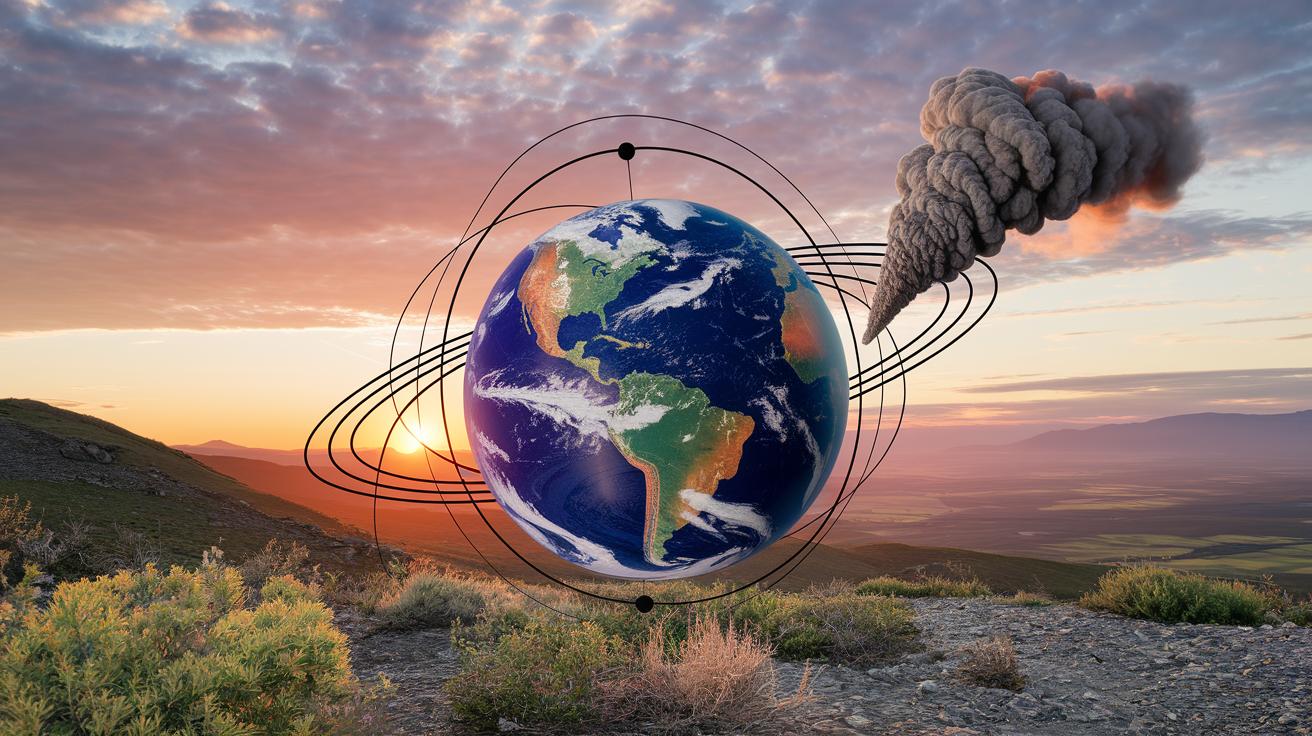
Natural factors shaped Earth's climate long before human emissions. Tectonic shifts (movements of Earth's plates), volcanic eruptions, and changes in Earth's orbit have all influenced our weather over thousands of years. Geological records show that these natural processes caused the planet's temperature to vary over time.
Before people altered the air, nature managed temperature with systems like albedo (how much light a surface reflects), water vapor cycles, and changes in cloud cover. These factors change the amount of sunlight Earth absorbs or reflects, slowly adjusting the planet's energy balance.
For example, volcanic eruptions send tiny particles called aerosols high into the atmosphere. These aerosols can block sunlight and cool the planet temporarily. At times, gases from eruptions change the air's chemistry and warm nearby areas. The sun also changes slightly in an 11-year cycle, causing small but measurable shifts in the energy Earth gets. These natural cycles join with other feedback systems to adjust global temperatures.
In addition to volcanic activity and solar changes, factors like Earth's shifting orbit and tectonic movements help create long-term climate patterns. Changes in how surfaces reflect light and the water vapor cycle, along with shifting cloud cover, gently steer the climate over long periods.
Even though natural drivers have always played a role, human-caused emissions now dominate and push the climate in new directions, overpowering these slow natural processes.
Final Words
In the action, we explored the key tools shaping our climate. Fossil fuels, industrial pollution, agricultural emissions, and deforestation all add to the heat-trapping gases in our atmosphere. Urban growth and natural dynamics also play their roles.
Each section built a clearer picture of what causes climate change, from daily energy use to large-scale environmental shifts. The story shows that while complex challenges lie ahead, smart choices can steer us toward a healthier, more resilient future.
FAQ
What causes climate change in the world?
Climate change comes from extra gases like carbon dioxide released by burning fossil fuels, industrial activity, and agriculture. Natural events such as volcanic eruptions and solar shifts also affect Earth’s temperature.
What causes climate change described in essays or for beginners?
Climate change is mainly caused by human actions that pump greenhouse gases into the air. These emissions, paired with natural factors like volcanic activity, warm the planet and shift weather patterns.
What are the main causes of climate change, including natural and human factors?
Climate change arises from major factors such as fossil fuel combustion, industrial and agricultural emissions, deforestation, and natural influences like volcanic events and solar cycles. All work together to change global temperatures.
What causes climate change in the United States?
In the United States, climate change is driven by burning fossil fuels for power and transport along with industrial emissions, farming practices, and deforestation, all boosting greenhouse gases in the atmosphere.
What causes climate change explained for kids?
Climate change for kids can be explained as Earth getting warmer when cars, factories, and deforestation add extra gases into the air, much like adding too much heat, with natural events playing a smaller role.
Where does most global warming occur?
Most global warming is seen in areas with high fossil fuel use and industrial concentration, such as densely populated urban centers, where emissions are greatest and intensify heat accumulation.
What is the main driver for our climate system?
The main driver of our climate system is the balance between incoming sunlight and outgoing heat. Today, human-made greenhouse gases tip this balance, making the planet warmer than it naturally would be.