
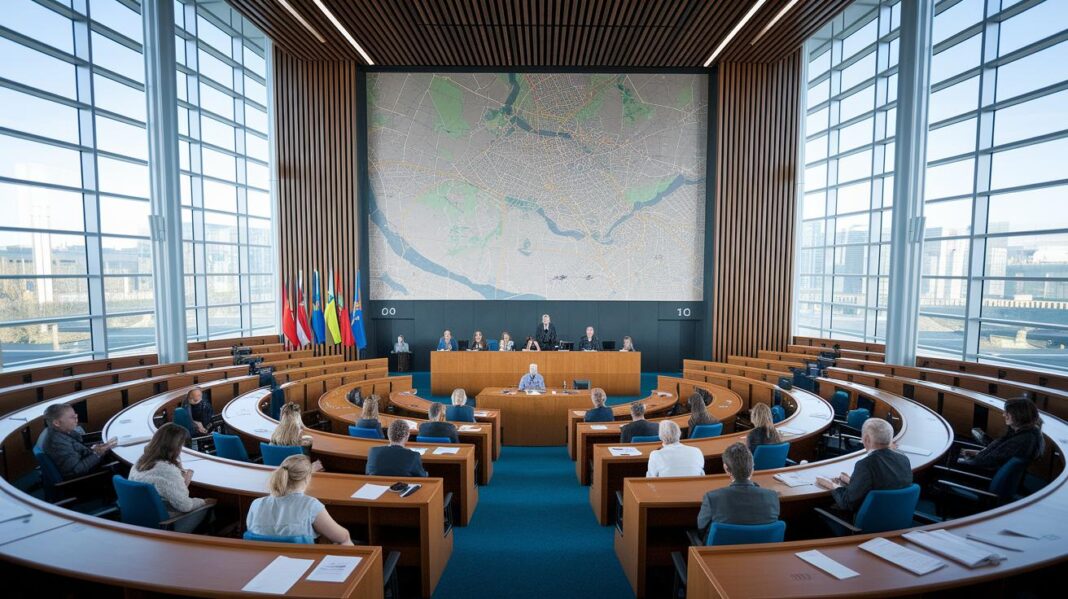
Are our political systems built on ideas from the past that still shape our lives? Our political structure shows who has power, how laws are made, and how government parts work together. Think of it like a small town meeting where every vote matters and decisions touch daily life. This post explains how different political models work and why our public institutions matter for fair rules and clear authority.
Understanding Political Structure: Definitions and Scope

Political structure means how power is set up in a state or society. It covers the institutions, laws, and daily practices that keep things running. For example, some say that before modern global trade, many groups used barter systems. This simple method helped shape their early ways of governing and shows that a society's framework affects all parts of its rule.
At its heart, political structure explains who holds power, how decisions are made, and how different parts of government work together. Models of government, ways to share power, and state rules all work together to shape public policy and guide how institutions relate. In simple words, these systems show who has the final say and how that decision moves through various branches.
Political structure also points out key links between national leaders and local figures. Lawmakers write rules, executives put them into action, and courts check that these rules work as planned. This setup helps stop one group from seizing all the power while keeping lawmaking fair and smooth.
These basics form a blueprint for building government systems that are stable, work together well, and support fair policies with clear lines of authority.
Political structure: Fresh insights for informed minds
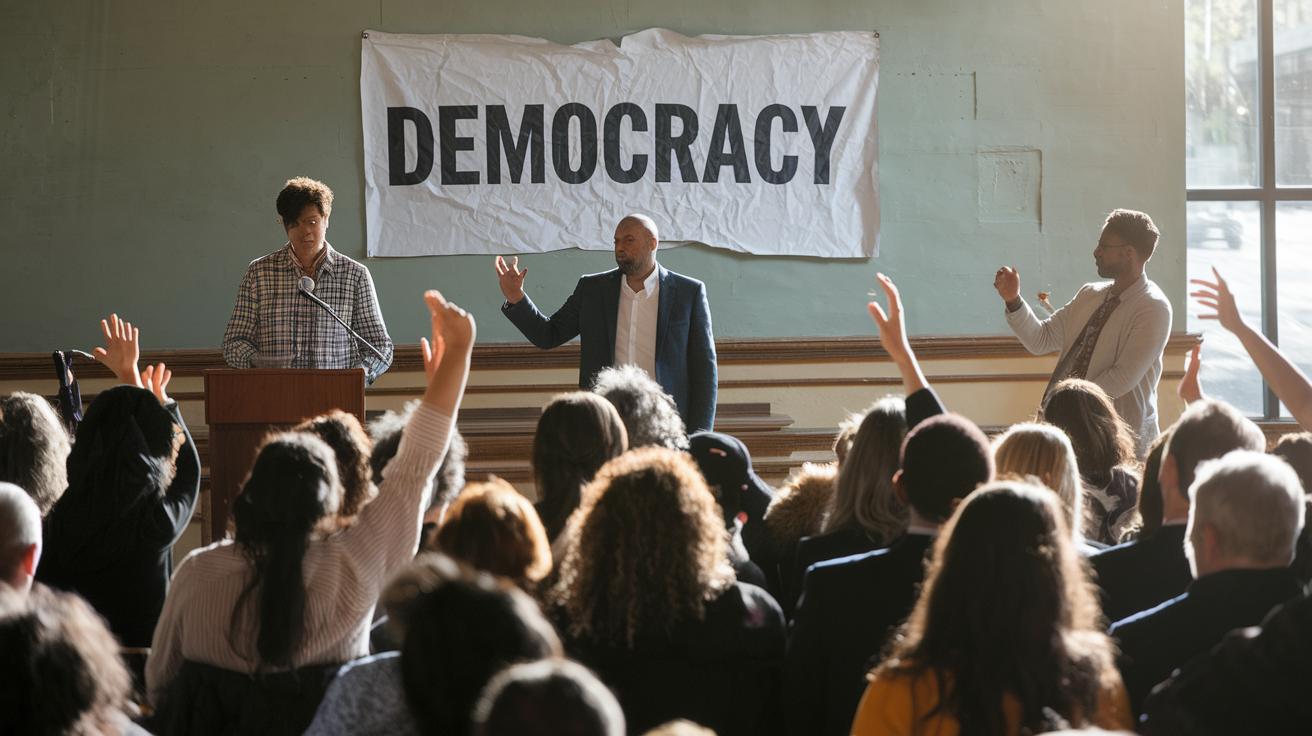
Political setups fall into clear types that show how power is used. They tell us who makes the laws and set the balance between personal rights and state control. Each model shows its own way of including citizens or keeping power focused in a few hands. Looking at these types helps us understand why governments work the way they do. Think of a town meeting where every vote counts, this is the heart of democracy.
The main types are:
- Democracy: A system with elected officials, clear laws, and active citizen input.
- Autocracy: A setup where one leader or family holds most of the power, with little room for other ideas.
- Totalitarian Regime: A way of governing where the state controls information and quiets other opinions.
- Hybrid System: A mix of elections with limits on freedoms, combining parts of democracy and autocracy.
Each system shapes laws and policies in its own unique way, affecting how people connect with their government.
The Separation of Powers in Political Structure
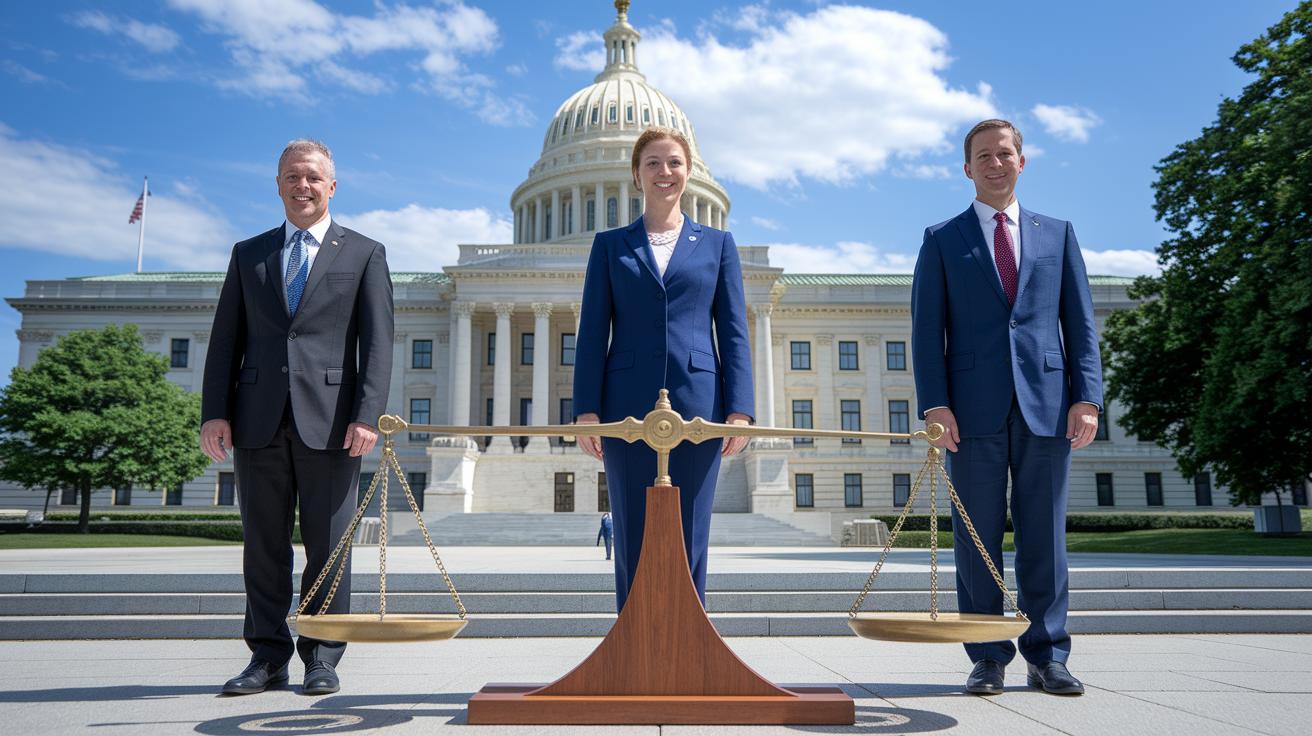
The government splits power into three main parts to keep any one branch from becoming too strong. Each branch has its own job, making laws, executing policies, and interpreting laws. They work together to check each other.
Legislative Branch Roles
In the U.S., Congress makes up the legislative branch with two parts. The House of Representatives has members serving 2-year terms, while the Senate’s members serve 6-year terms on a rotating basis. They write, debate, and pass laws and also oversee the work of the executive branch. Think of Congress like a team that reviews and approves ideas to keep everything balanced.
Executive Branch Powers
The president leads the executive branch and is chosen by the Electoral College. The president sets national policies, enforces laws, and runs government operations. Like a ship captain chosen by the crew, the president steers the country while relying on advisors and department heads. This set-up ensures laws are followed and urgent needs are met quickly.
Judicial Independence
The judicial branch includes the Supreme Court, 94 district courts, and 13 circuit courts. These courts review laws and actions by other branches to make sure they follow the Constitution. They act like referees, ensuring every branch plays by the rules and that citizens' rights are protected.
Federal and Unitary Organization in State Political Structures
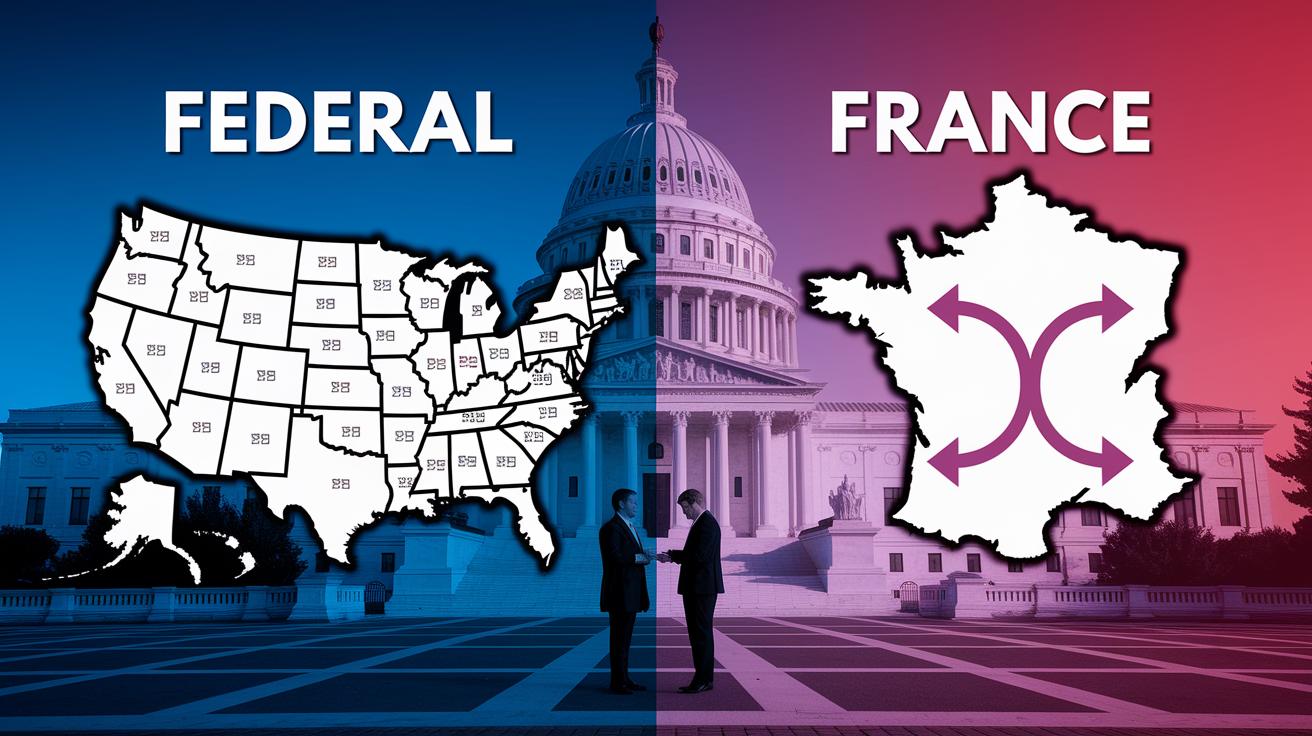
Federal systems share power between the national government and local areas. In the United States, for example, states can make their own laws even when federal rules exist. Local governments can act fast to solve community problems. For instance, California can have laws very different from Texas, which shows how local areas can govern themselves.
Unitary systems put most power in the national government. In these systems, regional authorities only have the power given to them by the central government. This means policies tend to be the same all over the country. In France, local areas work only within limits set by the national government, ensuring a unified public service.
Centralized and decentralized setups affect how services are delivered. Federal systems allow local groups to choose different responses to issues, which gives them flexibility. Unitary systems rely on central decision-making for consistent policies and a smooth rollout. Each model shapes how citizens interact with their government and how efficiently services are provided.
| Model | Power Distribution | Examples |
|---|---|---|
| Federal | Shared power between national and local governments | United States |
| Unitary | Central government with delegated local powers | France |
Institutional Design: Legislative, Executive, and Judicial Functions
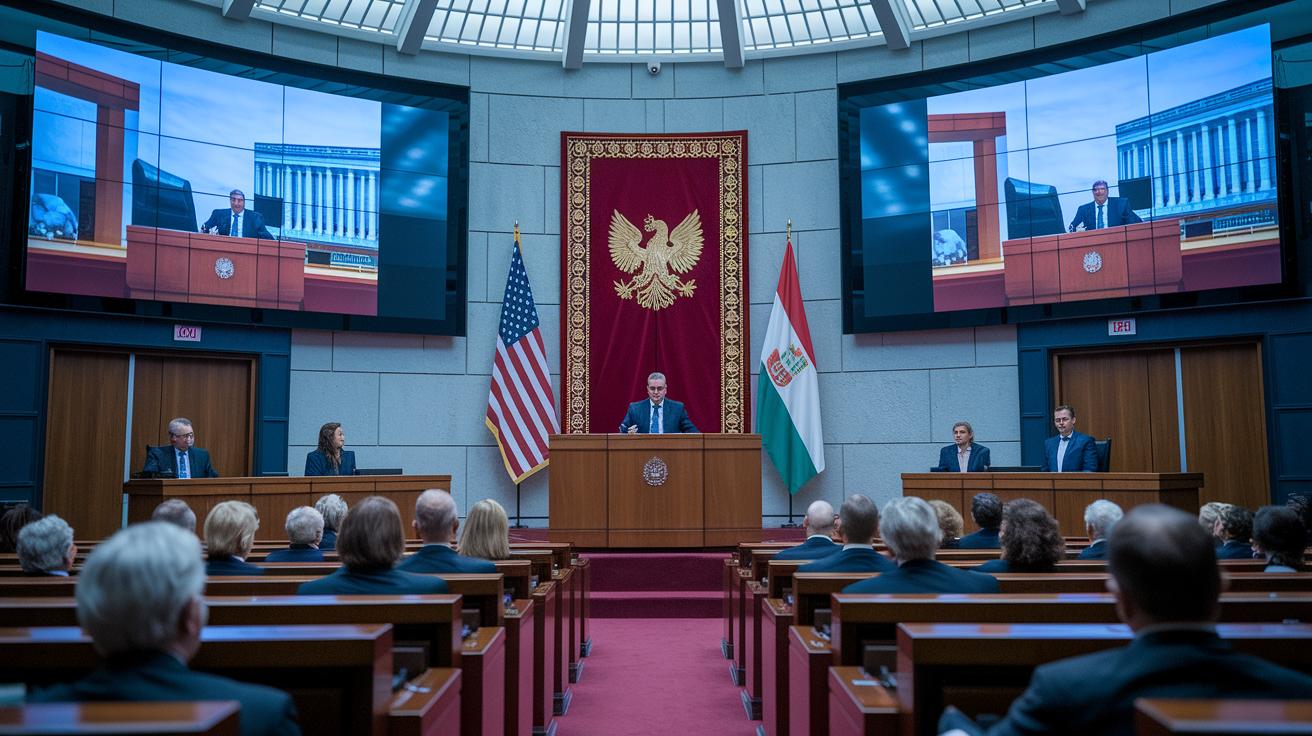
Governments today face new challenges as they mix old routines with fresh reforms. Looking at different countries, we see that some keep a strict separation between branches, while others let lawmakers and leaders work together. Imagine a prime minister who both debates and enacts policies to quicken decisions.
Digital tools and stronger accountability measures are changing how laws are made and enforced. These updates add pressure to old systems like Weberian bureaucracy (a system with fixed rules and hierarchies) and New Public Management (a model that focuses on clear results). This mix sparks questions about how to keep things both stable and agile.
How a government is set up can affect how it reforms public services and handles crises. In some cases, courts now review digital governance methods. This change raises fresh challenges in understanding constitutional rules.
| System | Characteristics |
|---|---|
| Presidential | Separate executive and legislative functions; strong judicial review ensures checks and balances |
| Parliamentary | Executive formed from legislative majority; flexible law-making and potential for rapid reform |
Historical Evolution of Political Structure from Feudalism to Modern States
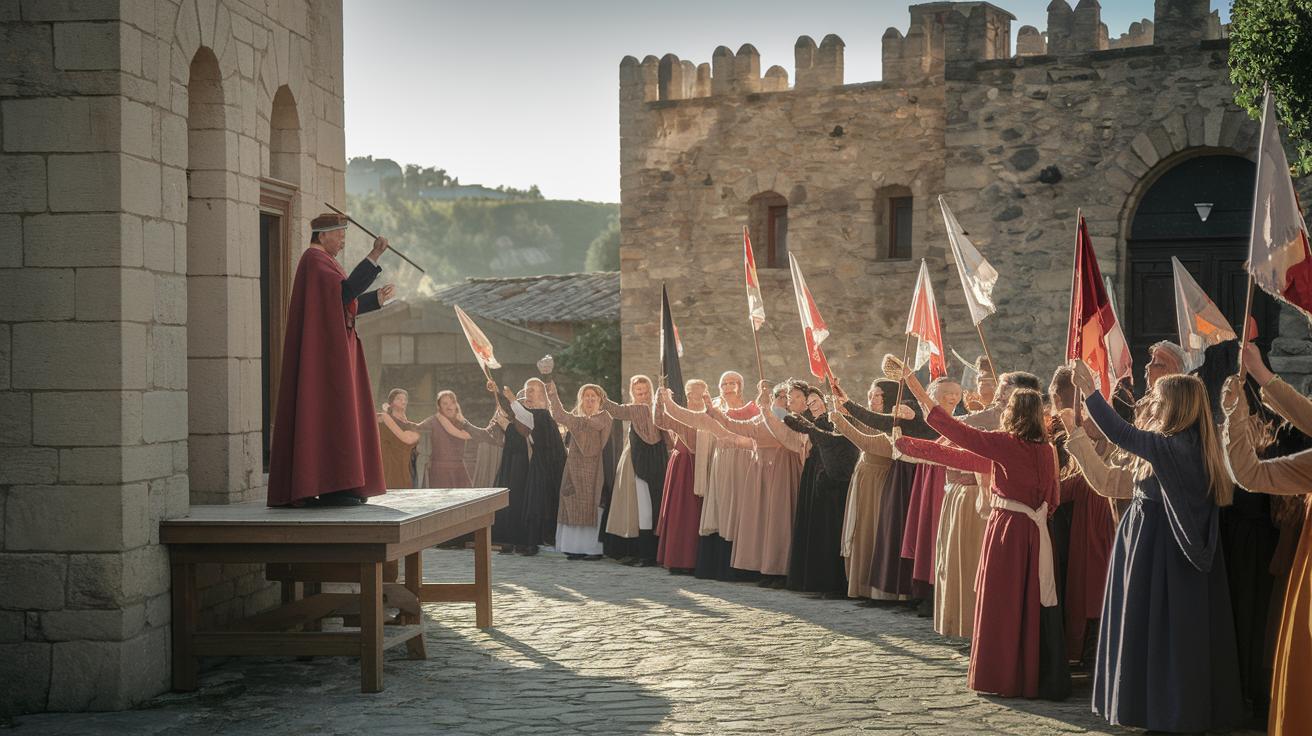
Early societies often used feudal systems. In these systems, power was split among local lords, and personal loyalty kept the order. Think of a small village where a noble's word was rule and everyone pledged their support, that is how early governance worked.
In the Italian Renaissance between the 14th and 16th centuries, city-states like Florence and Venice moved toward stronger central authority. People got involved in local affairs, and leaders began to focus on community needs. City officials even held public debates in town squares, much like modern town hall meetings. This change marked the start of group decision-making over personal rule.
The Enlightenment in the 17th and 18th centuries brought new ideas that shaped government. Think of it as setting fair game rules. The idea of a social contract (an agreement among people about how to govern themselves) and separating government powers meant that no one group could easily take control. These ideas paved the way for constitutional government, where laws follow agreed standards instead of personal favoritism.
By the 19th and 20th centuries, nation-states grew and adopted representative democracy. In this period, legal systems and parliamentary practices became common. Political structures evolved from being based on personal loyalty and local disputes to systems that balance authority and legal rules. Today, these changes still influence how states are run.
Decentralization and Power Distribution in Political Structures
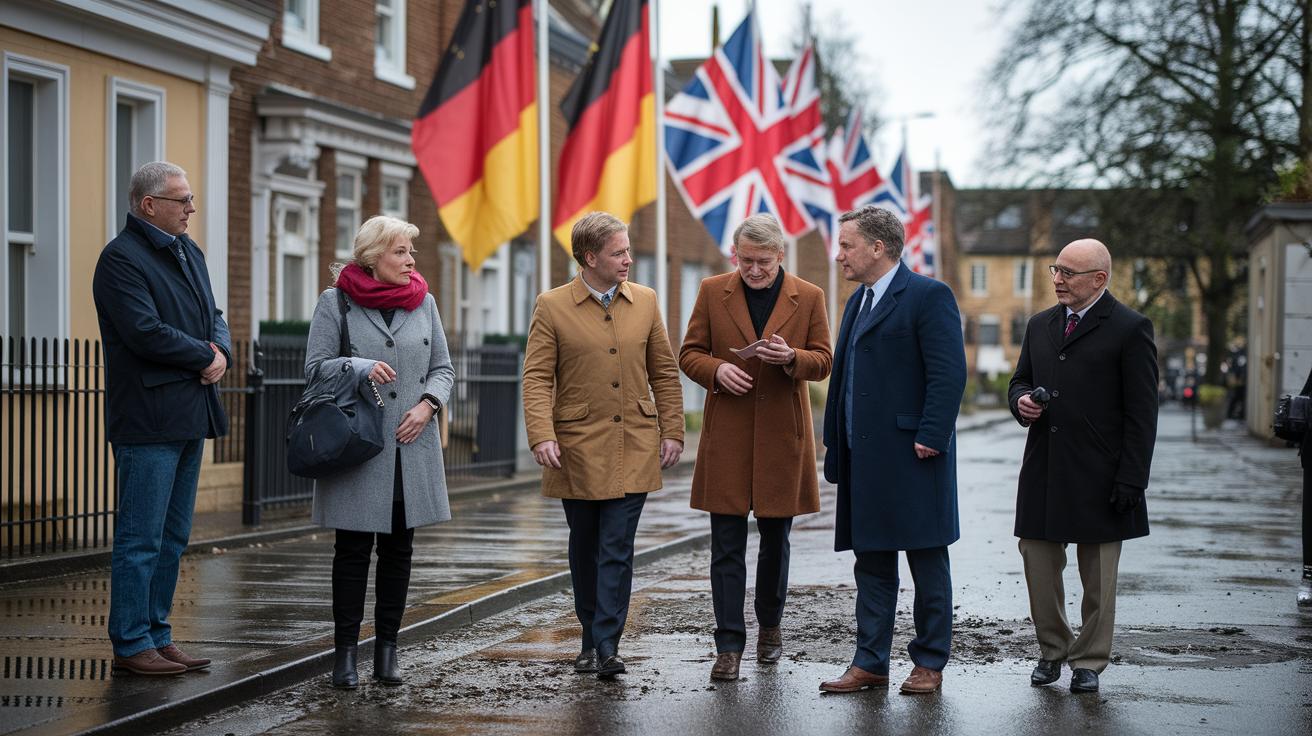
Decentralization shifts decision-making to local and regional governments, making them quicker to act and more answerable to their communities. In both federal and unitary systems, real-life examples show how local power can work with national plans. For example, in Germany's Länder, local councils change policies to suit regional needs. Imagine a small town that quickly fixes potholes after a heavy downpour. In Spain, local leaders create smart solutions while still following national rules. In the United Kingdom, devolution gives regions a big role in local matters while national policies guide the country's overall path.
Together, these examples show that balancing local freedom with central control can boost service quality and build trust among citizens. Local governments tackle daily issues on their own, while national bodies set shared goals, creating a strong and unified system of governance.
Comparative Perspectives on Global Political Structures
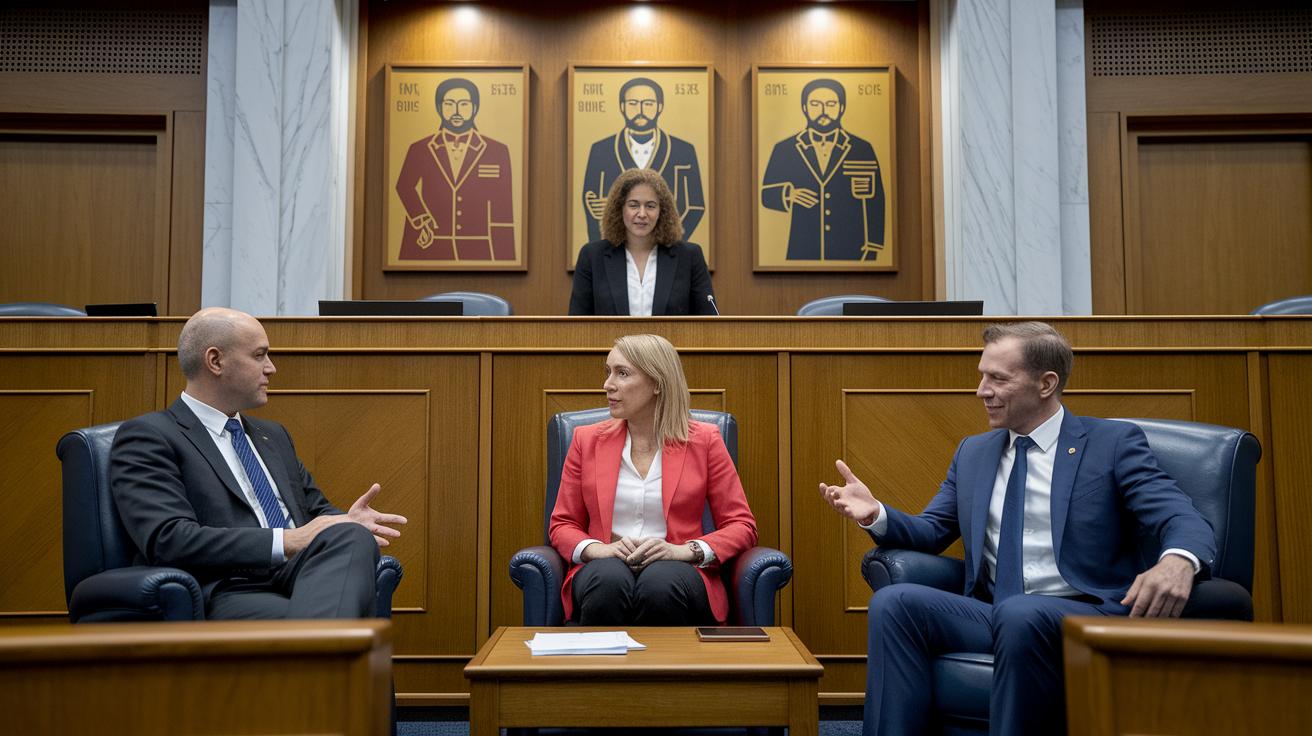
Nations around the world use different ways to run their governments. In some countries like the United Kingdom and Canada, a parliamentary system is common. In this setup, leaders come from the main group in the legislature. Lawmakers work closely with the executive, which can make changes in policy run more smoothly. In contrast, the United States and Brazil use a presidential system. Here, the roles of the executive and the legislature are separate. This clear split helps keep power in check.
The way votes are counted also affects how governments work. Proportional representation gives smaller groups a chance to be heard because seats match the share of votes. On the other hand, the first-past-the-post method, used in places like the United Kingdom, often benefits larger parties. Many countries blend these systems to mix fair representation with stable governance. This blend changes how parties form alliances and how people feel their vote counts. For example, in Canada, election results quickly spark debates that shape national issues.
Every system shows its own mix of checks, party rules, and government structures. Groups like the European Union add extra rules that member countries must follow. These extra layers influence local policies and mix national rules with broader regional ideas. Looking at these differences helps us see how institutions and vote rules shape government actions and the impact on citizens.
Final Words
In the action, our dive into political structure covered key concepts from definitions to power distribution in state governance. We traced how government frameworks evolved from feudal systems to modern institutions. Our review touched on common forms, the separation of powers, and the balance between centralized and local authority. These insights help clarify how decisions are made and power is shared. By understanding these elements, readers gain a clearer view of global governance and its practical impact on everyday life. Stay informed and ready for what lies ahead.
FAQ
What is a political structure?
The political structure means the way power is arranged within a state or society. It covers institutions, laws, and practices that decide how decisions are made and authority is shared.
What are examples of political structure?
The political structure includes forms like democracy, autocracy, totalitarian regimes, and hybrid systems that mix elements of democratic and authoritarian authority.
How does a political structure influence a country?
The political structure influences a country by setting the framework for decision-making, guiding policy, and defining how different branches of government interact and share power.
What are the elements and role of a political structure?
The elements of a political structure involve institutions, legal frameworks, and power distribution mechanisms. Its role is to organize governance, ensure checks and balances, and shape public policy.
What does political structure history show?
Political structure history shows an evolution from feudal systems to modern states, highlighting key changes in power distribution and the emergence of constitutional frameworks over time.
Are there visual representations of political structures?
Visual representations, such as diagrams or drawings, show how different institutions and power flows are linked, helping to clarify the overall design of a political system.
Can I find political structure information in PDF format?
You can find detailed studies on political structure in PDF form from academic sources and research institutions that outline theories and historical developments.