

In 2025, wearable devices go beyond smartwatches to serve as true health monitors. They check blood oxygen, skin temperature, and heart rate while offering live advice with built-in AI (artificial intelligence). Fast market growth and advanced body sensors keep these devices connected in real time. Everyday gadgets are now becoming smart health partners, pushing the limits of how we monitor and protect our well-being.
Current Wearable Tech Trends: Core Innovations and Market Growth
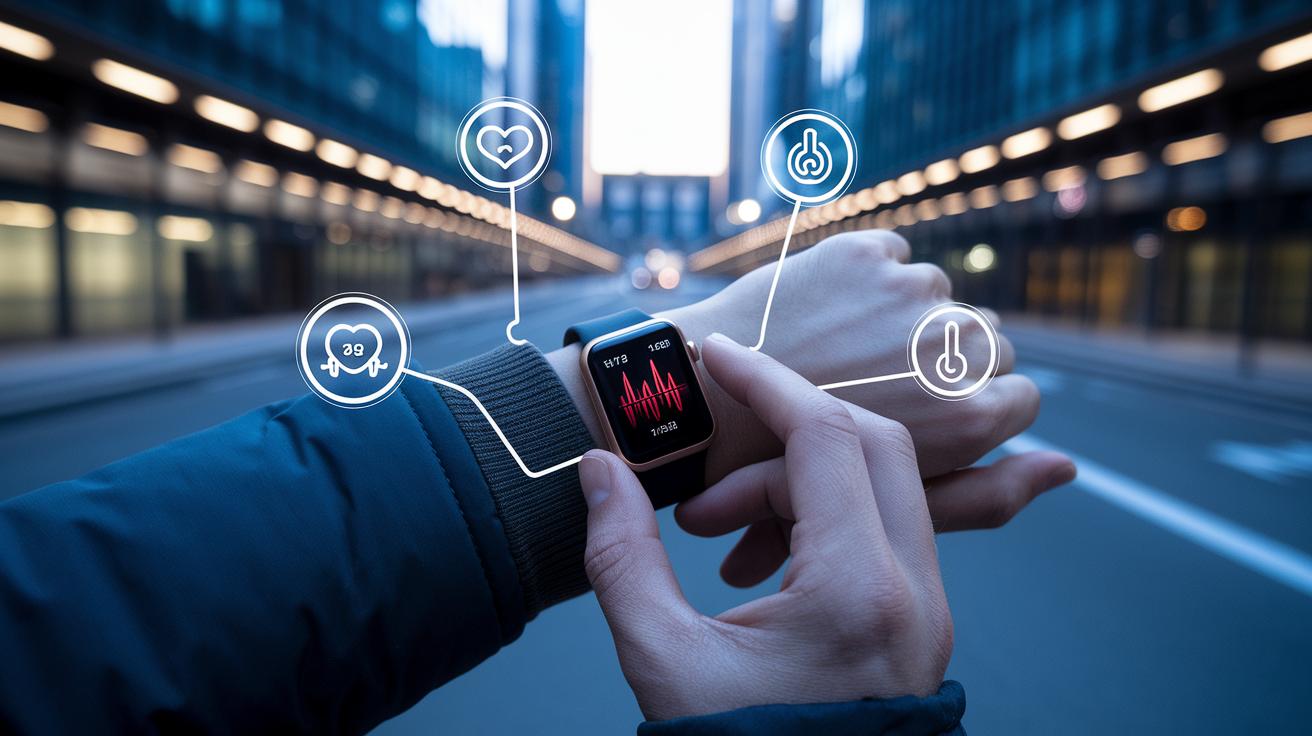
In 2025, wearable tech brings together AI, biometric tracking (monitoring body signs), real-time connectivity, and environmental sensors. These devices act as health monitors, safety tools, and lifestyle aids. Smartwatches and similar gadgets now include clinical-grade sensors that check blood oxygen, skin temperature, and blood pressure. This lets users keep a constant watch on their health while receiving live alerts and coaching from built-in AI.
Market forecasts show strong growth in digital wear. For example, the VR headset market is expected to hit $38.7 billion by 2024 at a 41% growth rate. The VR gaming segment might reach $9.55 billion by 2022. These numbers point to a fast-growing market as both consumers and businesses choose advanced body tech for daily use.
Key drivers include generative AI, which automates data collection from different biometric signals and provides personalized health tips. Improved connectivity and on-device processing also let devices share data without always needing cloud support. This trend helps build ecosystems that combine health monitoring with personal coaching and interactive interfaces.
Manufacturers are responding by focusing on sleek designs and better battery life. Today's trends suggest that wearable tech will keep evolving to offer full monitoring and adapt to the needs of a connected, health-conscious world.
AI-Driven Innovations in Wearable Tech Trends
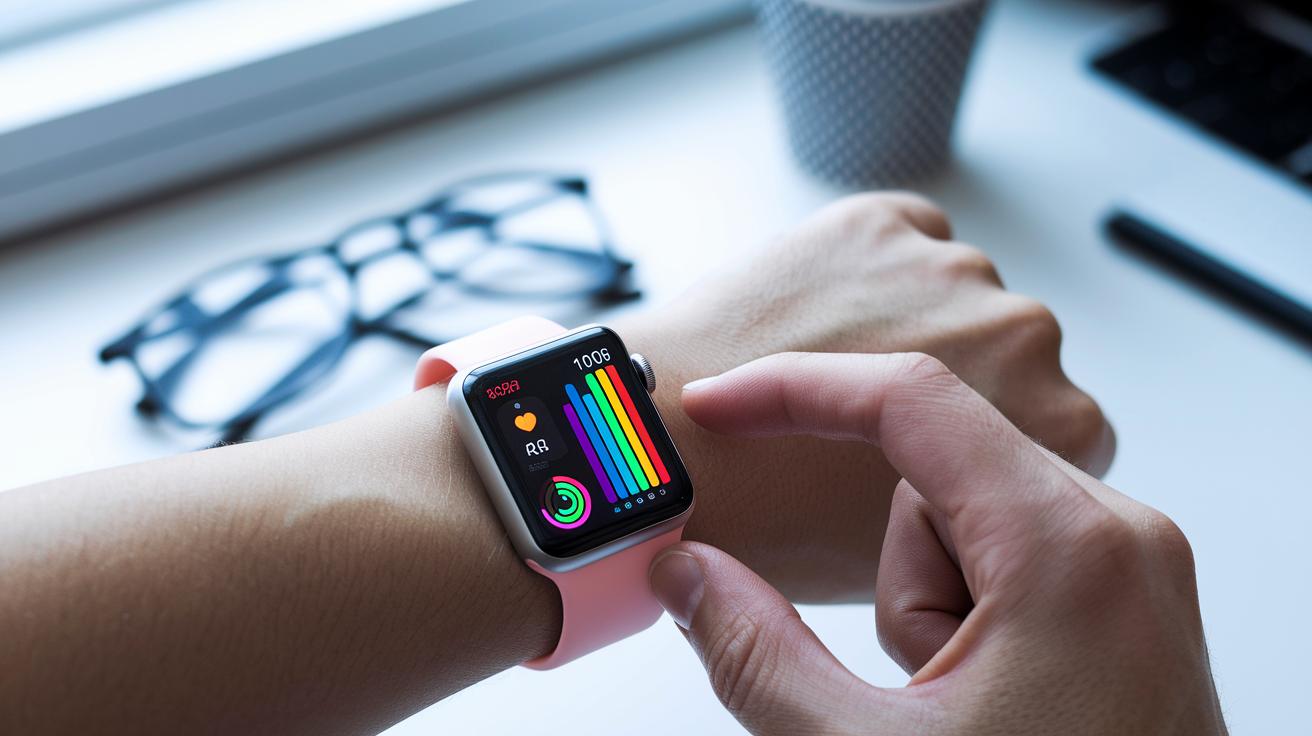
Wearable devices are now smart health monitors that use generative AI. These new gadgets mix different body signals to deliver quick insights. On-device AI processing means they can spot problems and give personal health scores almost instantly. They track things like heart rate, movement, sleep stages, and blood oxygen, and they check the data right on the device without needing a cloud connection.
Key generative AI features include:
- AI health twins that simulate your well-being
- Conversational micro-coaches that offer help in real time
- Combining data from multiple body sensors
- Custom health scores and fast risk alerts
These fresh innovations change how users interact with wearables. A device might offer custom advice during a workout or warn you if it notices unusual changes in your vital signs. With predictive health analytics built in, you get timely feedback that helps you stay on top of your health. This new tech is setting high standards and sparking growth in the wearable industry.
Evolution of Smartwatches and Health Monitoring Wearable Tech Trends
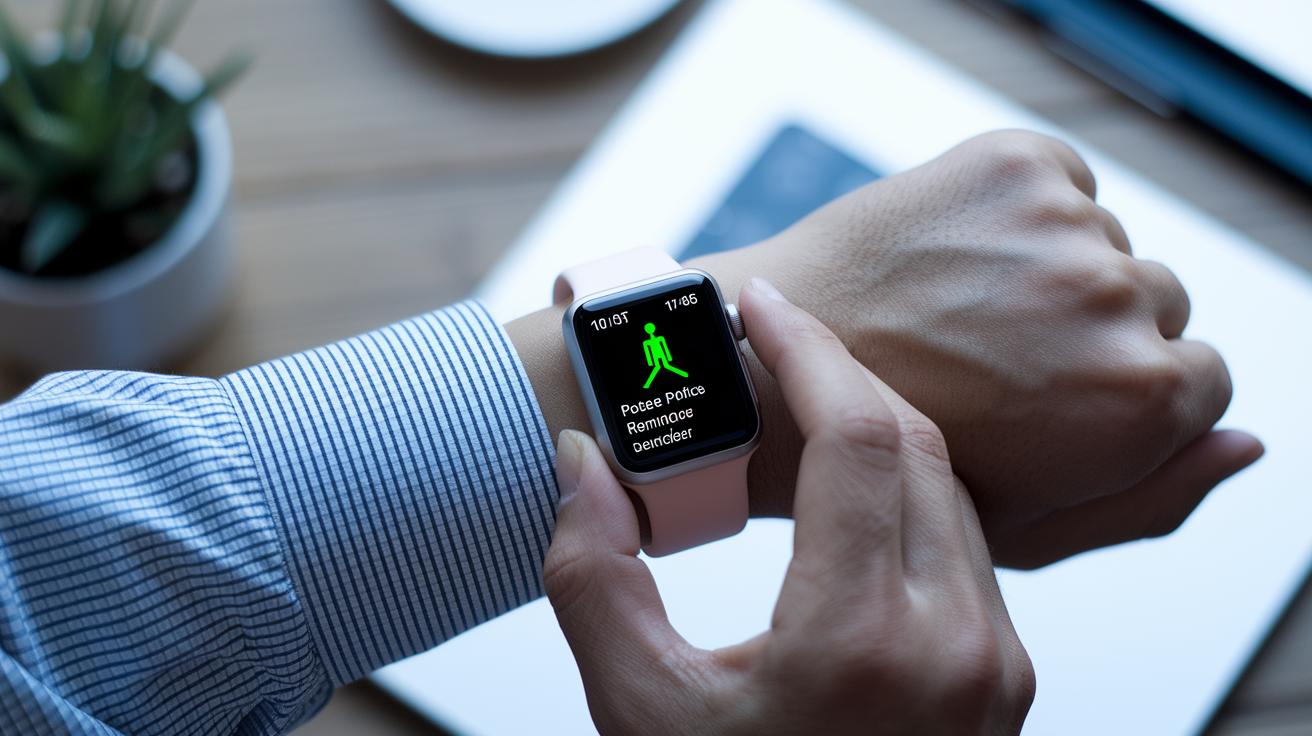
Wearable devices today use smart sensors and fast data processing. They now include features like improved fall detection that sends emergency alerts and posture monitoring that reminds users to adjust during work. For example, a smartwatch might display a prompt such as "Time to adjust your posture" when it detects awkward movements over time.
These upgrades transform smartwatches into all-in-one care tools. They help manage long-term illnesses, keep seniors safe, and even boost wellness in the workplace.
| Unique Feature | Benefit |
|---|---|
| Fall Detection | Triggers immediate emergency alerts for user safety |
| Ergonomic Monitoring | Offers timely advice on posture and movement at work |
Emerging Wearable Formats: Smartglasses, Rings, and VR Tech Trends
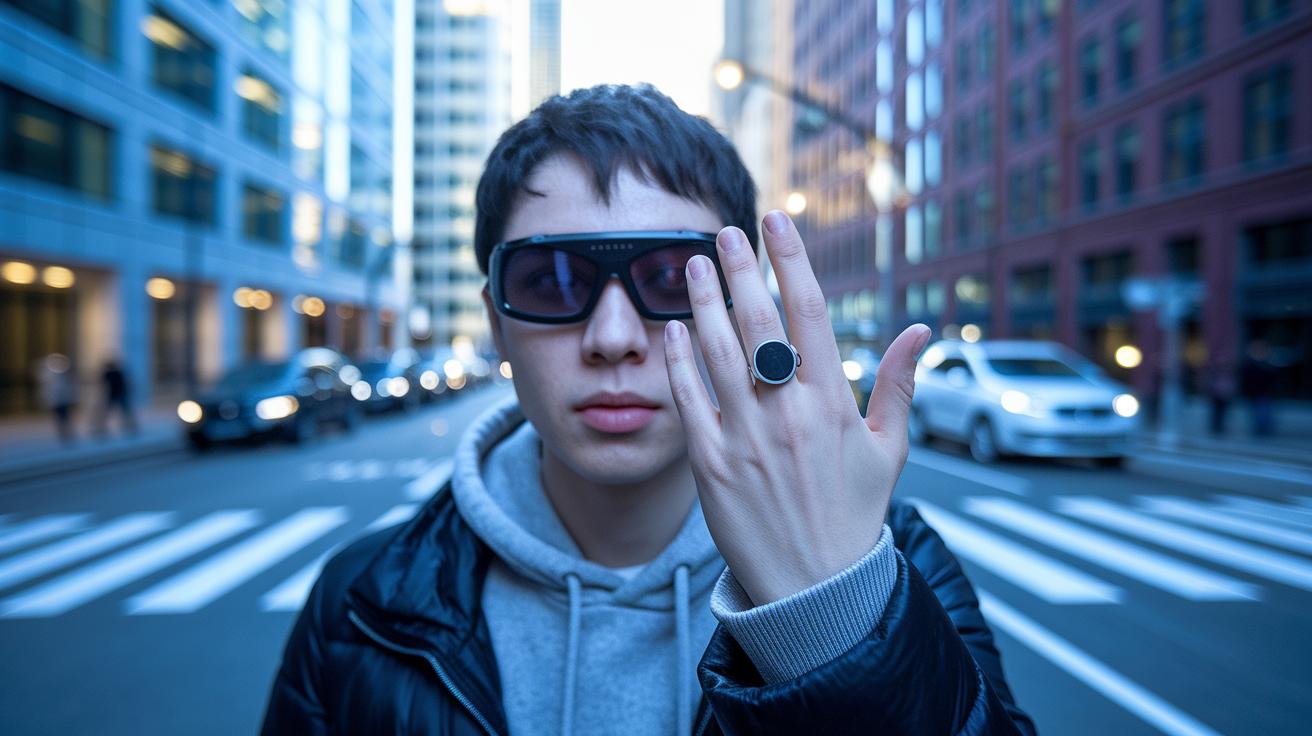
Wearable tech is no longer just for your wrist. Smart glasses lead the trend, using gesture and spatial controls in a slim design. These devices make augmented reality (AR, digital images layered over real-world views) feel natural. Picture a pair that prompts, "Swipe left to reveal directions," giving clear, visual help with daily tasks.
Smart rings offer a quiet yet powerful way to track your health. They monitor heart rate, heart rate variability (HRV, a measure of heart rhythm differences), sleep cycles, and even blood oxygen at times. For example, a ring might flash a quick message like, "Your heart rate just spiked," offering real-time feedback without any fuss.
VR headsets are also growing fast. Top-tier models are making waves in gaming, real estate, healthcare, and retail. The VR gaming market hit big numbers, with estimates around $9.55 billion by 2022. Overall, the VR headset market is expected to reach $38.7 billion by 2024, growing at a 41% annual rate. Imagine a headset that switches quickly from high-definition gaming to a virtual tour of a property without missing a beat.
| Device Type | Key Features | Market Projection |
|---|---|---|
| Smartglasses | Gesture/UI, lightweight AR overlays | Emerging enterprise traction |
| Smart Rings | 24/7 biometric tracking, discreet design | Rapid consumer adoption |
| VR Headsets | Immersive gaming, premium hardware | $38.7 B by 2024 (41% CAGR) |
These wearables are reshaping how we interact with technology at home and at work.
Industrial and Enterprise Wearable Tech Trends

Wearable devices in factories have become key tools that boost efficiency. They track worker movements in real time and send data to help smooth out daily tasks. For example, these tools send alerts if they spot safety hazards, so workers can take action right away.
Safety now also means watching how workers move. Devices in tough industrial settings check posture and look for risky motions. When they detect a problem, they prompt the worker to adjust before any long-term injury happens. New training methods use remote expert support and mixed-reality overlays, giving workers hands-on help as they work.
These smart devices use low-range radio signals (RF signals) to keep data flowing all the time. This setup makes sure equipment runs well even in spots where internet is weak or missing. When offline work is needed, the devices keep running so safety and efficiency never drop.
Connecting to the Internet of Things (IoT) is a big part of this trend. Devices now share their data with company systems, which helps managers spot trends, prevent breakdowns, and schedule fixes early.
Real-time tracking boosts workflow.
Alerts and posture checks keep workers safe.
IoT links support smart maintenance and analysis.
Privacy, Security, and Ethical Trends in Wearable Tech
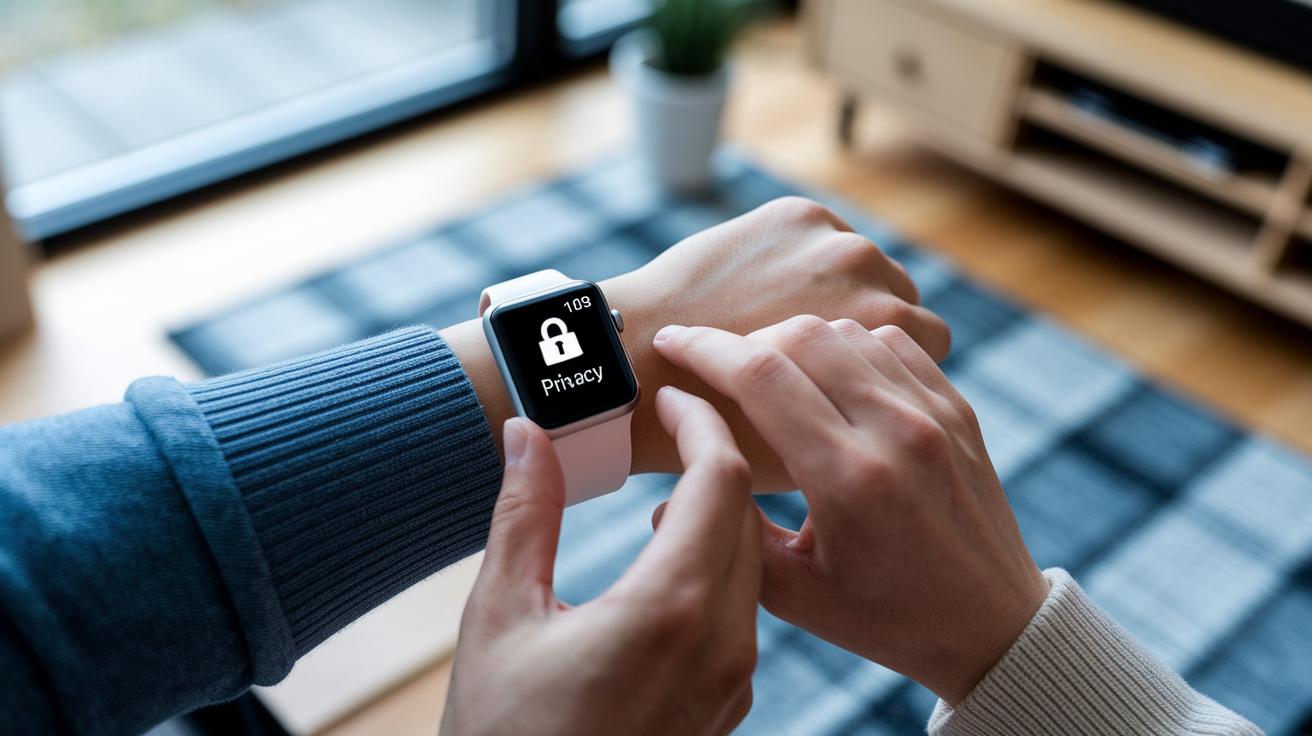
Wearable devices gather sensitive health data, so strong data protection is a must. Top platforms protect user info with methods like encryption (coding data to keep it hidden) and anonymization (removing personal details). They also offer clear consent controls. Many devices run data on-board using local AI (artificial intelligence that works on the device) to lessen the need for external servers. For example, a smartwatch may display a message such as "Your health data remains secure" when transferring data. This keeps users in complete control of what they share and when they share it.
Ethical design in wearable tech means explaining how AI creates insights in plain language. Manufacturers now offer clear breakdowns of data use and let users change their data sharing settings. They also design devices with comfort in mind, so privacy measures do not make them hard to use. By giving users more control and clear options, the industry builds trust and meets privacy, security, and ethical challenges in digital health.
Future Outlook: Next-Decade Wearable Tech Trends and Forecasts
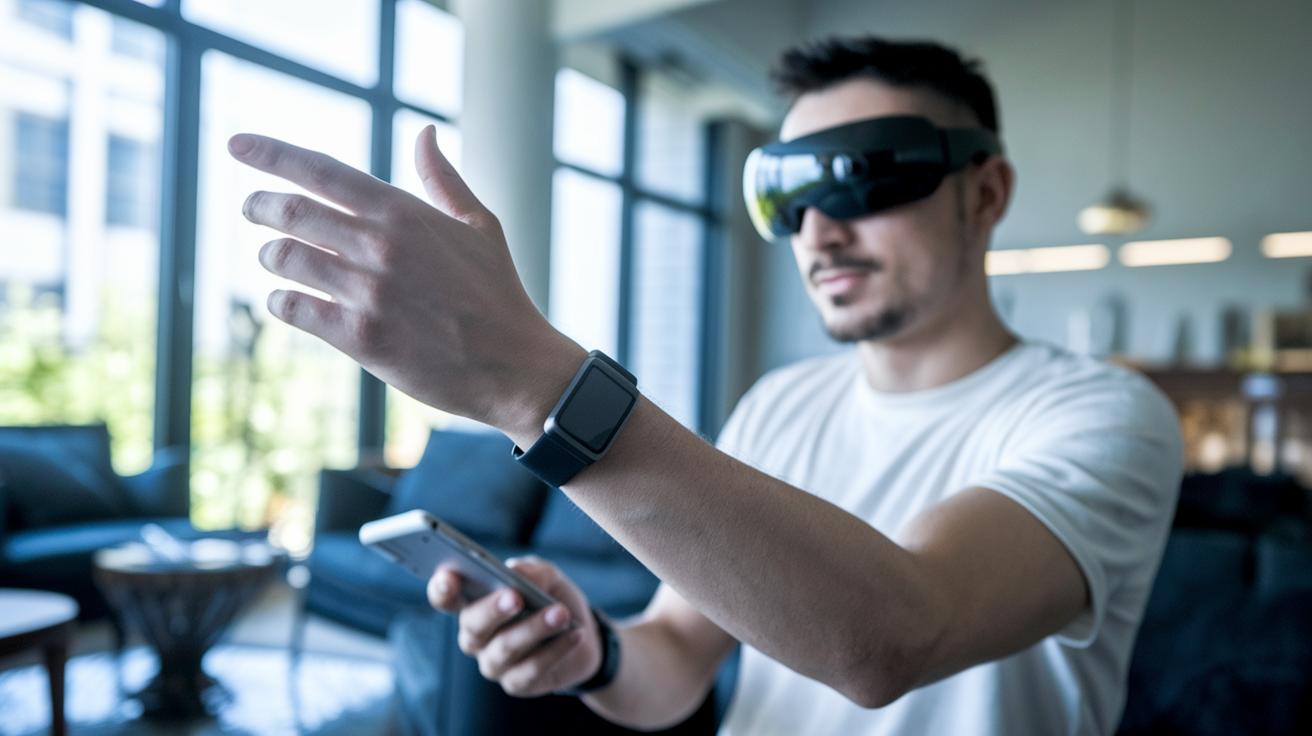
Over the next decade, wearable technology will become as common as smartphones. Companies are using artificial intelligence-driven research and development tools like Patsnap Eureka, which cuts research time by up to 70% by automating material scouting and testing for failures. This faster design process will soon bring devices that mix health monitoring, personal coaching, interactive interfaces, and constant connectivity into one package.
These new devices will offer multiple functions rather than just one. Users will be able to track vital signs, get immediate fitness advice, and enjoy augmented reality experiences all from one gadget. For example, a modern smartwatch might check your heart rhythm, measure blood oxygen levels, and offer real-time coaching during workouts by analyzing how you move.
As more makers adopt AI-assisted design and production, these devices will learn to guide user decisions even better over time. Soon, every wearable may act as a multi-tool that fits smoothly into everyday life, providing fast and accurate data feedback while being comfortable to wear. This outlook paves the way for a connected, health-focused future where innovation continuously reshapes personal technology.
Final Words
In the action, rapid shifts in wearable tech trends and smart devices are driving change across personal health, enterprise safety, and digital interactions.
The article highlighted AI-enhanced on-body devices, advanced smartwatches, immersive VR gadgets, and industrial solutions with strong market growth.
It also examined vital privacy and security measures.
These insights offer a clear view of today’s innovations and a promising future ahead.
Stay alert and ready as wearable tech trends continue to shape the global landscape.
FAQ
What is the future of wearable technology in healthcare?
The future of wearable technology in healthcare centers on devices that use AI and biometric tracking to monitor health, offer real-time insights, and improve patient care while protecting personal data.
What are some examples of wearable technology and how many types exist?
The range of wearable technology includes smartwatches, smart rings, smartglasses, VR headsets, and more, with at least 12 distinct types designed to meet diverse user needs and applications.
How will wearable technology evolve by 2025?
Wearable technology in 2025 will integrate AI-driven features, advanced health monitoring, and real-time connectivity, transforming everyday devices into comprehensive digital health tools and augmented lifestyle aids.
How is the wearable technology market expected to grow?
Market growth for wearable technology is driven by rising consumer and industrial demand; smart and immersive devices are set to increase market expansion through enhanced health monitoring and enterprise integration.
What is the current market size of wearable technology?
The current market size for wearable technology is large and expanding, with segments like VR headsets predicted to reach $38.7 billion by 2024, reflecting strong consumer and enterprise adoption.