
Afghanistan and Pakistan have a long, complicated history. They have clashed over borders and politics for many years. Yet, a shared past keeps their ties intact even during hard times. This post explains how old events and new actions shape their connection. Stay tuned to learn how deep roots and changing politics keep these neighbors linked.
Assessing Afghanistan-Pakistan Bilateral Relations: Historical and Political Overview
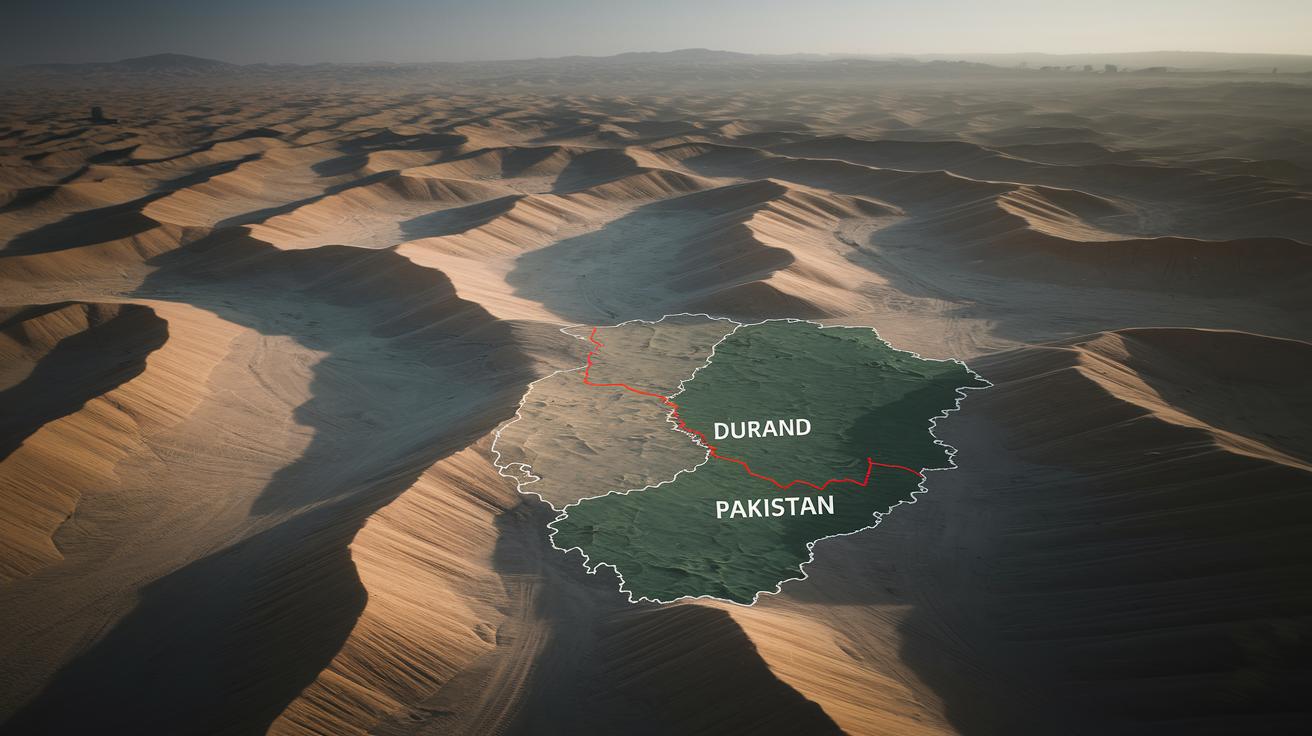
Before 2001, Afghanistan and Pakistan were shaped by old borders and shared histories. The Durand Line, drawn in 1893, created a disputed border that has influenced both nations over time. After Pakistan was formed in 1947, the two countries experienced periods of both close ties and strong rivalry. During the Cold War, Pakistan backed groups such as the mujahideen (fighters) and later groups linked to the Haqqani network. This support deepened regional tensions.
After 2001, the US-led War on Terror changed the area’s politics. Pakistan played a key role in military operations, notably during the 2011 raid on the bin Laden compound. When the US left in 2021, many saw the Taliban’s return as a positive shift, with figures like Imran Khan welcoming the change. These events show that historical ties and long-held ideas still shape today’s diplomatic moves and strategic rivalries.
| Year | Event |
|---|---|
| 1893 | Durand Line agreement |
| 1947 | Pakistan’s creation and partition |
| 1979 | Soviet invasion of Afghanistan |
| 2001 | US-led invasion; Pakistan takes a strategic role |
| 2011 | Raid on bin Laden compound |
| 2021 | US withdrawal; Taliban return |
These milestones continue to affect how Afghanistan and Pakistan work with each other today, influencing both diplomatic ties and strategic plans in the region.
Contemporary Political Disagreements and Cross-Border Security Dynamics
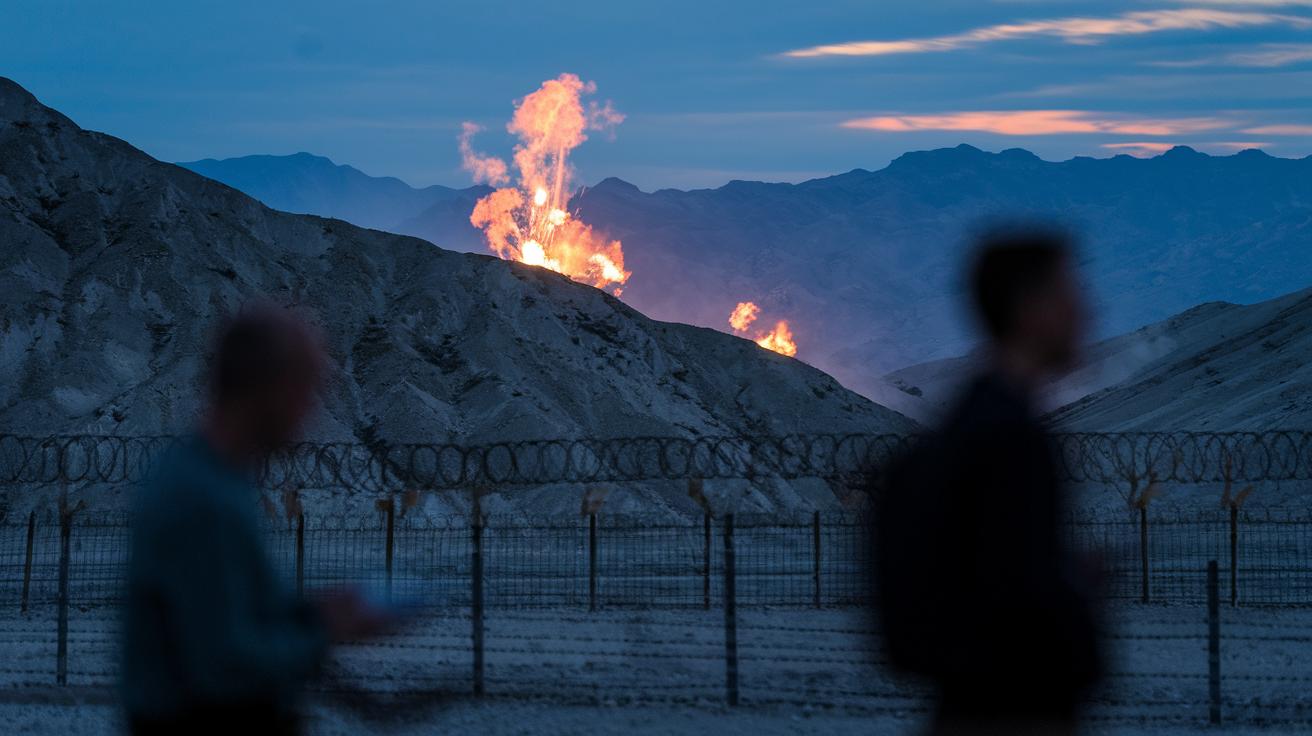
In late 2024, violence flared along the porous border between Afghanistan and Pakistan. Militants resumed attacks, leading to brief ceasefire deals in October 2025. Yet, each side blamed the other for breaking these truces. New clashes soon followed, showing how hard it is to control a border where militant groups act with few limits.
Key events during this time show just how intense the conflict became. In October 2024, TTP leader Ustad Qureshi was killed. Soon after, a deadly attack near Dera Ismail Khan took the lives of 10 Pakistani security personnel. On December 21, 2024, another attack killed 16 security forces and captured a key border outpost. Just a few days later, Pakistan launched an airstrike in Paktika on December 24, 2024, which reportedly killed 46 civilians. These events have deepened tensions and raised urgent questions about cross-border accountability.
Pakistan began its counter-insurgency effort called Azm-e-Istkeham in June 2024. The operation aims to fight both local threats and cross-border attacks. The United Nations reports that about 6,000–6,500 TTP fighters operate in Afghanistan. There are also claims that the Afghan Taliban demanded PKR 10 billion to relocate these fighters. Gaps between civilian diplomacy and military actions continue to make resolving the conflict along the border very difficult.
afghanistan-pakistan relations: Resilient Ties Endure
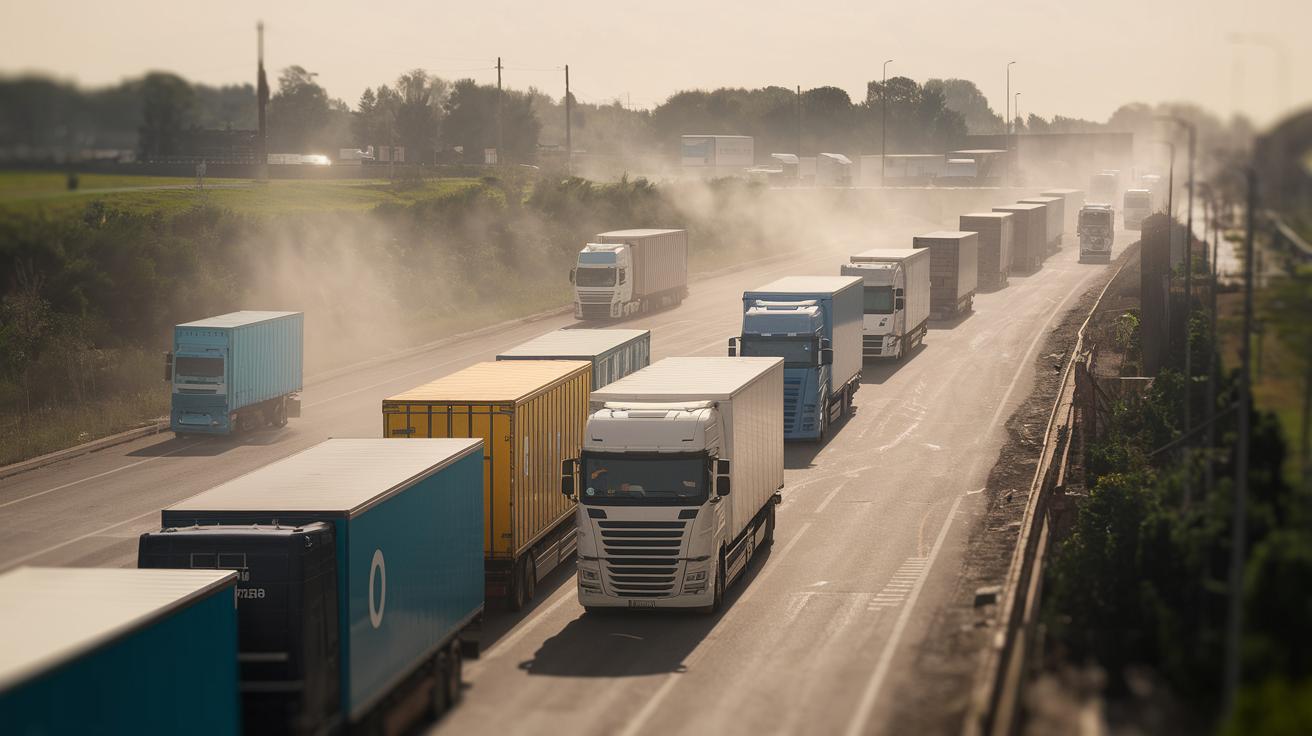
Trade between Afghanistan and Pakistan runs mainly through the Torkham and Chaman crossings. These routes link Afghan markets to key Pakistani ports like Karachi and Gwadar. For example, major routes such as Torkham have long supported regional business.
Customs issues and security checks often slow down trade. More than $1 billion in informal transit is affected each year. Long wait times and uneven rules delay important shipments and worry investors. These hold-ups stop the trade routes from reaching their full potential.
New projects aim to fix these problems. Plans like the China-Pakistan Economic Corridor and a proposed Afghanistan-Pakistan-Tajikistan railway look to modernize the network. They could cut delays and strengthen economic ties, paving the way for smoother trade in South Asia.
Border Disputes, Sovereignty Issues, and Conflict Resolution Strategies
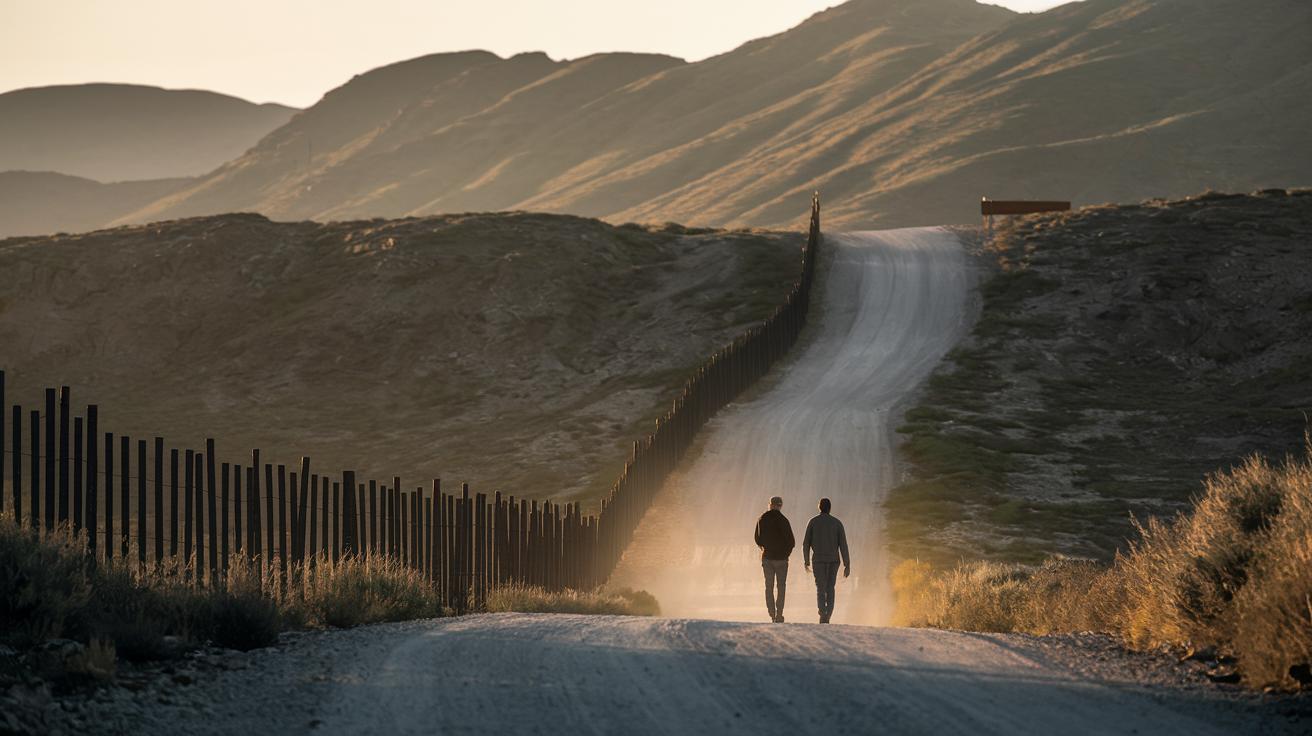
The Durand Line stretches 2,640 km and remains a major source of tension between Afghanistan and Pakistan. Afghanistan refuses to recognize this boundary, arguing that old colonial decisions should not shape today's borders. Pakistan, on the other hand, built a fence in 2017 to secure its claimed territory. Tribes living on both sides make the issue even more complex. Frequent clashes in places like Bajaur and Kurram agencies and many civilians forced to leave their homes in Paktika show the real human cost of these disputes. This conflict is about more than land; it is rooted in ideas of national pride and sovereignty.
| Sector | Pakistan Measure | Afghan Position |
|---|---|---|
| Durand Line (overall) | 2017 fencing program | Non-recognition |
| Bajaur Agency | Joint patrols | Local protests |
| Paktika Province | Border checkpoints | Ceasefire demands |
Regional groups and the United Nations have also weighed in, suggesting changes to help manage the open border. They propose joint patrols and better communication to ease tensions and reduce misunderstandings. These efforts aim to address both immediate practical challenges and the deeper issues of identity and control that fuel the conflict.
Diplomatic Engagements, Mediation Efforts, and Future Peace Prospects
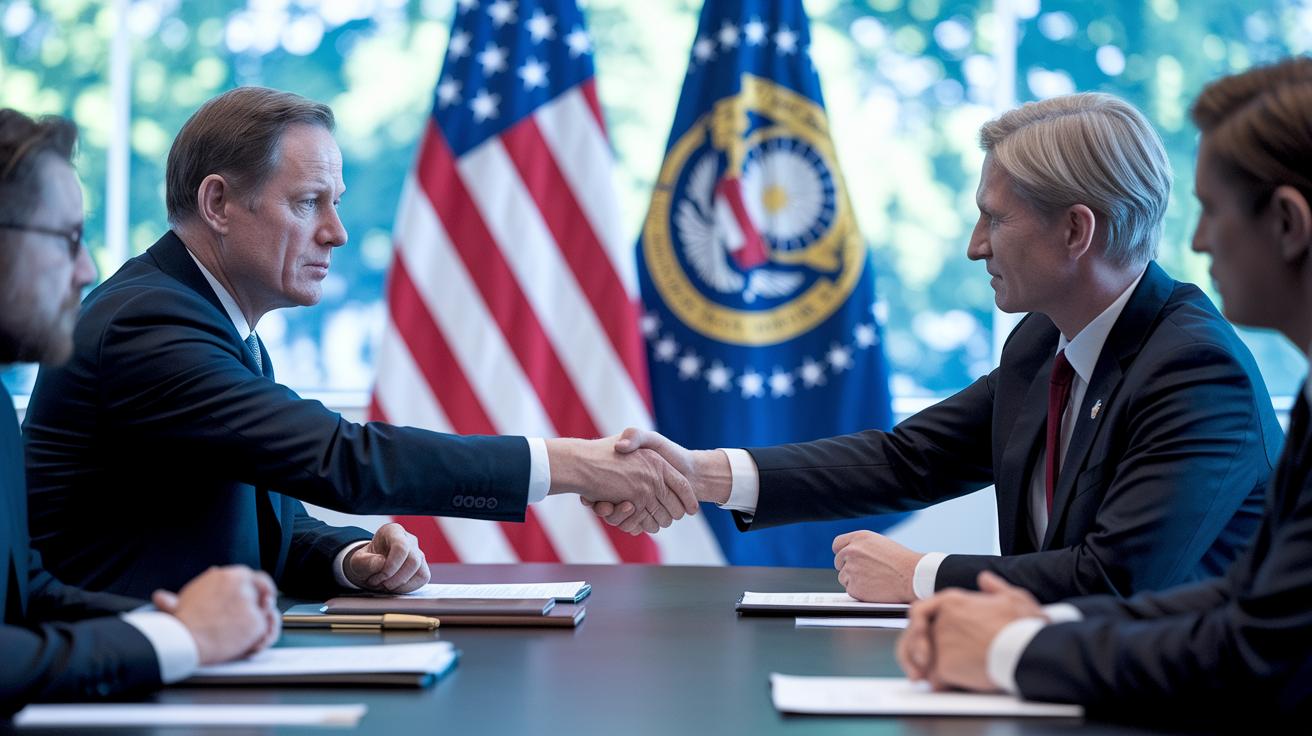
Since 2021, top ministers from Afghanistan and Pakistan have held talks to mend old rifts and boost dialogue. A cancelled summit in Islamabad in 2024 highlighted the ongoing challenges in finding common ground. Mediators from China and Qatar helped guide these discussions. Islamabad's Special Representative, Mohammad Sadiq, visited Afghanistan during December 2024 clashes, showing an urgent need for better communication.
Both sides are taking steps to build trust. The United Nations has suggested joint counterterrorism centers to ease suspicion and improve teamwork. Educational exchanges between the countries offer a path to break down old barriers. Officials have also discussed creating secure corridors for joint security measures. They believe that long-term peace depends on strong links between people and shared safety goals. These efforts point to a future where a troubled past could give way to greater stability and cooperation in South Asia.
Final Words
In the action, our review traced key moments and shifts in afghanistan-pakistan relations. We covered early alliances, later disagreements, and evolving trade and border issues in clear, factual segments.
Short bullet timelines and detailed maps highlighted major events. Diplomatic talks and mediation efforts reflected ongoing efforts to improve stability.
Each section built a broad view of longstanding challenges and future prospects. The story leaves us with hope for enhanced cooperation and more peaceful solutions ahead.
FAQ
What are Pakistan-Afghanistan relations like in 2024?
Pakistan-Afghanistan relations in 2024 are marked by ongoing border tensions, political disagreements, and efforts to manage militant activity while working through intermittent ceasefire talks.
What have reports from Al Jazeera highlighted about Pakistan-Afghanistan relations?
Al Jazeera reports have highlighted political disputes, recent border clashes, and counterterrorism measures, offering views on how the nations manage security challenges and shifting diplomatic dynamics.
How does the Pakistan Embassy in Kabul view Afghanistan relations?
The Pakistan Embassy in Kabul notes significant challenges such as border management and diplomatic engagement, striving to balance security concerns with efforts to improve overall bilateral ties.
What is meant by the term “Pakistan-Afghanistan match”?
The term “Pakistan-Afghanistan match” may refer to competitive sports events between the countries or serve as a metaphor for comparing their political and security challenges.
What defines the current Pakistan-Afghanistan border and where can I see it?
The Pakistan-Afghanistan border is defined by the historic Durand Line and marked by checkpoints; detailed maps are available from recognized geographic agencies and government sources.
How is the Pak-Afghan War of the 1960s remembered?
The Pak-Afghan War of the 1960s is recalled as a significant conflict that influenced military strategies and diplomatic relations between Pakistan and Afghanistan in later years.
How effective has the Pakistan-Afghanistan ceasefire been recently?
Recent ceasefire attempts have seen mixed results with periods of calm interrupted by renewed clashes, reflecting the continuing instability and unresolved political tensions along the border.
What is the key issue between Afghanistan and Pakistan?
The key issue between Afghanistan and Pakistan centers on a longstanding border dispute over the Durand Line, which fuels broader political tensions and complicates diplomatic resolutions.
Who are considered Afghanistan’s closest allies?
Afghanistan maintains strategic ties with neighboring countries and regional powers, although the term “best friends” can vary as alliances shift with evolving geopolitical interests.
Who is Afghanistan’s largest trade partner?
Afghanistan relies on a major trade partner that facilitates access to international markets; Pakistan plays a significant role in both formal and informal trade, driving essential economic exchanges.
What is the root cause of the Afghanistan-Pakistan conflict?
The root cause of the conflict lies in historical border disputes stemming from the Durand Line, compounded by enduring political rivalries and differences in strategic priorities.