Is our foreign policy built on clear facts or hidden agendas? Since 1921, the Council on Foreign Relations has set itself apart with unbiased research and expert insights. Based in New York City and Washington, DC, it transforms deep analysis into practical steps that guide U.S. foreign policy. The council brings together leaders from diplomacy, academia, business, and media to tackle global challenges. This post explains how the institution stays true to its mission and continues to shape policy debates today.
Council on Foreign Relations: Empowering Policy Impact
Founded in 1921, the Council on Foreign Relations is a nonpartisan center that helps shape U.S. foreign policy. It began after major global conflicts with a simple goal: to offer a clear view of international issues. The council sticks to facts and expert opinions, keeping politics out of its research.
It works from two main hubs in New York City and Washington, DC. These busy centers bring together top voices from diplomacy, academia, business, and media. The council hosts seminars, roundtables, and conferences that turn research into practical steps for tackling new global challenges.
Its key events include the Annual Council Meeting and a free data platform for public opinion. The council also produces Foreign Affairs magazine, policy briefs, alerts, and online specials on topics like security, technology, and global shifts. One alert, for example, gave crucial insight during a sudden international crisis, showing how these efforts help guide leaders through complex global issues.
Historical Evolution of the Council on Foreign Relations
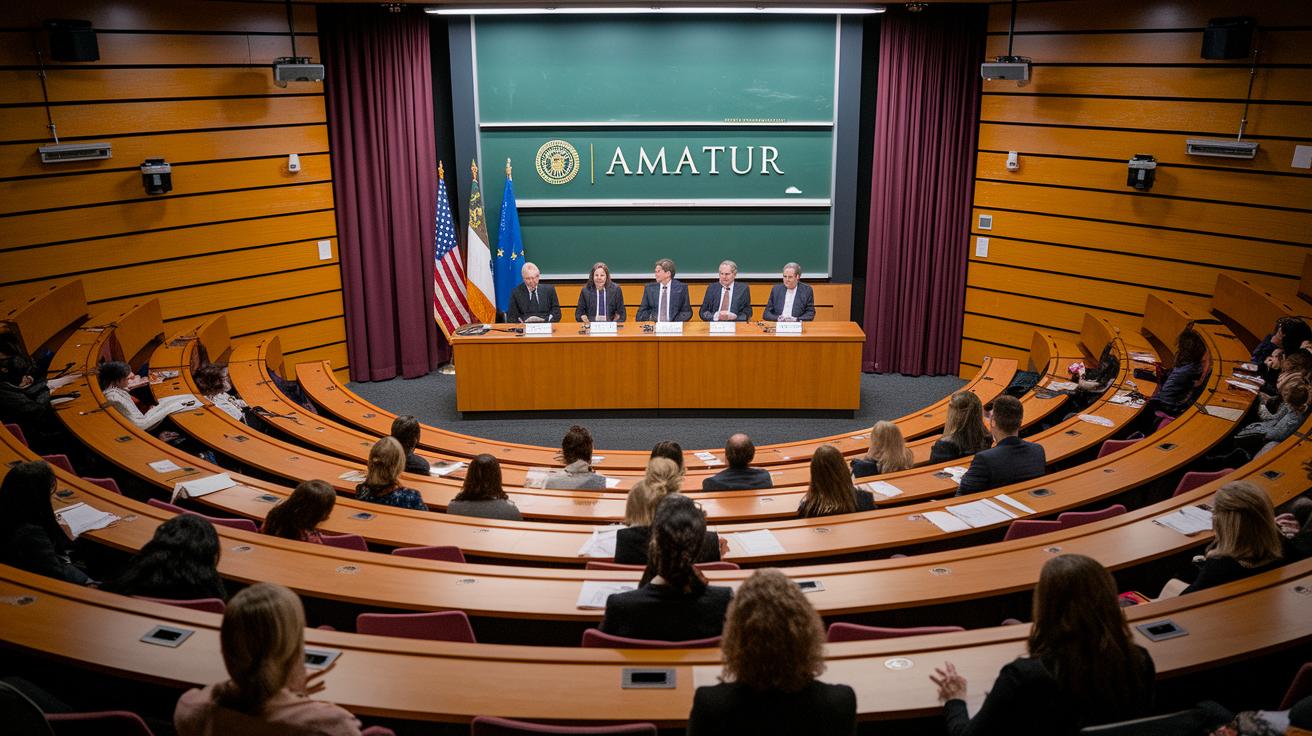
The Council on Foreign Relations started in 1921 after World War I. Its mission was to offer clear, independent analysis to guide U.S. foreign policy. Early on, it set up a place for open debate. Initiatives like the Journal of International Affairs and public lecture series got experts together in small halls to question old ideas.
During the Cold War, the council expanded its work. It added more research programs and focused on public education. Lectures, roundtables, and policy talks helped both leaders and citizens navigate a divided world. This work affirmed the council’s trusted role in international affairs.
In the late 1900s, the council turned to digital tools to share its work around the globe. It introduced online archives and data tools that complemented its years of research and discussion. Modern technology allowed the council to reach a larger audience and keep its impact strong in a fast-changing world.
Governance Structure and Leadership at the Council on Foreign Relations
The council is run by a Board of Directors that includes business leaders, former officials, and academics. They bring skills in diplomacy (the art of managing international relations), economics, and security. The board makes important decisions and sets policies so that the council stays a trusted source for global analysis. Each member is picked for real-world experience and a clear commitment to fair research.
The council's President and CEO, [Name] (who used to be [position] at [institution]), leads with a focus on practical policy fixes. The executive team works hand in hand with several advisory panels and Policy Councils for guidance on key issues. This close work shapes how the council meets challenges in international relations. Both leadership and advisory groups steer the council's work in research, educational events, and public outreach.
- Board Committee on Strategic Affairs
- Advisory Panel on Global Security
- Committee on Economic Policy
- Panel on International Dialogue
The board follows a strict hiring process that values proven expertise and a strong track record. Members oversee projects that cover topics from global security to economic policy. Their combined efforts help keep the council's mission clear and unbiased, offering insights that affect policy in the U.S. and around the world.
Research Programs and Publications of the Council on Foreign Relations

The council carries out deep research on issues like security, climate, technology, human rights, and migration. It aims to make sense of tough global challenges and help policy makers make clear choices. Its many publications offer new ideas and practical insights for people following world affairs.
- Policy briefs give quick analyses on new issues.
- Policy alerts provide fast updates during global events.
- Web specials cover topics such as EU enlargement and China’s maritime strategies.
- Foreign Affairs magazine comes out in six print issues each year and is also available online.
- An open-access data platform shows public-opinion polls on today’s foreign policy topics.
Flagship projects like Re:Engage and Re:Order show the council’s focus on solid analysis. Re:Engage looks at EU policy and examines how European strategies change with global shifts. Re:Order studies new global orders and offers insights on the mix of economic and political trends. The council also uses digital platforms to deliver real-time polling data and interactive reports that capture public feelings on major issues.
This blend of detailed research and timely publications helps decision makers and the public stay informed and ready to act in international affairs.
Membership, Internship, and Career Opportunities at the Council on Foreign Relations
The council has two main membership types: Individual and Corporate. Each type comes with different dues that let you use special resources and join important events. Professionals in policy, media, academia, and business are welcome. This mix of members helps build a network where academic ideas meet real-world global issues. Being a member opens doors to top internships, fellowships, and career events designed to grow future international relations leaders.
- Fill out the online application for membership or an internship.
- Send in important documents like school records and professional recommendations.
- The council reviews your file to see if it fits their criteria.
- You then take part in an interview or evaluation session.
- The council lets you know if you are accepted.
- You go through an onboarding process before the internship starts.
After the internship, many career development options are available. These include graduate fellowships, mentorship programs, and professional seminars. Interns often move into roles within the council's network, which features senior government officials and policy-makers. This alumni network gives ongoing support, career advice, and invites to exclusive events. Through these programs, the council helps the next generation of international policy leaders gain real experience and valuable connections.
Major Events and Global Forums Hosted by the Council on Foreign Relations

Each year, the Council holds its Annual Meeting in New York. More than 2,000 top experts from government, business, and academia gather there to talk about issues that shape world affairs. Participants discuss topics such as shifting alliances, cybersecurity (protection of computers and networks), and disinformation strategies (plans to spread false information). This meeting is a key event that sets the pace for international debate.
In addition to the main meeting, the Council hosts a range of smaller events that promote global dialogue. These include expert roundtables on diplomatic partnerships and digital security, in-depth symposiums on trade, technology, and global governance, and regional forums in Washington, DC and select cities around the world. Virtual panels also connect thought leaders and extend the Council’s research outreach.
Featured speakers at these events include senior diplomats, leading CEOs, and top academics. Their insights help guide discussions and extend the Council’s global influence in shaping public policy debates.
Influence and Impact of the Council on Foreign Relations in U.S. Policy
The Council on Foreign Relations (CFR) has served as a trusted advisor to major U.S. government agencies for many years. Its task forces and expert reports guide choices at the State Department and National Security Council. The council offers clear, data-based research that lawmakers use in congressional testimonies on trade, security, and climate change. Media outlets often cite CFR polls, which show how public opinion shapes policy debates. For instance, one report explained how changes in global trade might affect local markets, a finding that later spurred new legislative discussions.
Many CFR fellows have become ambassadors, national security advisors, and senior officials. Their firsthand experience gives extra weight to the council's work, making CFR a key resource for policymakers. The research from these experts drives government strategies and builds trust with the public by offering unbiased guidance on complex international issues.
- CFR research helped lawmakers adjust export rules by offering clearer trade policy guidelines.
- Expert insights from CFR shaped national security strategies by influencing defense spending and threat assessments.
- Data-driven analysis from CFR spurred changes in climate policy discussions and highlighted the economic effects of environmental change.
Criticism, Controversies, and Funding of the Council on Foreign Relations
Some critics say the council shows clear signs of elite bias and a revolving door between its staff and government circles. Media reports note that members often mix with government figures. Critics also debate the council's political stance, wondering if its close ties with high-level decision makers hurt its independence.
The council also faces questions about its funding. Many pay attention to its corporate and foundation contributions. These financial supporters include private companies and philanthropic organizations, which some worry could influence the council's work. In response, the council has taken steps to keep its financial activities transparent.
- Annual financial reports are published for public insight
- Donor disclosure lists detail the contributors
- Independent reviews help monitor fund usage
Final Words
In the action, the blog post takes you through the founding, growth, and impact of a key foreign policy think tank. It highlights the organization’s mission, dual headquarters, and research programs, while also examining its membership opportunities, major events, and influential role in shaping policy debates. The discussion covers clear insights into governance, public education, and funding challenges. This serves as a helpful guide for understanding global shifts and the role played by the council on foreign relations. The outlook remains positive as readers build a deeper understanding of complex international affairs.
FAQ
What do Council on Foreign Relations members and notable CFR members encompass?
The question about CFR membership indicates that the organization includes professionals from business, government, and academia, with notable members having served as ambassadors, national security advisors, and senior policy-makers.
What does the Council on Foreign Relations internship program offer?
The question regarding CFR’s internship reveals that the program accepts around 10–15 interns from nearly 200 applicants each summer, providing hands-on exposure to policy research and international affairs.
Who were the founders of the Council on Foreign Relations?
The question about the founders shows that CFR was established in 1921 as a nonpartisan think tank by leaders who aimed to inform U.S. foreign policy and public debate on global affairs.
What is the political leaning of the Council on Foreign Relations?
The question on political leaning indicates that CFR maintains a nonpartisan stance, offering balanced research and analysis to educate on U.S. foreign policy without favoring any specific political side.
What are the main criticisms of the Council on Foreign Relations?
The question on CFR criticism notes that concerns focus on its elite membership and funding sources, while the organization commits to transparency through annual financial reports and donor disclosures.
What is the significance of Council on Foreign Relations’ New York location and address?
The question about CFR’s New York location explains that the organization operates out of New York City, serving as a major hub for research, events, and international policy discussions.
Who funds the Council on Foreign Relations?
The question regarding CFR funding shows that the organization receives support from corporate, foundation, and individual donors, with detailed disclosures provided in its annual financial reports.
Who controls the Council on Foreign Relations?
The question on control explains that CFR is overseen by a Board of Directors made up of leaders in business, government, and academia, ensuring diverse oversight of its policy and research work.
Is George Clooney a member of the Council on Foreign Relations?
The question about George Clooney clarifies that there is no verified source confirming his membership in CFR, as membership is primarily composed of professionals engaged in foreign policy and related fields.