
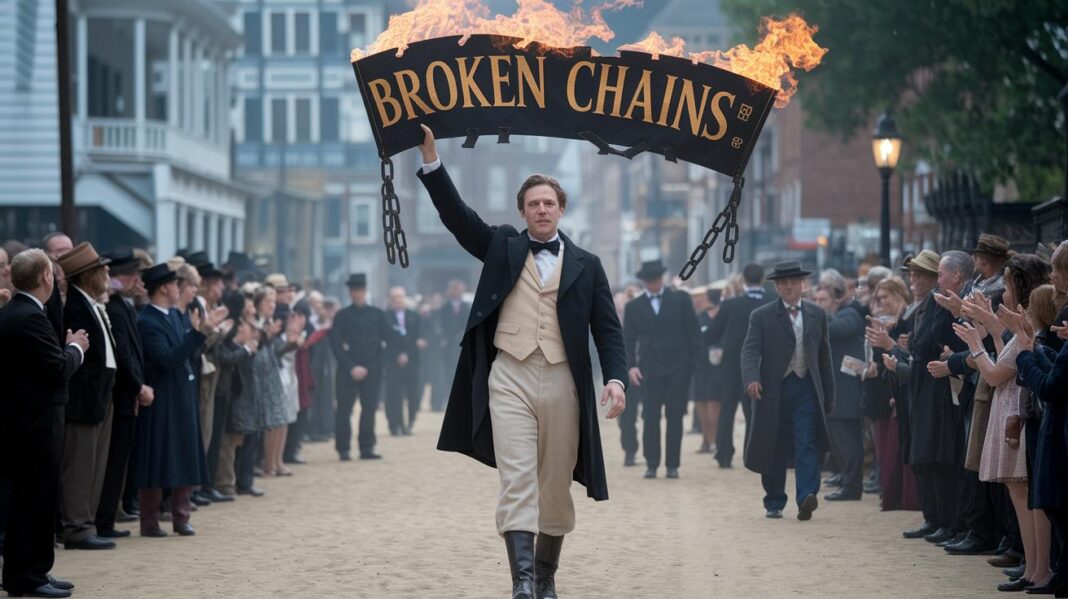
What does freedom mean? In the abolitionist movement, brave people fought to end a cruel system. They risked everything to challenge harsh laws and practices that chained millions. Their bold actions changed society and proved that courage can uphold human dignity. This post explains the abolitionist movement and its lasting impact, showing how its efforts changed history and continue to inspire the fight for equal rights today.
abolitionist movement definition: Bold fight for freedom
The abolitionist movement worked to end the transatlantic slave trade and free those in bondage. Many brave people risked everything to show the cruelty of slavery and demand change. They fought hard to change laws, social norms, and economic practices that supported human bondage.
They believed no society should allow the exploitation of its people. They stood firm on the idea that everyone deserves freedom and dignity. People from many backgrounds joined together to dismantle harsh and unfair systems. They shared detailed research, firsthand stories, and strong moral points to win support.
Their efforts reshaped social policies and legal rights. Activists pushed for changes that would ban slavery for good. Their united actions laid the foundation for the modern fight for human rights and still inspire efforts to end inequality.
Historical Origins and Early Milestones of the Abolitionist Movement

The transatlantic slave trade spanned almost 400 years and impacted about 15 million people. Early steps toward freedom set the stage for challenging harsh slave systems. British involvement began in 1562 and reached its peak in the 1730s. In 1787, UK activists formed the Society for Effecting the Abolition of the Slave Trade. This move sparked public debate and rallied support for change.
Across the Atlantic, reform efforts gained force as key events unfolded in the United States. The Missouri Compromise of 1820 aimed to balance free and slave states. Then the Fugitive Slave Act of 1850 sparked more conflict and made people face the brutal truths of slavery. The Dred Scott decision of 1857 deepened divides by denying rights to enslaved people and exposing serious flaws in the legal system.
These milestones draw a timeline that shows legal and social changes and helps people see why abolition was needed. They prove that change is possible and that organized, determined groups can challenge the political system. Every event links past and present fights for freedom and marks the shift from early slave trading to focused legal battles. The origins of emancipation remind us that fighting injustice is a long road powered by collective determination and moral courage.
| Year | Event | Significance |
|---|---|---|
| 1562 | Early British Involvement | Start of British participation in the transatlantic slave trade |
| 1730s | Peak Slave Trade | Period of highest British slave trading activity |
| 1787 | Formation of Abolition Society | Creation of the Society for Effecting the Abolition of the Slave Trade in London |
| 1820 | Missouri Compromise | Legislative effort to balance free and slave states |
| 1857 | Dred Scott Decision | Landmark case that exposed deep divisions over slavery |
Key Figures in the Abolitionist Movement and Their Roles
Thomas Clarkson (1760-1846) gathered firsthand evidence of abuses in the slave trade. His detailed records clearly showed the cruelty behind slavery. Think of it as a ledger that exposed the pain of thousands. Clarkson’s work built a strong case against the system.
William Wilberforce (1759-1833) led debates in Parliament. He used clear facts and moral arguments to challenge those who supported the slave trade. His steady push helped change minds and led lawmakers to seriously consider ending slavery.
Frederick Douglass (1818-1895) went from being enslaved to becoming a powerful voice for change. His speeches and writings painted a clear picture of the harsh life under slavery. His words inspired many people to demand improvements and believe in a better future.
Harriet Tubman (c. 1822-1913) risked her life to guide many enslaved individuals to freedom using the Underground Railroad. Her brave rescue missions gave hope to those in bondage and turned big ideas into real-life chances for freedom.
William Lloyd Garrison (1805-1879) used his newspaper, The Liberator, to call for immediate freedom. His strong editorials rallied support and made it clear that ending slavery was urgent.
Each of these leaders used bold actions and clear ideas to shape a movement. Their work combined solid evidence, passionate debates, and lifesaving acts to challenge and change an oppressive system.
Ideological Foundations of the Abolitionist Movement
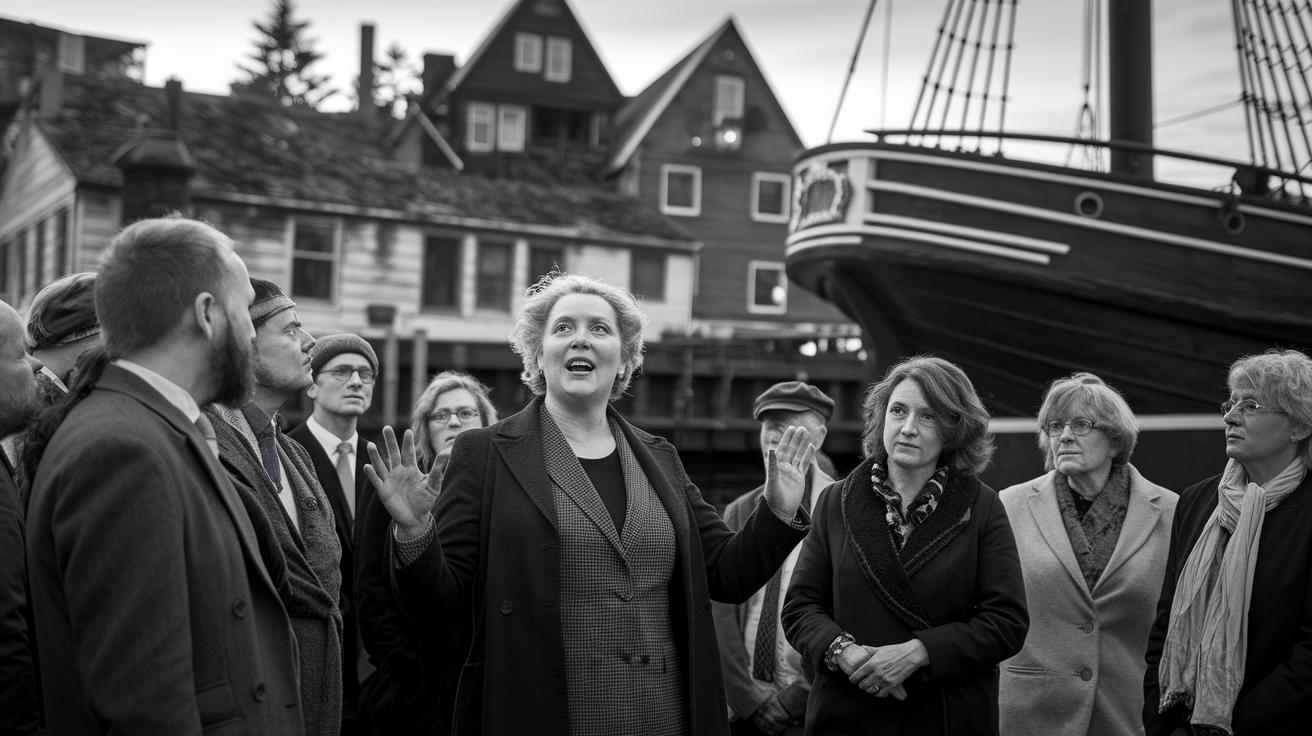
Abolitionists used clear moral and religious language to challenge slavery. They argued that slavery stripped people of their basic dignity and went against the idea that all are equal. Their words reached beyond politics, urging communities to reject a system built on pain. Activists shared personal stories and detailed accounts of the Middle Passage (the route used to transport enslaved individuals). Overcrowded ships, torture, and disease caused about 2 million deaths, a stark figure that reinforced humanitarian claims.
They stressed shared values and a sense of moral duty. Abolitionists connected the fight to free enslaved people with a broader push for social reform. They believed that ending slavery was key to achieving civil equality and justice. Their messages, combining appeals to faith, compassion, and natural rights, framed emancipation as a necessary step toward a fairer society. These ideas resonated across different cultural and religious lines, inspiring many to join the cause.
By turning an abstract call for freedom into a tangible movement, abolitionists showed that strong moral conviction supported by real evidence and personal testimony could challenge deeply rooted oppression and pave the way for lasting change.
Legacy and Modern Impact of the Abolitionist Movement
The fight against slavery left a clear blueprint for today's social justice work. Its values continue to drive actions against human exploitation. For example, activists honor past pioneers by fighting human trafficking. The International Labour Organization (ILO) estimated that nearly 50 million people were affected in 2021. This effort brings back the strong moral questions raised by abolitionists long ago.
Today, reformers link the struggle against slavery to campaigns that change unfair prison labor practices. The Thirteenth Amendment banned slavery but still allows forced work as punishment. This rule has sparked debates over fair treatment in prisons. Advocates push for policies that protect human dignity at work.
Modern movements also use simple, powerful visuals to make ideas real. One striking example is the cardboard cutout at Stonewall. Such images turn abstract ideas into urgent calls for change. Activists now use these historical lessons to fight inequality and demand better rights for vulnerable people. Their work shows that the fight for freedom remains as important today as it was in the past.
Final Words
In the action, the article unpacked the abolitionist movement definition while detailing key moments and figures who fought to end slavery.
It illustrated early milestones, the moral drive behind the fight, and how these efforts echo in today's battles against exploitation and inequality.
The discussion also outlined historical events and notable leaders like Douglass and Tubman, providing both context and actionable insight.
This clear, concise overview leaves readers with hope and a deeper understanding of enduring freedom efforts.
FAQ
Q: What is the abolitionist movement summary and what is a simple definition of an abolitionist?
A: The abolitionist movement is a campaign aimed at ending slavery and the transatlantic slave trade, led by activists who fought for freedom and civil equality.
Q: How is the abolitionist movement defined in history and literature?
A: The movement is defined by legal and social efforts to end slavery, as reflected in historical records and literary works that highlight its role in advancing human rights.
Q: Who were the key figures in the abolitionist movement?
A: Abolitionist leaders include William Wilberforce, Thomas Clarkson, Frederick Douglass, Harriet Tubman, and William Lloyd Garrison, whose speeches and writings mobilized support for ending slavery.
Q: What does the timeline of the abolitionist movement look like from start to finish?
A: The movement began in the late 1700s, gained strength through the 19th century, and saw major legal reforms in the 1860s that marked the formal end of slavery practices.
Q: Was the abolitionist movement successful?
A: The movement successfully ended legal slavery through reforms and shifting public opinion, though the struggle for full equality continued well after formal emancipation.
Q: Who abolished slavery in America and did abolitionists support maintaining it?
A: Abolitionists, alongside political leaders, worked to end slavery in America, actively opposing its continuation and championing immediate and total emancipation.