
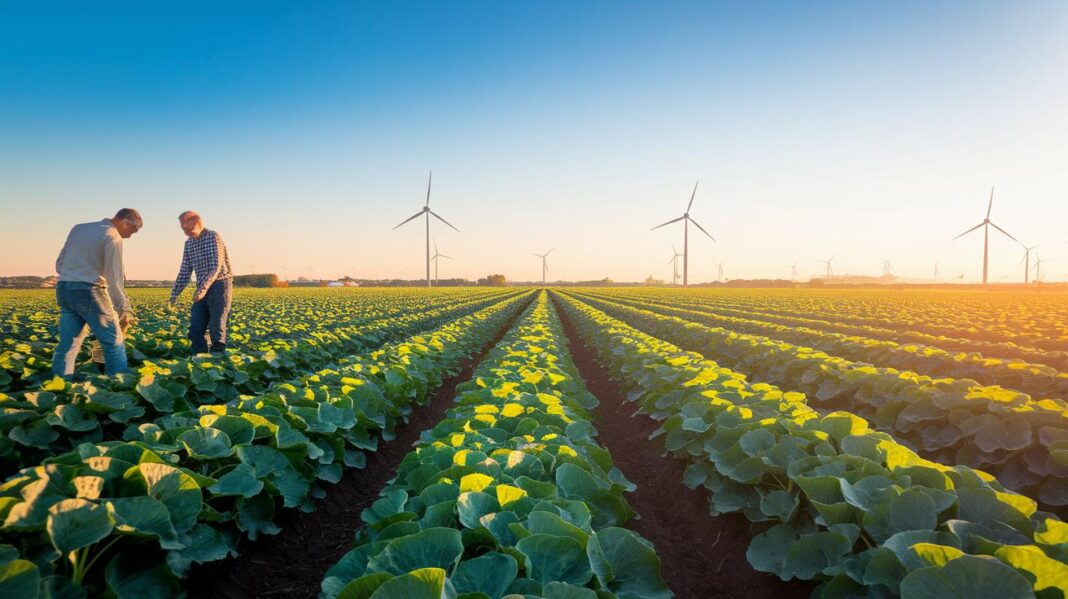
Can our food system handle extreme weather? Rising heat, less rain, and wild storms hurt crops and soil every season. Farmers face sudden changes that test their ability to feed communities. New farming methods and tougher crop varieties offer hope. Climate change forces agriculture to adapt, and smart changes along with local efforts can pave the way to a more stable food supply and a steadier world.
Impacts of Climate Change on Agriculture Output
Temperature swings and water shortages upset plant growth and delay harvests. Farmers now face unpredictable weather that affects both crop yields and soil quality. Uneven rains speed up erosion by washing away topsoil and nutrients, lowering the land’s overall productivity. Heatwaves and heavy storms force quick changes in cropping schedules, making food production harder under shifting climates.
Farming creates about one third of the world's greenhouse gas emissions. These include nitrous oxide (from soils), methane (from livestock), and carbon dioxide (from field burning). Such gases affect plants and ecosystems in many ways. Unpredictable weather can lead to big crop losses that worsen malnutrition in fragile regions. This uncertainty in output also disrupts supply, pushes up food prices, and makes life tougher for farmers.
Rising global temperatures add to these issues by weakening plant resilience. To secure future food supplies, we must reduce emissions and adjust how we farm. New strategies like changing planting times and using stronger crop varieties offer hope, but many challenges still lie ahead.
| Greenhouse Gas | Farm Source | Share (%) |
|---|---|---|
| Nitrous Oxide | Soils | 33 |
| Methane | Livestock | 33 |
| Carbon Dioxide | Field Burning | 33 |
| Other | Miscellaneous | 1 |
These challenges highlight the struggle to keep yields steady and ensure enough food in a warming world.
Soil and Water Challenges in Climate Change and Agriculture
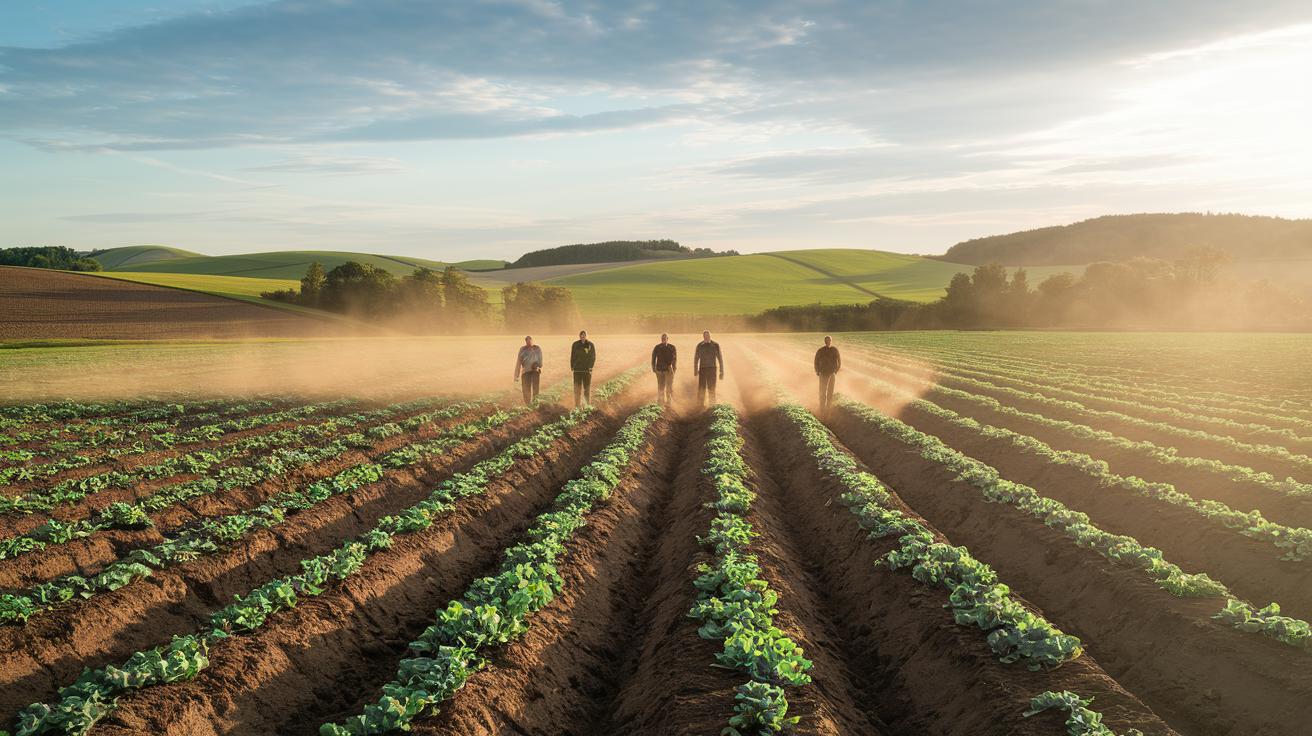
Farmers around the world are facing tougher conditions as rising heat and unpredictable rain patterns strain the land. Higher temperatures dry out the soil faster and break down natural organic material, which leaves fields less able to grow strong crops. Long dry spells and sudden heavy rains speed up erosion and wash away nutrients that soil needs to stay healthy. One surprising result comes from a Midwest farm that saw a 15% boost in soil retention during extreme heat after switching to cover crops.
In response, many farmers are adopting soil-saving techniques. They are using methods like conservation tillage (which minimizes soil disturbance), crop rotation (growing different crops in turn), and cover cropping (planting extra crops to hold soil in place) to cut down on runoff and build stronger soil. These practices are becoming crucial as shifting weather patterns challenge the old planting cycles and drain the soil of its vitality.
Water management also plays a key role in keeping farms productive. New innovations help farms use water more wisely even when conditions are uncertain. Key water management techniques include:
| Method | Description |
|---|---|
| Drip irrigation | Sends water directly to plant roots |
| Rainwater harvesting | Collects and stores rain for later use |
| Moisture sensors | Monitors soil water levels |
| Recycled‐water storage | Uses treated water for crops |
| Micro-irrigation | Delivers water in small, controlled amounts |
By combining these water-saving advances with proven soil conservation methods, farmers can better cope with climate stress. This blend of fresh ideas and time-tested practices not only cuts water loss but also promotes a healthier ecosystem and builds long-term land resilience.
Agricultural Adaptation Strategies for Climate Change and Agriculture
Crop and Livestock Diversification
Farmers mix crops and animals to lower risks from sudden weather changes and diseases. They spread the risk across different crops and animals so that a setback in one area does not sink the entire farm. For example, a Midwest farm added corn, soy, and cattle to its operations, which helped reduce losses on rainy days and during droughts.
Precision Agriculture Technologies
Modern tools like GPS-guided tractors and drones help farmers deliver just the right amount of fertilizer and water. Sensors keep track of soil and weather conditions in real time. One farm reported that drones cut its fertilizer use by 15%, while a GPS-controlled tractor made sure water reached plants exactly when needed (water management means giving plants the precise water they require). These tools improve efficiency and reduce costs in tough conditions.
Development of Climate-Resilient Seed Varieties
New breeding programs focus on creating seed varieties that withstand high temperatures and drought. Researchers use genomic tools (methods to study a plant's genes) and field tests to develop these resilient seeds. In one trial, a drought-tolerant seed produced 12% more yield during a heatwave. These seeds help secure crops against unpredictable weather and reduce the need for extra fertilizers and pesticides.
On-Demand Irrigation Control Systems
Smart irrigation systems use sensors that activate watering only when the soil moisture drops below a set level. This approach saves water during dry spells and stops overwatering after rain. Farms using these systems report fewer water-related losses and better crop performance. Local farmer networks share their successes and warnings, so effective techniques spread throughout the community.
Technological Innovations in Climate Change and Agriculture Solutions
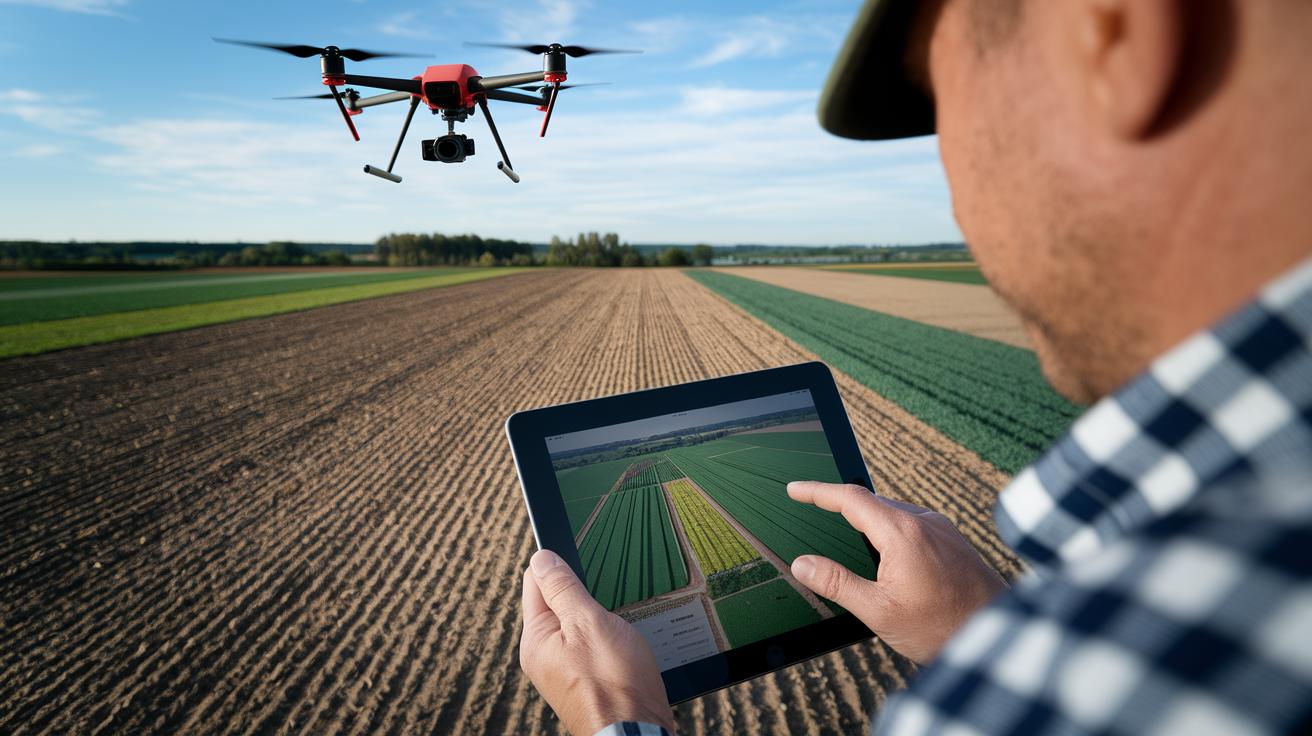
New tools are helping farmers work smarter and reduce harmful emissions. Drones and satellites now create detailed field maps that let farmers predict yields with better precision. For example, one farm used drone images to change planting patterns and boosted yield by 12% during a tough season. These advances help farmers plan ahead even when weather conditions are unpredictable.
Real-time monitoring plays a key role in modern farming. IoT sensors (devices that connect to the internet) in fields measure soil moisture, nutrient levels, and local climate details. This data helps farmers use resources only when needed, reducing waste and keeping crops healthy. Timely alerts from these sensors warn farmers of small changes that could impact the harvest.
Farmers are also turning to renewable energy. Solar- and wind-powered pumps cut back on fossil fuel use for irrigation. This switch cuts emissions and lowers costs. In greenhouses, automated systems now control temperature, light, and humidity. These smart systems improve crop quality and maintain consistency even during extreme weather.
Overall, modern agrotechnology is proving its worth by making farming more resilient and efficient.
Policy and Economic Frameworks for Climate Change and Agriculture Resilience
Governments and global groups are helping farmers adjust to climate change with new policies and funding. Grants and insurance programs offer quick relief when extreme weather harms farms. These funds help farmers fix damages and invest in cleaner practices. Subsidies lower the cost of green inputs and renewable setups, so farms can reduce emissions and use less energy.
Regional plans set clear goals for managing soil and water. These guidelines boost long-term strength in farm communities. International agreements back these efforts by funding research on tough crops and smart farming methods. Such breakthroughs give farmers new tools to handle heat, drought, and other climate risks.
Tax incentives draw private money to support new technology. This investment helps upgrade irrigation and modernize equipment, so farms can adjust fast to environmental changes.
- Grants and insurance programs for fast recovery
- Subsidies for sustainable inputs and infrastructure
- Regional plans for soil and water care
- International agreements on resilient crop research
- Tax incentives for tech upgrades
Future Outlook for Climate Change and Agriculture Sustainability
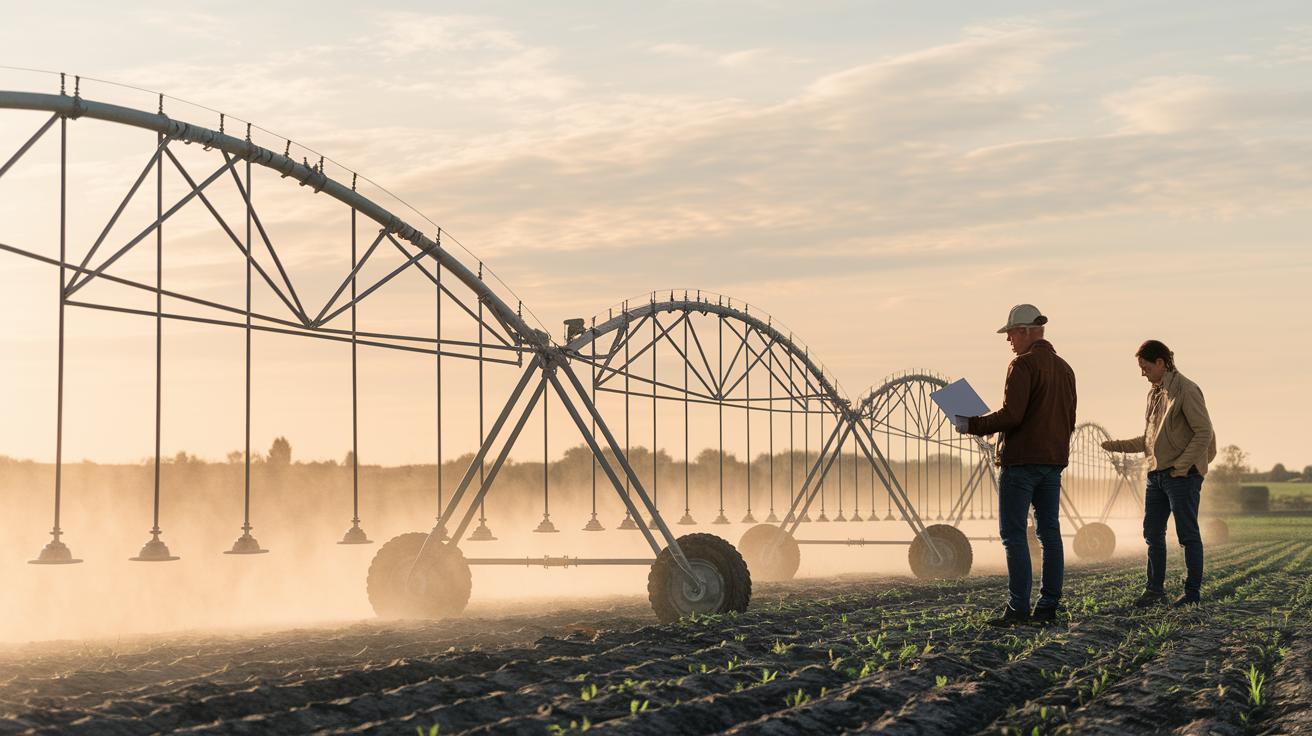
Models show that yields for major cereals could drop by 10% to 25% by 2050 if greenhouse gas emissions remain high. This decline poses a serious risk to the food supply. Local early-warning systems now mix weather and pest forecasts to alert farmers quickly. For example, a forecast may signal a rise in pests during an early heatwave, prompting farmers to act before heavy losses occur.
Farmers and local groups now use scenario planning to shape how they manage resources during droughts, floods, or heatwaves. They use simple mapping tools to spot risks and set up plans for different weather patterns. One smart move is shared irrigation networks; community studies show these systems ease water stress when it matters most. Seed-bank schemes also keep backup stocks of strong crop varieties for when usual crops fail.
Researchers are linking climate change with increases in disease and pest outbreaks. They urge planners to update risk strategies as conditions change. Farmers are encouraged to adopt flexible plans that can quickly adjust to sudden weather shifts. This approach to farm resilience helps lessen crop losses and keeps food supplies stable.
As research continues and tools improve, better climate forecasts will change how fields are managed. These advances promise to secure food systems well into the future.
Final Words
In the action, this article examined how climate change and agriculture face tough challenges and find room for innovation. It broke down impacts on yields, soil health, and water management while outlining adaptive farming techniques and technology-led solutions. The post also highlighted policy and economic tools that support greener practices and boost resilience. It offers a clear look at how farms can adjust amid shifting climates and unpredictable weather. With ongoing research and practical measures, there is real hope for maintaining food security and a sustainable future.
FAQ
What does “Climate change and agriculture PDF” entail?
The climate change and agriculture PDF compiles research on how shifting weather patterns, water scarcity, and yield disruptions impact farming practices and food production.
What is indicated by “Climate change and agriculture 2022”?
The climate change and agriculture 2022 research highlights recent findings on weather extremes, soil erosion, and innovations in sustainable farming techniques amid increasing climate stress.
What are the negative effects of climate change on agriculture?
The negative effects of climate change on agriculture include erratic weather, extreme temperatures, reduced yields, and soil and water degradation that undermine overall food supply security.
Which journals feature climate change and agriculture topics?
Climate change and agriculture journals are academic publications that present peer-reviewed studies on field-level impacts, soil preservation methods, sustainable practices, and technological advancements in farming.
Are there any positive effects of climate change on agriculture?
Positive effects may include longer growing seasons in some cooler regions; however, such benefits are usually limited and generally overshadowed by increased risks from extreme weather conditions.
What does a climate change and agriculture PPT typically cover?
A climate change and agriculture PPT normally presents visual aids detailing key impacts such as yield variability, soil degradation, water challenges, and strategies that support adaptation and resilience on farms.
How does climate change affect food production?
Climate change affects food production by altering rainfall patterns, increasing temperatures, and triggering extreme weather events that disrupt crop growth cycles and ultimately reduce overall harvest yields.
How do sustainable solutions address climate change’s impact on agriculture?
Sustainable solutions tackle climate impacts by promoting efficient irrigation, climate-resilient crops, innovative farming practices, and policies that support adaptation measures to safeguard production.
Is agriculture the biggest contributor to climate change?
Agriculture is a significant contributor to climate change, emitting greenhouse gases from livestock and soil, although fossil fuel combustion remains the largest overall source of these emissions.
What is the top contributor to climate change?
The top contributor to climate change is the burning of fossil fuels for energy, which releases large amounts of carbon dioxide into the atmosphere and drives global warming.
Will climate change cause crop failures?
Climate change may cause crop failures as extreme weather, water shortages, and soil degradation disrupt plant development and lead to unpredictable and reduced agricultural yields.