

U.S. emissions are on the rise while global carbon pollution inches higher. Recent reports show both setbacks and surprises around the world. A harsh winter has shifted energy use, and changes in clean energy projects along with new policies add to the mix. These updates create a complex picture of our climate future. This post offers quick updates and gets to the facts behind the headlines. Read on to see how these changes shape our journey toward a greener world.
Key Updates in Climate Change News
-
Global carbon pollution climbed 1% in 2025. In the U.S., emissions jumped nearly 2% this winter because cold temperatures led to more coal use when natural gas prices soared. (For example, U.S. emissions rose as a chill set in and energy challenges mounted.)
-
Clean energy job growth slowed around the world. New renewable projects now run with fewer workers thanks to automation, even as many nations push ahead with eco-friendly innovations. (Think of solar panel projects that need fewer people on site than before.)
-
The U.S. changed its climate approach by leaving the UN climate convention and a leading climate science group. This decision also reduced that agency's budget by about 20%. (In simple terms, a major policy shift has decreased U.S. participation in global climate efforts.)
-
Saudi Arabia announced a new climate plan that links a 2040 emissions target to the stability of oil export revenues. (Basically, future emission cuts rely on keeping oil income steady.)
-
Israel is ramping up fossil gas exports, which has delayed broader climate measures amid rising regional security concerns. (This means that efforts to boost energy exports have paused more comprehensive climate policies.)
-
Indian authorities are cracking down on climate activists who oppose fossil fuel projects, citing national security reasons amid global debates on sustainability. (This move has added tension to the international discussion on climate change.)
Greenhouse Gas Reports & Carbon Emission Facts in Climate Change News
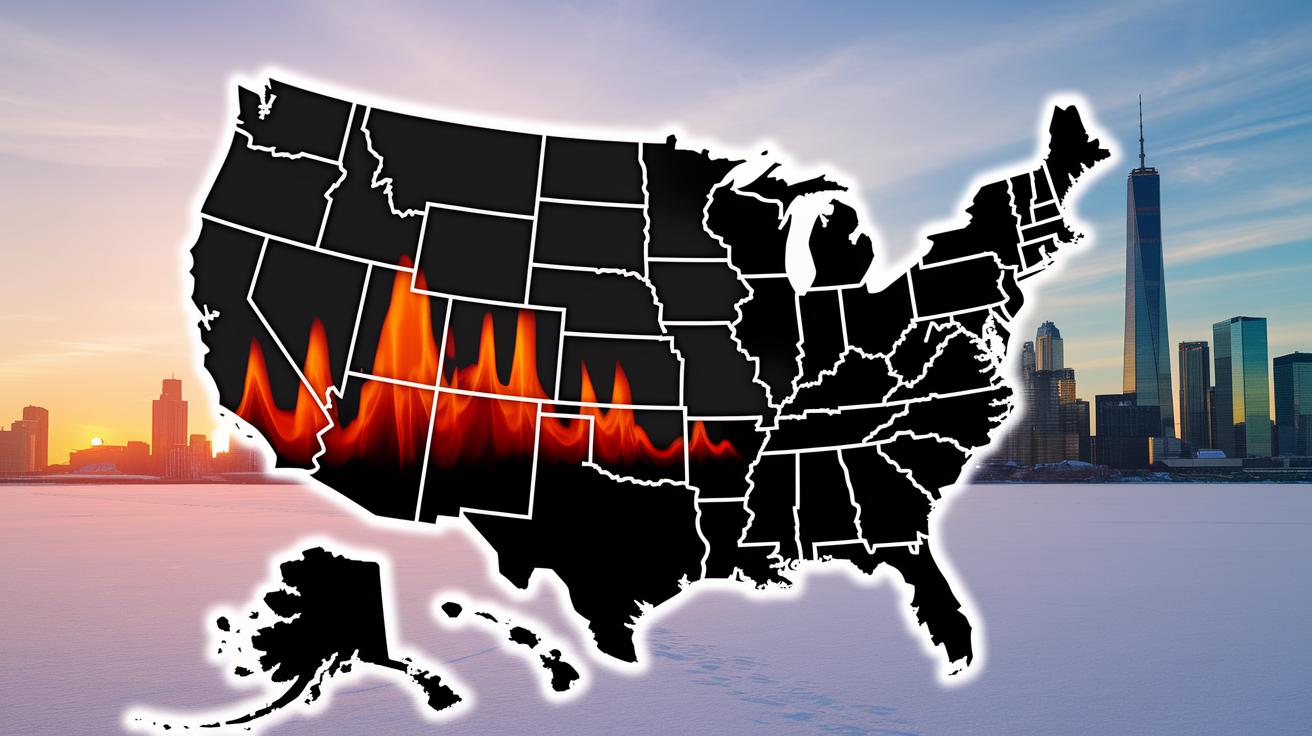
Global CO₂ emissions increased by about 1% in 2025. In the United States, a cold winter raised energy demands and pushed emissions up by 2% with more natural gas and coal use. A tough winter drove U.S. energy needs higher, causing a shift back to coal and a spike in emissions.
The United States now makes up about 12% of global emissions, while China is responsible for roughly 33%. This information shows that each country faces its own challenges. U.S. leaders must balance economic needs and energy use, while China and other nations work to lessen their heavy use of fossil fuels even as they try harder to cut emissions. These differences make global efforts to reduce emissions harder to coordinate.
| Region | Emissions Change (2025) | % of Global Emissions |
|---|---|---|
| United States | +2 percent | 12 percent |
| China | +1 percent* | 33 percent |
| Rest of World | +0.8 percent | 55 percent |
Policy Developments Driving Climate Change News
The U.S. Congress has a chance in 2026 to pass key clean energy laws. Lawmakers aim to introduce bills that speed up the deployment of renewable power. They plan to reform the permitting process (the steps needed for project approval) to reduce delays. This change may lower costs and allow new solar, wind, and battery projects to start sooner, easing the burden on older energy sources. Investors and industry leaders are calling for faster reviews of renewable projects as these moves seek to reduce emissions and build a cleaner energy future.
Meanwhile, China showed a strong commitment to its clean energy shift in 2025. Reports say that solid support for renewables helped make new technologies more widespread and streamlined regulatory steps. This contrast highlights that while some countries move quickly on energy reform, the U.S. still faces a complicated legislative path. Changes in both nations could reshape the global energy mix and drive down emissions worldwide. Experts believe that bold, timely actions in Congress could mark a turning point in global emission reduction efforts.
Fossil Fuel Controversies Shaping Climate Change News

Fossil fuel companies are changing their tactics in a shaky energy market. Several oil-rich nations are quietly developing carbon capture programs (tech that traps carbon emissions) and finding new revenue streams while resisting calls to speed up renewable reforms. Experts say these hidden moves could shift global energy trends as governments update their long-term economic plans.
New data shows that state spending is evolving beyond traditional output. One study found that 60% of major petro-states have raised funds for advanced fuel technologies, while 45% increased support for renewable energy projects over the past two years.
| Policy Area | Recent Investment Increase |
|---|---|
| Advanced Fuel Technologies | 60% |
| Renewable Energy | 45% |
In a recent briefing, an energy expert revealed that some petro-states have quietly redirected nearly $10 billion toward low-carbon technologies while still publicly supporting traditional fuel exports.
Renewable Energy Breakthroughs Highlighted in Climate Change News
More than 90% of the new power capacity set up in the U.S. in 2025 came from clean sources like solar panels and battery systems. These projects are affordable and can be built in a matter of weeks, unlike traditional gas plants that take months. This fast rollout shows how cost-effective technology is changing our energy system and pushing us toward renewable power.
Even though total capacity is growing, the rise of automated renewable installations is slowing job growth during the building phase. Large renewable projects now use technology that cuts down on site work, meaning fewer workers are needed. This trend brings up important questions about balancing new tech with job opportunities in the renewable energy sector.
Expert Projections & Scientific Studies in Climate Change News
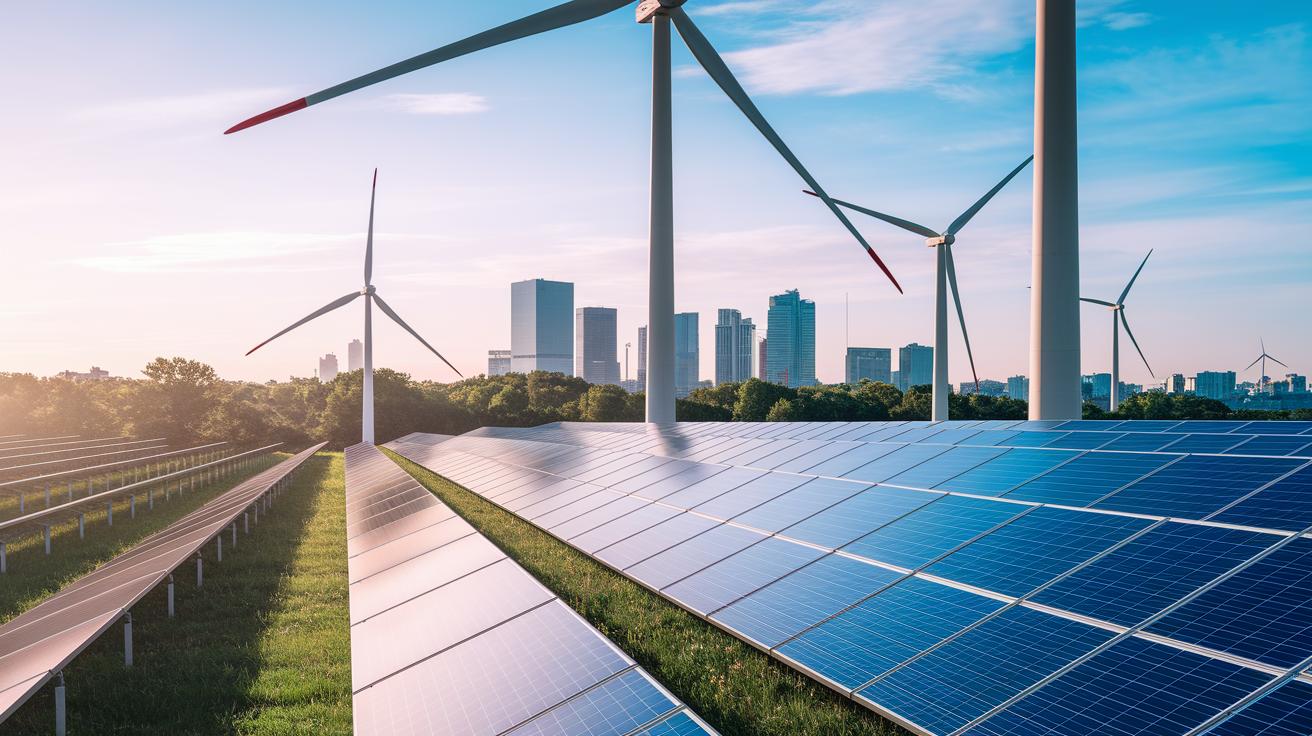
Experts say that clean energy projects will grow quickly through 2026. Falling costs and easier rules for getting projects approved will drive this change. Cheaper solar panels, better batteries, and smoother permit processes are expected to boost investments in wind, solar, and other clean energy sources. New policies may even cut waiting times for approvals, helping us move away from older fossil fuel methods.
Models show different paths for the U.S. and China. Both countries plan to add more renewable energy, but the U.S. might not lower emissions enough without stricter policies. China benefits from strong government support for clean energy, while the U.S. struggles to balance growth with reducing emissions. If the U.S. does not change its policies soon, it might miss its climate targets.
Studies reviewed by experts warn that current policies put vulnerable communities and nature at risk. Research finds that slow policy action could lead to only small drops in emissions, which may speed up sea level rise over the next decades. This rise could damage coastal areas and force people to relocate. Scientists argue that smart investments and strong policy measures are needed to protect both people and the environment.
Final Words
In the action, recent climate change news revealed rising emissions, evolving policies, and ongoing challenges with fossil fuels and renewable energy.
Key insights from greenhouse gas reports and expert projections offer a clear view of market-moving trends.
Policy shifts and industry updates provide stakeholders with essential context for future decisions.
This dynamic mix of data and analysis empowers us to respond effectively.
Positive steps toward cleaner energy and smarter regulation pave the way for progress and resilience.
FAQ
What is climate change news today?
Climate change news today offers updates on rising emissions, policy shifts, renewable energy progress, and ongoing debates about environmental impacts. These updates help readers understand the latest climate trends.
What is climate change news this week?
Climate change news this week highlights recent data on emissions, new legislative efforts, and emerging renewable energy projects. Readers learn current updates that affect policy and global environmental discussions.
What is climate change news worldwide?
Climate change news worldwide covers global emission trends, international policy moves, and debates over fossil fuels versus renewable energy. This news offers insights into how different regions are acting on climate challenges.
What is climate change news BBC?
Climate change news BBC presents research-backed reports, policy analysis, and updates on global environmental shifts. The BBC reports help audiences stay informed with accurate and clear climate information.
What is climate change news reddit?
Climate change news on Reddit includes community discussions, shared data, and diverse opinions on emissions reports, renewable energy progress, and policy decisions. Users engage with real-time updates and crowd-sourced insights.
What is climate change news National Geographic?
Climate change news from National Geographic combines striking visuals with expert commentary on environmental changes and wildlife impacts. Their reports offer a detailed look at how climate change is affecting our planet.
What is climate change news Trump?
Climate change news related to Trump focuses on policy decisions such as withdrawing from international agreements and making budget cuts for climate agencies. These actions sparked debates on the nation’s environmental path.
What is climate change news video?
Climate change news video delivers visual reports on emission data, renewable energy breakthroughs, and policy updates. Videos present complex information in a clear, accessible format that helps audiences quickly grasp key points.
Will the planet be livable by 2050?
The question of livability by 2050 centers on reducing emissions and implementing sustainable policies. Experts indicate that stronger efforts in clean energy and regulation are needed to maintain a habitable planet.
What is going on with climate change right now?
Right now, climate change is marked by rising greenhouse gas emissions, evolving policies, and new renewable energy developments. Ongoing debates and scientific studies are shaping how nations respond to these changes.
How bad will global warming be in 2030?
Projections indicate that global warming in 2030 could worsen if greenhouse gas emissions remain high and policy actions lag. Scientists warn of increased climate risks and stress on ecosystems without rapid mitigation measures.
How much longer will Earth be livable?
Earth’s future livability depends on swift global actions to reduce emissions and expand renewable energy. Studies suggest that without aggressive reforms, environmental challenges could shorten the time our planet remains safe for life.