
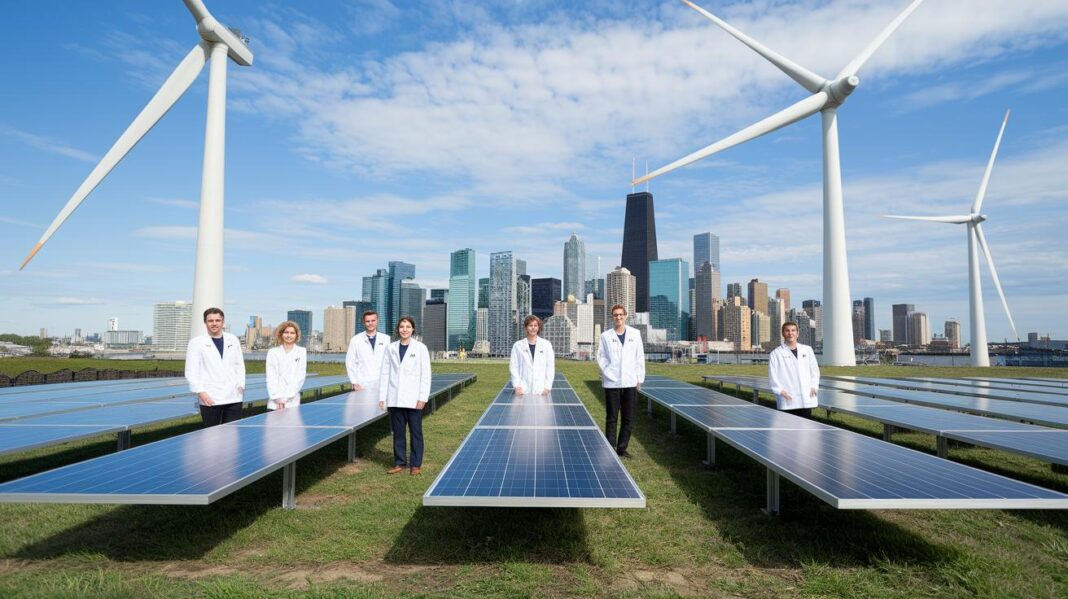
What if simple changes in our daily routines paved the way to a cleaner, healthier world? In many cities and companies, people are taking small steps to fight climate change. Governments, businesses, and individuals are working with smart technology (tools that make tasks easier) and clear policies to lower carbon footprints quickly. Like a small stream growing into a mighty river, tiny choices can change the tide of global warming. Every smart idea shows that a greener future is within reach.
Actionable Climate Change Solutions for Mitigation and Adaptation
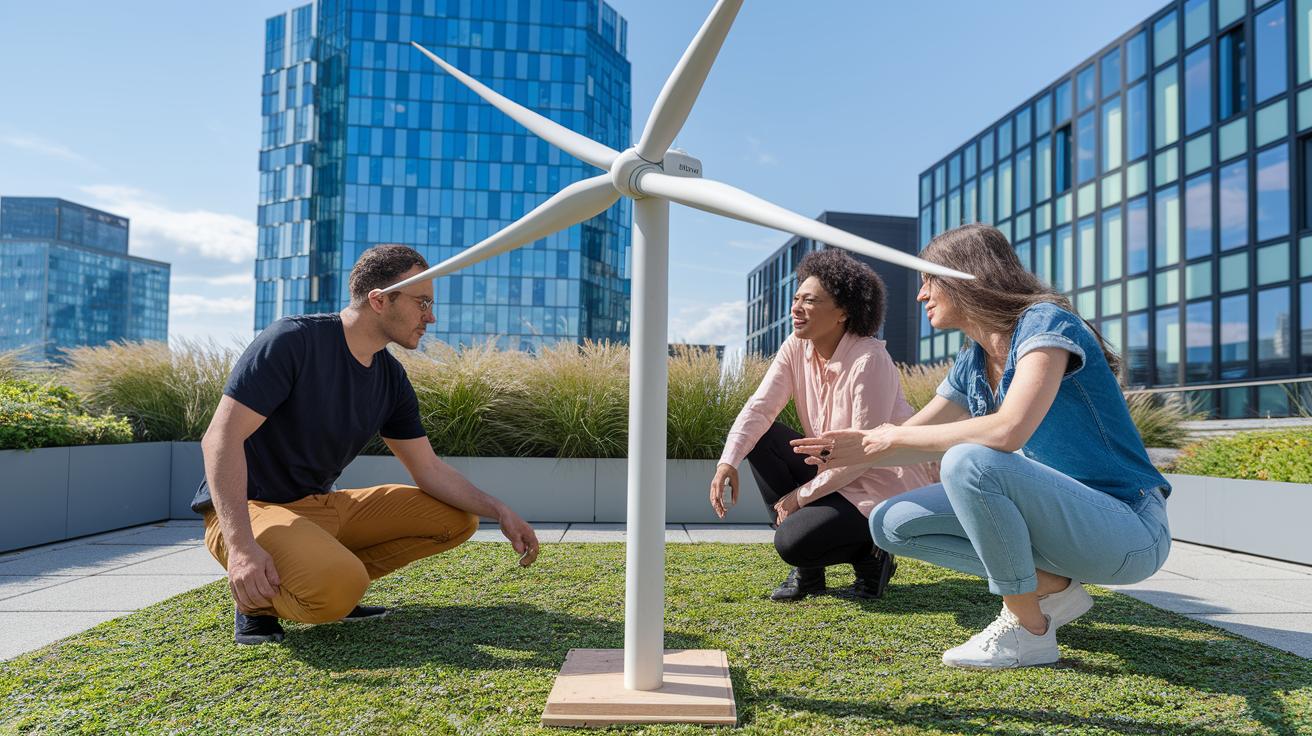
Climate change fixes come from using new tools, smart policies, and actions by everyone. Governments and companies are setting up plans to cut carbon and slow global warming. Businesses are moving toward clean energy and getting loans and rules that back green technology. This broad plan means better cities and changes in how we make and use power. For example, one company can spark a whole industry shift, just like a small stream grows into a big river.
Simple changes at home and in communities can make a big difference. Actions like hanging clothes to dry, using cold water for washing, switching to LED bulbs, and adding insulation can lower energy use right away. When U.S. trash went up by 23% in December, many people turned to composting, which helps trap carbon in the soil. Local projects that make neighborhoods easier to walk in also cut emissions. Workers at every level are asking for greener options at work, showing that tiny steps add up to big environmental wins.
New technologies play a vital role too. Direct air capture machines pull carbon dioxide out of the air, and special carbon removal services help clean up even more. This tech backs up policy changes and gives us a new way to lower greenhouse gases fast. When we mix cutting-edge tools with everyday choices and strong policies, we pave the road to a cleaner, tougher future.
Policy and Regulatory Frameworks in Climate Change Solutions
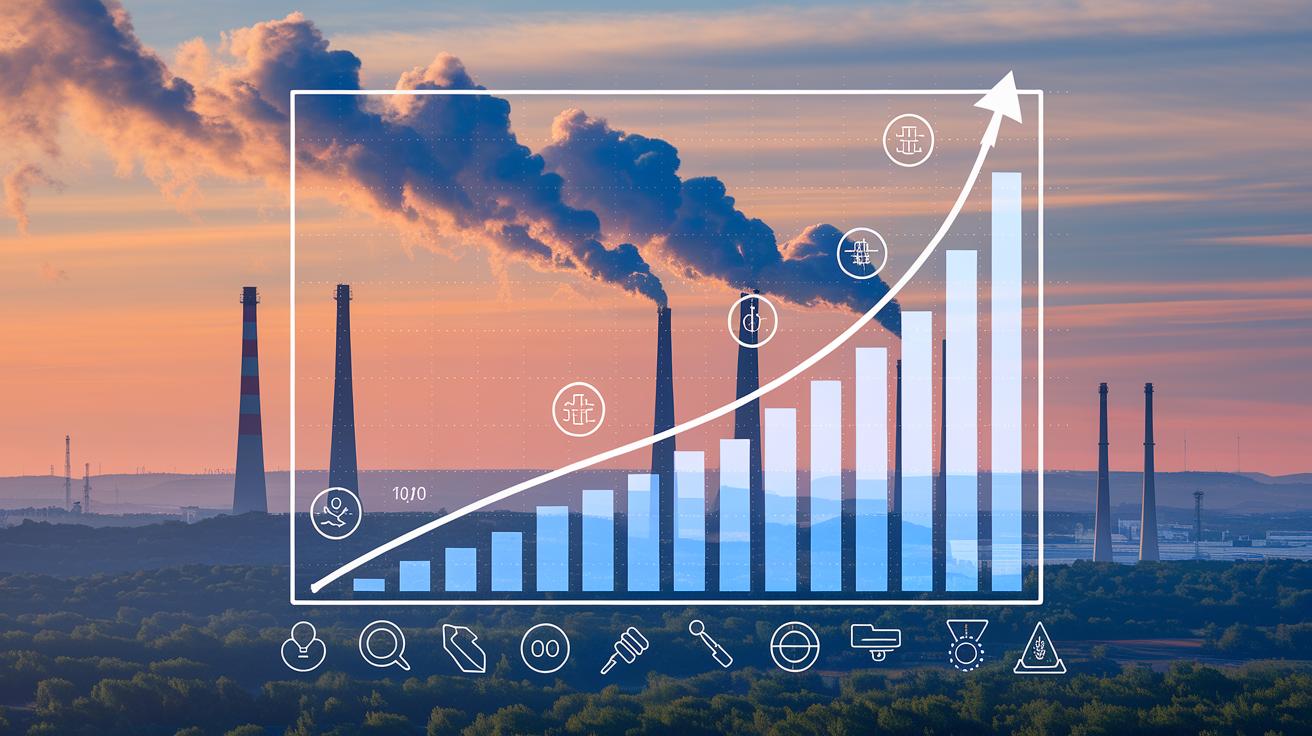
Market-based tools like emissions trading and carbon offset schemes help cut pollution on a large scale. Companies buy and sell credits based on how much they emit. These systems work with laws that set clear pollution targets. Sometimes, new tech backs up these rules. For example, FSC uses satellite images and blockchain (a secure digital record system) to check that forests are managed sustainably. This is important because U.S. forests absorb nearly 16% of the country’s CO₂, about the same as what 50 million cars produce. This mix of market trading and careful monitoring rewards companies that reduce pollution while holding big polluters to strict standards.
Laws and flexible rules add extra support to these market approaches. Pollution control measures set penalties and performance goals to force companies to lower emissions. These rules can change when new technology or data emerges. Certification programs check that businesses follow eco-friendly practices, building trust across industries. Together, these tools, from trading schemes to thorough checks, create a strong system that drives major emission cuts and helps steer us toward a cleaner, more sustainable future.
Renewable Energy Transitions in Climate Change Solutions
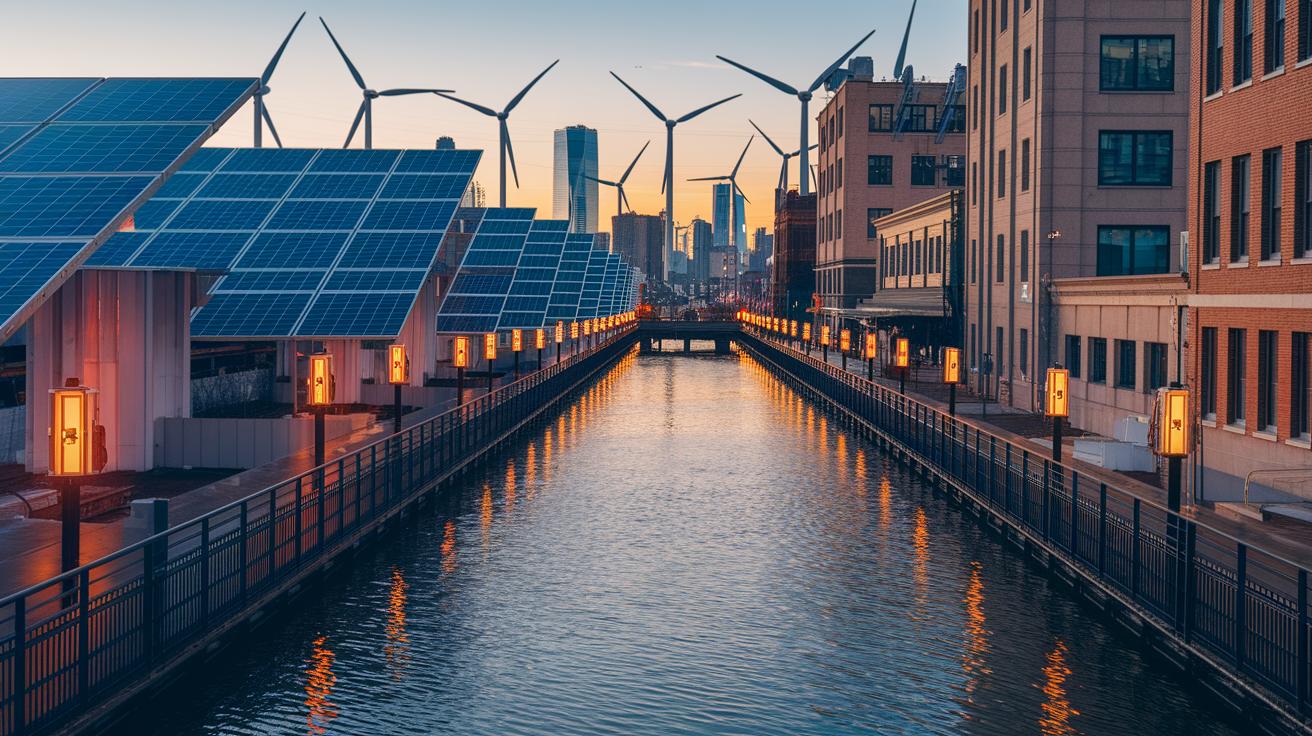
Governments are shifting away from fossil fuels and turning to solar and wind power. National plans and grid upgrades are making it easier for utility companies to switch to clean energy. They are building microgrids (small networks that can run independently on green power) and boosting the use of smart meters that help balance energy use. These meters let companies quickly adjust power during peak times so the system stays stable.
Local projects are sparking everyday change too. In New York City, 300 solar-powered flood sensors now alert residents when water levels rise during storms or high tides. Community leaders are also using new battery technologies to store extra energy from the sun and wind. This stored energy can be used later, making power supplies steadier for homes and businesses.
Before switching to renewables, many communities relied on coal plants that filled the air with harmful gases, much like a factory always puffing out dark smoke. This mix of national action and local projects is helping to phase out fossil fuels while protecting communities and powering an evolving grid.
Sustainable Transportation in Climate Change Solutions

Electric vehicles are becoming more popular. In 2025, about 25% of new cars sold worldwide were electric, while only 10% of cars sold in the U.S. were electric. This gap has led to calls for stronger policies and forecasts that favor low-carbon travel. Governments and companies are setting targets and building plans for public transit with no emissions. New policies offer rewards to both car makers and buyers, pairing financial help with clear goals. Some national plans even aim to end the sale of gas-powered cars between 2035 and 2040, pushing the market toward cleaner choices.
City planning also plays a big role in cutting emissions. A case study in an Ohio suburb shows that turning spread-out areas into walkable neighborhoods cuts down on car use. Cities are rethinking their layouts to support cleaner travel, adding more electric transit options and building networks of charging stations. These changes help reduce reliance on fossil fuels, ease traffic, and make neighborhoods safer and cleaner. Local leaders are teaming up with urban planners and transit officials to weave zero-emission options into daily commutes, making everyday travel a tool against climate change.
Nature-Based Climate Change Solutions: Forests and Ecosystem Restoration

Nature helps us combat climate change by soaking up carbon from the air. Forests, wetlands, and farms pull in carbon dioxide and keep it out of the atmosphere. In the United States, forests take in almost 16% of the nation's yearly CO₂ emissions, a share similar to that of 50 million cars. Protecting and restoring these natural areas also supports wildlife, shields coastlines, and improves soil and water quality. By working with nature, communities and leaders can lower greenhouse gases and build stronger ecosystems that stand up to extreme weather and changing climate.
- Forest protection and sustainable management – Setting aside land for conservation and using smart management practices helps forests keep absorbing carbon and gives animals a safe home.
- Reforestation and afforestation programs – Planting trees where forests have been lost, or in new areas, restores natural barriers, boosts carbon storage, and creates healthy green spaces.
- Wetland and mangrove restoration – Fixing wetlands and mangroves strengthens coastlines and forms natural shields that trap carbon while supporting water life.
- Regenerative agriculture and organic farming – Switching to practices that improve soil health captures more carbon in the ground, holds water better, and can even increase crop yields.
- Urban greening corridors – Creating green spaces like parks and tree-lined roads in cities cleans the air and cools urban areas, reducing heat.
Together, these nature-based methods show that small efforts can add up to big benefits for the environment over time.
Agricultural and Land-Use Innovations for Climate Change Solutions

Farming creates a notable share of greenhouse gas emissions, but new land-use practices can help reduce this impact. Many farms now use smart techniques that not only improve crop yields but also trap carbon in the soil. Studies show that using precise methods and organic practices boosts soil health and cuts down on pollution. For instance, a 23% jump in U.S. waste in December points to the need for on-farm composting, which can lock away CO₂. Modern irrigation systems also save water during droughts, leading to more efficient resource use and fewer emissions.
Innovative practices gaining popularity include:
- Precision farming with soil carbon management
- Organic and regenerative farming systems
- On-farm composting and waste-to-energy solutions
- Integrated water resource management
- Circular use of biomass
Research, including a review of 766 studies by the Food and Agriculture Organization (FAO), confirms that organic farming supports biodiversity and makes soil healthier. These methods not only lower farms' carbon footprints but also build a stronger, more resilient food system. By adopting these techniques, farms are turning challenges into opportunities for a more sustainable future.
Urban Energy Efficiency and Green Building Solutions
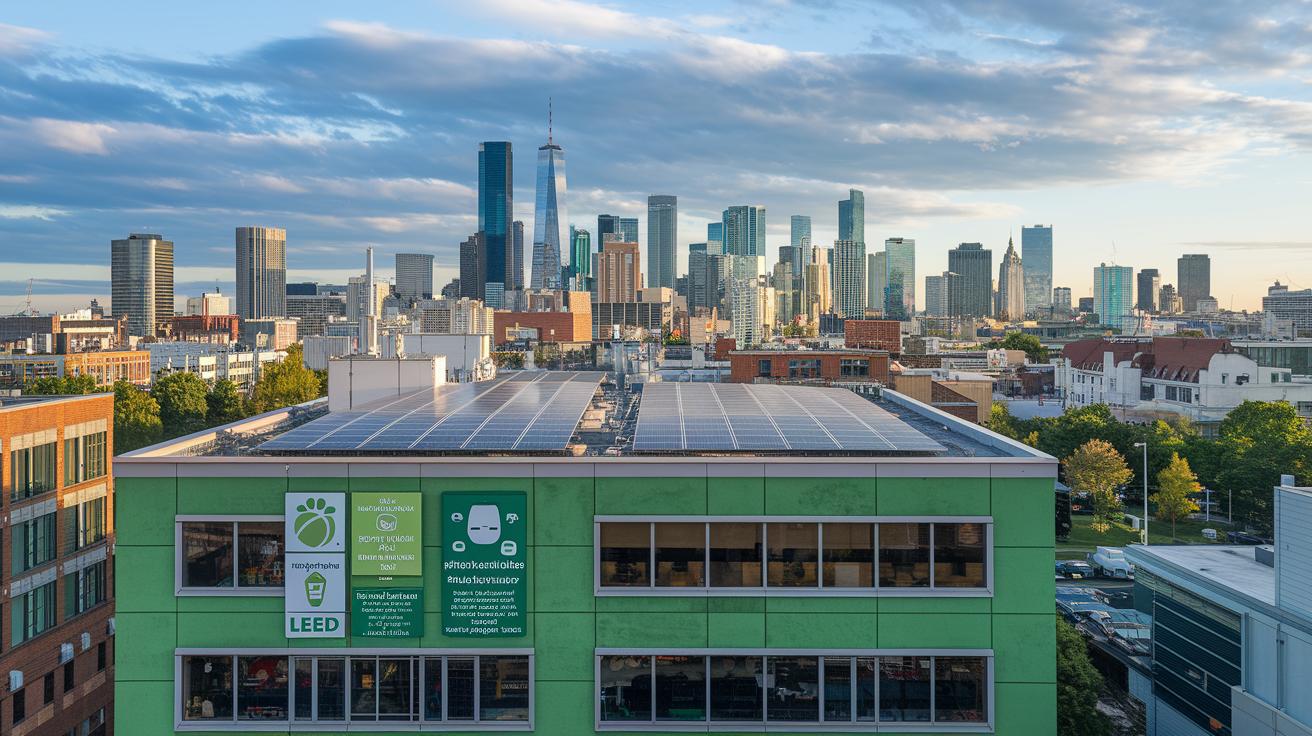
Green building standards like LEED offer clear rules for handling energy in big projects. Modern city developments follow these standards by adding new HVAC systems, energy sensors, and renewable energy setups in both business and government buildings. One project report found that a city center upgraded to LEED Gold cut its energy use by 30%.
Cities are also improving their infrastructure with targeted funding and smart policies. Many areas are getting upgrades that simplify energy management and boost building performance. In one major U.S. city, a retrofit program cut municipal energy use by 25% within three years.
Financing and Investment Models for Climate Change Solutions

Investment tools for cleaning air and reducing carbon are key in the fight against climate change. Private funds and government grants now back projects that remove greenhouse gases from the air. A mix of finance tools, like green bonds and blended finance, is used to support reforestation, ecosystem repair, and clean technology projects. These finance models help drive investments in renewable energy installations and grid updates, funding both new ideas and proven infrastructure.
Public and private partnerships speed up progress by uniting government and industry strengths. These teamwork projects have boosted large renewable energy ventures and smart grid improvements while lowering costs and increasing capacity. Green bonds let investors put money into clean energy and earn returns, which also helps create jobs in manufacturing, installation, and maintenance. Sustainable finance plans are sparking local job growth, helping build a low-carbon future with strong and resilient investments.
Community Engagement and Education for Climate Change Solutions

Local workshops, forums, and leadership stories bring neighbors together to take action on climate change. These events and programs help residents learn about climate issues and earn certifications that track their progress in lowering carbon emissions. Small groups share simple tips to save energy and reduce pollution. Employee-led projects in many fields show that everyone can join in and spark change.
Schools and workplaces now use easy tools like carbon footprint calculators to guide daily choices. In one project, more than 300 solar-powered flood sensors were set up in New York City to help plan for tough times. Stories from local leaders and young climate educators inspire more people to get involved. These learning sessions and open talks show that informed communities are key to fighting climate change.
Final Words
In the action, the post showcased tech breakthroughs, regulatory steps and everyday measures that drive climate change solutions. It covered everything from smart energy upgrades to community-led green projects and cutting-edge financing ideas.
These tactics prove that determined efforts at all levels can steer us toward a more resilient future. Each solution, from renewable energy transitions to urban efficiency programs, offers a way to fight global warming and build lasting progress.
FAQ
What are key elements of a climate change solutions essay?
The climate change solutions essay outlines actions like advancing renewable energy, implementing policy changes, improving energy efficiency, restoring natural ecosystems, and encouraging sustainable behaviors to help curb global warming and reduce carbon emissions.
What are seven solutions to climate change?
The seven solutions to climate change include shifting to renewable energy sources, adopting green building practices, improving sustainable transportation, restoring natural habitats, optimizing waste management, advancing energy efficiency, and boosting community engagement.
What are ten ways to reduce climate change?
The ten ways to reduce climate change cover measures such as increasing energy efficiency, switching to clean power, protecting forests, using sustainable agriculture practices, advancing carbon capture technologies, adopting green transportation, and reducing waste.
What are twenty solutions to combat climate change?
The twenty solutions to combat climate change span renewable energy adoption, energy efficiency upgrades, sustainable agriculture, improved urban planning, effective waste management, expanded public transportation, ecosystem restoration, and emerging carbon removal methods.
What does a climate change solutions PDF offer?
The climate change solutions PDF offers a detailed collection of strategies, case studies, and actionable recommendations that outline both policy measures and technological innovations to mitigate climate change impacts.
What are twenty-seven ways to prevent climate change?
The twenty-seven ways to prevent climate change range from boosting renewable energy use and sustainable urban design to enhancing waste reduction, protecting natural ecosystems, improving energy conservation measures, and promoting community-based actions.
What are three solutions to climate change?
The three solutions to climate change often involve transitioning to clean energy systems, adopting strict regulatory policies for emissions reduction, and enhancing nature-based methods like reforestation and sustainable land management.
What are the seven pillars of climate change?
The seven pillars of climate change typically refer to critical areas such as energy, transportation, agriculture, buildings, industry, policy, and community involvement that together form the foundation for effective climate action.