
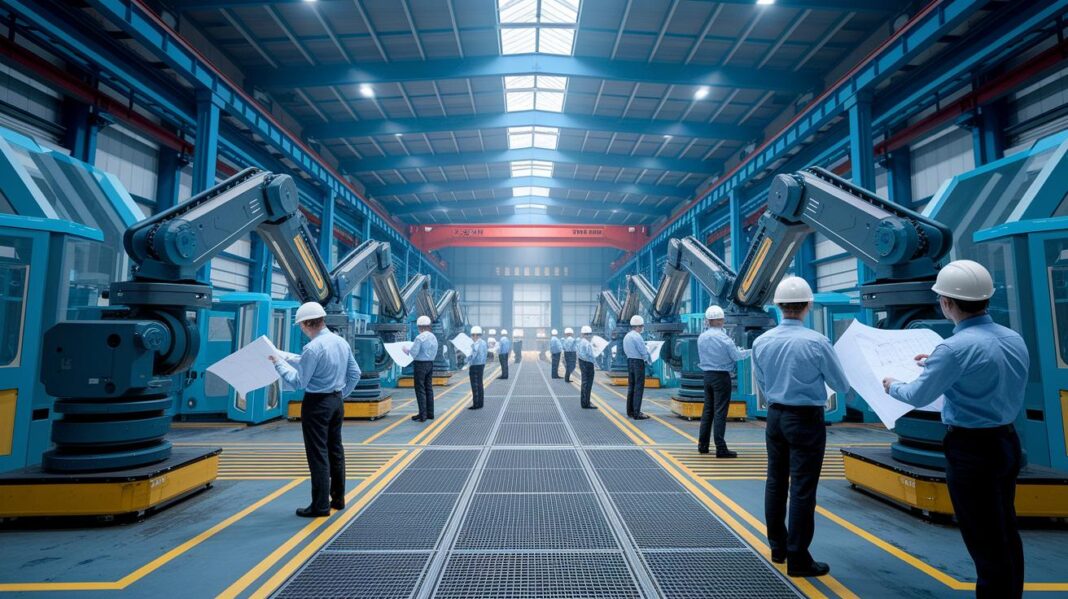
A small error in hardware design might cost an industry its edge. Hard tech mixes solid engineering with smart software to drive progress in robotics, aerospace, renewable energy, and more. This field shows that careful design of physical parts and secure software must work together to meet strict market standards. Companies push for perfect prototypes and secure innovations, creating safer products and more efficient systems. In this post, we explore how hard tech drives bold moves that turn careful planning into real progress.
How Hard Tech Delivers Real-World Engineering Advances
Hard tech blends advanced hardware design with vital software like digital twin modeling (a virtual copy of a product) and cybersecurity. Engineers must nail every detail in the early prototype stage. For instance, a high-performance engine needs precise early design, just as an airplane’s wing must be flawless to keep flights safe and efficient.
Key industries that use hard tech work hard on building physical products and embedded software systems. These sectors demand reliable and precise products that meet strict standards before expanding in a competitive market. By mixing solid physical designs with smart software improvements, these industries push past old limits and drive progress.
| Industry | Focus |
|---|---|
| Renewable Energy | Generation and storage systems |
| Industrial Robotics | Robotics platforms |
| Aerospace | Components and launch systems |
| Semiconductors | Wafer fabrication equipment |
Strong intellectual property rights also play an important role. They can protect a new invention for up to 20 years, giving a company a lasting edge. For example, a breakthrough in semiconductor design can lock in performance benefits and market share early. This protection helps companies make their investments in hard tech count, even when new challenges appear.
Hard tech stands out through careful design and well-protected innovations. This blend drives real advances in industry and sets the stage for future breakthroughs.
Historical Roots of Hard Tech in Silicon Valley Breakthroughs
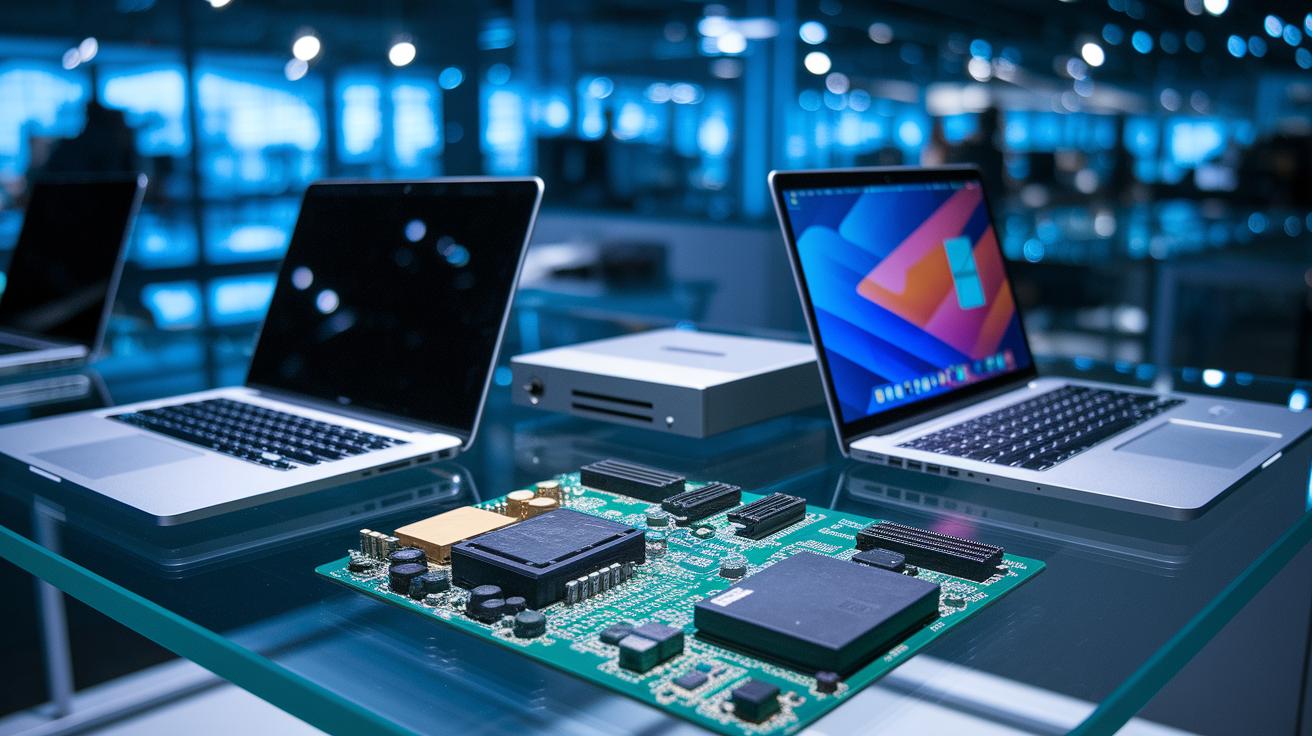
Products like Intel microprocessors, Apple computers, and Cisco routers helped launch Silicon Valley. They built strong positions using advanced hardware that gave lasting competitive edges. For example, Intel chips boosted computing speed while Apple and Cisco reshaped personal computing and networking with solid, reliable designs.
With the rise of the internet, companies raced to grab customers fast. They shifted focus from detailed engineering to quick market entry. The push for rapid growth in software and SaaS (Software as a Service) models meant less time was spent perfecting physical components. This marked a big change from the careful hardware work that once fueled tech breakthroughs.
Tom Perkins once explained that lowering technical risk can raise market risk. That idea still matters today. Hard tech companies must keep strong engineering practices even as they work to meet fast-moving customer demands.
Distinctive Features of Hard Tech Compared to Deep Tech and Soft Tech
Technology can take three main paths. With hard tech, every physical part is set before the product goes to market. In deep tech, the focus is on long-term scientific research. Soft tech lets you improve and update ideas after launch. This split affects how engineers work, manage risks, and build their business models.
Hard Tech
Hard tech needs exact prototypes and a fixed hardware design before launch. In fields like aerospace and robotics, every piece is set early on. Engineers test products many times, like when checking a drone’s flight control, to make sure they work well at launch.
Deep Tech
Deep tech relies on in-depth scientific research and starts with low Technology Readiness Levels (TRL 1 to 3). It involves heavy research and development in areas such as biotechnology or artificial intelligence. For example, advanced algorithms in medical diagnostics take years of research and careful testing to prove they work.
Soft Tech
Soft tech uses software that can be updated often after its launch. Products like cloud platforms or mobile apps are released early and then improved over time. This approach lets engineers adjust and add features based on how users need the product to work.
| Category | Definition | Example |
|---|---|---|
| Hard Tech | Requires final hardware setup and integrated software before going to market | Aerospace control systems |
| Deep Tech | Driven by scientific research and early-stage projects (TRL 1-3) | Biotech innovations |
| Soft Tech | Focuses on software with ongoing post-launch updates | Cloud-native platforms |
hard tech Powers Bold Industry Advances

Former SpaceX engineers created Warp Drive software to test hardware in realistic, high-stress settings. The software mimics extreme conditions so engineers can verify that parts work well under pressure. Many note, "Before every test, we run Warp Drive to create tough conditions." This system checks hardware performance in controlled yet demanding tests, speeds up prototyping, and cuts down on expensive mistakes early on. In short, Warp Drive makes hard tech more reliable and strengthens market trust.
Tesla’s electric powertrain changes boosted car performance, while Apple’s custom silicon raised computer speed and energy efficiency. Peloton also pushed forward by adding smart connectivity to its fitness equipment. Each of these breakthroughs set higher standards and shifted the market toward precise, integrated design. Together, they show how solid hardware paired with smart digital tools is reshaping industries and charting a bold path for the future.
Hard tech is now moving into environmental and agriculture fields, too. Some projects work on PFAS remediation (removing harmful chemicals) that affect health and nature. Similarly, the Vestaron-ADM team is exploring peptide-based crop protection (using small proteins) to lessen chemical use. These efforts are opening new market opportunities and proving that engineering can solve many different challenges. Such ventures highlight how hard tech drives sustainable growth and strengthens industrial progress over time.
Development and Market Entry Challenges for Hard Tech Projects
Hard tech companies often deal with long sales cycles and slow buying processes. Projects go through many review stages over several quarters or even years. Buyers, regulators, and suppliers take plenty of time to check all details before they commit resources. These long cycles delay when revenue starts and stretch cash flows, putting extra pressure on startups and small firms as they keep running while waiting for approval and market entry.
Design reviews add another layer of difficulty. Building prototypes for hard tech needs a careful approach where each change is checked thoroughly. Engineers must revise plans, test several models, and update digital designs to meet strict safety and performance rules. This cycle of repeated checks slows down development and raises costs because each change is closely examined to fix any issues before the product hits the market.
Large, established companies also add tough competition. Big players have strong patents and more funds, letting them spend a lot on research and development. Their solid market position makes it hard for new companies to break in. New entrants must innovate with smaller budgets while managing long testing periods and gaining market acceptance.
Investment Patterns and Funding Dynamics in Hard Tech Ventures
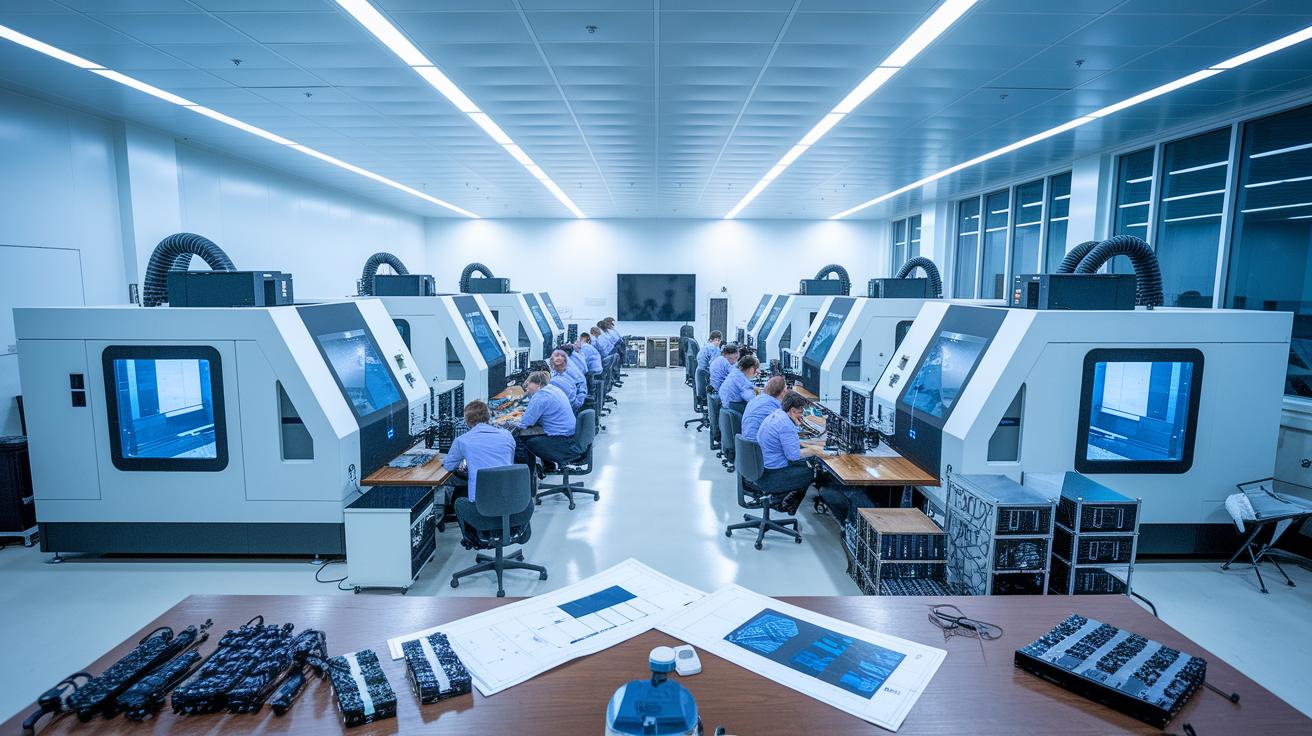
mHUB's prototyping facilities draw hard tech startups by offering US$6M in modern equipment. This setup lets startups build, test, and polish their hardware designs before they hit the market. In this controlled space, early ventures reduce development time and enhance product quality to meet strict industry rules.
Since 2017, hard tech startups linked to mHUB have raised US$1.89B in funding, earned US$1.57B in revenue, and secured 533 patents. These strong figures show growing investor interest and prove that smart engineering and careful prototyping work. The numbers back the idea that hardware ventures can succeed with the right support and guidance.
Investors favor hard tech projects that offer robust patents and require significant funding. Patents, which can last up to 20 years, give startups a competitive edge and appeal to investors willing to wait for long-term returns. This mix of secured market positions and the need for heavy investment drives ongoing innovation and growth in the hard tech field.
Future Trajectories and Emerging Technologies in Hard Tech
The future of hard tech relies on using artificial intelligence together with energy management systems that power renewables. Companies use AI (artificial intelligence) to fine tune energy distribution so that renewable power can quickly react to changes. This mix creates smarter grids where hardware and AI work together to watch, analyze, and adjust energy flows. For example, AI-powered systems already help match solar and wind outputs with real-time demand. This approach not only boosts efficiency but also paves the way for lasting hardware solutions that will energize future networks.
Emerging fields will also change hard tech in new ways. New advances in quantum hardware are pushing the limits of speed and security. At very small scales, improved engineering is making more precise components for key uses. Better sensor networks, along with IoT (Internet of Things) devices and digital twin models (virtual replicas of physical systems), provide real-time data for smarter maintenance and control. These trends point to a move toward integrated, intelligent systems that can support next-generation infrastructure and steady growth.
Final Words
In the action, hard tech drives real-world engineering breakthroughs by integrating advanced hardware with essential software tools. The piece walked through its core definition, key sectors like renewable energy and aerospace, historical milestones, and clear distinctions from deep and soft tech.
It also covered leading case studies, market challenges, and investment trends that shape this cutting-edge field. Hard tech continues to propel innovation forward, offering solid protection through durable intellectual property rights and promising future trajectories. The results are positive and inspiring for evolving markets and growing technological frontiers.
FAQ
What is considered hard tech?
The phrase “hard tech” refers to the integration of advanced hardware engineering with supportive software like digital twin modeling and cybersecurity. It emphasizes precise physical product design and prototyping.
What is hard tech vs soft tech?
The term “hard tech” involves finalized hardware features created before launch, while “soft tech” relies on software development with flexibility for post-launch updates and rapid iteration.
What is hard tech vs deep tech?
“Hard tech” focuses on building market-ready hardware with embedded software, while “deep tech” involves early-stage scientific research and development with low technology readiness levels.
What defines a hard tech startup?
Hard tech startups combine advanced engineering with supporting software to create comprehensive physical products. They often work in fields like robotics, aerospace, and renewable energy.
Is it hard tech or hardtech?
Both “hard tech” and “hardtech” refer to projects that merge advanced hardware with software solutions, though “hard tech” remains the more commonly used term.
What does the hard tech era in Silicon Valley signify?
The current hard tech era in Silicon Valley signifies a renewed focus on precise hardware engineering and breakthrough manufacturing technologies, elevating physical product development in the tech sector.
Where can I find hard tech news?
Hard tech news covers developments in advanced hardware innovations, startup breakthroughs, and industrial trends, providing insights on sectors like robotics, renewable energy, and semiconductor manufacturing.