
Ever wondered if your friendly neighbor is hiding something more than just a smile? Undercover cops blend into everyday life and often show small signs of their true duty. They work quietly to protect communities. Sometimes, you might notice odd phone behavior, misplaced items, or actions that seem out of place. This post explains these signals and offers tips on how to spot these secret agents without rushing to conclusions.
Key Indicators to Identify Undercover Cops
Undercover officers work quietly to keep our communities safe by stopping crime without drawing attention. They hide their true role and only give off very subtle clues. Many normal actions could seem like a sign, so you have to watch closely. The signals below can help you notice unusual behavior. Remember, these hints do not prove someone is an undercover cop. Rely on multiple signs and be careful in your judgment.
- Unusual phone issues, like dropped calls or static, might signal that someone is tapping the phone. For example, one business owner heard a strange crackle during calls that later turned out to be linked to surveillance.
- Small changes in your surroundings, such as wall plates being moved, could hide hidden equipment.
- Extra service workers or vehicles parked longer than normal may be another clue.
- Getting items like pens or desk clocks that you did not request could mean they are hiding tiny cameras or microphones.
- A feeling of being watched or followed without a clear reason is another possible sign.
- Notice if a person is very cautious, keeps looking around, or asks odd questions unrelated to normal conversation.
- If someone's clothes or accessories seem mismatched, it might point to hidden official affiliations.
Look for several such signals before drawing any conclusions. These indicators simply suggest the possibility of an operative's presence, not a confirmation of it. Always approach the situation with caution.
Behavioral Cues for Spotting Undercover Cops
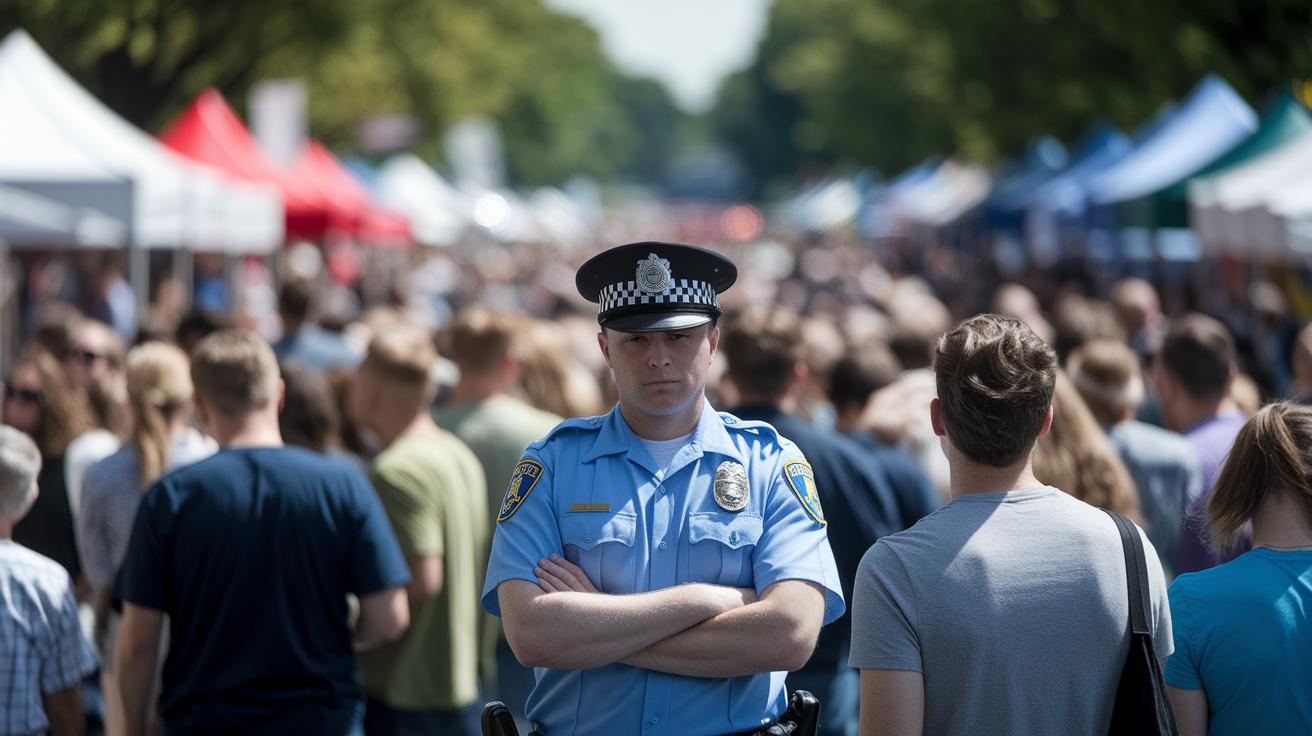
Undercover officers often scan their surroundings carefully. In crowded spaces, they stand with set shoulders and watchful eyes that always look for exits. For example, at a busy fair, you might notice someone leaning forward as if checking every door.
These officers sometimes mix in law enforcement terms during casual chat. You might hear phrases like "tactical standby" or "code red" used in everyday conversation. At one local diner, a patron once said, "Our unit always prepares for a code red, even at events." Such comments can sound strange in a relaxed setting.
Small differences in clothing can also reveal an undercover cop. They might wear a clip-on badge that doesn't match their overall outfit. Their behavior can seem too formal or robotic in a casual crowd, setting them apart from others.
Vehicle Clues When You Need to Identify Undercover Cops
Undercover cop cars rarely show the usual signs of a police vehicle. They often sit parked for longer than normal and can have hints of custom changes that hide their true role. Watching for these details might give you clues without jumping to conclusions.
Unmarked Service Vehicles
Covert vehicles almost never display official logos or badges. They might have extra lighting or hidden antennas for special tasks. For example, a car fitted with a secret radio console or a concealed camera can hint at discreet operations. These cars usually blend in with everyday traffic, moving slowly near active areas to keep a low profile. Their look does not follow the typical color or design seen on regular patrol cars. Even the car’s interior might be modified to hold extra gear, suggesting it is set up for special work rather than normal driving.
License and Marking Irregularities
Another detail to watch is the car’s license plates and markings. Temporary or out-of-area plates can suggest that the vehicle is not part of a local unit. Faded decals or mismatched branding are also signs that the car may be hiding its true purpose. Such irregularities are often used to mask the unit’s identity, especially in sensitive or high-risk spots. Noticing these small differences can help you build a clearer picture of whether a car might belong to an undercover team.
Credential Checks for Identifying Undercover Cops
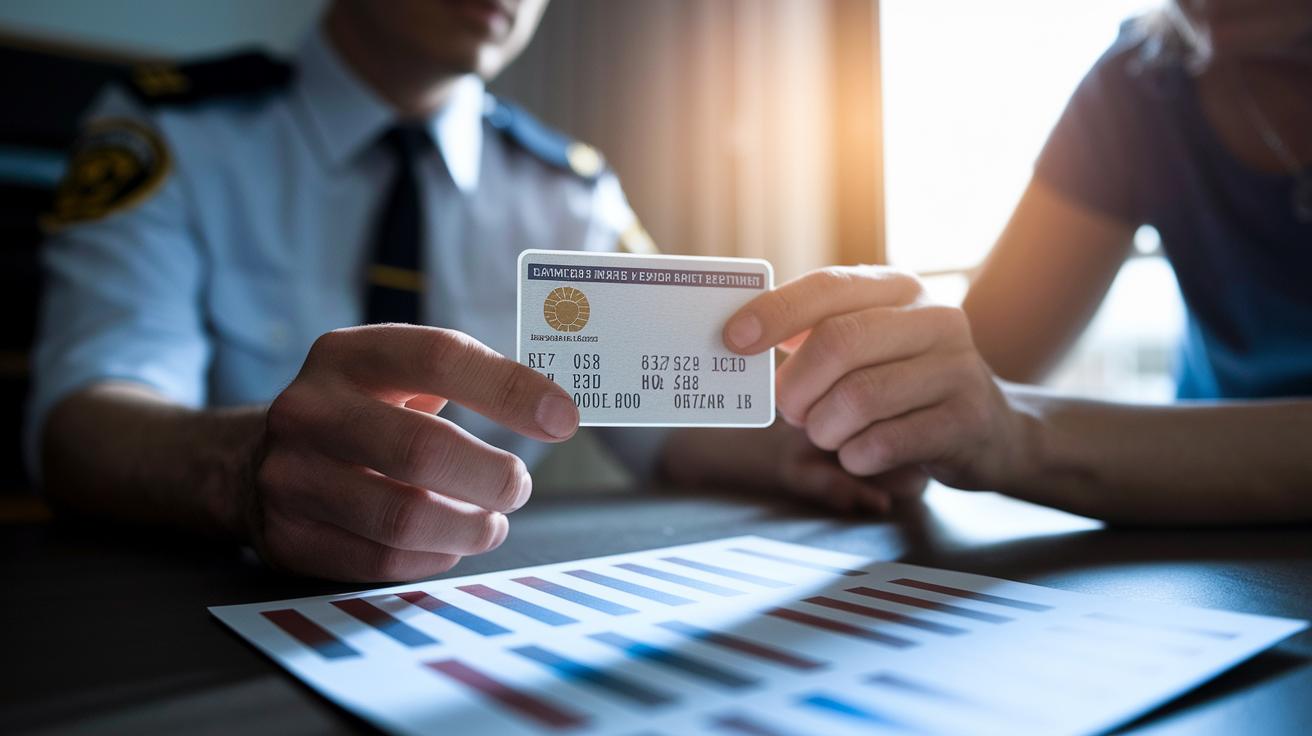
Real credentials show an officer’s true identity. When you inspect an ID card, check for a laminated finish, a seal, serial numbers, and a holographic emblem. Uniforms should have neat stitching and official insignia. Fake IDs may include spelling mistakes and cheap materials. Use a side-by-side guide to compare the key features.
Always check for these details. Looking for several correct features helps lower the risk of false identification. If anything feels unusual, seek more verification through official channels before you decide.
Legal and Ethical Considerations in Identifying Undercover Cops
Pretending to be a police officer is against the law in many places. Trying to find undercover cops without proof can lead to legal trouble. Checking someone's credentials without permission might break privacy rules (laws that protect personal information). Acting on your own can also disturb an ongoing investigation.
Looking into a person with no clear reason can lead to defamation or claims of harassment if you wrongly call a private citizen an officer. Law enforcement rules are strict, and even a small mistake can be very expensive. Following the proper legal steps helps keep everyone safe.
It is important to know your local laws about police identities. Do not jump to conclusions from half-made information. If you see something odd, report it to the proper officials instead of trying to verify it yourself. Respecting civil rights and sticking to legal limits ensures that caution does not turn into rights being violated.
Debunking Myths About How to Identify Undercover Cops
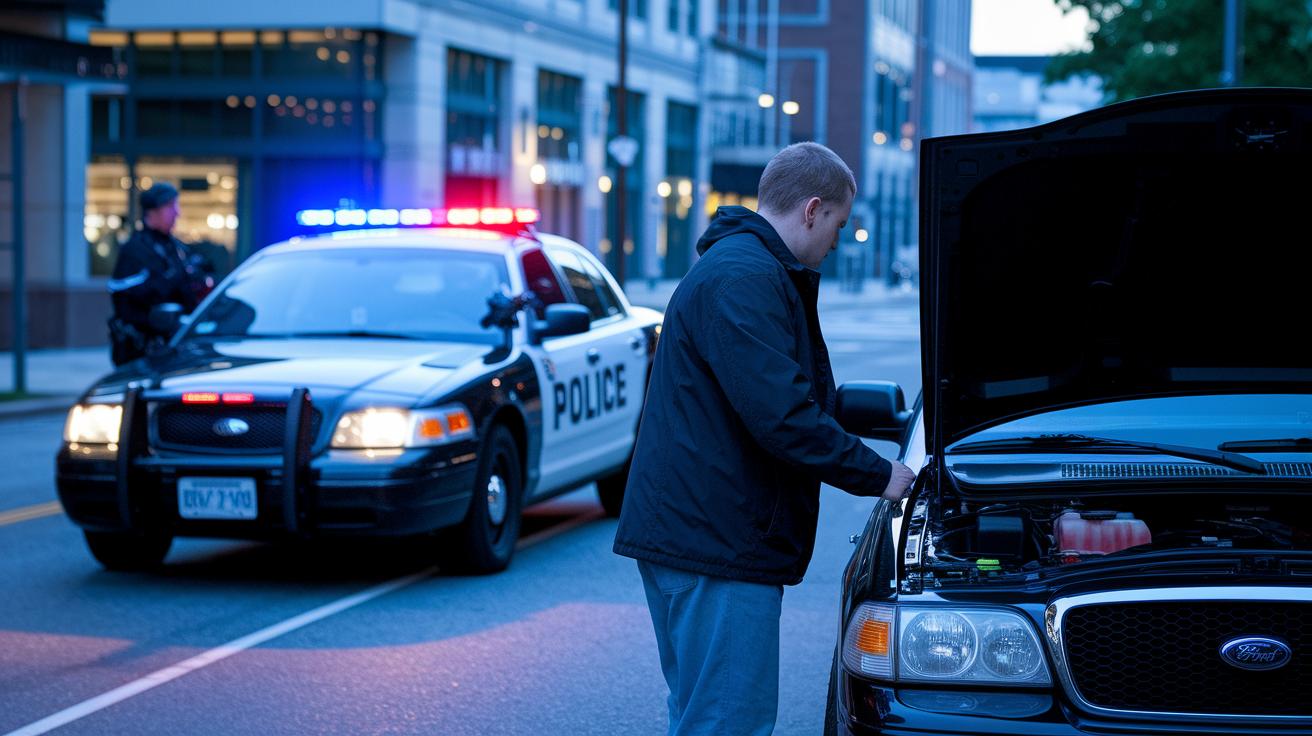
Many believe that undercover cops never use marked vehicles. In fact, officers on secret missions sometimes drive cars that look like regular patrol vehicles. They might use a marked car when backup is needed or in areas that need a fast response. For example, an operative could use a vehicle with hidden equipment while still sporting a familiar look. This mix of vehicle styles shows that the myth does not hold up.
Some think undercover cops always dress in plain clothes to blend in. The truth is, they may change their clothing based on the situation. At times, they wear uniforms when larger teams are on duty or when extra support is required. For instance, an officer might switch to a uniform for a public event to be part of a visible team. This change in dress is a deliberate plan to balance secrecy with safety.
It is also said that undercover officers never carry weapons in plain view. However, there are situations where they keep a gun within easy reach. Rules sometimes allow for a visible weapon if it is part of an operational plan, such as on a response team. Whether an officer carries a weapon openly depends on the specific situation, making it hard to spot covert agents by any single trait.
Practical Steps to Confirm Undercover Cops Safely
-
Ask for Agency and Badge Number
Stay calm and ask the officer to show you their official ID. Request both the agency name and badge number so you can check if the credentials match the usual format. -
Note Vehicle Plate and Dispatch Status
Watch for details on the vehicle, like its license plate. Keep an eye on any call signs or signals that might seem unusual or hint at a covert role. -
Record Time and Location
Write down the exact time and place where you met. This record can be useful later if you need to confirm your observations. -
Observe Any Audible Radio Traffic
Listen closely for any radio chatter. Sometimes, what you hear from dispatch can help indicate if the response is truly official. -
Discreetly Verify Credentials
Quietly call the agency's official dispatch line. Ask if a unit matching the details you saw is in the area, keeping your inquiry low-key. -
Document the Interaction
Take note of everything: the behavior, responses, and any details that seem off. This documentation may prove important when checking the legitimacy of the encounter later.
Final Words
in the action, the post breaks down key signals like subtle behavioral shifts, vehicle oddities, and credential clues.
It covers legal checks and real steps to verify suspicions safely.
This guide debunks myths and provides clear markers to help separate fact from fiction.
Readers gain a practical framework for assessing secretive officers without jumping to conclusions.
Keep these takeaways in mind as you review the signs and know how to identify undercover cops while staying within the law. Stay alert and informed for a safer environment ahead.
FAQ
How to identify undercover cop cars?
The method to identify undercover cop cars is by spotting unmarked vehicles with minimal official decals, atypical modifications, and unusual license plates that differ from standard patrol vehicles.
What are undercover cop characteristics?
The explanation of undercover cop characteristics is that they often blend in, show reserved behavior, scan surroundings keenly, and use discreet security language while maintaining a low profile.
What are undercover cops not allowed to do?
The explanation of what undercover cops are not allowed to do is that they must follow legal protocols, avoid abusing authority, and refrain from actions like impersonation or unauthorized credential checks.
How to tell if a girl is an undercover cop?
The explanation for determining if a girl might be an undercover cop is that it relies on observing unusual behavior and inconsistent credential presentation rather than judging based solely on appearance.
Undercover cop cars license plates – what should be noted?
The explanation on undercover cop cars license plates is to look for temporary or out-of-area registrations and low visibility markings, which may indicate a covert law enforcement vehicle.
What is an undercover cop movie?
The explanation of an undercover cop movie is that it typically features dramatic portrayals of covert law enforcement operations, emphasizing suspense, secret investigations, and the tension of hidden identities.
Can undercover cops do drugs?
The explanation on whether undercover cops can do drugs is that they must adhere to the law, and engaging in drug use would violate professional standards and state regulations.
How do undercover cops communicate?
The explanation for the communication methods used by undercover cops is that they often rely on secure calls, coded language, and discreet signals to maintain confidentiality during operations.
How do you know if you’re talking to an undercover cop?
The explanation for recognizing if you’re talking to an undercover cop is to note if the person asks probing, security-related questions, uses discreet language, and maintains a cautious demeanor.
How to tell if an undercover cop is watching you?
The explanation on how to tell if an undercover cop is watching you is to observe repeated, inconspicuous presence, subtle surveillance behavior, and non-interactive observation in public settings.
How do undercover cops look?
The explanation on how undercover cops look is that they often appear as ordinary citizens, dressing in plain clothes with minimal visible law enforcement markers to conceal their identity.