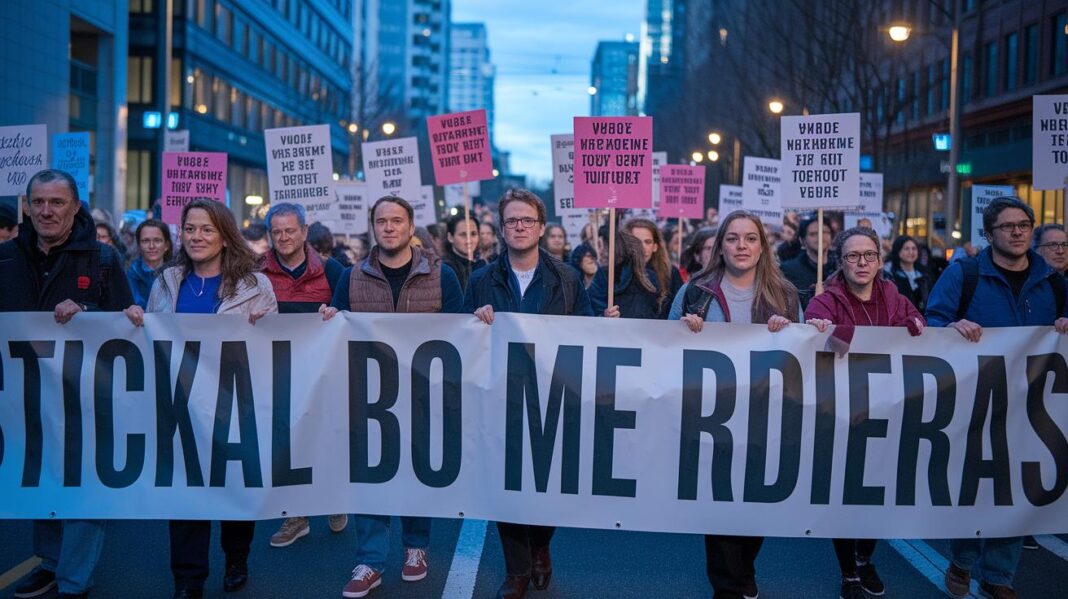
Are our basic freedoms really safe? Reports say that when rights are broken, such as silencing voices and using too much force, communities around the world feel the impact.
When basic protections fail, stories of abuse spark debates and push people to demand justice. This article shows how even small rights being ignored forces governments and citizens to rethink laws. We look at the real effects of these violations and how mounting pressure is leading to stronger accountability and safer communities for everyone.
Understanding Human Rights Violations: Definition and Scope
Human rights are the basic freedoms that every person deserves. They include civil liberties like freedom of thought and free speech, and political rights such as the right to vote and join in decisions. The right to life and personal safety are among the most important. For instance, before discovering her groundbreaking work, Marie Curie once carried test tubes filled with radioactive material in her pockets, unaware of the danger.
Rights get violated when they are ignored or restricted. Leaders, groups, or even individuals may limit these freedoms by enforcing unfair rules, using too much force, or silencing opinions. Actions like censorship, random arrests, and abuse of power are clear examples of such breaches. Even when laws exist to protect these rights, they sometimes fail to match what happens in reality.
The Universal Declaration of Human Rights, created in 1948, lays out 30 basic rights such as freedom of thought, speech, religion, and education. Yet, violations still occur in many parts of the world. Reports of abuses show that these rights are not fully realized, pushing communities and leaders to fight for justice and protection. This gap between the law and everyday practice makes it urgent to improve global accountability.
Human Rights Violations Through History: Evolution and Legal Frameworks

In 1948, the Universal Declaration of Human Rights (UDHR) set a global benchmark for basic rights. It lists 30 core rights covering civil, political, economic, social, and cultural areas. This document marked a clear move toward protecting individual freedoms. Its approval led to more treaties and laws to keep people safe. The UDHR also helped compare how different countries handle rights issues, paving the way for other international law guidelines.
| Instrument | Year | Key Provisions |
|---|---|---|
| UDHR | 1948 | 30 fundamental rights across five categories |
| ICCPR | 1966 | Civil and political rights; monitoring by Human Rights Committee |
| ICESCR | 1966 | Economic, social, and cultural rights; monitoring by ESCR Committee |
After the UDHR, more treaties followed. Two key ones are the International Covenant on Civil and Political Rights (ICCPR) and the International Covenant on Economic, Social and Cultural Rights (ICESCR). These treaties fixed gaps left by the UDHR. Over 35 years, more than 500 experts helped shape these laws to set global standards for human rights. They also give us ways to compare how rights are handled around the world. Available in at least 19 languages, these documents let people everywhere understand their rights and push for better laws and reforms.
Human Rights Violations Types: Patterns and Characteristics

When we see clear patterns of rights abuses, we can act faster to stop them. Grouping different abuses helps leaders, researchers, and advocates focus their efforts where they are needed most. It turns a messy list of problems into a clear picture. For example, knowing the exact type of abuse lets experts design steps that reduce damage.
Sorting these violations also shows how governments, groups, or individuals take away people's rights. When each abuse is clearly listed, it is easier to find specific solutions. This clear breakdown builds a system for holding wrongdoers accountable and guides changes in laws and institutions to protect vulnerable people.
• Genocide – deliberate actions to wipe out an ethnic, racial, or religious group by killing members, causing harm, stopping births, or forcing children to be raised by others.
• Torture – causing physical or mental pain to punish, scare, or force someone to give up information.
• Arbitrary arrests – taking people away without a legal reason or a fair trial, which undermines trust in the law.
• Forced displacement – pushing large groups of people to leave their homes because of conflict, persecution, or danger.
• Censorship – blocking access to free speech and important information, which stops people from speaking out.
• Mass surveillance – watching over large groups of people in a way that harms privacy and basic rights.
Seeing these patterns clearly helps leaders make better policies and support efforts for change. With clear definitions, everyone can work toward reforms that reduce abuses, create stronger legal protections, and build a safer world.
Human Rights Violations Case Studies: Apartheid, Genocide, and Starvation

Different times in history have seen basic rights denied through practices like apartheid, genocide, and famine. These events show us that deep-seated discrimination, mass killings, and state-led starvation bring pain and push the world to act for justice. They also underline the need for leaders to own up to mistakes and work for lasting change.
Apartheid in South Africa (1948–1994)
During apartheid, South Africa enforced laws that kept Black citizens separated and denied them fair voting rights, quality education, and equal job chances. These legal rules not only broke civic rights but also hurt human dignity. Global pressure eventually led to changes, sparking moves toward reform and truth commissions that still guide efforts to fight racial injustice today.
Rwandan Genocide (1994)
In 1994, nearly 800,000 Tutsis were killed in just over three months. This severe ethnic cleansing shocked the global community and highlighted big challenges in holding war crimes to account. The international pushback, though controversial, led to long-term legal and diplomatic measures aimed at preventing such tragedies from happening again.
North Korea Famine (1990s)
In the late 1990s, North Korea experienced a harsh famine due to poor state policies and mismanagement. The government failed to protect its people's right to life and basic needs, causing widespread hardship. This crisis brought global attention to the importance of holding governments responsible for neglecting human rights and spurred calls for international reforms.
Human Rights Violations Oversight: International Organizations and Monitoring
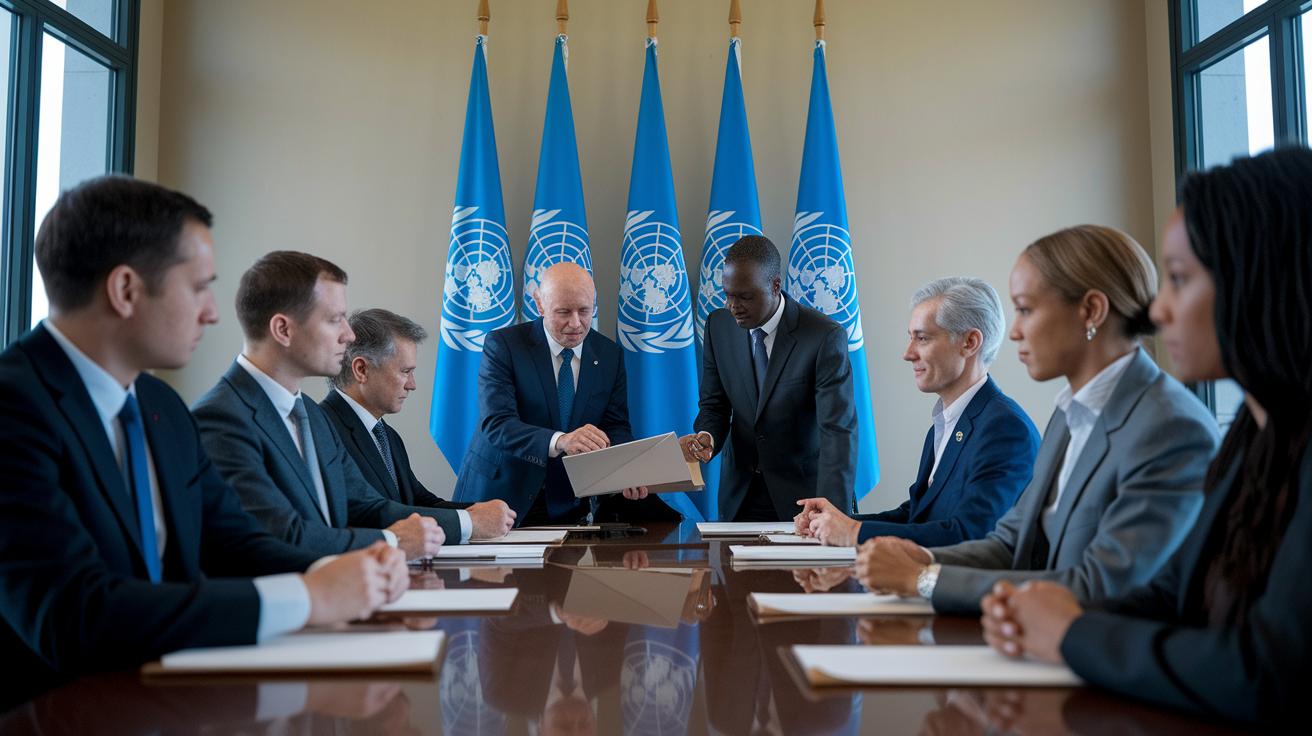
The United Nations leads efforts to protect human rights globally. Its Human Rights Council and other treaty bodies check if countries meet their duties. They provide clear recommendations and hold regular meetings to confirm nations follow international standards. When a country falls short, UN committees act fast to spotlight the problems and call for change. This system keeps a steady focus on safeguarding everyone's basic rights.
Non-governmental organizations also play a key role. Groups such as Amnesty International publish annual reports that document human rights breaches across different regions. These reports include detailed case studies and over 30 specialized research and video briefings that capture current trends. Their independent work helps fill in the gaps in government monitoring and holds leaders accountable.
Access to justice gets a boost from free resources and reporting channels. Information kits, hotlines, and online platforms let victims and witnesses report abuses quickly. These tools provide an easy way to reach oversight bodies and lay the groundwork for reform. In doing so, global oversight pushes nations toward better human rights protection and a more transparent governance system.
Human Rights Violations Enforcement Challenges: Sovereignty, Surveillance, and Impunity
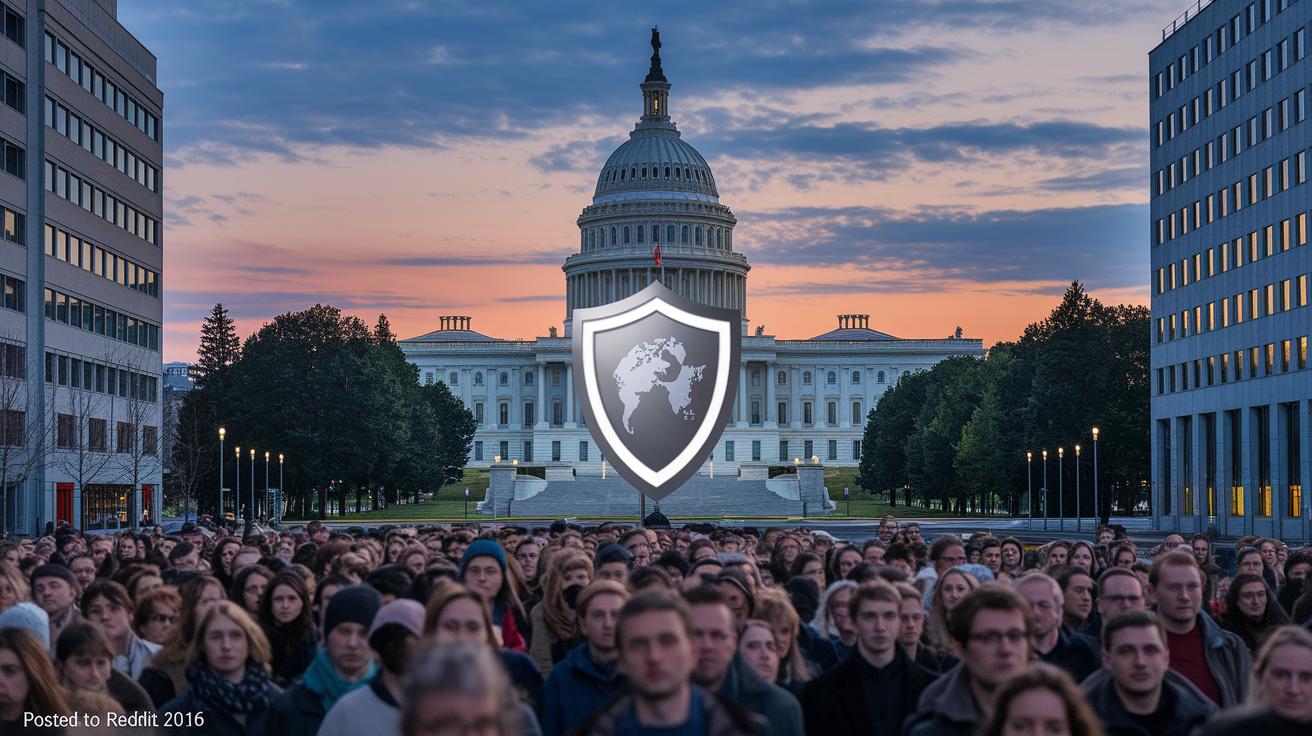
State control of its own affairs can clash with protecting individual rights. Leaders often argue that outside interference undermines their ability to manage domestic issues. This disagreement can delay international help when abuses occur. In some cases, governments use sovereignty as a shield to avoid global accountability, making it harder to stop actions that silence political dissent and restrict free speech.
Digital rights are constantly at risk due to widespread surveillance and intrusive practices. Officials claim these steps are needed for national security, but they often limit freedom of speech and block access to important information. Such mass monitoring invades privacy and stops citizens from voicing their concerns. This kind of censorship can lead to unrest and weaken trust in online platforms meant to empower expression.
When those who violate human rights go unpunished, it undermines protection efforts. Without legal consequences, abuses persist unchecked. The failure to prosecute state-sanctioned harassment and suppression of dissent deepens social divisions and fuels polarization. As a result, many victims are left without a way to seek justice, which erodes the democratic norms that support fair and open governance.
Human Rights Violations Prevention and Accountability: Strategies and Initiatives

Laws and institutions guide our work against human rights abuses. Leaders discuss humanitarian intervention while balancing state agreement with the duty to protect people. International courts and truth commissions, such as the International Criminal Court (ICC), work to hold those responsible for war crimes and demand reparations. These bodies make sure abuses by governments do not go unchecked, build trust in legal systems, and keep justice close at hand.
Education and advocacy help bring long-term change. Free courses on human rights and programs for young people raise awareness and empower communities to ask for justice. These efforts share practical knowledge and open conversations on individual freedoms. Methods like mediation, peacebuilding, and post-conflict recovery support reforms and give communities tools to stop future abuses.
Helping victims is key to justice. Non-government groups and local organizations provide support and help survivors rebuild their lives with programs that restore livelihoods. Quick action during crises and structured mechanisms to address past wrongs lay the groundwork for lasting recovery and show a global commitment to human rights protection.
Final Words
In the action, the article explored how rights are defined and breached. It covered fundamental definitions, historical legal frameworks, and key case studies. The piece highlighted different types of human rights violations and detailed oversight and enforcement challenges. It also examined strategies to prevent abuses, support victims, and boost accountability. These insights provide clear guidance to address ongoing breaches and guide policy. The discussion leaves us hopeful and ready for practical change, helping move forward with a safer and fairer world.
FAQ
What are some examples of human rights violations?
The examples include genocide, torture, arbitrary arrests, forced displacement, censorship, and mass surveillance. Each case breaks basic freedoms like life, liberty, and expression.
What are 5 human rights violations?
Five common violations are arbitrary arrests, torture, genocide, forced displacement, and mass surveillance. Each undermines individual freedoms as defined in international human rights standards.
What do human rights violations today involve?
Human rights violations today involve practices such as mass surveillance, censorship, arbitrary arrests, and restrictions on free expression. These violations continue despite legal frameworks meant to protect basic freedoms.
What is a human rights violations PDF?
A human rights violations PDF is a document that outlines breaches of international rights. It details cases, provides statistics, and explains legal frameworks used to address these abuses.
How does the UN address human rights violations?
The UN addresses violations through the Human Rights Council and treaty bodies. Their reports and recommendations help monitor abuses and guide international responses to ensure accountability.
What topics are covered under human rights violations?
Topics include genocide, torture, arbitrary arrests, forced displacement, censorship, and mass surveillance. These issues form the basis for discussions and policies designed to uphold individual rights.
What human rights are being violated in the United States today?
In the United States, concerns include unlawful detentions, mass surveillance, and restrictions on civil liberties. Such practices raise debates over due process and equal protection under the law.
What are the 4 types of human rights?
The four types of human rights typically include civil rights, political rights, economic rights, and social rights. Some frameworks also acknowledge cultural rights as an essential aspect of human dignity.
What are the 5 R’s of human rights?
The term “5 R’s” is not standard in human rights frameworks. Instead, rights are usually discussed in established categories such as those outlined in the Universal Declaration of Human Rights.