
Ever wonder why nations and local groups come together? Political alliances do more than sign agreements. They create smart teams that plan wars, hold power, and sway elections. Take examples such as NATO (North Atlantic Treaty Organization) and AUKUS. These groups combine military support and election tactics to change outcomes. This post explains how clear agreements boost national defense and local politics, and why these partnerships matter now.
Understanding Political Alliances: Definitions and Strategic Role
Political alliances bring countries together through treaties, partnerships, or clear agreements. They help shape war efforts, balance power, and open up new opportunities. For instance, NATO uses a treaty to pool military resources and protect all its members.
Countries build these alliances to boost power and secure influence in their regions. AUKUS is one such deal where members share military technology and work together on tech-driven diplomacy. Each country knows its role, whether it means funding or sending military support.
Diplomacy plays an important part. Leaders weigh the benefits against the costs, such as military expenses and infrastructure investments. They discuss and review these factors before joining an alliance, much like considering the cost of a bridge versus the boost in trade routes.
In short, political alliances help nations gain leverage on the global stage, supporting both immediate defense needs and long-term diplomatic plans.
Electoral Partnerships and Government Coalitions in Domestic Politics
Political alliances in domestic politics change election results and shape how governments are formed. Many groups, including parties, interest groups, and nonprofits, team up to boost their chance of winning key state and federal elections. They unite to simplify campaign plans and bring voters together. For instance, a local group might say, "When three candidates share the vote, one united front can turn the tide."
These ties matter because a split vote can hurt parties in systems where the highest or majority vote wins. Electoral pacts help similar groups avoid this problem by rallying behind one candidate. In many cases, this coordinated move brings different voices together to create a shared plan that many voters support.
After the polls close, government coalitions work to keep leadership steady. When parties form a coalition, they agree on policy compromises to gain a majority. Leaders often stress that a united government can better address public needs than divided groups. This teamwork not only wins elections but also keeps the government running smoothly.
Diplomatic Partnerships and Intergovernmental Pacts in International Relations
Countries form diplomatic ties and pacts to boost their influence and keep themselves safe. They sign treaties that set clear rules for military help and sharing secrets. For example, NATO has treaties where members promise to protect each other if one is attacked near places like Ukraine or Taiwan. This promise makes each member ready to act and keeps everyone secure.
The BRICS bloc shows a change in power balance. It brings together Brazil, Russia, India, China, and South Africa to work on many issues together. A strong link, especially between China and Russia, helps them set joint economic plans to balance older powers. These groups adjust quickly to new challenges as world affairs shift.
Smaller alliances like AUKUS and the Five Eyes group show a more focused way to work together. They form around specific needs like technology and security. For instance, AUKUS shares advanced ideas and defense innovations to stay ahead in key regions. These partnerships prove that targeted teamwork can solve new problems fast.
Countries such as Brazil, India, Indonesia, Saudi Arabia, South Africa, and Turkey have different needs when it comes to working with others. They choose strategies that meet their own interests and also support global cooperation. This careful approach makes sure alliances remain flexible and ready to change with the shifting world stage.
| Alliance | Type | Key Members | Primary Objective |
|---|---|---|---|
| NATO | Formal Treaty | US, UK, Germany, France, etc. | Collective defense and security |
| BRICS | Strategic Bloc | Brazil, Russia, India, China, South Africa | Multipolar cooperation and economic alignment |
| AUKUS | Minilateral Partnership | Australia, UK, US | Technology sharing and regional security |
Historical Political Alliances: World War I Coalitions and Legacy
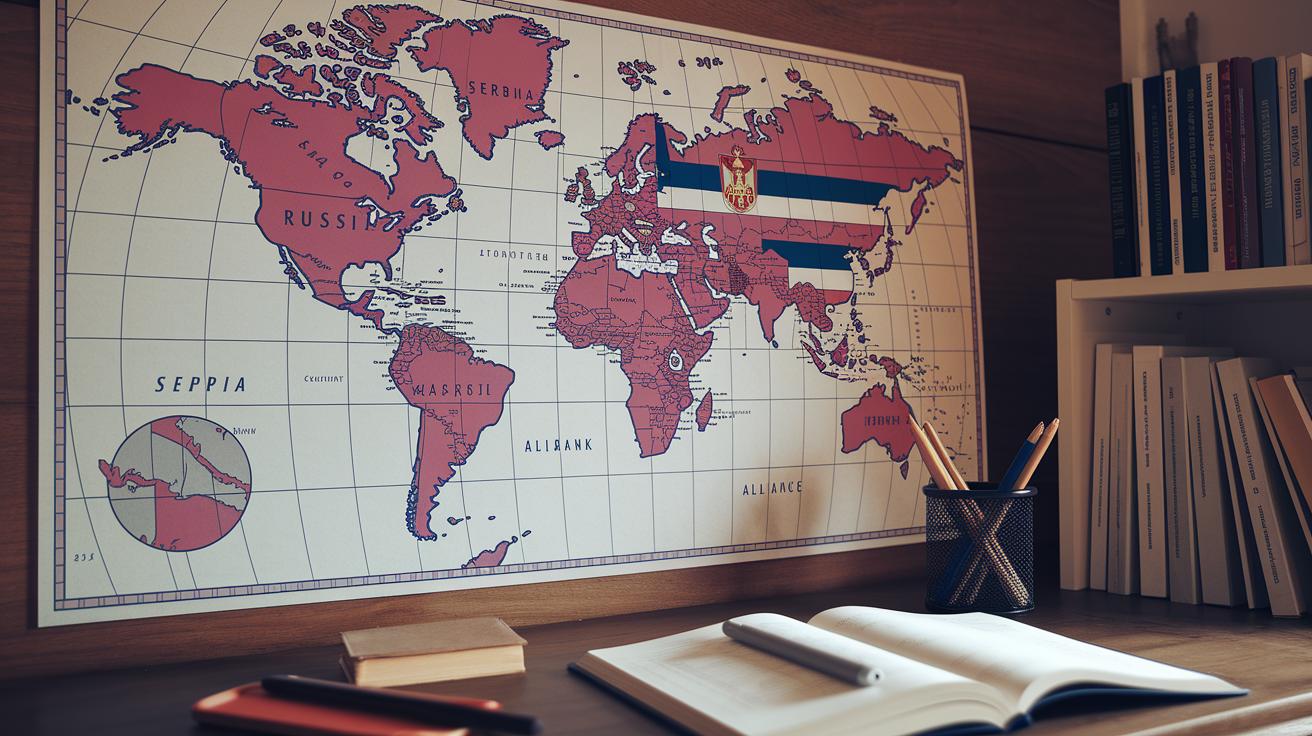
In 1914, Russia chose to back Serbia and set off a series of treaty obligations that pulled Europe into war. This move shows how one alliance can force many countries into battle. A diplomat once said, "If our ally is attacked, our fate is sealed too." Before the war, mutual defense treaties turned local disputes into all-out fights.
These pacts meant that even small quarrels could grow quickly. Nations promised to join the fight if any ally was attacked. The war's destruction led to big changes. Borders were redrawn and old power structures fell apart. New international groups were created to help stop another war. Historians say that leaders learned hard lessons from these alliances and now work to update treaties and form better partnerships.
Even today, the coalition systems from World War I shape diplomatic strategies and defense plans. Leaders are reminded of the risks that come with tightly linked alliances.
Coalition Formation Tactics and Negotiation Strategies
Successful alliances begin by finding shared interests. Leaders meet to discuss each side's needs and goals, much like neighbors planning a community garden where everyone adds something to create a common benefit. Early discussions include identifying key players and making sure everyone's aims are aligned.
After these talks, formal agreements are drafted. Clear documents list who gives what and how any risks are divided. This clear outline helps avoid problems later. For example, during treaty signings, leaders often declare, "We all contribute equally to keep every member safe and supported."
Negotiations then focus on the finer details. Leaders work out precise terms for sharing resources and set up clear command roles. They use public statements, joint training sessions, and regular reviews to build trust. These actions help all sides stay confident in the alliance even when global situations change.
A simple, step-by-step plan is key for building lasting coalitions. The process typically includes:
| Step | Action |
|---|---|
| 1 | Identify key players and align interests |
| 2 | Draft agreements or treaties |
| 3 | Negotiate how to share resources and risks |
| 4 | Set up joint decision-making groups |
| 5 | Establish trust and verification methods |
| 6 | Schedule regular strategic reviews |
This clear method helps alliances adjust over time while keeping everyone committed to shared goals and responsibilities.
Strategic Advantages and Risks of Political Alliances
Pooling military, economic, and diplomatic resources can boost a country's ability to keep threats at bay. Collective security treaties form a strong team effort that discourages attacks and helps lower tensions between nations. This teamwork is like neighbors setting up a watch, with every member playing a key role. One expert said, "When you stand together, even a small force can create a powerful shield."
Alliances can be very expensive. Costs like military deployments and building infrastructure often strain national budgets. When countries focus too much on what alliances can deliver, they risk getting drawn into conflicts they never planned for. History shows that unclear alliance promises can lead to mistakes and reduce unity, as members struggle to balance their shared goals with their own security needs.
Clear and detailed agreements help avoid accidental escalations. Leaders who set out precise plans for sharing resources and risks build trust among allies. This clarity ensures that every country gets its fair share and avoids relying too much on others. A balanced alliance lets members expand their influence and stand strong against aggression, as long as they keep checking and updating their commitments to match new challenges.
Future Trends in Alliance Strategy and Multilateral Cooperation
Since 2012, shifts in global power have changed alliances. Leaders like Putin and Xi have reshaped the world order. Crises such as the 2007-2008 financial crash and the Iraq war forced nations to rethink old ties. Today, competition between Washington-led and Beijing-led groups alters the world view and pushes countries to form new, flexible deals.
Countries in the G20 and other key regions are choosing their own paths in diplomacy. They balance the need for independence with the benefits of long-standing alliances. This means they adopt approaches that fit their unique needs instead of following a one-size-fits-all model. For example, a leader might say, "We have specific needs that require a custom approach to cooperation rather than simply following established groups."
Nations from the Global South demand changes in international institutions like the UN and WTO. They seek fairer decision-making and better representation. Recent challenges like the COVID-19 pandemic and the war in Ukraine have shown that alliances must be agile. Rigid treaties can slow down quick responses. Now, flexibility, inclusion, and regular strategic reviews are key to keeping alliances strong.
Leaders today must balance old commitments with new, smart partnerships. The goal is to protect national interests while moving toward a fairer and more resilient global order.
Final Words
In the action, we explored how political alliances shape outcomes across wars, elections, and diplomacy. Our post broke down definitions, strategic roles, historical roots, and coalition tactics. It reviewed key models like treaties, partnerships, and negotiation steps while noting both benefits and risks. By mapping these elements, readers can better grasp how alliances steer global and domestic politics. This overview empowers decision-makers with timely insights on political alliances amid evolving challenges. Stay informed, stay optimistic.
FAQ
What is a political alliance example?
A political alliance example can be NATO, which is a treaty-based group of nations that work together on security and defense to deter potential risks effectively.
What is the list of political alliances?
A list of political alliances includes groups like NATO, AUKUS, Five Eyes, BRICS, and various regional coalitions that aim to secure common political, economic, and defense interests.
What are the types of political alliances?
The types of political alliances include formal treaties, strategic partnerships, electoral coalitions, and intergovernmental pacts that enable shared resources and coordinated actions among members.
What is a political alliance synonym?
A political alliance synonym is “coalition,” often used to describe a union of parties or countries that combine efforts to achieve common political or strategic objectives.
What does political alliance mean in French?
Political alliance in French is “alliance politique,” used to represent similar groupings or coalitions among parties or nations with shared goals in governance or policy.
What is a political alliance crossword clue?
A political alliance crossword clue may hint at short words like “pact” or “bloc,” which are common terms that refer to formal or informal agreements among political players.
What is the electoral alliance meaning?
Electoral alliance meaning refers to a temporary joining of political parties or groups designed to consolidate votes, prevent vote splitting, and enhance the chance of defeating opponents in elections.