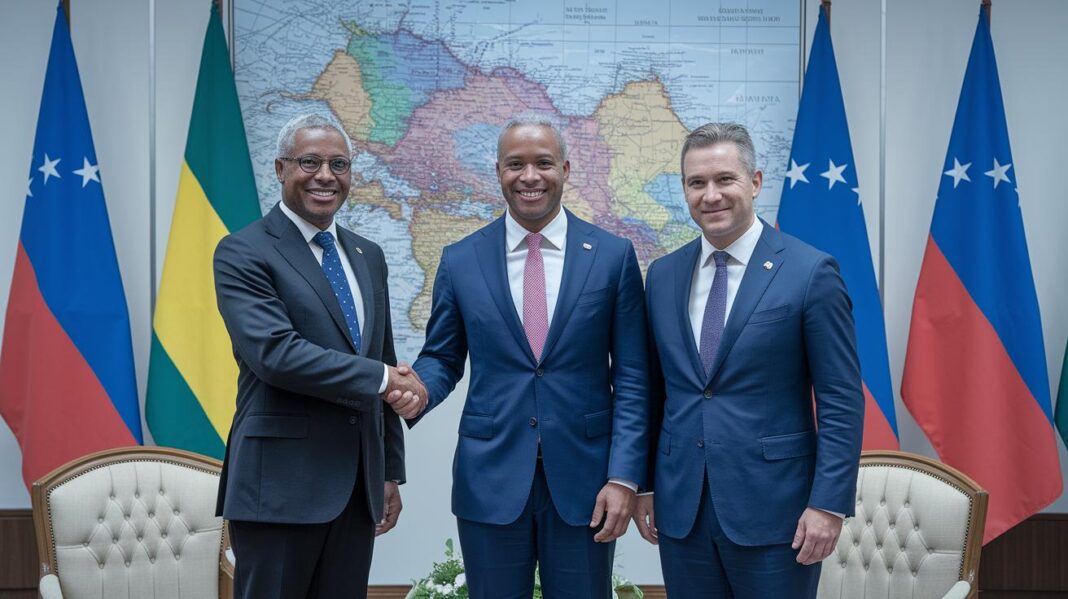
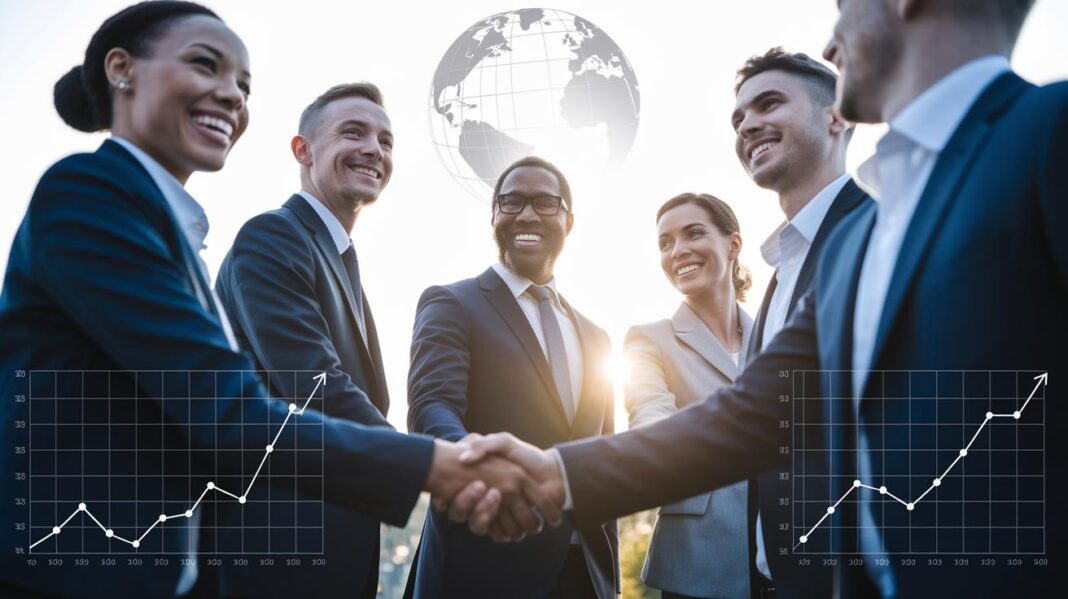
Imagine leaders from different fields sitting together to plan our future. The World Economic Forum started as a small idea and grew into a meeting place for experts in politics, business, and research. At Davos, top decision makers talk about economic trends that affect everyday life. This post explains how the forum leads smart discussions and guides policy changes that help drive prosperity worldwide.
Mission, Structure, and Global Influence of the World Economic Forum
Before the Forum emerged as a key global institution, its idea of public and private collaboration was just a vision in a small meeting room.
The World Economic Forum brings together leaders from politics, business, academia, and civil society. They meet to tackle challenges that affect countries, regions, and industries. Its main goal is to foster teamwork between the public and private sectors and to spark smart policy talks that shape our economic and social future. For example, one leader said that meeting people from different fields sparks ideas that lead to real change.
Every year, about 3,000 top decision makers gather in Davos, Switzerland. This event is not just for networking; it is also a hub for new ideas. Leaders discuss emerging trends and debate economic reforms. Sessions on global trade and investment set the pace for market strategies around the world. As one speaker remarked, sharing practical ideas in Davos opened new paths for their organization.
The Forum is led by a Board of Trustees and key figures such as the Interim President and President Emeritus. This setup makes sure every session is both open and focused on action. A policymaker noted that taking part in these talks allows them to see challenges from every angle and to build balanced solutions.
Davos Annual Gathering: World Economic Forum’s Economic Agenda and Highlights
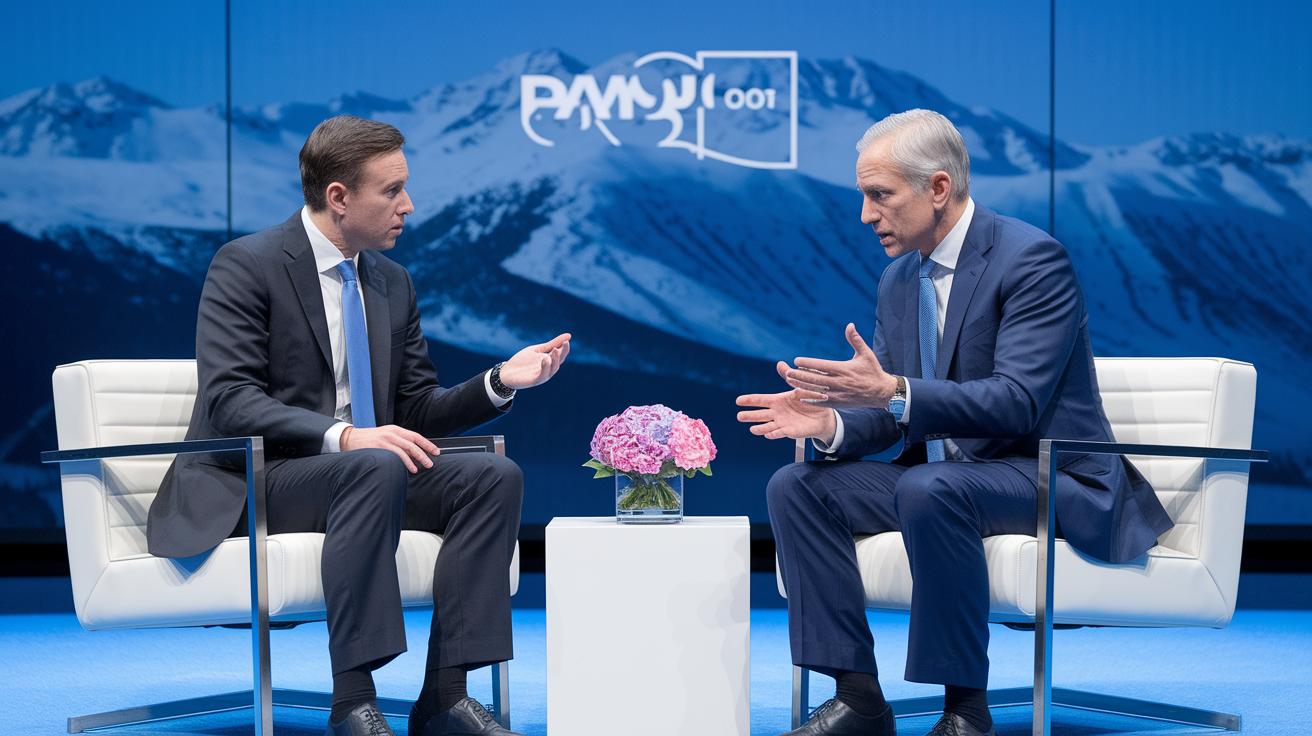
Every year in Davos, leaders from around the globe meet to discuss changes in how our economy works and to plan for international markets. At one key event, the Investment Outlook Session, top CEOs and heads of state gather to review market shifts and spot new trends. One executive explained, "Before finalizing a major deal, understanding the global trade discussions made all the difference."
These trade talks offer a space for discussing new tax plans and rules that shape markets worldwide. Leaders adjust fiscal policies and rethink strategies to grow their businesses abroad. They also look at how companies act responsibly and study new trends to find practical answers for reform and dealing with crises.
This careful approach means that every discussion helps give clear advice on handling risks and boosting investments across the world.
Strategic Initiatives and Global Programs under the World Economic Forum
The World Economic Forum starts programs that lead the way in sustainable development, digital change, and climate solutions. For example, the Global University Leadership Forum (GULF) began in 2006. It brings together 25 top universities from nine countries to boost research, scholarship, and global policy advice. One participant said, "Connecting with experts across borders sparked solutions that we never imagined." This shows how such programs renew academic energy and professional growth.
In 2008, the Forum also created the Global Agenda Council on Values to unite thought leaders from government, universities, and business. The council looks at the ethical sides of policies and builds stronger public-private partnerships. A council member noted, "Our discussions clarified how shared values can change digital transformation trends."
Another key project is the Future of Jobs report, which predicts shifts in the workforce amid fast technological changes. The report gives decision makers clear data to help them adjust training programs and support new career paths. One policymaker shared, "The report offered a practical roadmap for preparing our labor force."
Climate action plans based on ISO/TC 323 Circular Economy standards also play an important role. In addition, educational tools like the Knowledge Hub and Circular Economy Courses equip professionals with the latest skills to tackle global climate challenges and drive sustainable progress.
Historical Evolution and Leadership Impact at the World Economic Forum
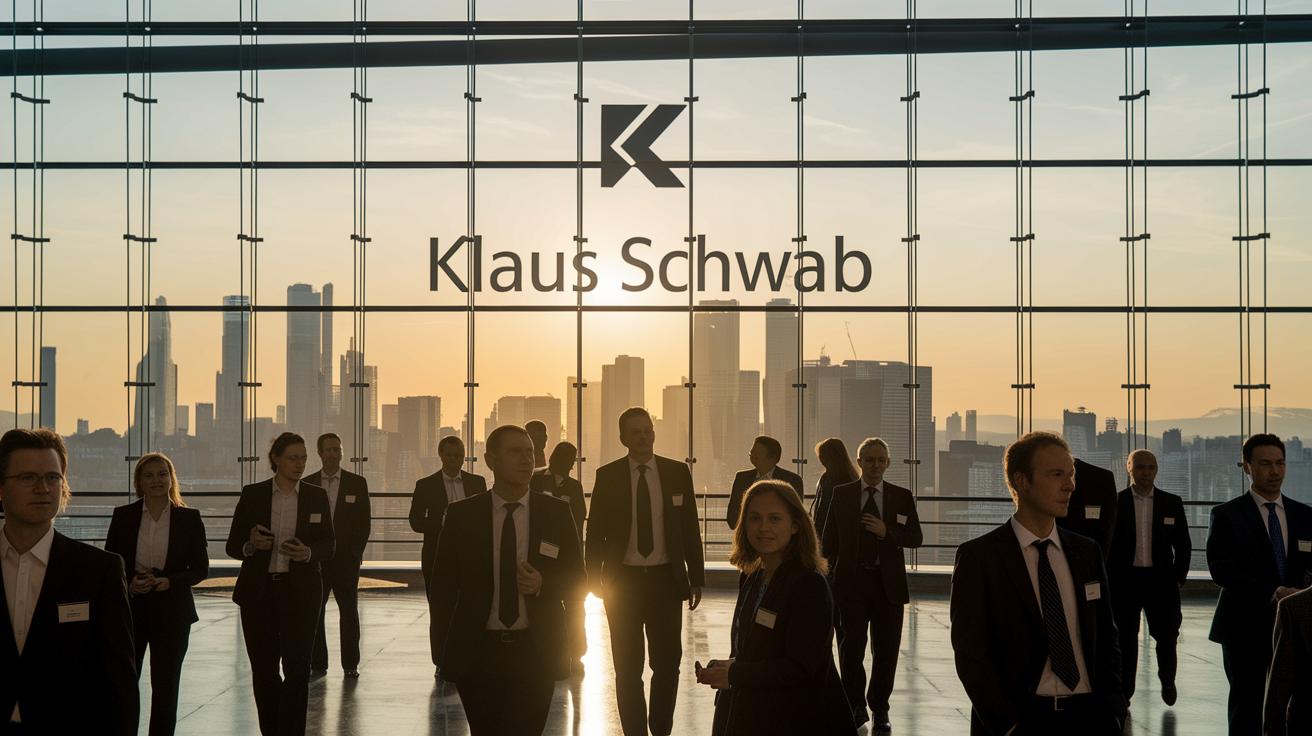
Klaus Schwab started the Forum in 1971 as a small European meeting for business leaders. He wanted to bring together smart people to share ideas. One early attendee said, "Klaus Schwab turned a small meeting into a hub where ideas transform industries."
The group grew from a few top executives to thousands of professionals from many different fields and cultures. The Forum's leaders have changed over time, with presidents and trustees coming from many areas. One leader noted, "Seeing executives from different sectors paved the way for balanced discussions," showing how important diversity is to the Forum.
The Forum changed from a focused meeting into a big network that welcomes all voices. Over the years, it has reached out to leaders from many regions and sectors that were once ignored. Today, the World Economic Forum mixes strong experience with fresh ideas to spark conversations that help move the economy and society forward.
Policy Dialogues and Economic Impact via the World Economic Forum
At the World Economic Forum, leaders from government, business, and universities gather to solve major economic issues. In Global Agenda Councils and roundtables, experts study trade policies and risks that affect global stability. One policymaker said, "Our shared discussions steer us toward more effective reform strategies," showing how these talks can lead to better solutions.
Sessions at the Forum focus on promoting international cooperation and evaluating geopolitical risks. Delegates look at how current market changes call for new crisis management plans. These meetings offer a space to test ideas on handling sudden economic shocks.
The Global Redesign Initiative is a key platform for public and private groups to work together on economic reform. Leaders use this forum to suggest recovery plans that fix weak points in global trade and finance. One participant explained, "We move from analysis to action, turning ideas into workable plans for recovery," highlighting the shift from discussion to real change.
After the sessions, policy briefs are created to build frameworks for global cooperation and resilience. These briefs provide clear recommendations that help governments and companies strengthen their defenses against future crises. They map out response plans that form a solid base for balanced strategies.
The Forum's work in policy dialogues not only strengthens crisis management but also builds a sense of shared global responsibility for economic reform.
Cross-Sector Partnerships and Collaboration at the World Economic Forum
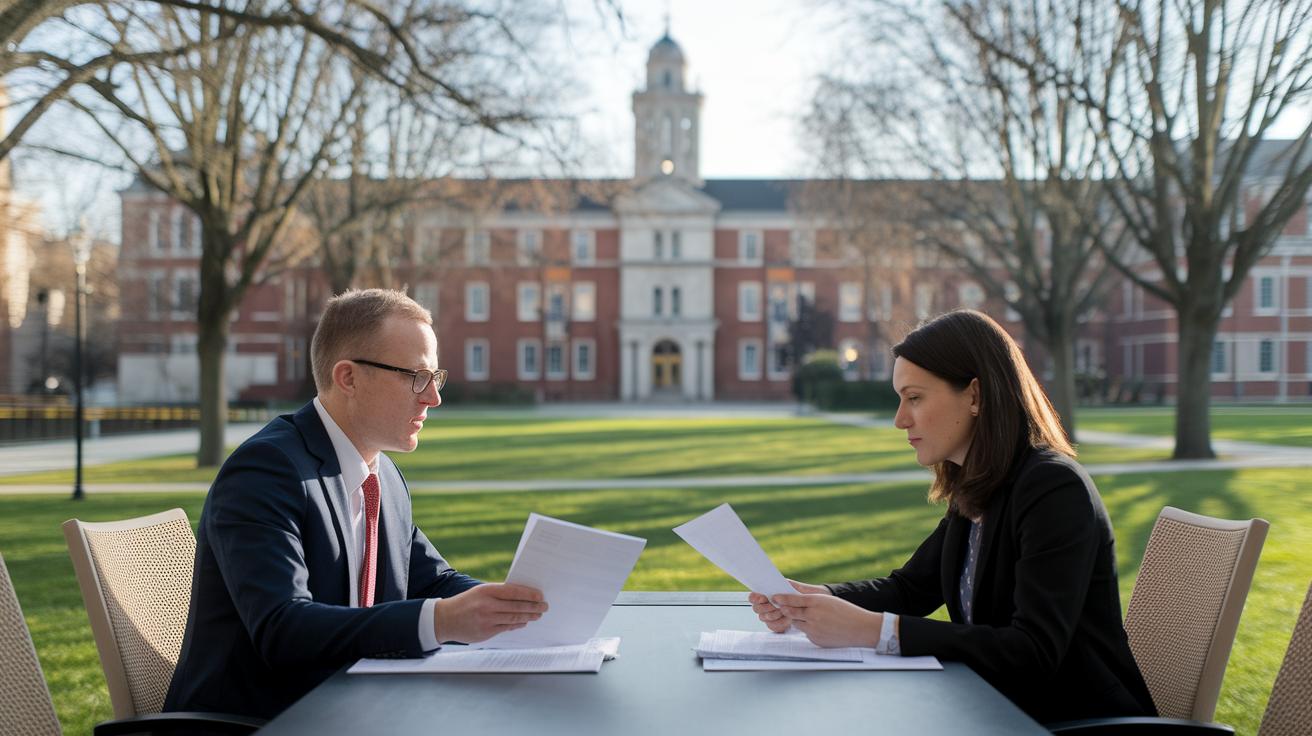
The World Economic Forum makes progress by bringing together experts from different fields to solve common problems. One clear example is its work with Georgetown University. In 2010, Georgetown signed the Sustainable Campus Charter to show its commitment to environmental goals and global policy. A university representative said partnering on the charter sparked ideas that helped tackle difficult sustainability challenges.
Also in 2010, the Forum supported a report called Faith and the Global Agenda. This effort united scholars, religious leaders, and policy experts to explore how faith can help steer economic recovery. Their discussion showed that mixing ethical ideas with practical steps can build a more balanced society.
Back in 2008, the Forum joined work on the Islam and the West: Annual Report on the State of Dialogue. This report looked at political, cultural, and social ties between Western and Muslim communities. Participants noted that blending academic research with local community work created a richer view of global relations.
The Global Redesign Initiative is another example of teamwork across different sectors. It welcomes input from academia, faith groups, government, and business to review and improve global strategies. The Forum shows that strong partnerships between the public and private sectors, along with cultural exchanges, are essential for global progress.
Research, Reports, and Impact Assessment from the World Economic Forum
The World Economic Forum releases key reports that shape global policy and business practices. Its Future of Jobs report takes workforce data and turns it into clear plans for skills and training. The Global Competitiveness report looks at market changes to help leaders see trends and challenges in economic performance. WEF also shares studies on the digital and circular economies through CE Stories and its Knowledge Hub. These studies serve as important tools for understanding social impact and guiding innovation.
One expert said, "The insights from the Future of Jobs report helped shape a national strategy for investing in education and technology." This shows how data becomes a plan that works in the real world.
The Forum's main research outputs include:
- Social impact studies that guide community and company projects.
- Innovation ecosystem studies that support investments in new technologies.
- Policy briefings with clear strategies for leaders.
- Future jobs forecasts that predict major changes in the workforce.
| Report | Focus Area | Impact |
|---|---|---|
| Future of Jobs | Workforce dynamics | Guides talent and training strategies |
| Global Competitiveness | Market evolution | Informs economic reform policies |
| Digital Economy Studies | Innovation ecosystem study | Highlights tech trend impacts |
Critiques, Challenges, and Future Directions for the World Economic Forum
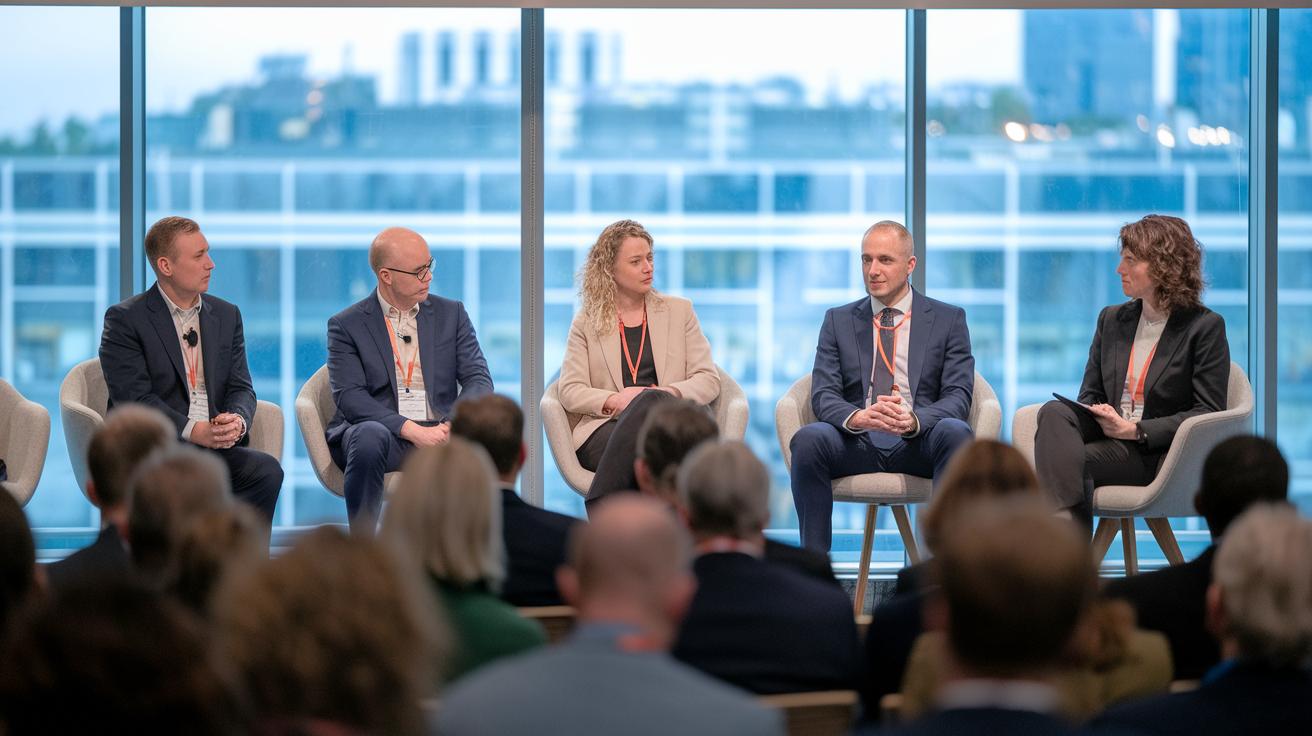
Some critics say the Forum struggles to balance business power with public needs. Others point out that the Forum lacks clear governance and often finds it hard to turn debate into real action. One critic said, "The push for reform often meets with resistance from entrenched interests." This shows that talks about diversity and ethics sometimes stop progress.
Key concerns include:
- Implementation: Many wonder if new reforms are working on the ground since changes often do not meet expectations.
- Governance: Some observers call for more open decision-making to reduce the influence of large companies.
- Investment: Analysts look at whether current rules help create a fair market.
- Reform: Experts question if new strategies can truly improve accountability and inclusion.
Many believe that new ways to measure impact could help both leaders and community members. They argue that stronger rules can lead to a fairer approach to ethical business. Moreover, calls for more public oversight and clear performance markers are growing. Such ideas could lead to a system that meets the needs of members while staying true to its goal of shared prosperity.
Final Words
In the action, the article mapped the World Economic Forum's mission and global influence. We covered how its governance and Davos sessions steer economic reform, trade policy, and market trends. The piece also reviewed major initiatives, cross-sector partnerships, and research reports. It examined leadership evolution and policy dialogue that shape strategic decisions. A positive view emerges, with the world economic forum remaining a crucial platform for guiding international agendas and sparking thoughtful, informed debates.
FAQ
What does the World Economic Forum actually do?
The World Economic Forum drives public-private cooperation by gathering leaders in government, business, academia, and civil society. It shapes worldwide and regional agendas through policy dialogues and its annual Davos meeting.
Who are the World Economic Forum members?
The World Economic Forum members include influential leaders from business, politics, academia, and civil society chosen for their ability to shape economic and social policies globally.
Where is the World Economic Forum headquartered?
The World Economic Forum is headquartered in Cologny, Switzerland. It operates as an independent international organization that fosters public-private cooperation around the world.
What is the World Economic Forum agenda?
The Forum’s agenda covers economic reform, digital trends, sustainable development, and global security. It sets the framework for discussions that help guide policies and innovation on various international issues.
What is the World Economic Forum 2025/2026 agenda?
The 2025 and 2026 agendas outline upcoming discussions on investment outlooks, technological changes, and economic reforms. These sessions aim to address emerging global challenges and foster proactive policy responses.
Who leads the World Economic Forum?
The Forum is led by a Board of Trustees with key roles including an Interim President and President Emeritus. Founder Klaus Schwab’s vision has been fundamental in guiding its growth and influence.
What is the World Economic Forum Agenda 2030?
The Agenda 2030 initiative aligns with sustainable development goals and promotes public-private partnerships to tackle social, economic, and environmental challenges on a global scale.
Is Elon Musk a member of the World Economic Forum?
Elon Musk is not officially listed as a member of the World Economic Forum, although he has participated in events and discussions related to its global initiatives.
What is included in the World Economic Forum Report?
The report includes analyses of economic trends, digital transformation, future workforce forecasts, and policy recommendations that help shape global business strategies and governmental policies.
What does the World Economic Forum logo represent?
The WEF logo represents the organization’s commitment to bridging public and private sectors. It symbolizes global collaboration and a forward-thinking approach to addressing economic and social development challenges.
How credible is the World Economic Forum?
The World Economic Forum is seen as credible due to its long history, diverse leadership, and reliance on data-driven research. Its discussions and reports influence major global economic and policy decisions.