Have you ever asked why people react so strongly to government choices? The mood of a country shows how citizens feel about new policies and social conditions. This public mood helps us see what challenges real people face and how policies change over time.
In this piece, we break down the idea and show how public feelings, policy shifts, and media trends work together. You’ll get a clear view of what factors shape our political scene today.
Political Climate Definition: Clear Perspective
The political climate shows the general attitudes, opinions, and conditions in a country or region at a specific time. It covers how people feel about government actions, party ideas, and the state of public institutions. This concept gives us a clear view of both the emotional and practical sides of politics as experienced by citizens.
Attitudes mean how people feel about their government and its policies, shaping their overall outlook. Opinions are the beliefs and judgments formed on political issues, often shaped by personal experience and media. Conditions refer to the real state of governance, including economic, social, and institutional factors that form a measurable political environment. Each part helps create the full picture of a nation’s political state.
A good definition matters because it offers a clear lens to interpret current events. Understanding the political climate can explain changes in media focus and shifts in policy, showing the key factors behind public discussion.
Core Factors that Shape the Political Climate
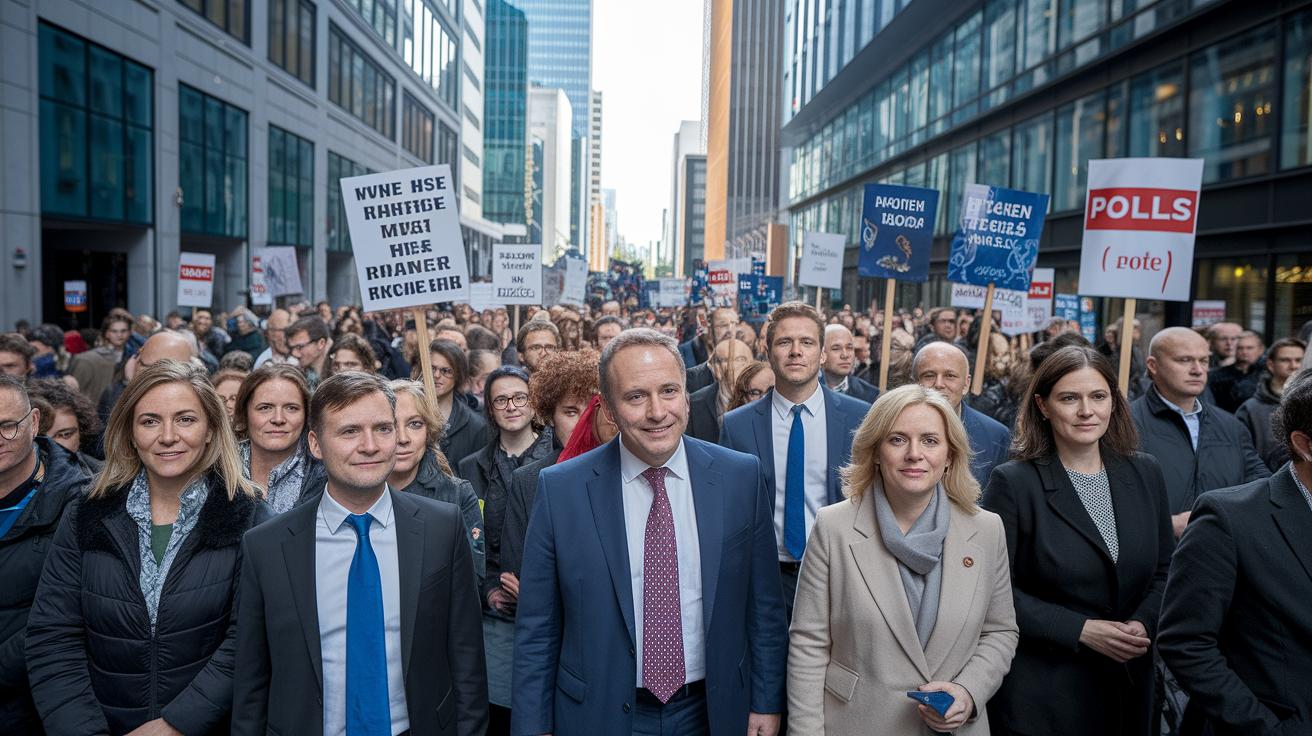
Public sentiment, party ideologies, and social movements drive our political scene. They decide which topics get attention and which policies build support. For example, a local vote saw opinion polls jump overnight, showing a quick change in mood.
These forces work together to shape how governments act and debate ideas. Studies tell us that breaking down big feelings into smaller parts can help us understand them better. For instance, a community's reaction to new laws often reflects both the ideas of its leaders and the energy of local protests.
| Factor | Description | Example |
|---|---|---|
| public sentiment | collective attitudes toward policies | approval ratings, opinion polls |
| party ideologies | core beliefs of political groups | left-right spectrum, platform pledges |
| social movements | grassroots activism and protests | civil rights, environmental rallies |
All these elements mix to drive political change. When public mood shifts, parties adjust their views. Lively social movements can speed up calls for reform. These combined effects set the news agenda and help guide how policymakers respond to the public’s demands.
How Key Events Transform the Political Climate
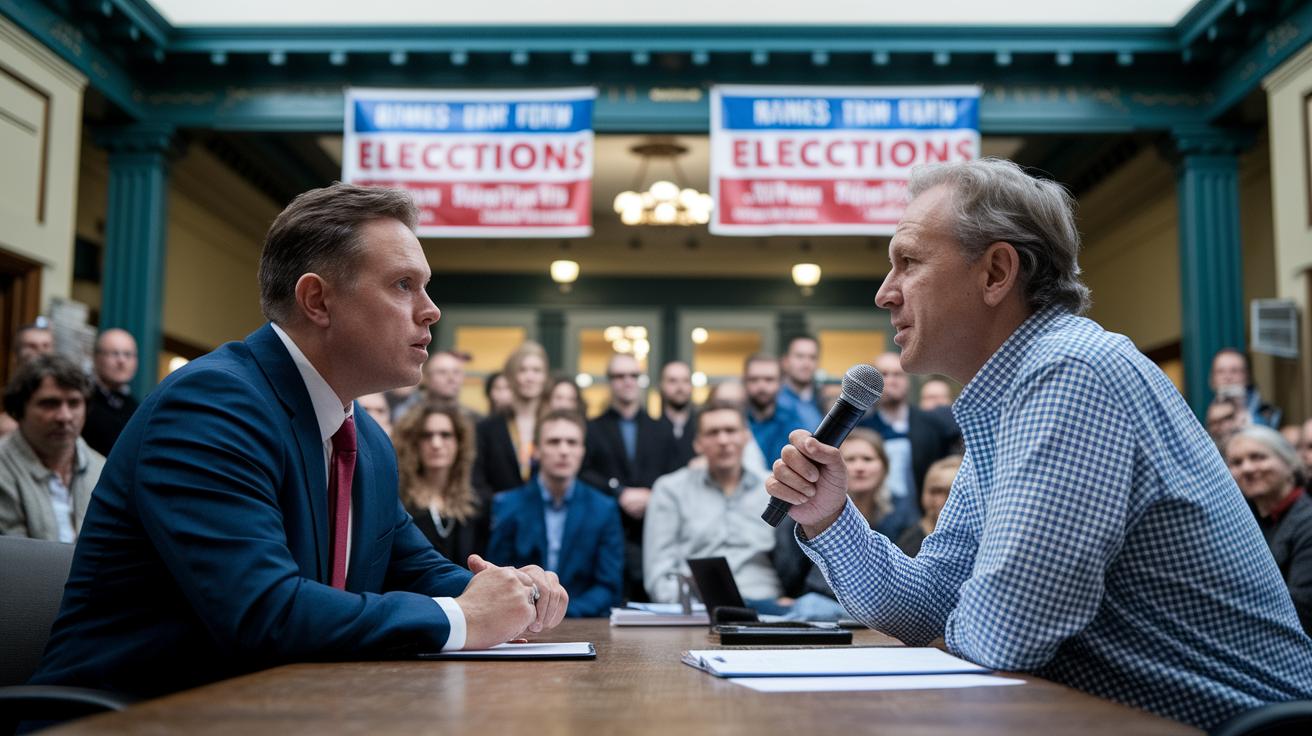
Big events can change politics fast. Elections, protests and new laws bring public discussion into the spotlight. When these events happen, they spark strong conversations in both the news and local communities. For example, a surprising election outcome can reveal deep divides and introduce fresh ideas about how a country should be run.
Elections
Elections can shift public opinion quickly. A close race might lead to new leaders and change the focus on important issues. When a long-standing party loses, it gives people a reason to question old ways and consider new solutions. In one small town, a historic upset made local citizens question their government and sparked lively debates.
Social Movements
Protests give everyday people a chance to be heard. When citizens take to the streets, they show their concerns and ask for change. A small issue can turn into a national conversation if enough people join in. Lawmakers might have to rethink their plans when these movements gain momentum.
Legislative Changes
New laws can reshape how we talk about government policies. When major reforms are introduced, communities start discussing them, with both supporters and critics weighing in. These changes often shift everyday conversations about what the government should prioritize.
Defining the Political Climate: A Clear Definition
Political climate is the public mood toward leaders, policies, and current events. We see it as a mix of attitudes, opinions, and living conditions. Recent studies show that changes in this climate can hint at trends, like shifts in voter turnout after economic changes.
Attitudes reveal if people back or oppose current rules. Opinions come from personal experiences and local news. Conditions are clear facts like economic performance and stability. For example, a recent local election survey showed a 15% change, pointing to growing anger with current policies.
This method of linking clear facts, event insights, and public feelings gives us a fresh view on how political climates can drive policy shifts and affect elections.
Core Factors that Shape the Political Climate
People's feelings, party beliefs, and social movements do more than show voter mood. They push policy and government decisions. Recent trends show that falling approval ratings and strong grassroots protests can drive fast changes. For example, after a financial crisis in City X in 2023, local protests led leaders to change fiscal strategies.
| Factor | Description | Example |
|---|---|---|
| public sentiment | shared feelings on policies | approval ratings, opinion polls |
| party ideologies | key beliefs of political groups | left-right spectrum, platform promises |
| social movements | community actions and protests | civil rights, environmental rallies |
These factors work together in a lively social and political mix. Strong party beliefs can spark intense debates during tough times, while protests may force quick policy reviews. Consider this surprising fact: in one small town, a single protest set off changes that reshaped land use laws across the state. New studies, like those on environmental campaigns affecting energy rules, show that a closer look at these drivers helps us understand how government views can change in real time.
How Key Events Transform the Political Climate
Big political events can quickly change the way people talk and think about issues. They push citizens to reconsider policies and spark new conversations in both small towns and big cities.
Elections
Tight races make voters take a closer look at each party's strengths and plans. Studies show that a small vote gap can shift campaign messages and increase voter interest. For example, one election saw a 2% difference that broke long-standing voting habits and sparked fresh local talks.
Social Movements
Well-organized protests can change the public focus in no time. Research finds that online networks help spread local demands, turning small issues into matters of national concern. In one case, a protest in a small town led local leaders to quickly review their policies.
Legislative Changes
When new laws are introduced, people quickly assess how the government is performing. Recent studies show that big changes in law prompt a fast review of public priorities, pushing officials to adjust their plans based on what citizens say.
Impact of Political Climate on Media, Policy, and Public Perception
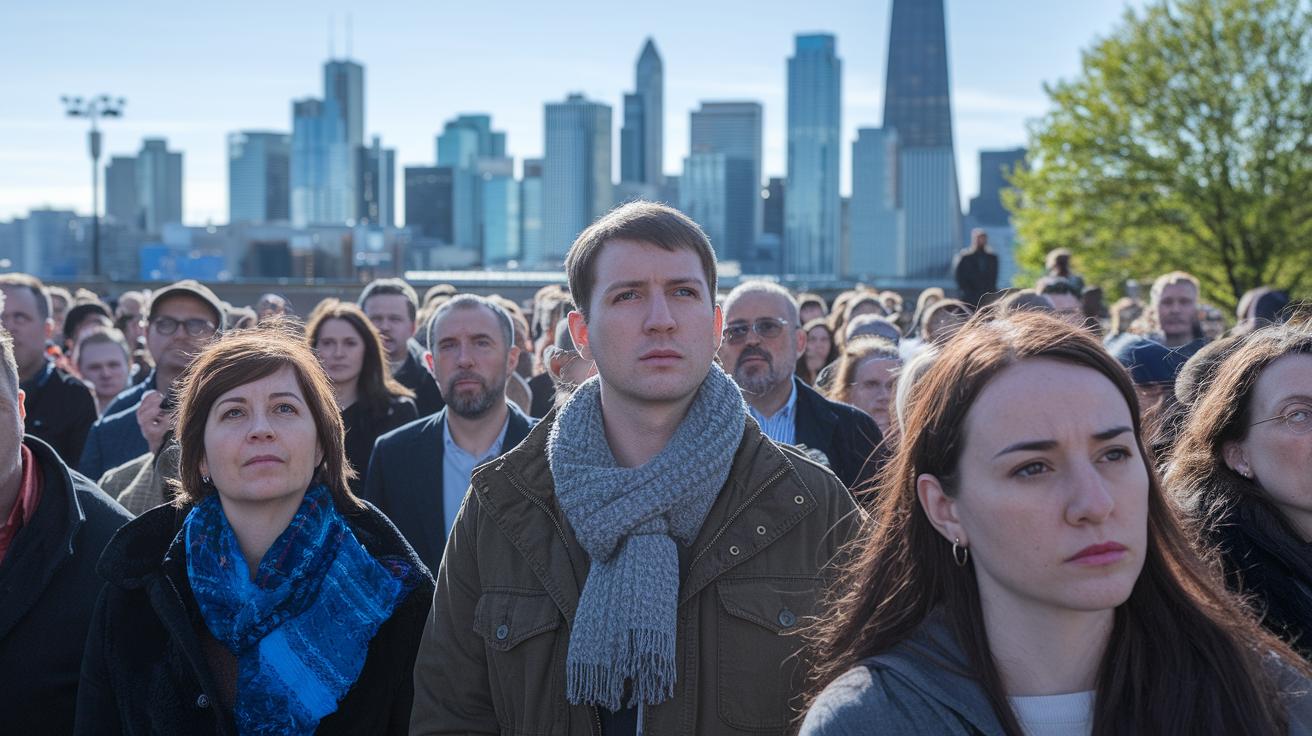
Media outlets track how people feel to decide what to cover. They use surveys and direct reader feedback to choose headlines that match public reactions. For example, one survey found that 73% of voters say news headlines shape their view of policy changes.
Lawmakers also watch public reactions through protests, surveys, and online comments. They use this information to change tactics and adjust their plans. Rising voter frustration, for instance, has made some officials change budget priorities to better meet community needs.
- Setting headlines and choosing stories
- Adjusting legislative plans
- Boosting business confidence
- Increasing civic involvement
- Shaping protest narratives
- Explaining violent events
These points show that public moods influence news stories and government decisions. The political climate is a blend of citizen voices and official responses.
Historical and Global Perspectives on Political Climate
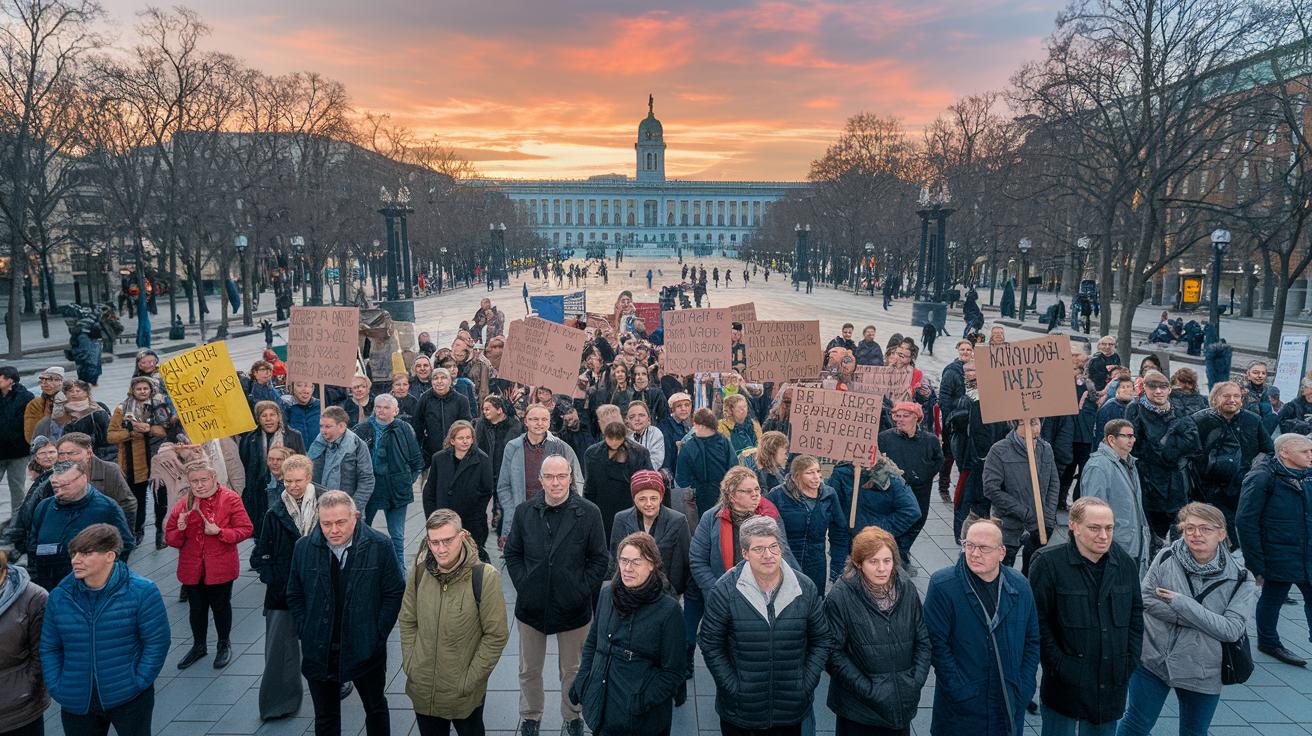
Academic studies from AP Human Geography updates (September 2025) use the term political climate to study how governments and public opinions align. Scholars look at how changes in people's views mix with shifts in government, offering clues about both local and global trends.
Historical changes in different regions show clear differences. In Scandinavia, slow and steady reforms often come with consensus and gradual policy updates. In emerging democracies, quick shifts in power have sparked strong debates and fast policy changes. Local protests, for example, can signal a larger change in the way governments work.
Public mood varies by country. In some places, long-held traditions and strong community ties create steady political views. In other regions, changes in social values and economic conditions make public opinions more unpredictable.
Looking at the global picture deepens our insight. Comparing reforms in established democracies with rapid changes in newer ones shows how many factors shape a government. This wider view helps explain how local actions are influenced by global trends and why studying these shifts is valuable for managing change today.
Final Words
In the action, this article defined the political climate definition as the mix of public attitudes, opinions, and everyday conditions that shape government actions and social trends. It broke down civic factors like collective sentiment, party ideologies, and grassroots protests. Key events and global case studies further showed how these elements interact to influence media and policymaking. The insights gathered offer clear guidance for spotting risks and opportunities. We finish on a positive note, armed with actionable takeaways for making informed decisions.
FAQ
What is a political climate example?
A political climate example shows how current events reflect public attitudes. For instance, protests against proposed laws can illustrate shifts in government priorities and public sentiment.
What is a political climate synonym?
A political climate synonym is “political atmosphere.” It describes the overall mood and conditions regarding government actions and public opinions.
What does political climate today mean?
Political climate today refers to the current public feelings and attitudes about government actions and policies. It captures the dynamic social and political mood influencing public discourse.
What is a political climate definition for kids?
A political climate definition for kids explains that it is how people feel about rules and leaders, similar to describing nice or stormy weather in the government world.
How can you use political climate in a sentence?
Political climate in a sentence can be: “The political climate improved after people worked together to support new policies that benefited the community.”
What is the political climate meaning in business?
Political climate meaning in business highlights how government policies and public opinions affect companies and investments. It shapes market conditions and business strategies.
What does political climate change refer to?
Political climate change refers to shifts in public attitudes and government conditions. For example, elections or major reforms can quickly alter how people view political leadership.
What is the economic climate definition?
Economic climate definition explains the overall state of an economy, including job levels, business confidence, and growth trends. It guides decisions for businesses and policymakers.
What is the political climate in the US?
The political climate in the US reflects ongoing debates, partisan divides, and public reactions to government policies. It influences media narratives and legislative strategies across the nation.
What does the definition of climate politics mean?
The definition of climate politics means the way governments debate and decide on policies related to climate issues, mixing environmental topics with political discussion.
What is the definition of social climate?
The definition of social climate refers to the collective mood and social interactions within a community. It encompasses cultural, political, and economic attitudes affecting everyday life.
What constitutes a stable political climate?
A stable political climate signifies a consistent environment where government policies and public sentiments align, promoting predictable decision-making and reduced political turbulence.