

Imagine one small mistake costing millions in trade deals. Global trade law connects local rules with deals worldwide. These rules keep companies, governments, and traders working together. In this piece, we'll cover new legal updates that change tariffs, safety standards, and more. These updates help create a clear and stable way to trade across borders. Let's see how these changes aim to make global trade fairer and more predictable.
Comprehensive Overview of International Trade Law
International trade law sets the rules that guide trade between countries. It uses both domestic laws (local rules) and treaties (agreements between nations) to build a clear framework for global commerce. This structure helps businesses and governments know what to do when trading across borders. For example, a manufacturer must follow local laws and international agreements when exporting goods.
Trade law covers many areas. Tariffs, which are taxes on imported or exported items, help protect local industries. Import and export controls use tools like licenses, quotas, or bans to address issues such as national security, environmental safety, and public health. Customs procedures make sure that inspections, paperwork, and duty assessments are done correctly. Trade sanctions and embargoes work to change a country’s behavior if its actions threaten peace or stability. In addition, product standards and safety rules ensure that goods meet the right health, safety, and environmental criteria when they enter a new market.
When a company faces delays because its products do not match international safety standards, it shows why understanding these rules is so important. Overall, international trade law links domestic regulations with international agreements to create a fair and stable trading environment in today’s complex global market.
Key Principles and Frameworks in Global Commerce Law
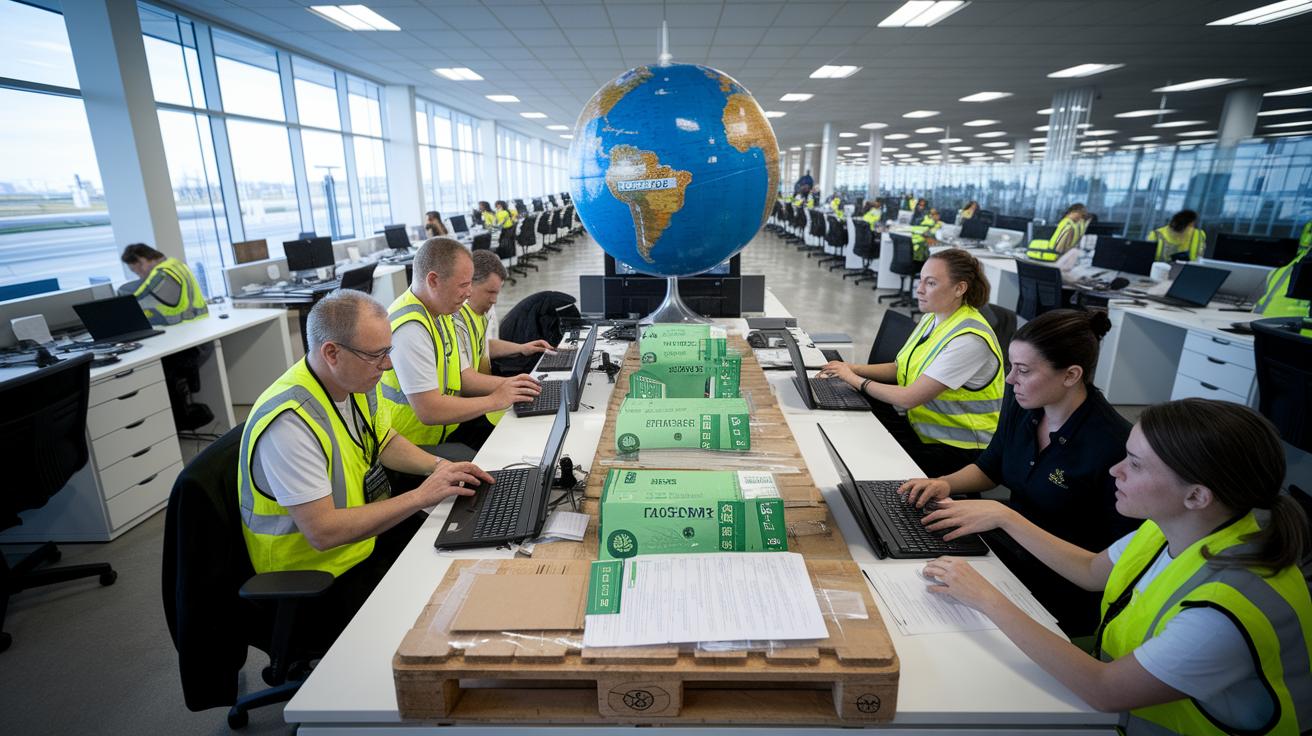
Trade rules are designed to meet clear policy goals while balancing local needs with global business. New methods focus on streamlining paperwork and using smart screening along with classic practices. Tariffs help boost local production and government funds, while import and export controls now include updated licensing to tackle new security and health issues.
Customs procedures are regularly improved to speed up cargo checks. This makes sure shipments follow current rules through efficient paperwork and inspections. Trade sanctions still play a key role in influencing international actions, and higher product standards work to keep consumers safe and confident in global trade.
| Regulatory Area | Purpose |
|---|---|
| Tariffs and Duties | Boost local industries and collect government funds |
| Import/Export Controls | Handle safety, environmental, and health issues with licenses and quotas |
| Customs Procedures | Ensure smooth trade with updated paperwork and inspections |
| Trade Sanctions and Embargoes | Shape international actions by controlling trade with specific entities |
| Product Standards and Safety | Protect consumers and maintain quality in global markets |
Analysis of Key Multilateral Agreements and WTO Jurisprudence

Recent events have many people asking if long-standing deals like the GATT/WTO, the USMCA (United States-Mexico-Canada Agreement, formerly NAFTA) and the CPTPP (Comprehensive and Progressive Agreement for Trans-Pacific Partnership) still work well. In 2016, the Brexit vote shocked trade expectations and sparked talks about strict legal rules. This vote and the collapse of parts of the TPP have led to new debates on whether these pacts fairly share trade benefits.
The end of the Trans-Pacific Partnership clearly showed the weak side of global trade treaties. When President Trump came into office, his changes to U.S. trade policy made many question if the WTO could effectively settle disputes and enforce rules. Some experts say these shifts mean we need to completely change international trade deals, while others believe using domestic policies is the best way to share benefits. Still, others suggest we should tweak the existing treaties.
Talk now focuses on whether WTO law can adapt to new challenges. Many closely watch to see if the organization can deliver fair results as politics and economies change. Whether the issue comes from Brexit or shifts in U.S. trade policy, each case highlights the growing challenge of balancing national goals with international rules. Legal experts around the world continue to monitor these changes as global trade evolves.
Mechanisms for Dispute Resolution in Cross-Border Trade
International trade lawyers help enforce rules by working with bodies like the U.S. International Trade Commission and panels set up by the World Trade Organization (WTO). They investigate issues, handle voluntary disclosures, and build legal plans to solve disputes over tariffs, subsidies, and cases of non-compliance. They work with both local legal systems and international processes to settle conflicts that cross borders.
Trade disputes often follow clear steps. Companies may go through administrative reviews by government agencies. When disagreements arise between governments and foreign investors, they sometimes turn to arbitration panels. WTO panels also provide a fair and structured process for cases involving global trade rules.
Key ways to resolve trade disputes include:
- WTO dispute settlement panels that review and settle cases based on international agreements.
- Investor-State arbitration forums that resolve conflicts between foreign investors and host governments.
- Administrative remedy proceedings that allow for early, domestic dispute resolution through state agencies.
These methods help clear obstacles in global trade and ensure that rules keep pace with changing regulations.
National Regulations: Export-Import Rules and Customs Compliance
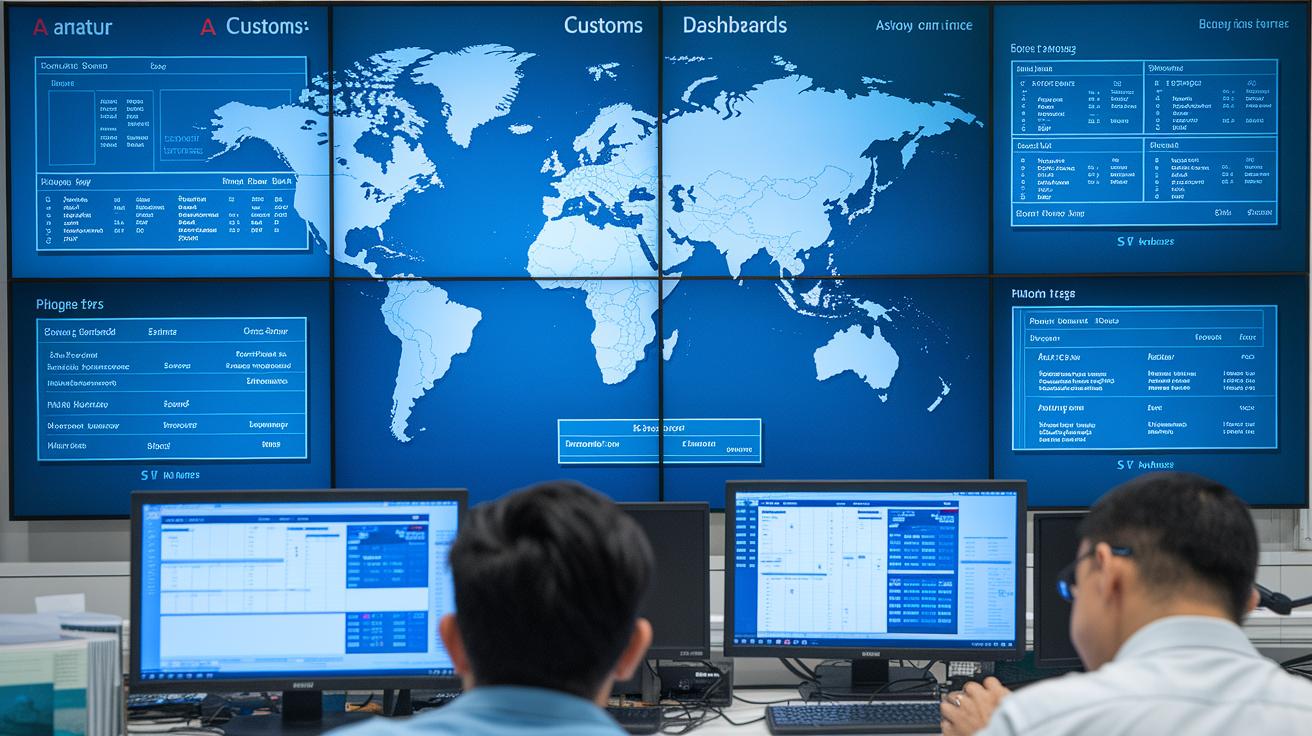
Several nations now use digital systems alongside regular tariffs and duties. They track documents online to speed up the process. For example, one country in Asia updated its customs by using automatic inspection tools. This change cut processing delays.
One business even avoided fines by switching to an online certification system. Digital logs replaced paper forms. As a result, compliance issues fell and approvals came faster.
Some regions now update export licenses on the fly by connecting them to live safety and environmental checks. One manufacturer showed its competitive edge by presenting a digital record of safety tests. This set it apart from others that faced trade sanctions.
| Practice | Unique Insight |
|---|---|
| Tariff Adjustments | Digital tracking helps lower risks by watching market trends |
| Export Licenses | Real-time checks make approvals faster and clearer |
- This method cuts out extra steps found in everyday import and export talks.
- It shows clear ways to boost a nation's trade edge.
Emerging Challenges and Reforms in International Trade Law
The Brexit referendum, TPP withdrawal, and changes in U.S. policy have shaken up current trade rules. Many say globalization has not helped everyone equally. One expert noted that when old trade rules failed, people wondered if local policies alone could set things right. These debates show a strong need to update rules to cover digital regulations and environmental standards.
Digital regulation now affects nearly every step of cross-border trade. Automated customs checks and real-time compliance measures help goods move smoothly. Governments are scrapping old standards to create rules that manage online market activities. At the same time, growing environmental concerns drive efforts to add strict safety and climate rules into trade agreements.
Nations are also rethinking sanctions. They are reviewing controls over risky entities, which changes global legal strategies. Lawmakers face mounting pressure to build legal frameworks that deal with digital, environmental, and sanction issues all at once.
- Global challenges spark talks on balancing local and international interests.
- Digital rules need clear and fast guidelines.
- Environmental worries and sanctions call for full legal reform.
Case Studies in International Trade Disputes

Brexit's Article 50 case sparked many legal battles between national courts and long-standing EU treaties. One expert said Brexit's legal fight showed how a sudden political decision can disrupt well-established legal norms. This case teaches us that disputes can force courts to rethink treaty duties as politics change.
The collapse of the Trans-Pacific Partnership after the U.S. withdrawal is another clear example. Political shifts unraveled a long-term multilateral agreement, revealing gaps in treaty enforcement. One legal analyst noted that when a major country leaves, the pact's trust is shaken, showing how market changes can lead to fast reviews of international agreements.
After the 2016 U.S. election, new Section 232 steel tariffs were set to protect national security. This action led to challenges at the World Trade Organization and put stress on established dispute resolution methods. It serves as an example of how domestic policy decisions, even when they claim to safeguard national security, can spark global legal examinations.
These cases show that changes in politics and security measures can deeply impact how treaties are interpreted and enforced. Each dispute offers important lessons on how legal rules must adapt to shifting economic and political landscapes.
Final Words
In the action, the article explored the core elements of international trade law. It highlighted the rules governing trade, the five key regulatory areas, and key multilateral agreements shaping global commerce. The discussion also covered dispute resolution methods, export-import regulations, and emerging challenges demanding modern reforms. Each section tied together to create a clear picture of how international trade law influences policy and market dynamics. The analysis leaves readers with a practical view of complex issues and a positive outlook on the evolution of global trade frameworks.