Can a divided society spark positive change? When political views force groups to see each other as evil, people start to rethink how they connect. Almost 50% of citizens once believed their opponents were completely wrong, showing a clear gap in opinions. This split can be tough, but it might also spark ideas to build bridges and try new approaches in politics and daily life. We look at how this divide could lead to changes that benefit everyone.
Comprehensive Overview of Political Polarization
Political polarization means that people's views on issues and candidates are growing more extreme and divided. It happens when people not only disagree but also see those who disagree as morally wrong. Imagine if half the population believed that those who oppose them are not just mistaken but harmful. This idea sets the stage for our look at the political divide.
Nearly 50% of Americans from the two major parties once thought that their opponents were evil. This poll result shows a deep split in US politics. When one side is seen as morally wrong, compromise becomes rare and public debates turn into personal attacks. This growing divide is more than a difference in opinion; it is a gap that makes working together very hard.
Since the 1990s, researcher James Adams has noticed a strong rise in what he calls affective polarization (intense dislike for members of the opposing party). His work shows that party identity is becoming a personal issue, which quickly breaks down trust between groups. Understanding this shift is important because it affects how decisions are made in government and everyday life.
Historical Roots and Evolution of Political Polarization
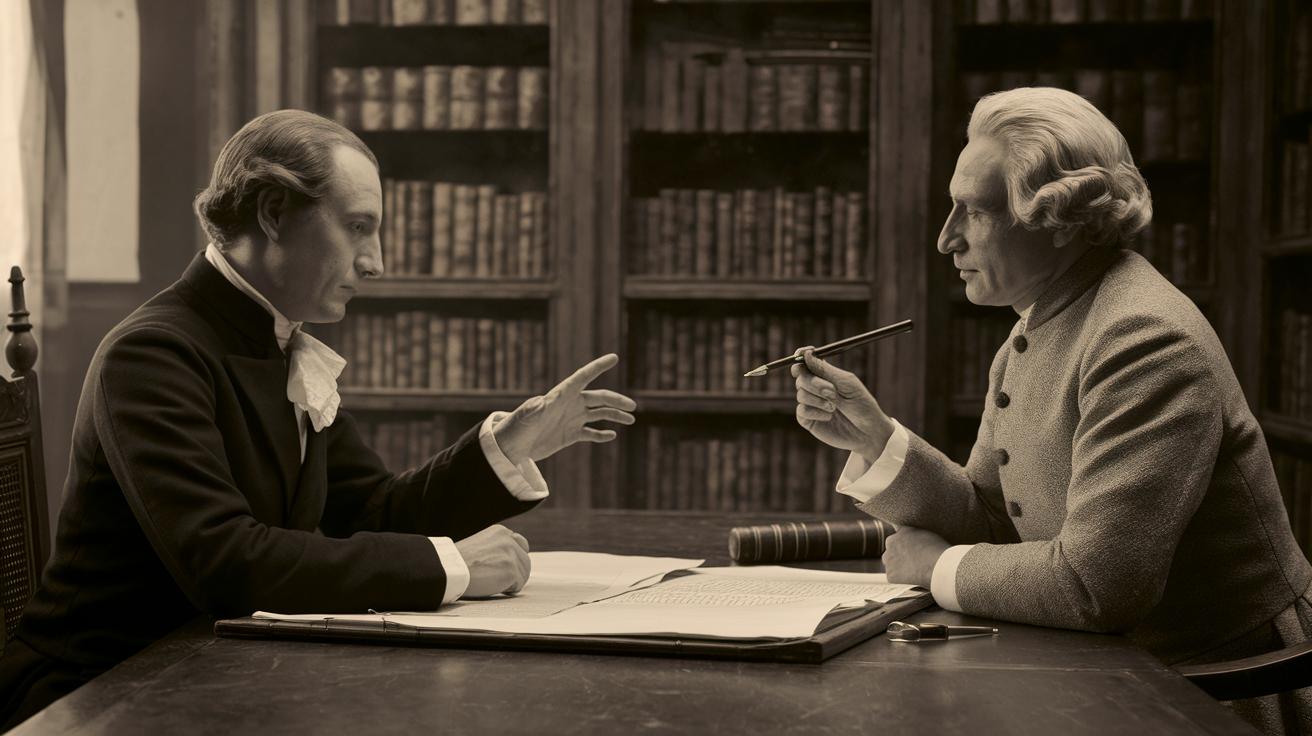
Long ago, leaders and thinkers argued over power and responsibility. Their early disagreements grew as more people joined the discussions and ideas spread.
During the Enlightenment, philosophers pushed for clear thinking and tolerance. John Locke and Voltaire, for example, promoted open debate and respect for different views. They believed that reason could solve conflicts. This idea of tolerance has shaped political traditions and decision-making ever since.
In early American politics, leaders and their followers often clashed over what the new nation should look like. These partisan conflicts hinted at deeper splits in the future.
Today, US politics show a clear split that reflects these historical roots. What began as thoughtful debate has transformed into fierce partisanship. Understanding these origins may help us find ways to bridge the divides in American politics.
Political polarization Inspires Constructive Societal Change
A study by researcher James Adams looked at over 80 national election surveys done between 1996 and 2017 in 19 Western democracies. His research shows that political polarization has deep-rooted causes, linked to major economic and political changes. These changes are behind the growing split in views in the United States today.
The study points to several key factors that drive these ideological divides:
- Income inequality: A growing gap between the wealthiest and everyone else can fuel resentment and mistrust.
- Economic recession cycles: Economic downturns often heighten stress and widen community divides.
- Immigration and demographic change: Fast changes in population can spark cultural tensions.
- Winner-take-all electoral systems: Systems that favor one party over compromise can boost extreme political positions.
Each factor plays its own role in increasing the division in American politics. Income inequality can leave many feeling ignored, which pushes some toward extreme views. Economic recessions create fear and uncertainty, further dividing communities. Shifts in immigration and demographics may lead to cultural clashes that harden party lines. And systems that do not allow for balanced choices can stop groups from finding common ground. Understanding these root causes is critical for realizing how current polarization could eventually lead to constructive changes in society.
Social Media’s Partisan Role in Political Polarization

Platforms like Facebook, Twitter, and YouTube can turn into echo chambers where users see mostly the views they already hold. Their algorithms show content that matches what you already believe. This limits exposure to other ideas and can push people toward more extreme opinions. For example, someone who follows a lot of conservative posts may get a feed filled with similar views, leaving little chance for balanced discussion. This narrow focus speeds up the divide in US politics.
Research shows that these algorithms feed users the same ideas repeatedly. Studies, including those in Breaking the Social Media Prism, find that this cycle creates a split in political views. As users see only one side of the story, it becomes harder to reach a compromise. These echo chambers narrow what individuals see and widen political differences across the country, often leading to deep political hostility.
Impact of Political Polarization on Democratic Governance and Society
Our divided politics now put our democratic system at risk. Lawmakers often cannot reach agreement as both sides stick to fixed views. When hard divisions block decisions, urgent issues go unresolved despite public need. Experts like James Adams say today's toxic climate is like a high-speed crash waiting to happen. These trends weaken decision-making and hurt the very base of our democracy.
The deep split in views also erodes trust among citizens and increases social rifts. Many now see opposing opinions as simply wrong, which hurts confidence in government and public offices. This persistent mistrust makes it harder for leaders to hear and address public concerns. With community bonds weakening and debates turning personal, political fights spill over into neighborhoods and workplaces. When people no longer share common values, cooperation grows scarce.
Polarization also drags down civic engagement and fuels gridlock. Many feel that their opinions are lost in a cycle of extreme partisanship. This cycle replaces constructive debate with constant criticism. In time, the ongoing partisan battles leave democratic governance faltering and important policies stuck.
Pathways to Reconcile Divided Views and Reduce Political Polarization
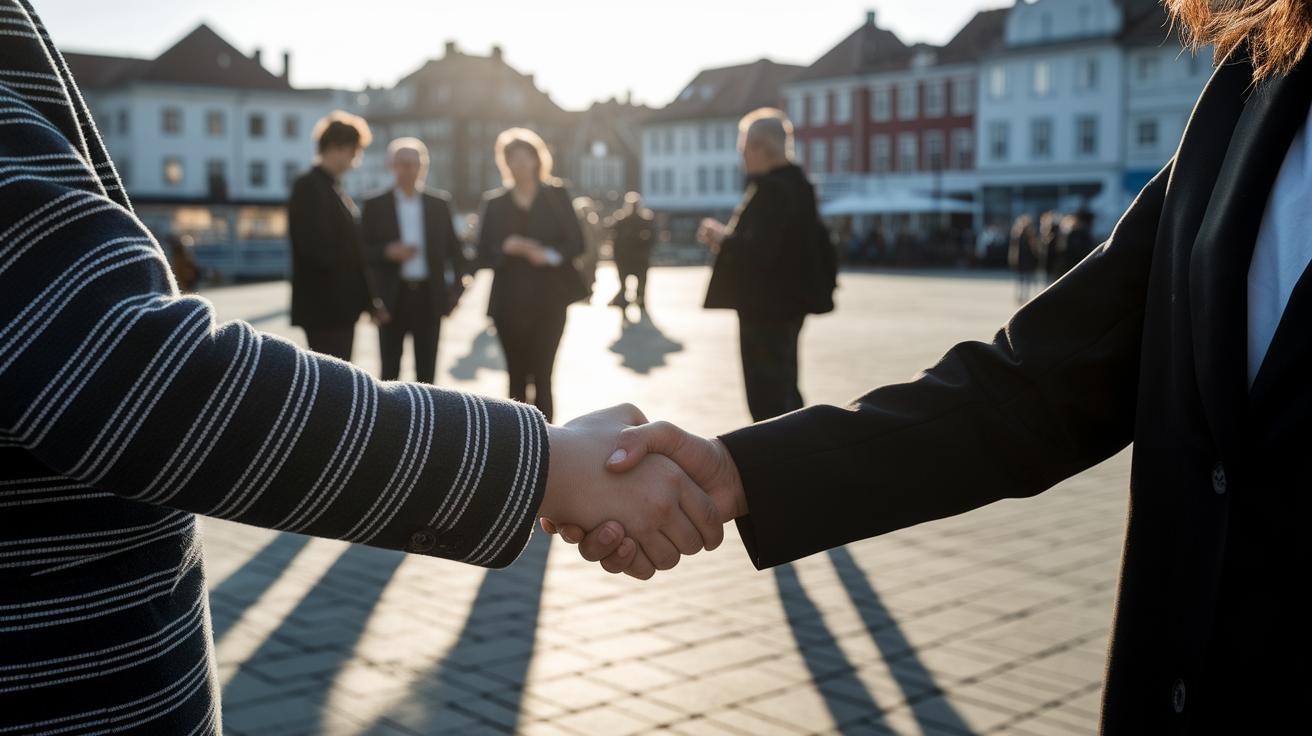
Research shows that forgiveness models can heal deep political divides. In Colombia's long civil conflict, people healed by letting go of past hurts and embracing forgiveness. The Truth, Racial Healing & Transformation (TRHT) movement, launched in 2016, uses community-based methods to build trust and spark dialogue. One town even saw old feuds ease when small groups came together to share personal stories. These efforts offer clear plans to lower tension and mend old divisions.
In the US, intellectual humility and guided talks help bridge the ideological gap. After the January 6 events, moderated forums allowed former opponents to ask tough questions and challenge each other's views respectfully. This process reminds everyone that no single group has all the answers. When people start questioning their own ideas, it helps ease the personal anger behind political rifts. Each honest conversation moves us closer to understanding.
Policy changes can also narrow ideological divides and boost bipartisan cooperation. Leaders can hold regular discussions and joint problem-solving sessions, much like workshops that spark new ideas across party lines. Backing educational programs on political ethics, clear policymaking, and public accountability can mend long-held distrust in institutions. These actions help create an environment where open policy debates lead to lasting solutions that replace deep partisan standoffs.
Final Words
In the action, this article examined political polarization from its roots to today’s sharp ideological splits. It reviewed historical views along with recent data showing how economic and social factors and social media shape US divides.
Key drivers such as income inequality and winner-take-all rules were highlighted. Practical approaches for bridging gaps and restoring trust in democratic institutions were also explored. The analysis leaves us with cautious optimism despite challenges in political polarization, urging stakeholders to act with clarity and resolve.
FAQ
What are some political polarization examples?
Political polarization examples include stark contrasts in media preferences, voting behaviors, and public opinions that highlight the growing split between opposing political groups.
How is political polarization defined in the United States?
Political polarization in the United States describes a deepening ideological rift between Democrats and Republicans, marked by sharp disagreements and mutual distrust that impact policy and public trust.
What causes political polarization?
What causes political polarization is a mix of factors such as income inequality, economic recessions, immigration pressures, and winner-take-all electoral systems that intensify party differences and public hostility.
What does the term ‘political polarization Reddit’ refer to?
Political polarization Reddit refers to online discussions on the platform where users share insights and data on growing ideological divides, reflecting broader trends seen in American partisan splits.
What do political polarization statistics show?
Political polarization statistics show an increase in partisan mistrust and division, with figures indicating nearly 50% of supporters viewing opponents as fundamentally different or even dangerous.
What is a synonym for political polarization?
A synonym for political polarization is an ideological divide or partisan split, referring to the clear separation between opposing political views and groups.
How might a political polarization essay be structured?
A political polarization essay might explore historical roots, economic and social drivers, media influence, and the resulting impact on governance, offering a broad look at how divides have deepened over time.
What does political polarization look like in 2025?
Political polarization 2025 examines trends suggesting that without changes, divisions will deepen further, affecting policymaking and social unity as ideological differences continue to widen.
What is meant by political polarization?
What is meant by political polarization is the process where political groups or ideologies grow further apart, leading to increased distrust, limited dialogue, and challenges in reaching bipartisan solutions.
Can you provide more examples of political polarization?
Examples of political polarization include contrasting debates in Congress, divided news consumption habits, and online forums where extreme views prevail, all highlighting the challenges of finding middle ground.
What is polarization in simple terms?
Polarization in simple terms means people or groups split into two distinct, opposing camps, often making compromise difficult due to entrenched beliefs and limited communication between sides.
Why is the US so politically polarized?
The US is so politically polarized because factors like economic inequality, rapid demographic changes, and the role of modern media have deepened partisan divides, resulting in heightened hostility and reduced cooperation.