

What makes nations work together? International law uses treaties (formal agreements) and deals to set clear rules for all countries. These rules help keep order, protect rights, and settle disputes neatly. In this blog, we explain how these laws build a fair framework and promote unity across borders.
Foundations and Scope of International Law
International law is a system of treaties and formal agreements that guide how countries interact. It sets clear rights and duties for nations and creates a framework for global relations. Its goal is to make sure that countries follow simple protocols when dealing with one another.
This branch of law works beyond the rules that only apply inside a country's borders. It offers guidelines that help manage interactions on a global scale and promotes order and cooperation among nations with different legal systems and interests.
- It regulates how states behave.
- It protects human rights.
- It controls the use of force.
- It helps build and honor treaties.
- It resolves disputes.
- It coordinates cross-border cooperation.
Public international law covers the rights and responsibilities that governments have toward each other. It sets rules for area such as trade, security, and diplomacy. Private international law, by contrast, deals with problems that come up when people and businesses face conflicts across borders. This part of international law helps decide which nation's rules should apply, ensuring that legal issues are resolved smoothly and fairly.
Historical Evolution and Landmark Treaties in International Law

In 1648, the Peace of Westphalia changed global politics by starting treaty-based rule. This treaty let nations agree on shared rules and helped define state rights with written promises. It showed that clear written agreements could calm even the roughest political times. For instance, before modern diplomacy took shape, Westphalia changed how countries respected each other's borders and rights.
| Treaty | Year | Main Focus |
|---|---|---|
| UN Charter | 1945 | Global peace and security |
| Geneva Conventions | 1949 | Humanitarian law in conflicts |
| Vienna Convention on the Law of Treaties | 1969 | Treaty formulation and interpretation |
| United Nations Convention on the Law of the Sea | 1982 | Maritime rights and dispute resolution |
| Paris Agreement | 2015 | Environmental commitments |
These treaties tell a clear story. At first, they dealt mostly with land disputes and state power. Over time, they grew to cover human rights, the environment, and peaceful solutions to disagreements. Today, deals like the Paris Agreement push countries to act for our shared future and protect our planet. Each treaty builds on the last, helping create a world that is more connected and orderly.
Core Principles and Sources of International Law
International law stands on a few basic ideas that shape how countries interact. One key idea is state consent. This means countries agree to follow the rules they make together. The phrase pacta sunt servanda (agreements must be kept) shows that once a country signs a treaty, it must honor its promises. Sovereign equality means every nation, big or small, holds the same legal rights. Non-intervention stops countries from getting involved in each other's internal matters. For instance, when two nations sign a treaty, their mutual agreement ensures both share the same duty to follow the rules, helping maintain a balanced global order.
Treaties are the backbone of international law. Countries use written agreements to set clear rules for their actions. Article 38 of the International Court of Justice lists treaties as one of the main sources of law. Treaties guide nations on issues like diplomacy, trade, and conflict resolution. They work like contracts between countries, clearly stating duties and expectations. For example, the Treaty of Westphalia set a model for modern diplomacy by showing that written agreements can firmly establish the rights of sovereign nations.
Customary international law and other supplementary sources also help shape global law. Over time, regular practices by states turn into unwritten rules that fill gaps where treaties might not offer clear guidance. Decisions by international courts help interpret these rules, and scholarly writings provide extra insight. To put it simply, customary law works like common practices in sports, when there are no written rules, everyone follows established habits to guide their actions.
Major Institutions Shaping Enforcement of International Law
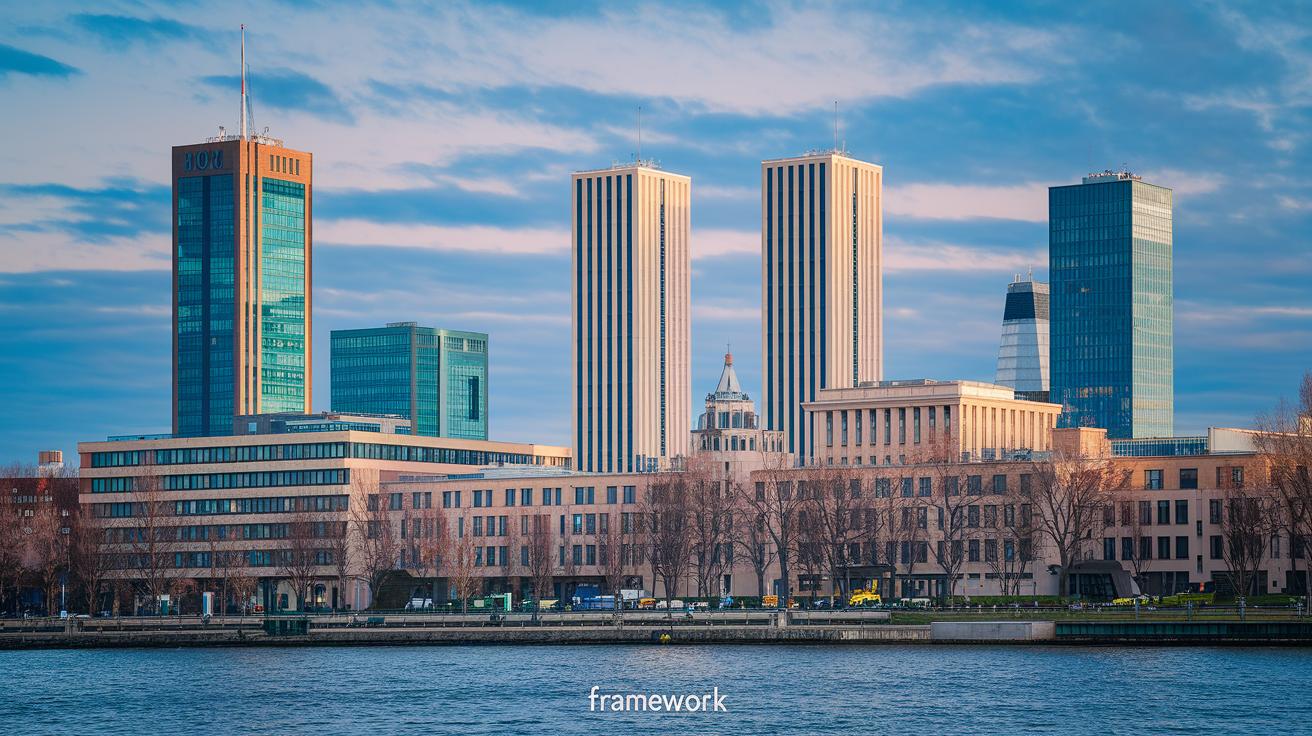
The International Court of Justice (ICJ) is in The Hague. It has 193 judges picked by the United Nations General Assembly and the Security Council. The ICJ settles disputes between countries and offers legal advice on global issues. However, when countries ignore its rulings, its power is weakened. Still, its decisions shape the rules that countries are expected to follow.
The International Criminal Court (ICC) is also located in The Hague. It prosecutes people for serious crimes such as genocide and crimes against humanity. A skilled panel of criminal law judges oversees the trials. Even though the court aims to hold individuals accountable, its work is challenged when nations do not cooperate or follow its orders. This approach marks a modern step in global justice.
The European Court of Human Rights (ECHR) was set up in 1959 to enforce the European Convention on Human Rights. It hears cases brought by both individuals and states against member countries. The court shows a strong commitment to protecting civil rights, though slow procedures sometimes hold back its effectiveness. It remains a key legal body in Europe.
Specialized tribunals deal with issues like trade, nuclear matters, and maritime borders. They bring together experts from different countries to handle complex cases that larger courts might overlook. These tribunals play an important role, even though they can struggle with enforcement when parties choose to opt out. Their focused tasks help support adherence to international law.
International law: Inspiring Global Unity
International law is key to helping countries work together. It covers six main areas: criminal prosecutions, humanitarian protections, human rights, environmental commitments, trade disputes, and maritime boundaries. Each area shows how legal rules help nations act fairly and maintain order.
International criminal law seeks to stop major crimes like war crimes and genocide. Under the Rome Statute (the treaty that set up the International Criminal Court), the ICC goes after leaders who hurt civilians during conflict. These cases show that legal systems can hold people responsible and discourage future violations.
Humanitarian law protects people during war. Treaties like the Geneva Conventions (agreements about treating the wounded and civilians) set rules for fair treatment during conflict. Making sure these rules are followed helps reduce suffering, even in chaos.
Human rights law secures basic freedoms for everyone. Documents like the Universal Declaration of Human Rights and decisions from the European Court of Human Rights have protected speech, privacy, and other essential rights. These efforts work to keep human dignity safe, no matter where people live.
Environmental law urges nations to tackle climate change and protect natural resources. The Paris Agreement (a global pact to cut emissions) is one example. By setting clear targets to lower pollution and encouraging green practices, this law brings nations together for a healthier planet.
Trade law gives countries a way to resolve disputes about business and commerce. Organizations like the World Trade Organization (WTO) offer a system that settles disagreements fairly over tariffs and market access.
Maritime law governs the rules for sea borders and resource use. Under UNCLOS (the United Nations Convention on the Law of the Sea), disputes over territorial waters are settled smoothly. This legal process helps ease tensions and keeps international waters peaceful.
Mechanisms for Dispute Resolution and Compliance in International Law
Judicial courts play a key role in solving international disputes. The International Court of Justice (ICJ) offers a fixed forum for resolving state conflicts, and the International Criminal Court (ICC) holds individuals legally responsible for major crimes. The European Court of Human Rights also deals with human rights cases. For example, if two countries argue over a treaty, the court reviews the evidence and legal arguments before making a binding decision.
Arbitration provides another way to settle issues outside regular courts. UNCITRAL (United Nations Commission on International Trade Law), ICSID (International Centre for Settlement of Investment Disputes), and the WTO dispute settlement mechanism handle cases in trade, investment, and commercial matters. They use expert panels and agreed rules to resolve conflicts more quickly. For example, if countries clash over trade policies, the WTO process offers a clear method to settle the matter.
Compliance with legal rulings often comes down to a state's self-interest. Countries may follow decisions if they see economic gains or if it enhances their international reputation. For instance, a nation might stick to an arbitration ruling to secure better market access. This illustrates that whether a decision is followed is often based on a cost-benefit assessment.
Educational Pathways and Research Resources in International Law
Academic networks and events help future professionals build important connections. Conferences, calls for papers, and interactive podcast sessions like those on Fresh Squeezed! bring together scholars, lawyers, and students. They share new research and discuss key legal issues. These meetings build a strong community that supports new voices in international law.
Digital libraries and free online courses offer many tools for those eager to learn about global legal systems. For example, international organizations provide vast collections, scholarly articles, and databases with official treaties and legal commentaries. Free courses offer step-by-step lessons on international law and related topics. They support online learning with updated modules as legal practices change across borders.
Research guides and scholarly publications also boost professional growth. Simple guides make it easy to search large legal databases. Academic journals offer clear reviews and calls for papers. They explain research methods in international law and encourage ongoing study in a field that stays relevant.
Final Words
In the action, the article provided a clear look at how international law sets the stage for global legal order. It traced key principles, historical treaties, and modern institutions that guide state behavior and settle disputes.
The blog post also outlined real-world case studies and practical research paths. Every point reinforces that international law plays a fundamental role in making strategic decisions and promoting transparency in global developments.
FAQ
What is international law in simple terms?
The meaning of international law is that it governs how countries interact through formal agreements, treaties, and rules that guide their conduct in global affairs.
What does international law do?
The role of international law is to regulate relations among nations, setting rules about human rights, trade, environmental protection, and conflict resolution.
What are examples of international law?
Examples of international law include treaties like the UN Charter, Geneva Conventions, and trade agreements, all of which set legal standards for state behavior.
What are the three principles of international law?
The three core principles of international law are state consent, the principle of pacta sunt servanda (agreements must be honored), and sovereign equality among nations.
What is an international law degree?
The international law degree is an academic program that focuses on global legal systems, treaties, and cross-border regulations, preparing students for roles in international legal practice.
Where can I find international law PDFs and books?
International law PDFs and books are available through academic libraries, online legal repositories, and educational platforms that provide resources on public and private international law.
What are the types of international law?
The types of international law are mainly divided into public international law, which deals with state-to-state relations, and private international law, which covers cross-border disputes involving individuals.