

Ever ask if your business's assets are truly safe? Security management helps uncover hidden risks and boost defenses against growing threats. By setting clear rules and running regular checks, companies can stop breaches and avoid big losses. This approach protects both physical buildings and digital systems. In this article, you'll see how smart security practices build trust and keep a company strong. Read on to find out why a solid security plan can be the difference between safety and chaos.
Security management Elevates Asset Protection

Security management is the first line of defense that keeps people, assets, and systems safe. It means finding risks, judging them, and putting steps in place to control or stop data loss and business problems. Companies build strong policies and rules, and they check their security often to beat new threats.
This method covers both physical and digital safety. For instance, a company might run regular security checks along with tech monitoring to see that controls work well. One firm upgraded its alert system and acted fast when a potential breach appeared, saving millions in losses.
Securitas shows this careful approach with services like mobile guarding and remote, managed security from its Operations Centre. These services grow with a business and work well with modern technology, making sure help comes quickly during a crisis.
By basing security on clear steps and constant reviews, companies safeguard both digital and physical assets. This positive approach not only stops unauthorized access but also builds trust among those involved. In a world where threats change quickly, a strong security plan is key to keeping a business safe and resilient.
Security Management Risk Assessment and Integrated Risk Mitigation

Every company needs a plan that fits its own risk profile. First, businesses list and check their valuable equipment using methods such as asset inventories, threat modeling (a way to guess where issues may come in), and vulnerability scans. For example, a business might record all its sensitive devices and then use threat modeling to find where intruders could enter. Before strong security measures, many companies did not know that outdated software could offer an easy way in for cyber attacks.
Risk assessment helps us measure and rank dangers. A common approach is to:
- Calculate the loss that might happen if a breach occurs.
- Review how a breach would affect everyday work.
- Set regular check-ups to see how risks change.
Some companies improve their checks with advanced tools. For instance, Microsoft Premium Licenses, when used with policies like Microsoft Intune and Defender, can stop up to 99% of breaches. These tools work by updating defenses automatically based on the latest threat information.
After spotting risks, the next step is to put in place clear fixes. This means updating rules, boosting tech safeguards, and training staff. For example, if a vulnerability scan finds a weak spot, the company quickly changes its process and trains staff on how to address similar issues.
By linking risk checks with fast fixes, companies create a system that always gets better. They keep updating their risk plans with real-time threat data to protect their assets and keep operations running smoothly.
Security Management Policy Development and Compliance Systems

Corporate security policies are blueprints that protect company assets. They cover access control, emergency response, and data protection. The process begins with a detailed risk review to find weak spots in existing operations. For example, a team might say, "Every door should have a secure keycard system to stop unauthorized entry."
Collaboration matters. Security teams, facility managers, and top leaders come together to share their views and shape policies that work for all departments. Regular workshops and feedback sessions keep these protocols practical and complete. A solid policy might include steps like using biometric locks and digital cameras to create a full approach to both physical and data safety.
After drafting, policies go through a strict review process that includes multiple checks and audit reviews. Compliance software then helps track regulatory requirements and keeps the organization ready for audits. Imagine a dashboard that shows real-time gaps in security standards – this tool helps lower risk and speeds up fixes.
Using smart technology and clear rules, companies build flexible security systems. With good policies in place, organizations can quickly handle new risks and protect their operations effectively.
Security Management Incident Response and Business Continuity Planning

An effective incident response plan sets clear roles, step-by-step escalation paths, and specific crisis communication protocols. Each team member knows what to do when a problem occurs. For example, one person might talk with staff while another handles the technical investigation. This split of tasks speeds decision-making and cuts downtime.
Technical tools play a key role. Advanced response software and extra defense layers help spot threats early and alert the team fast. These systems gather real-time data to guide quick actions, which improves both reaction speed and decision quality. Many businesses use these tools to check logs and find threats before they grow.
Disaster recovery planning is also critical. This means setting up backup systems, testing alternate facilities, and planning to restore data and operations quickly. Regular exercises test these plans. They help ensure that backups and extra work sites can keep key activities running even under stress.
Together, these methods create a strong safety net. Clear roles, modern tools, and practiced recovery plans help cut downtime so organizations can keep running during a crisis. This structured approach gives teams the confidence to act fast, keep systems safe, and protect business assets when the unexpected happens.
Security Management Cybersecurity Best Practices and IT Security Controls
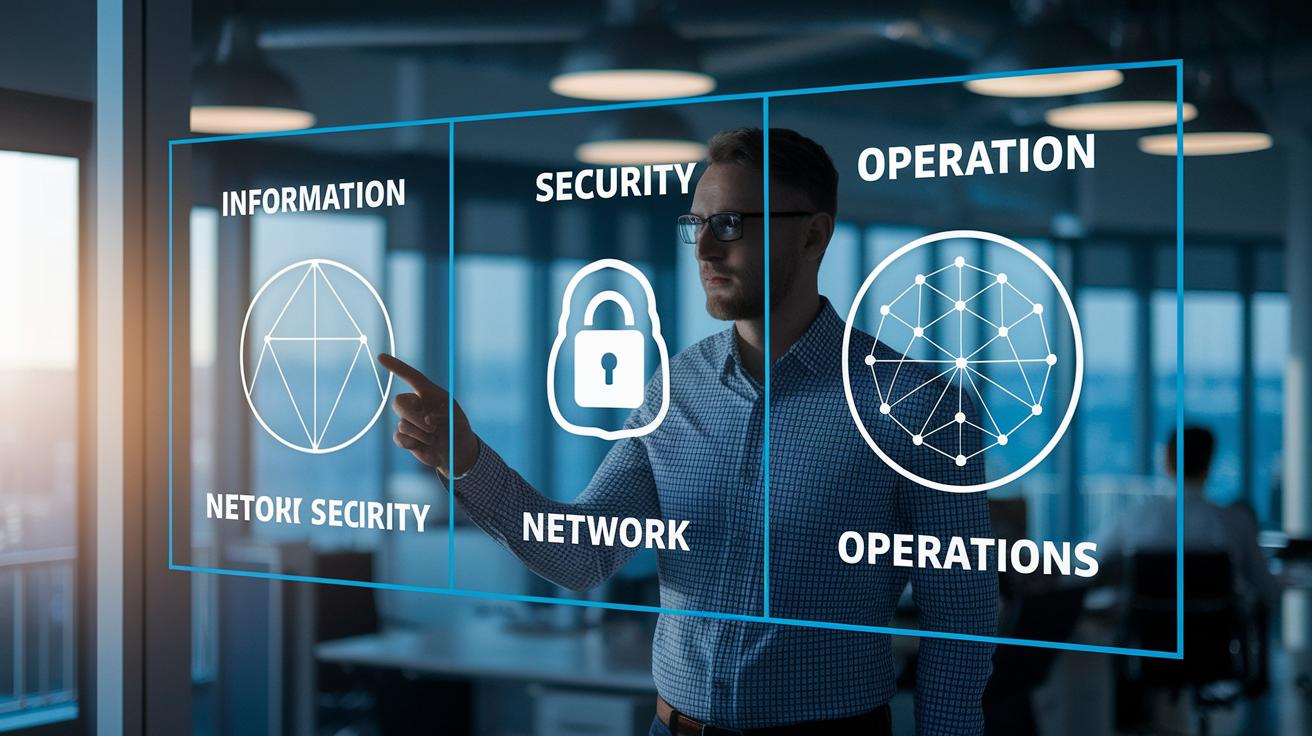
Cybersecurity management covers three main areas: information security, network security, and cybersecurity operations. Each area targets the unique needs of data, networks, or systems. For example, using network segmentation (dividing a network into smaller parts to reduce the spread of breaches) can greatly strengthen a company’s defense.
Important tools in this effort include Microsoft Secure Score, Intune policies, and Defender configurations. These tools allow organizations to check their risk level and enforce security settings. One review showed that proper use of these tools cut incident response times by nearly 40%. This fact underlines the need for regular checks and updates.
Security teams protect sensitive information with techniques like encryption, endpoint protection, and network segmentation. Encryption scrambles data so that it cannot be read if intercepted. Endpoint protection stops threats at entry points like laptops and smartphones before they affect key systems. Meanwhile, network segmentation keeps any breach confined to a small area.
Many firms monitor these controls with a SIEM (Security Information and Event Management) system. This system collects live logs and alerts teams when unusual activity occurs. Digital forensics then help trace an incident back to its source and find the root cause. This organized method detects issues early and gathers proof to stop similar problems in the future.
Security Management Physical Security Systems and Access Control
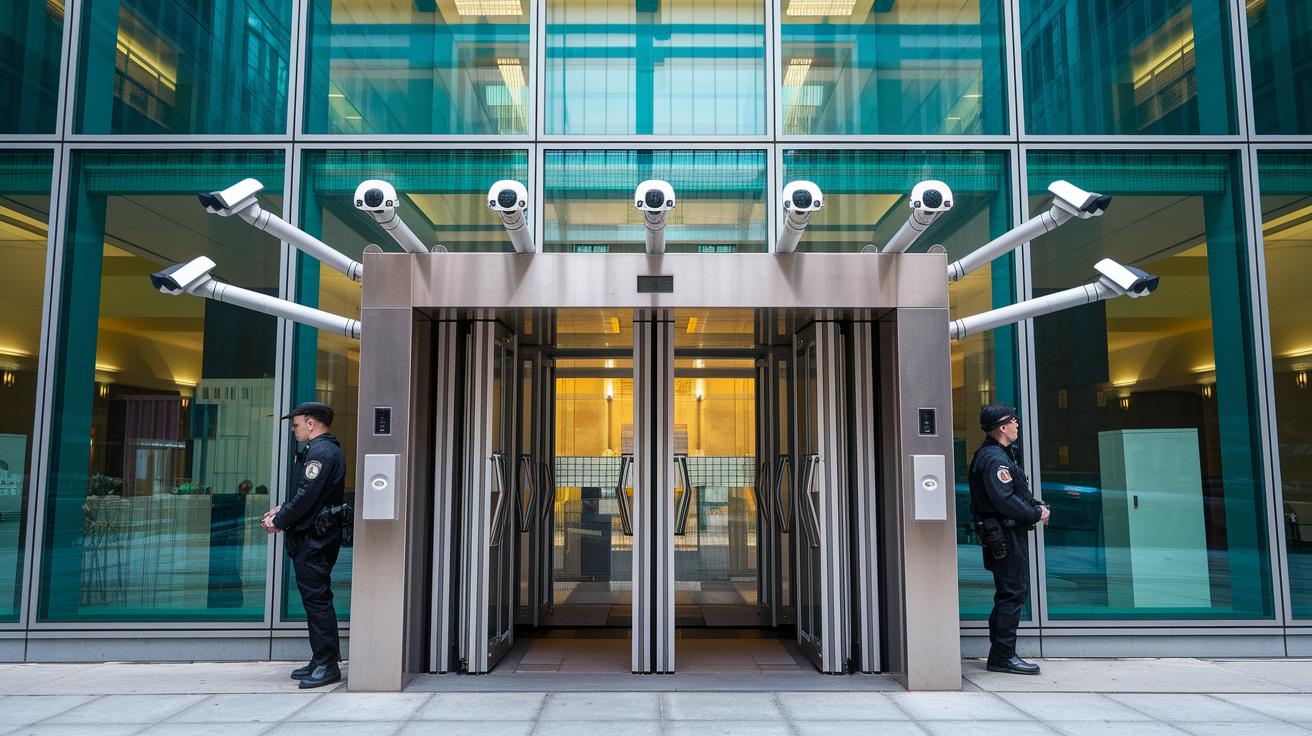
Physical security systems are a key part of an organization's defense plan. Companies use secure gates, CCTV cameras, alarms, guards, and intrusion detection devices to keep threats out. For example, high-definition CCTV cameras record activity continuously. Picture a bank using video cameras at every door so that no unauthorized person slips by unnoticed.
Access control works closely with these physical measures. A visitor management system tracks who comes in and leaves. Biometric access control (using fingerprints or similar unique features) checks identities. This method not only stops unapproved entry but also creates a record that can be reviewed later.
Many businesses mix traditional methods with modern technology. Security patrol services, supported by remote monitoring from an operations center, allow for fast action when an alarm sounds. Imagine an alarm going off after hours, remote experts can quickly verify the cause and send local security help if needed.
Linking physical controls with digital systems further strengthens security. By combining access logs with digital records, companies can spot patterns and quickly find any unusual events. This dual-layer protection is essential for keeping sensitive areas safe and ensuring only approved personnel pass important checkpoints.
Security Management Monitoring, Auditing, and Continuous Improvement

Regular audits and ongoing monitoring help improve security over time. Businesses run routine checks and use vulnerability tools (programs that spot weak points) to find hidden risks. For example, a tool might scan servers for old software, uncovering gaps before attackers can exploit them. These audits check that policies are followed and reveal when key settings change. When a misconfiguration is spotted, teams update defenses right away. For instance, an audit might find that a server’s outdated access control list no longer meets current policies, which triggers a quick fix.
Implementing a SIEM (Security Information and Event Management) system is key to this process. Modern SIEM platforms collect logs in real time and use advanced techniques to analyze events. They adjust alerts so that security teams focus only on real threats. Regular log checks help identify odd patterns and support digital forensics (in-depth digital investigations) when needed. With SIEM, auditors can link events across the network and flag problems before they escalate. Tuning alerts stops teams from wasting time on false alarms, allowing them to focus on serious risks.
Key steps to improve security include:
| Step | Description |
|---|---|
| Internal Audits | Check that policies are followed |
| SIEM Systems | Detect threats in real time |
| Vulnerability Tools | Find and fix configuration drifts |
| Digital Forensics | Close investigation loops after issues |
This ongoing process of checking, assessing, and fine-tuning helps keep an organization secure. By combining clear audits with smart SIEM analysis, companies can quickly adapt to new threats and keep their defenses strong over time.
Security Management Training, Leadership Development, and Future Directions

Security training builds a strong safety culture. Staff join regular, hands-on sessions using real-life examples like checking IDs and guarding secure areas. For instance, a team may practice a fake alarm where everyone speaks clearly and acts quickly. This helps all staff know and use the rules during critical times.
Leadership training is just as important. These sessions help frontline officers and managers make quick, tough choices when threats appear. Leaders learn to work well with their teams, set priorities in emergencies, and remain calm. One officer said, "We had a training day that felt like a real crisis where every decision mattered." These programs give security teams the confidence to handle sudden challenges.
Looking ahead, experts expect more political and tech threats through 2026. This means we must plan ahead with new strategies and updated training. Security efforts need to change with new risks so everyone is ready to protect people and assets. Ongoing learning and strong leadership are key to a safe future, inspiring teams to adapt fast to changing risks.
Final Words
In the action, the post explored the core elements of security management. It covered the basics of risk assessment, policy development, and incident response. Key strategies included cybersecurity measures, layered physical security, and robust monitoring systems.
The insights underline the need for continuous training and leadership in security management. The guidance provided builds a strong foundation that helps organizations stay resilient in a fast-changing environment. The article offers a forward-looking perspective and practical advice for maintaining robust security management.
FAQ
What is security management and what does it involve?
The security management process involves identifying, assessing, and controlling risks. It includes creating policies and safeguards that protect data, assets, and people while ensuring operational stability.
What are the five key components of security management?
The five key components include risk assessment, policy development, incident response, physical security, and cybersecurity measures. These elements build a solid framework to protect and maintain business operations.
What are the three types of security management?
The three types of security management are administrative, physical, and technical. Each type focuses on different methods to safeguard people, assets, and digital infrastructure.
How do security management courses, degrees, and training prepare professionals?
Security management educational programs provide practical skills in risk analysis, policy creation, and incident handling. They equip professionals to manage security challenges and pursue diverse roles in the sector.
What career opportunities and salary prospects exist in security management jobs?
Security management jobs include roles in corporate security, IT security, and facility oversight. These positions generally offer competitive salaries, growth opportunities, and varied responsibilities.
How does security management software enhance organizational protection?
Security management software centralizes risk tracking, compliance auditing, and incident response. It helps organizations monitor systems effectively and respond quickly to potential security issues.
What does security management PDF refer to?
A security management PDF is a document that outlines guidelines, procedures, or reports on security practices. It serves as a handy resource for detailed information on maintaining security standards.
What is security guard management all about?
Security guard management focuses on overseeing on-site security personnel. It involves scheduling, training, and performance monitoring to ensure safety and effective response during incidents.
What is found in a security management magazine?
A security management magazine features industry news, trends, case studies, and practical tips. It informs readers about best practices and emerging challenges in the security field.
What is a security management company?
A security management company offers services such as risk assessments, incident planning, and operational oversight. It provides customized solutions to protect assets and ensure safety for organizations.
How does security management apply in operating systems?
Security management in operating systems refers to built-in controls like user access, system updates, and monitoring tools that prevent unauthorized access and maintain system integrity.