
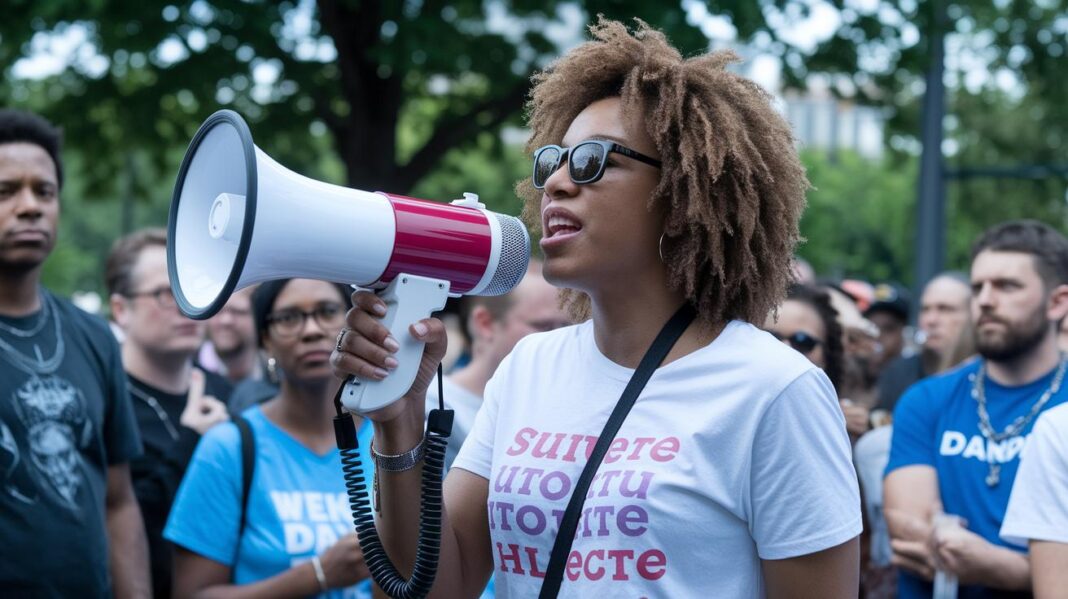
What if you could be the voice that stands up to unfair systems? Social justice is not just a passion; it is a journey with clear steps that lead to real change. Careers in fields like law and community development give everyday people the opportunity to help those who need it most. Each role offers a distinct way to work toward a fairer society. In this post, we outline eight paths that allow advocates to make a real impact. Every effort matters when you are building a stronger, more just world.
Key Profiles: 8 Social Justice Advocate Careers
Social justice work comes in many shapes and sizes. It includes jobs that let people push for big changes. Some work in law, some steer policy, and others help communities get the support they need. For instance, a lawyer working on public interest law helps set legal rules that protect people in vulnerable groups.
| Career | Average Salary | Primary Duties |
|---|---|---|
| Lawyer | $120K | Handling cases related to human rights, public interest, and civil rights |
| Policy Analyst | $75K | Researching and writing policy reports that shape public and private projects |
| Grant Writer | $60K | Writing proposals to win funding for community and nonprofit projects |
| Journalist | $55K | Investigating social issues, uncovering injustices, and reporting news |
| Victim Advocate | $40K | Offering support, helping with legal steps, and linking clients to services |
| Social Worker | $50K | Helping individuals and families deal with poverty, abuse, and mental health issues |
| Mental Health Technician | $35K | Supporting patients through observation, therapy help, and keeping progress records |
| Community Developer | $45K | Creating programs, organizing outreach, and boosting local group efforts |
This list of careers shows that working for social justice is varied and flexible. Each role brings its own skills to help build a fairer, stronger society. Together, these jobs help fix different problems and create a network that stands up against injustice.
Historical Evolution of Social Justice Advocacy
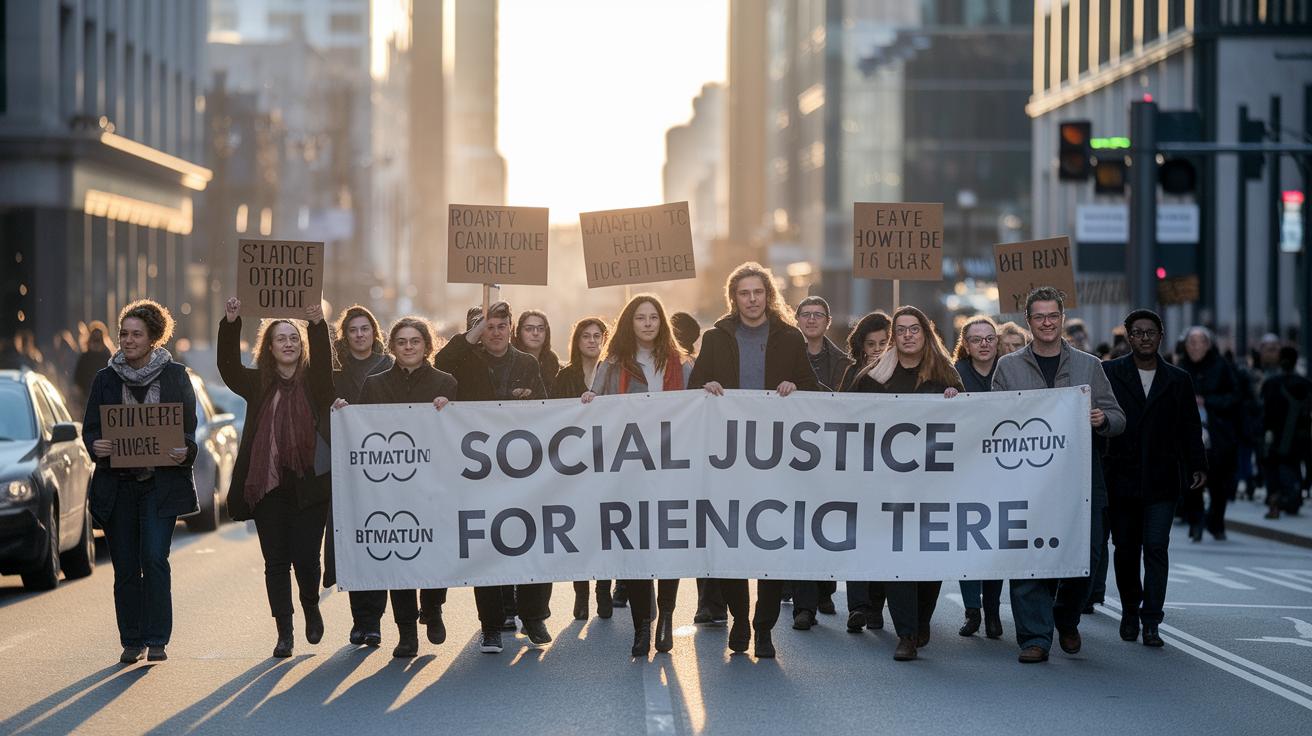
Social justice work has changed a lot over time. Early thinkers in the Enlightenment fought for a fair share of wealth. In the 19th century, workers organized for better conditions during rapid growth in industry. The U.S. civil rights era in the 1950s and 1960s pushed for laws and reforms to give a voice to marginalized communities. Today, advocacy tackles many issues like gender inequality, reproductive rights, education, healthcare access, and LGBTQ+ rights. This modern approach looks at different layers of identity and discrimination to build a stronger fight for fairness.
| Era | Time Period | Focus | Key Developments |
|---|---|---|---|
| Early Thought | 18th–19th century | Fair wealth distribution | Enlightenment ideas on equality |
| Labor Rights | 19th century | Workers’ rights | Strikes and reforms |
| Civil Rights | 1950s–1960s | Racial and social equality | Legal and social reforms |
| Intersectional Activism | 2000s–present | Multiple identity rights | Diverse issue focus |
Past struggles have helped shape the strong social justice movement we see today.
Core Principles and Strategies of Social Justice Advocacy
Social justice work is built on strong values that help bring change and hold institutions accountable. These ideas guide every decision to ensure that efforts to fix systems and empower individuals are both fair and effective. They are not just lofty ideals; they serve as clear standards for measuring the impact of various activities. They remind advocates to keep pushing for actions that help everyone in our society.
• equity
• access
• participation
• diversity
• human rights
Using these values well means employing clear strategies. Advocates need to dig deep into issues and form strong bonds with their communities. This hands-on approach helps reveal gaps, like those in studies about the gender pay gap (when wages differ between groups) that may hide important overlaps of discrimination. Besides, setting clear goals and looking after your own well-being are vital in this challenging work.
- Thorough research – Study issues like the gender pay gap closely and note how different groups experience unique challenges.
- Community network building – Connect with local groups and peers to boost your advocacy work.
- Clear goal-setting with metrics – Set measurable targets to track your progress and impact.
- Self-care and risk management – Develop routines to keep yourself healthy while managing a demanding workload.
Blending these core values with smart strategies strengthens social justice advocacy and builds a lasting force for real change.
Professional Pathways: Education and Training for Social Justice Advocates

Specialized programs are key for building the skills needed to fight injustice. They bring together what you learn in the classroom with real-world practice. This hands-on training helps future advocates turn ideas into action while building vital legal skills and boosting confidence.
Many law schools now offer courses that blend core classes, clinics, and practical work opportunities. For example, classes like Children and the Law and the Food Law Seminar provide a strong base for understanding social justice from different views. Students complete clinics or externships to see how advocacy and legal work happen day-to-day. They also complete at least 30 hours of pro bono service to help local communities while honing their skills. Mentorship from faculty and peers, as well as directed research and independent studies, offer personalized guidance. Leadership roles in student advocacy groups further teach teamwork and sound decision-making for the fast-changing world of legal advocacy.
This well-rounded training not only builds technical know-how but also shapes ethical leaders ready to make a real impact. By mixing tough coursework with real-life experience and dedicated mentorship, these programs prepare graduates to drive meaningful reform and spark systemic change. For instance, a student leading a local campaign after an externship shows how academic work can empower effective community advocacy.
Core Principles and Strategies of Social Justice Advocacy
Research the issue in depth. Look into topics like the gender pay gap to spot hidden causes of inequality. For instance, studying job data closely can reveal trends that shape strong advocacy.
Bring together local and online communities. Unify neighborhood groups and digital networks to boost your collective voice for change. A well-connected team can push policy changes by combining local energy with online power.
Create messages that respect different cultures. Use familiar words and images for each audience to promote clarity and inclusion. For example, a post might read, "In Springfield, residents rallied as local traditions were honored, uniting diverse backgrounds."
Use creative campaign tactics to boost support. Share stories on social media and run petition drives to motivate direct action. A short profile of a local advocate can inspire many to join the effort.
Adapt these strategies to match local culture and online trends. Listen to community feedback to fine-tune your advocacy campaign for the best results.
Monitoring and Measuring Social Justice Advocacy Impact

Measurement matters because it shows how well advocacy is performing. It helps advocates spot strengths and find areas that need a new approach. Setting SMART objectives (Specific, Measurable, Achievable, Relevant, Time-bound) and choosing key performance indicators make it easier to track progress.
Surveys and analytics provide clear numbers on reach and trends. Interviews and focus groups give personal stories and community insights. Regular check-ins with peers and mentors let advocates see if their goals are on track. These review cycles reveal wins and challenges while keeping everyone aligned with the campaign's goals.
Balancing data checks with self-care helps reduce burnout. Using these insights to adjust tactics strengthens current efforts and sets up more effective future campaigns. This blend of clear goal setting, mixed methods for data collection, and regular reviews creates a practical framework for lasting social justice advocacy.
Expanding Scope: Emerging Issues in Social Justice Advocacy
Today, advocacy uses digital tools and youth energy to change how voices are heard. Young activists mix old goals with new techniques. For example, a tweet by a young leader quickly rallied thousands demanding reform and reached people around the world.
Digital platforms help organize efforts fast. Recent surveys show that online campaigns now double youth participation compared to traditional rallies. These tools let activists share data, personal stories, and calls for change instantly. One campaign used trending hashtags to push local leaders for openness, bringing together people of all ages across countries.
Youth-led efforts keep finding smart ways to blend online actions with local events. This approach makes advocacy more lively and ready to face new challenges.
Final Words
In the action, we explored diverse roles and training routes for professionals shaping our society. We tracked the evolution of social justice advocacy from early legal reforms to modern grassroots techniques. Experienced social justice advocates break down their work into clear principles and measurable goals while staying engaged with emerging issues. This guide offers a snapshot of career options, educational programs and hands-on methods that turn passion into progress. Every step fuels reform and inspires positive change as we tackle challenges and create a fairer future.
FAQ
Social justice advocate salary?
The social justice advocate salary refers to earnings for professionals working to promote fairness and equal rights. Pay varies by role, experience, and geographic location.
Social justice advocate jobs?
The term social justice advocate jobs covers roles like lawyer, policy analyst, and community organizer that work toward advancing equality through legal, policy, and grassroots efforts.
Social justice advocacy examples?
Social justice advocacy examples include organizing community campaigns, creating policy reports, and engaging in actions that support equality. These efforts directly challenge unfair systems.
Social justice advocate certification?
Social justice advocate certification means receiving formal recognition through specific courses or training programs. Certification builds credibility and equips advocates with essential practical skills.
Social justice advocate training?
Social justice advocate training provides hands-on workshops, coursework, and mentorship. This training develops skills in policy, legal standards, and community engagement critical for driving social reform.
Social justice advocacy in counseling?
Social justice advocacy in counseling involves integrating fair treatment into mental health services. Counselors work to eliminate barriers and provide supportive, non-discriminatory care for all clients.
Social justice topics for students?
Social justice topics for students cover issues such as equality in education, civil rights, gender equality, and environmental fairness. These subjects encourage critical thinking and promote active civic participation.
Social justice policies examples?
Social justice policies examples include initiatives that focus on equal access to education, healthcare, and employment. These policies aim to address disparities and make institutions fairer for everyone.
What does a social advocate do?
A social advocate works to improve community welfare and amend social policies. They research issues, organize local efforts, and communicate with decision-makers to support fair and equal treatment.
How to become a social justice advocate?
To become a social justice advocate, pursue education in related fields, gain practical experience through community work, and seek mentorship. Building skills and engaging with local groups are essential steps.
What do social justice activists do?
Social justice activists challenge inequality by organizing public actions, raising awareness with digital media, and standing up for civil rights. Their work often brings needed changes to public policy.
Who was a famous social justice advocate?
A famous social justice advocate is Martin Luther King Jr. His leadership in the civil rights movement paved the way for significant reforms and remains a powerful example of committed social activism.