

Do breakthrough tech solutions really change the way we live and work? Today, digital tools like artificial intelligence (AI), low-code platforms (tools that simplify software creation), and edge computing (processing data close to its source) are changing our world fast. They speed up tasks, clear old backlogs, and even test systems in digital models that mimic real-life setups. These new tools push aside old methods and bring fresh ideas that boost efficiency and lead to smarter solutions in nearly every part of our lives.
Tech Innovation: Overview of Emerging Trends

Tech innovation means using new or improved technology to solve problems, add value for customers, and improve work processes. It relies on breakthrough tools like artificial intelligence (AI) and machine learning (ML) to predict and make decisions. Before the Internet changed communication, businesses used slower, manual methods to reach global markets.
Low-code and no-code platforms let people who are not programmers build apps fast. This helps clear backlogs in IT teams. Edge computing is also growing fast. It processes data near the source, giving real-time insights that are crucial for things like self-driving cars and healthcare monitoring.
Digital twins are now used in many industries to test and monitor systems in a virtual space before making them in real life. Think of it like trying out a video game simulator before driving an actual car. Quantum-inspired algorithms, which use concepts from quantum physics to speed up solutions, help solve tough problems faster in areas such as logistics and finance.
The Internet and World Wide Web changed communication, e-commerce, social media, and online services long ago. Their impact laid the groundwork for the rapid changes we see today. Now, tech trends are not only changing business operations but are also affecting our everyday life.
New digital breakthroughs are driving next-generation innovation. This shift is moving us toward a future where efficiency, lower risks, and customer-focused solutions lead the way.
Case Studies Highlighting Digital Evolution Through Tech Innovation

Generative AI platforms now create text, images, audio, and video that sound human. One startup said its design team now finishes work in hours instead of days. IoT (Internet of Things) also drives digital change. Many smart city projects use networks from firms like Cisco and AWS to improve traffic control and save energy.
Blockchain systems are boosting security and clarity in finance and healthcare. For example, one supply chain company tracks products at every step by recording data on a blockchain. This method keeps information accurate. Green technology is gaining ground as well. Large solar farms and modern battery storage systems set new sustainability standards while pilot carbon capture sites lower industrial pollution.
Biotech is changing quickly too. Advances like CRISPR gene editing (a tool for changing genes) and mRNA therapeutics (medicines made from messenger RNA) are improving patient care by reducing risks and personalizing treatments. An innovative incubator project showed that liquid biopsy diagnostics give quick results, helping doctors act fast. These examples show how tech innovation fuels digital change. Each project, from accelerator programs to incubator models, offers insights into commercial strategies that drive global market shifts and open the door for future breakthroughs in many industries.
Driving Disruptive Technology Development with AI and Automation
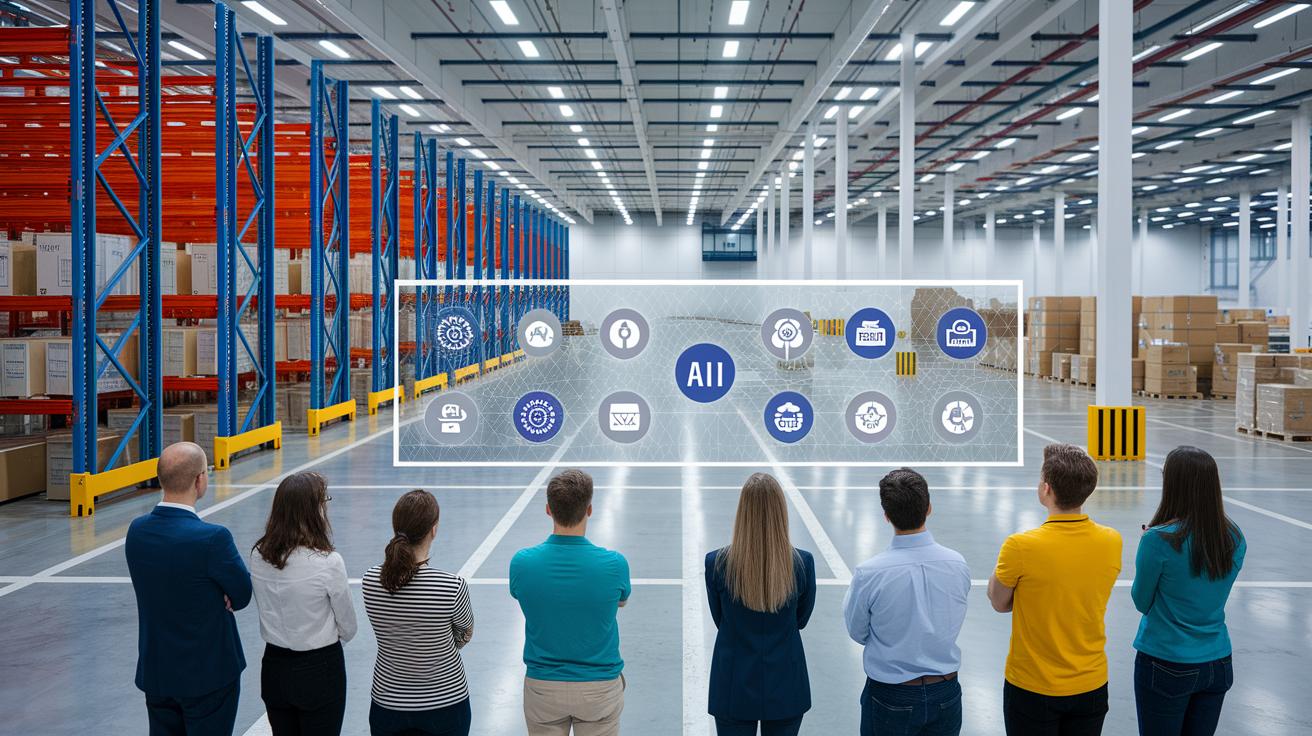
AI and machine learning drive many of today's breakthroughs. Tools built on Natural Language Processing (the ability for computers to understand and create text) work in real time. Computer Vision helps machines see and interpret images fast. Companies use Predictive Analytics (forecasting customer actions and market trends) to stay ahead. For example, one retailer used these techniques to balance stock levels, cutting waste and lowering costs.
Robots and automation are changing industries. Industrial robots now perform routine tasks on production lines with great accuracy. Collaborative robots, or cobots, work safely with people to boost productivity. Autonomous mobile robots navigate warehouses and factories to speed up material handling. One manufacturing plant recently reported that cobots cut production cycles by nearly 30%.
Low-code and no-code platforms let non-technical staff build custom apps quickly. This frees up IT teams and accelerates digital transformation without long programming delays. Edge computing also plays a key role by processing data close to its source. This minimizes delays in real-time applications like self-driving cars and smart healthcare monitoring.
All these technologies work together to reshape system design. They pave the way for smarter devices and smoother operations. In one case, a company used AI and edge computing to analyze sensor data from hundreds of machines instantly, cutting downtime and increasing efficiency.
Tech Innovation Sparks Inspiring Breakthroughs

5G networks connect devices with high speed and very low delay. They power tools from smart sensors to self-driving machines. These upgrades let many devices work together, helping fields like healthcare, manufacturing, and shipping. For example, a hospital using 5G can link remote diagnostic tools instantly to cut vital delays.
Smart sensors and easy-to-use platforms fuel plans for the Internet of Things (IoT). These improvements help with fixing equipment early, tracking assets, and managing building energy. Imagine a factory where sensors constantly check machine health and call for repairs on their own, reducing downtime. This IoT setup not only gives real-time data but also boosts safety and saves energy in places like factories and busy cities.
Extended Reality (XR) combines augmented, virtual, and mixed reality. Companies now use augmented reality (AR) for hands-on training and virtual reality (VR) for design reviews. An employee might wear AR glasses to see hidden data during repairs. At the same time, a design team can use VR to preview changes before production starts.
Smart city projects show these ideas in action. Cities mix strong connectivity with XR apps to improve traffic flow, public safety, and waste management. They use these tools to reach out to citizens and keep an eye on urban operations. This digital progress is set to reshape life for both consumers and industries.
Quantum Computing Innovations and Breakthrough Research Initiatives

Quantum computing is changing how we solve very tough problems. It uses superposition (when a particle can be in multiple states at once) and entanglement (when two particles stay connected) so that quantum processors can tackle tasks that regular computers cannot handle. One researcher pointed out that before error correction improved, quantum bits were unstable, much like shaky building blocks. Early tests even showed that small quantum systems could fix problems beyond the reach of traditional machines.
Quantum-inspired algorithms also help in fields like logistics, finance, and medicine. These smart methods use quick guessing and adjustments (heuristics) to manage many variables at once, working faster and more efficiently than older techniques.
Recent breakthroughs have boosted the time qubits remain stable (coherence time) and introduced better ways to fix errors. New hybrid systems that combine traditional and quantum designs are making their way toward real-world use. These steps could soon change industries that rely on heavy computing power.
Key highlights include:
- Better qubit stability with longer coherence times
- Strong error correction that reduces mistakes
- Hybrid designs that combine the strengths of both traditional and quantum computing
These advances are paving the way for a future filled with powerful, next-generation computing solutions.
Eco-Innovation and Sustainable Solution Designs in Tech Innovation

Renewable energy technology is transforming power grids. It uses better solar panels, offshore wind turbines, and new battery storage to make grids stronger and cut costs. One energy provider said installing advanced battery systems reduced downtime and saved thousands in repair expenses.
Pilot projects in carbon capture are showing promise by turning carbon dioxide (CO₂) into useful products like fuels, chemicals, and building materials. These projects turn waste gas into valuable resources, helping companies move toward greener production. In one trial, CO₂ was converted into a chemical used in eco-friendly construction.
Sustainable product design now relies on biodegradable materials, energy-efficient chips, and production that supports a circular economy. This approach cuts waste and limits harm to the environment. Companies now adopt green practices from sourcing renewable parts to designing products that can be recycled. One design lead said, "Using planet-friendly materials makes products that people trust."
Green and sustainable tech is driving a change in innovation. It helps firms meet business targets while also supporting global environmental goals.
Strategies for Fostering a Culture of Tech Innovation in Organizations

Organizations do well when they work innovation into their everyday tasks. Many companies build a strong innovation culture by using clear processes to capture and track new ideas. This structure helps good ideas move fast from brainstorming to real tests. For example, a company might use a system like a suggestion box that not only gathers ideas but also follows them through to action. One leader said, "When a small idea turns into a successful pilot project, it shows the power of a robust process."
Strong management practices help remove barriers to innovation. Forming dedicated teams and assigning clear roles means ideas get evaluated on real return on investment (ROI) and how well they match the company’s core goals. One leader mentioned, "A clear project roadmap turned our once scattered ideas into a winning strategy that boosted productivity by 25%."
Flexible strategy models and agile work methods also spark new thinking. By encouraging intrapreneurship (letting employees act like entrepreneurs within the company), businesses let team members try small tests in a safe setting. When these tests succeed, they get full support from top management, much like a mini accelerator turning research into products.
Building strong networks is another key step. Setting up groups within the company and partnering with others outside can help breakthrough ideas spread quickly. Regular workshops, cross-department teams, and digital idea-sharing tools all help keep the flow of innovation steady.
- Clear idea management processes
- Alignment with strategic business goals
- Embracing agile and open strategy frameworks
- Leveraging collaborative networks
These steps create an environment where every employee can contribute to tech-driven change. It helps build a culture where innovation becomes a shared responsibility.
Final Words
In the action, the post tracked emerging trends shaping tech innovation. We explored AI, IoT, blockchain, and quantum advances while outlining sustainable practices and extended reality shifts. Real case studies illustrated how digital breakthroughs enhance operations and support robust market insights. Each section shed light on how modern technology transforms various industries and strengthens organizational strategies. The discussion offers useful perspectives on operational changes, providing readers with clear, actionable insight into the future of tech innovation.
FAQ
Frequently Asked Questions
What is meant by technology innovation?
Technology innovation means applying new or improved tech to solve problems, create value, or streamline processes across industries.
What are tech innovation examples, including for students?
Tech innovation examples include AI-powered systems, Internet of Things devices, blockchain applications, low-code platforms, and sustainable tech designs that serve as practical learning models for students.
What are the 10 technological innovations?
The 10 technological innovations often include AI, IoT, blockchain, 5G, digital twins, edge computing, extended reality, quantum computing, renewable energy tech, and green technology solutions.
What are the 4 types of innovation?
The 4 types of innovation are incremental (small improvements), disruptive (radical changes), architectural (restructuring existing systems), and radical (groundbreaking new concepts).
What is Tech Innovation Inc?
Tech Innovation Inc is a term used to illustrate a company specializing in advanced tech solutions, though it may not refer to a single specific entity without further context.
What is a tech innovation company?
A tech innovation company focuses on developing and integrating advanced technologies to enhance products, services, or internal operations in competitive markets.
What are some tech innovation ideas?
Tech innovation ideas can range from employing AI for predictive analytics and smart IoT applications to using low-code platforms and extended reality tools to improve business operations.
How does a tech innovation competition work?
A tech innovation competition invites teams to present novel tech solutions that address real-world problems, with judges awarding ideas based on creativity, feasibility, and impact.
What kind of tech innovation news circulates?
Tech innovation news typically covers breakthroughs in AI, smart cities, sustainable energy, quantum computing, extended reality, and other emerging trends that reshape industries.
What defines the top 10 tech innovations?
The top 10 tech innovations are defined by breakthroughs that include AI, IoT, blockchain, 5G, digital twins, edge computing, extended reality, quantum computing, and eco-friendly technologies.