

Digital conflicts today mirror power struggles on the world stage. This tech war changes how countries and companies compete, blending political strength with business moves. Large firms and governments now shape ideas, trade, and research in ways that affect everyone. This intense global battle drives bold actions in the industry and may change how we view technology and its impact on our lives. Read on to see how this struggle creates new challenges in the digital world.
Overview of the Tech War: Defining the Digital Conflict
Today, the United States and China are locked in a new kind of Cold War as they battle for digital power. Governments back private companies in fierce bidding wars to control the digital world. This race has turned tech investments into big moves that shape global politics and modern statecraft.
A leading tech firm once celebrated solely for innovation now finds its work central to geopolitical maneuvering, proving that technology can shape national destinies and spark global realignments.
Big tech and regulators now face uncharted challenges as they try to keep up with rapid changes. Governments have set rules that force AI technology to work only within certain regions. This is known as sovereign AI (tech that is restricted by location for legal reasons). It meets local laws and gives governments control over critical technology. Companies must now change their systems to work inside set borders, shaking up trade and changing old market rules.
Economic tensions add to the mix and complicate the digital economy. Private firms are caught between national goals, turning simple bidding wars into strategic battles. These contests now affect research and development budgets and shape international partnerships. Meanwhile, governments use regulations as tools in their drive to win in this high-stakes tech fight.
Historical Evolution of the Tech War

Governments have been fighting for tech control for a long time. During the Cold War, leaders set rules on encryption (methods to secure data) and semiconductors (tiny chips in tech devices). These early controls laid the groundwork for today’s digital battles. In the 1990s, the U.S. put limits on exports and introduced data localization (keeping data within a country) to protect sensitive technology from rival states.
One surprising fact is that a government official once ordered strict checks on software exports to keep a strategic edge. Over time, these rules evolved into detailed digital combat plans. Milestones include strict export numbers and new laws for sovereign AI (technology that must operate in designated areas).
Today, these early government actions still influence tech battles. Leaders continue to adjust export and data rules to control digital spaces. Each new rule marks another step in the long fight for tech dominance around the world.
U.S.–China Tech War: Rivalry, Sanctions, and Strategies
China quickly introduced open source AI models from companies like Alibaba, Tencent, and DeepSeek. These affordable and flexible tools challenge the U.S. focus on closed, proprietary systems. For example, a small startup released an AI model that matched features of multi-billion-dollar U.S. systems in just weeks.
U.S. companies are also active. They are forming partnerships with foreign governments to build AI systems that work only within their own countries. This approach is known as AI sovereignty (a framework that keeps data inside certain regions to comply with local laws). One company teamed up with an ally to ensure its software follows local data rules, meaning its systems only process data in approved areas.
Washington is stepping up its game. It has set export rules on semiconductors (small chips key to AI) and used sanctions to slow China’s tech growth. These measures can force companies to change their entire production process. A government official explained that these rules make firms reconsider future investments and update their technologies.
The contest pits open source innovation against private development, adding extra layers to the U.S.–China tech race. Moves on one side prompt quick replies on the other, and each new sanction or partnership shifts the balance.
| Strategy | Impact |
|---|---|
| Open source AI models | Drives fast innovation and easy deployment |
| AI sovereignty partnerships | Enhances local regulatory compliance |
| Export controls and sanctions | Slows tech growth and challenges supply chains |
Corporate Battlegrounds in the Tech War

Big tech companies like Google, Microsoft, Alibaba, and Tencent are pouring billions into AI research and building more data centers. These huge investments go beyond basic upgrades; they aim to reshape global power. One top firm even said, "Our focus on cutting-edge AI and expansive data hubs is our answer to a rapidly shifting digital world." This shows that corporate spending is a key move in the digital fight.
R&D budgets are growing as companies race to invest in new tech. They now work closely with both local and foreign governments to secure a strong market position. In one case, a tech giant joined forces with a national regulator to develop AI systems that follow local rules. This partnership not only strengthens government ties but also helps the firm dominate the global tech scene by keeping its systems local.
Joint ventures now signal a shift from government-driven models to leadership by private firms. Tech giants are moving away from small updates toward bold moves that protect data while meeting local legal standards.
| Company | Key Investment |
|---|---|
| Billions in AI research | |
| Microsoft | Data center expansion and joint ventures |
| Alibaba/Tencent | Focus on open source platforms |
Geopolitical Dimensions of the Tech War
Trade disputes and tariffs force tech makers to change how they work. Export limits and U.S. blacklisting of key companies add extra strain to semiconductor supply chains. For example, one major chip supplier faced 20% delays when new export rules disrupted its usual shipping. This shows how these rules can hurt the economy.
Tariffs on Chinese electronics raise costs in familiar markets. Now, manufacturers are seeking new places to produce goods and new routes to move them. One factory said, "We had to check every step in our chain after tariffs raised costs." Disruptions like these create a domino effect, affecting many parts of global production.
When chip exports are blocked and targeted sanctions hit, companies must look for different sources for their parts. Competition in semiconductors heats up as firms search for reliable partners outside of sanctioned countries. One supplier pointed out, "When one market shuts down, every other option becomes important." These moves show that the global tech economy is shifting, and old supply routes are no longer guaranteed.
| Measure | Impact |
|---|---|
| Export restrictions targeting Huawei | Increases strain on semiconductor supply chains |
| Tariffs on Chinese electronics | Compels manufacturers to diversify production |
These trade tactics and supply chain changes are reshaping tech markets. They push companies to build stronger, more flexible systems amid global political pressures.
Military and Security Fronts in the Tech War
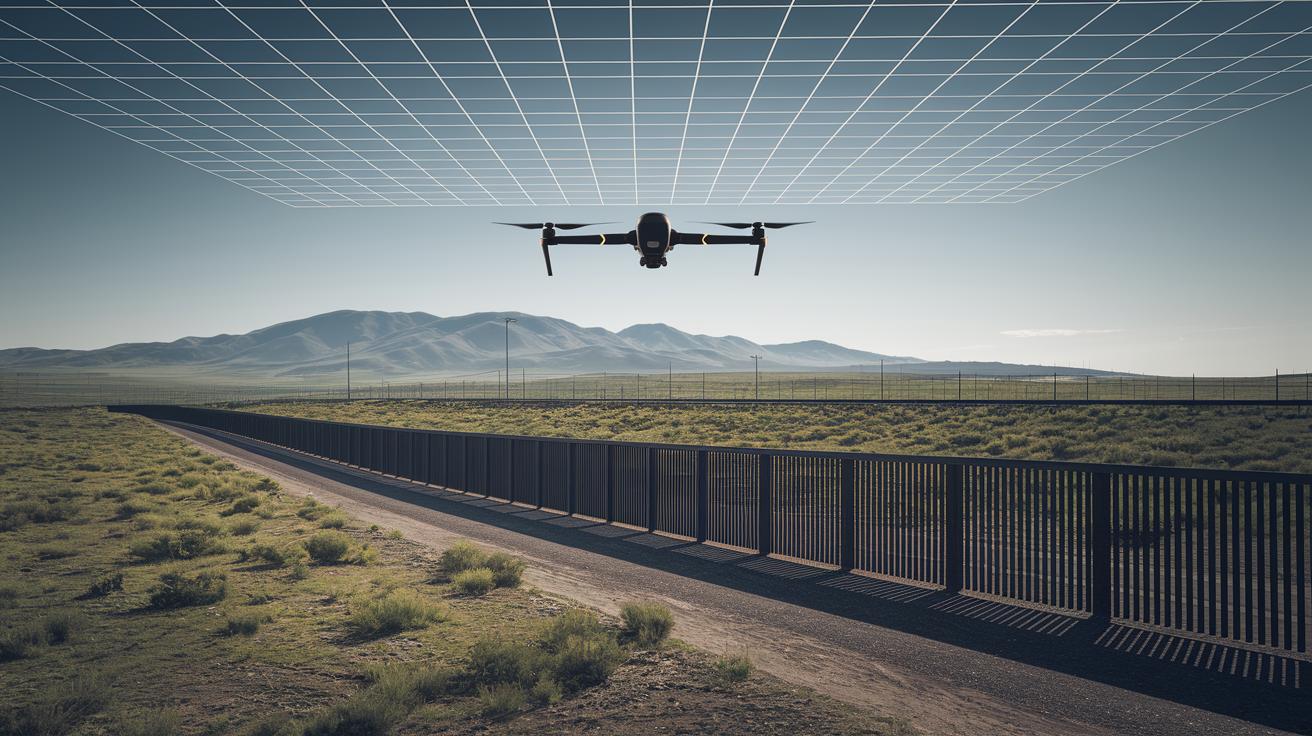
Armies today use AI defense systems (smart computer programs) to guard borders and respond quickly to threats. Self-guided drones keep watch and send live updates. In one test, drones flew over a remote border to spot possible cyber breaches.
Countries now use cyber spying to collect secrets. Cyber teams intercept attacks and break into enemy systems for essential information. One defense official said, "Our battlefield now spans both the physical and digital worlds," which shows the two sides of today's conflict.
Nation-led AI projects are key. They keep a country's AI systems secure and follow local laws. In one case, a military unit used an AI system that worked on its own to find and stop several cyber attacks in a short time. This new tech lowers risk by keeping people away from danger during missions.
Combat drones are also getting upgrades for battle. These unmanned machines can adjust quickly to changing situations. Picture drones moving in real time to dodge unexpected electronic jamming. One expert said, "Digital strikes now meet an equally fast cyber counterattack."
| Technology | Application |
|---|---|
| AI Defense Systems | Real-time threat detection and neutralization |
| Autonomous Drones | Surveillance and dynamic combat support |
| Cyber Espionage Units | Intercepting digital attacks and intelligence gathering |
National safety now depends on fast, coordinated action that mixes digital work with physical forces. Military experts are constantly improving cyber strategies and drone combat methods to stay ahead in this tech fight.
Future Outlook for the Tech War
Countries are rethinking their digital plans as debates over AI and cybersecurity shape new tech battles. A December 23, 2025 study called "Scaling Laws: Cass Sunstein on What AI Can and Cannot Do" shows early signs of trends that will force nations to balance strict laws with fast tech growth. Many governments are exploring joint cyber defense teams that work across borders. One official said, "We are building coordinated cyber defense teams that work across borders to counter fast-moving digital threats."
Labs and defense units are still working hard to manage complex AI systems while keeping national interests in mind. Disagreements over global tech rules have sparked heated debates. One analyst compared the challenge to setting many clocks in one room – small differences can lead to big problems. These policy shifts might pave the way for rules that control today’s digital clashes and prepare for future challenges.
Key ideas like unified cybersecurity protocols and international agreements could help ease digital tensions. Policy makers and tech leaders are now talking about how to balance the need for new ideas with the need for control. Every breakthrough and new rule is changing the tech war landscape.
Before digital clashes became a global focus, a small-scale cyber project set the stage for the strict tech policies we see today.
Final Words
In the action, the blog post broke down how digital powers collide in the tech war. It traced events from early export controls to current U.S.–China rivalries, highlighting trends in corporate investments, economic disruptions, and military cyber moves.
The discussion also pointed toward future debates over tech standards and digital governance. Overall, the coverage offers a clear snapshot of shifting global dynamics, offering a hopeful view amid rapid innovation and increased digital safety.
FAQ
Q: What are tech war episodes?
A: The tech war episodes refer to installments highlighting key events and shifts in the digital conflict arena. They cover moments when nations and companies engage in competitive actions over technology leadership.
Q: What is a tech war game?
A: The tech war game describes digital or board games themed around the international contest for technological supremacy. It simulates strategic moves and decisions seen in real-world digital conflicts.
Q: What is tech war season 2?
A: The tech war season 2 denotes the follow-up installment of a series examining digital conflicts. It builds on the initial narrative by presenting new developments and evolving strategies in technology rivalries.
Q: What is tech war season 1?
A: The tech war season 1 introduces audiences to the digital conflict narrative. It sets the stage by outlining the key players, events, and tactics that mark the beginning of the technology power struggle.
Q: What is the Tech War book?
A: The Tech War book is a literary work exploring the digital struggle for dominance among nations and corporations. It dissects the competitive dynamics shaping technology, innovation, and global power contests.
Q: What is the Tech Wars TV show?
A: The Tech Wars TV show is a series dramatizing the fight for digital dominance. It maps out strategic innovations and state interventions, offering a narrative view of modern technology competition.
Q: What is the tech war a song?
A: The tech war song is a musical composition inspired by themes related to digital conflict and technological rivalries. It uses rhythmic lyrics to capture the essence of modern tech struggles.
Q: What does Tek war streaming mean?
A: Tek war streaming means accessing content related to the TekWar series online. It allows viewers to watch episodes or related material via digital platforms when available.
Q: What is tech war?
A: The tech war is a contest for technological superiority that combines state actions, corporate strategies, and geopolitical maneuvers. It shapes global power and drives changes in digital and economic landscapes.
Q: Did William Shatner actually write TekWar?
A: The question about whether William Shatner wrote TekWar points to his credited authorship, though ghostwriters were involved. Shatner remains the recognized creator of the TekWar series.
Q: What is TekWar about?
A: TekWar is about a futuristic crime saga set in a world dominated by advanced technology. It combines elements of science fiction and action to explore the challenges of a tech-centric society.
Q: What is the technical war between China and the US?
A: The technical war between China and the US centers on a struggle for control over technology. It involves efforts to secure advancements in AI, semiconductors, and digital infrastructure through state and corporate actions.