

Ever wonder about the secret skills in a spy’s life? An undercover agent smoothly blends into crowds and collects key information using smart tricks and rapid changes in appearance. Their work shifts how we see identity and courage. This blog explains how fast prosthetics (fake body parts) and secure communication tools help these agents gather important details in risky spots. It also looks at one agent whose clever disguises caught experts' eyes and sparked bold interest in the world of espionage.
Understanding the Role of an Undercover Spy
An undercover spy is a secret agent who blends in with a group to collect key information. They work quietly to watch, record, and report on hidden actions. They change their look and speak subtly so no one gets suspicious. For example, an agent may use quick-change prosthetics (fake body parts) to appear different, disappearing like a stranger in a busy market.
CIA disguise chief Jonna Mendez worked 27 years in the agency's Disguise Unit. She made prosthetic noses, wigs, and masks that let spies look like different people instantly. This work shows that an undercover spy relies on solid identity changes and clever cover stories. During missions, they act anonymously in places from crowded cities to small towns. Their gathered information can affect national security, and they are ready to act when their cover is at risk.
Undercover spies plan carefully, use secure ways to communicate, and observe without drawing attention. They face high-stakes challenges every day. Their commitment and skill help protect vital information and their own secret identity, reflecting the work of experts like Mendez.
Operatives must stay alert and change their cover quickly in dangerous spots. Every change tests their quick thinking and resourcefulness. Their work shows that being subtle and fast is key to a successful mission.
Key Techniques and Methods in Undercover Espionage

Undercover missions rely on clear, simple methods that help secret agents stay ahead. Agents use quick prosthetics to change their looks fast, much like Mendez did by using fake noses, wigs, and masks. This technique helps them blend in even when facing danger.
Below are seven smart spy techniques that make these missions work:
- Quick prosthetics to change face or style on the spot.
- Hidden cameras in common items, such as rings or doctor's bags, for secret photos.
- Well-planned cover stories that create a believable past before the mission starts.
- Forged documents that give agents a new identity smoothly.
- Secure channels using encrypted messages to keep conversations private.
- Dead-drop methods that let spies swap information without meeting directly.
- Combined surveillance and exit plans that help agents leave without being seen.
Each method plays a key role in staying undercover. For instance, using quick prosthetics lets an agent change how they look in just moments. One surprising fact: an agent once changed identities five times in one day with only a few simple tools.
Agents mix these techniques to cut down risks. Hidden cameras grab proof without the target noticing, and secure messaging keeps plans safe from unwanted eyes. Dead-drop spots, agreed on in advance, lower the chances of being caught during secret exchanges.
Every operation starts with careful planning and practice. By building clear cover stories and preparing forged documents, agents set a strong base for the mission. This layered setup lets them watch, collect clues, and leave safely, all while keeping their true identity hidden.
Notable Real-Life Undercover Spy Operations
In 1979, Tony Mendez led a daring mission to help six American diplomats escape from Iran. He disguised them as part of a Canadian film crew to move them safely behind enemy lines during tense Cold War times. His team used careful planning, clear cover stories, secure communications, and detailed mission reviews to lower every risk.
Jonna Mendez also played an important role in high-risk missions. On one assignment, she encountered an international terrorist linked to a hijacking threat. This dangerous moment showed just how unpredictable secret operations can be. Her experience shines a light on how spies quickly assess risks and adjust their cover stories when things go wrong.
These operations relied on careful planning and a strong focus on details. After each mission, teams reviewed their work to learn from every step, making future missions even safer and more efficient.
- Operation Canadian Caper: A secret effort that used clever disguises to extract six diplomats.
- A deadly encounter: A tense meeting with a terrorist during a covert mission that reminded agents of the ongoing dangers they face.
Portrayals of Undercover Spies in Film and Literature
| Film | Critic Score | Audience Score |
|---|---|---|
| The Age of Shadows (2016) | 100% | 73% |
| Goldfinger (1964) | 99% | 89% |
| Mission: Impossible – Fallout (2018) | 98% | 89% |
| North by Northwest (1959) | 97% | 94% |
| The Manchurian Candidate (1962) | 97% | 90% |
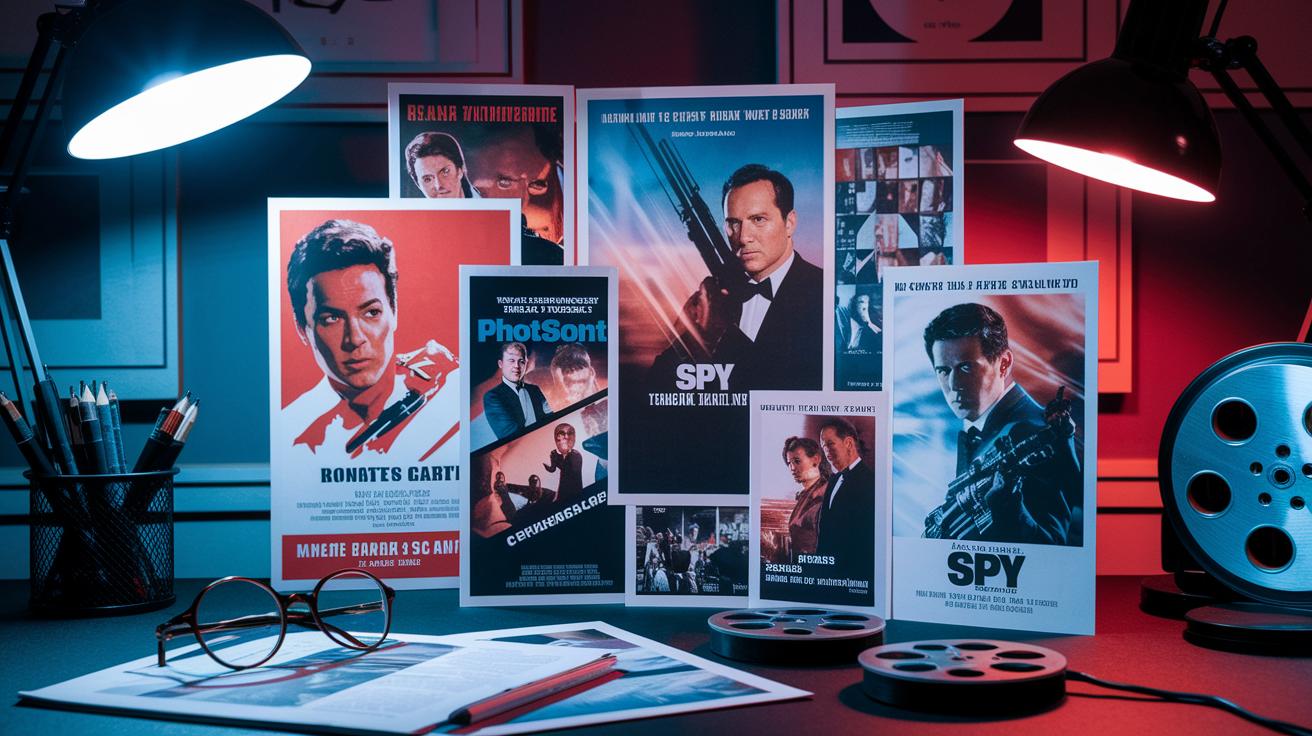
These films raise the bar for spy stories with clear, believable details on secret work. They show agents using clever disguises and smart gadgets in a way that feels real. For example, North by Northwest features exciting chase scenes that keep you guessing at every turn.
The movies mix strong direction with a tight story that draws you in. They let you imagine both the risks and the careful steps of undercover work. Films like Mission: Impossible – Fallout and Goldfinger use cool gadgets, solid cover stories, and deep character details to entertain viewers while shaping our view of what a spy does.
These portrayals do more than just tell a story. They set high standards for spy fiction by showing the mix of personal risk and the art of disguise. Watching these films gives you a taste of the challenges real-life spies might face and sparks curiosity about the secret world of espionage.
Becoming an Undercover Spy: Training, Careers, and Ethics
The journey to become an undercover spy starts with tough training and firm ethics. Spy schools offer classes in reading behavior (understanding how people act), safe communication (using secure codes), and planning missions step by step. Trainees learn to make believable cover stories and manage risks on every job. For example, one trainee practiced sending secret messages using a simple code during a crisis drill.
Training covers key areas such as:
- Behavioral profiling that helps predict how people will behave.
- Secure communications that use encryption to protect sensitive data.
- Field assignment planning that maps out each step of a mission.
- Risk management that guides agents to spot and avoid potential dangers.
In workshops, seasoned mentors share real tips from past missions. They often refer to pioneers like CIA disguise chief Jonna Mendez, whose work with prosthetics and disguise techniques laid the foundation for modern spy craft. One session even examined a quick-change scenario where an operative switched identities under pressure.
After training, spies move into roles in covert operations, analysis, or management. At every stage, agents face tough choices that test their ethics. They must keep secrets while respecting privacy and often decide in ways that protect lives.
Each lesson builds the skills and confidence needed to succeed in the exciting world of espionage.
Future Trends in Undercover Espionage and Technology
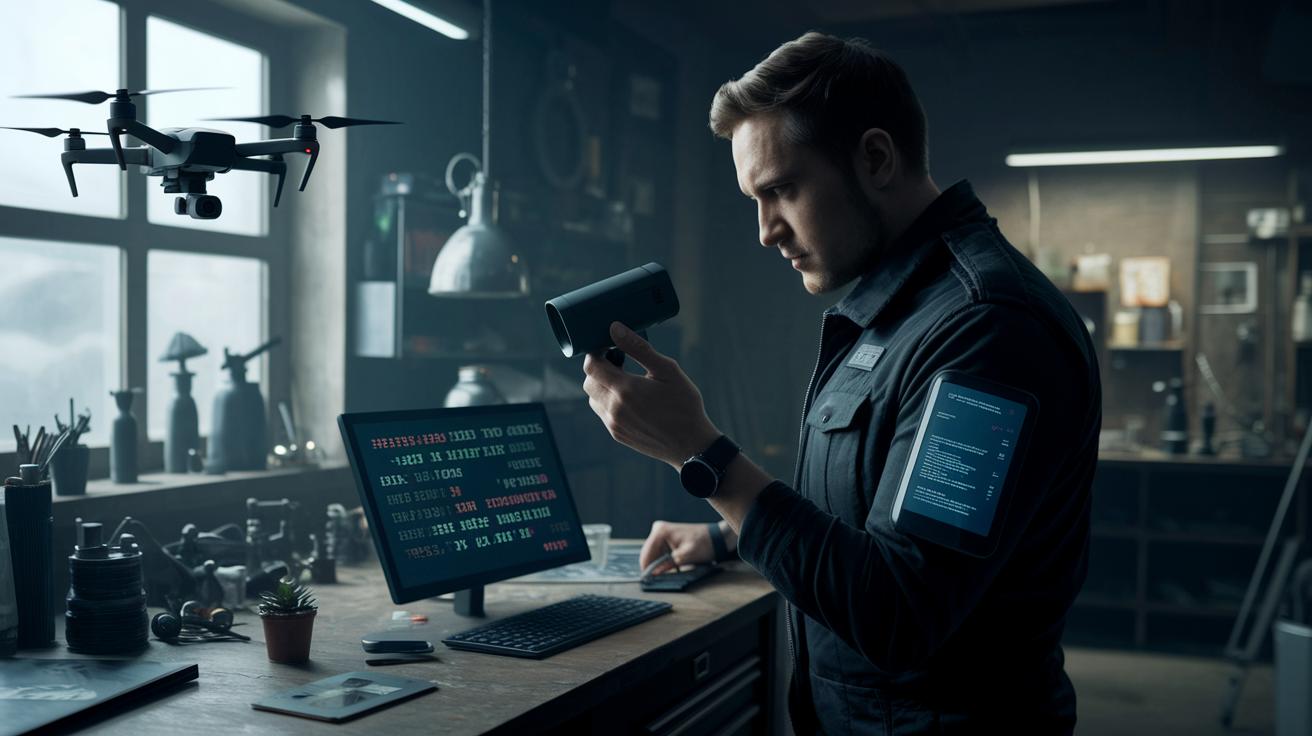
Early hidden-camera methods used by agents like Jonna Mendez helped shape the surveillance tools we see today. Operatives now test micro-cams hidden in everyday items and use drones to capture important images. Paired with secure encrypted messaging, these tools back strong cyber intelligence plans in risky settings.
Emerging tech will soon change the game. Agents are starting to use wearable devices built into clothes and accessories to collect real-time data while staying under the radar. New biometric scanners that check identities instantly are in development, which will cut down errors in secret missions. AI-generated cover stories are also coming up, offering agents updated digital identities when situations change fast.
Key innovations include:
- Micro-cams and drone reconnaissance for detailed, low-key intelligence.
- Advanced encryption protocols that boost secure cyber strategies.
- Biometric systems for faster identity checks during operations.
These new tools point to a big shift ahead. As surveillance technology grows, undercover work will keep adapting by blending modern tech with classic spy methods to stay one step ahead.
Final Words
In the action, we traced the work of undercover spies from historical exploits to modern training methods. The post covered core responsibilities, real-life missions, and films that shape public perception. It also examined how spies blend into everyday life using clever techniques and digital tools. Each section highlighted key skills, intense missions, and the evolving tech that lights the path ahead. The insights offer a clear snapshot into the life of an undercover spy, leaving readers with optimism for the future of covert operations.
FAQ
Q: Undercover spy movie, comedy, and trailer?
A: The undercover spy movie genre features films that dramatize secret agents blending into everyday life. They often mix action, humor, and suspense, with trailers emphasizing disguises and undercover operations to spark interest.
Q: Undercover spy Netflix and series?
A: Undercover spy series on Netflix offer episodic tales filled with secret agents who lead double lives. These shows blend real covert tactics with dramatization to keep viewers engaged with thrilling narratives.
Q: Undercover spy meaning and what is an undercover spy?
A: The term undercover spy describes a secret intelligence agent who disguises their identity to gather critical information. Their missions require stealth, careful planning, and a false cover to operate undetected.
Q: Undercover spy Wikipedia?
A: The undercover spy Wikipedia page compiles detailed information about covert operatives, discussing their roles, techniques, and notable historical cases. It serves as a factual resource on espionage and secret intelligence work.
Q: What are undercover spies called?
A: Undercover spies are also known as covert operatives or secret intelligence agents. These terms stress their discreet work and the need to remain unseen while performing sensitive missions.
Q: What are the four types of spy?
A: The four types of spies include traditional human intelligence agents, signals intelligence operatives, cyber spies, and technical collection specialists. Each type focuses on distinct methods of gathering sensitive information.
Q: Who is the most famous undercover officer?
A: The famous undercover officer Tony Mendez is renowned for his key role in the Canadian Caper operation. His expertise in disguise and covert tactics proved crucial during high-stakes espionage missions.