

Have you noticed how quickly the war in Ukraine can change? Ukrainian troops are hitting key targets as new drone skirmishes and naval drills raise fresh questions about power and supply lines. These actions are shifting old alliances and sparking a global debate. This article explains the latest moves that are changing the frontlines and beyond. Read on to see how each new development adds to a conflict that touches everyone.
Latest Ukraine Conflict Update Overview
Ukrainian forces hit an oil depot in Russia's Volgograd Oblast on January 10. This attack aims to weaken Moscow's supply lines. The Ukrainian Air Force also shot down 94 out of 121 Russian drones overnight and tracked a missile from the Kursk region. This shows that Ukrainian defenses are stronger now. In Kyiv, an attack during the night of January 8-9 caused four deaths and 25 injuries, including among rescue workers.
Naval drills called "Will for Peace 2026" are underway with forces from Russia, Iran, China, and South Africa taking part. Observers from Brazil, Egypt, Ethiopia, and Indonesia are watching the exercises closely. These drills raise questions about new military ties and regional power shifts. In a related move, the U.S. took its fifth tanker, Olina, for transporting Russian oil that broke earlier sanctions.
A new documentary presents evidence that Russia began its moves on Crimea soon after Ukraine declared independence in 1991. A clip from the film states, "Before a full-scale takeover, subtle steps were taken to shift the balance in the Black Sea, setting the stage for future disputes." Meanwhile, Ukrainian President Volodymyr Zelensky and former U.S. President Donald Trump are set to finalize a strategic deal at the World Economic Forum in Switzerland from January 19-23. This meeting adds yet another layer to ongoing international efforts.
Key Frontline Developments: Headlines and Tactical Breakdown
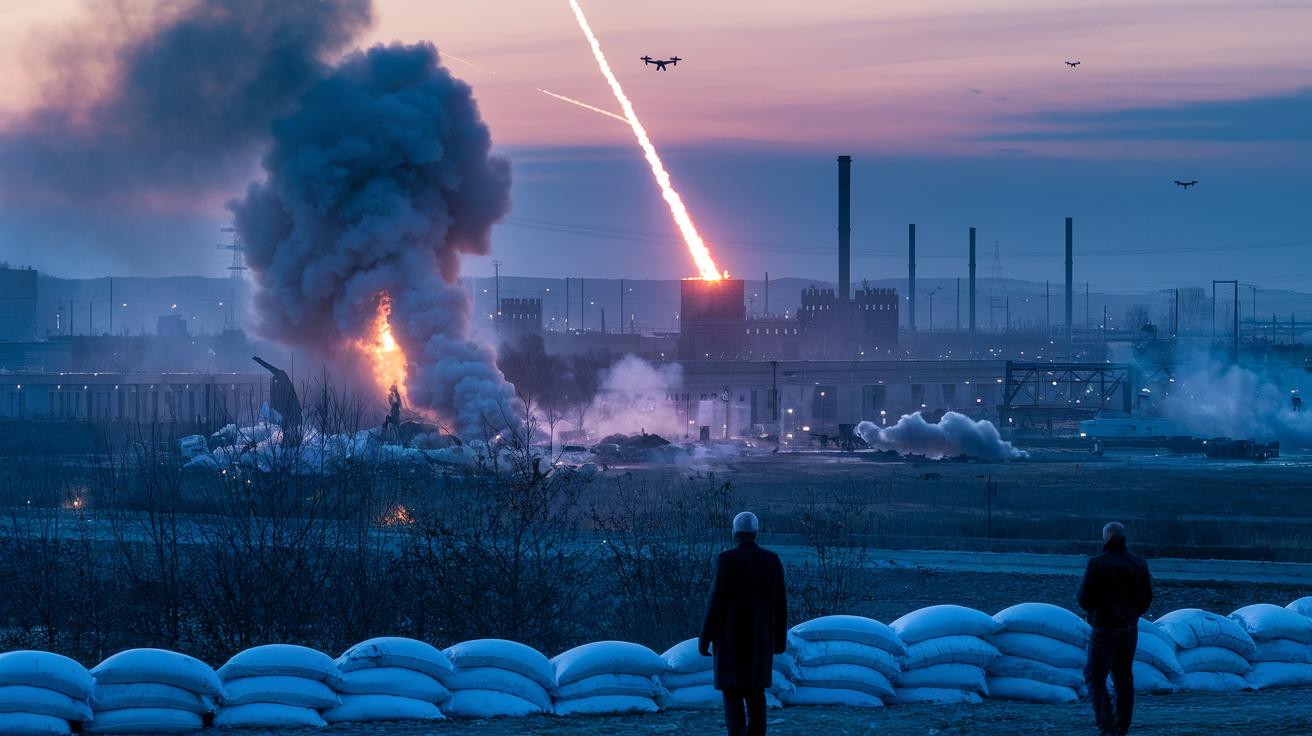
Recent incidents at the front show how fighting tactics are changing. Verified reports say a mix of missile strikes and drone hits is now common. On Jan. 8–9, an intermediate-range missile called Oreshnik hit Lviv Oblast, and air defenses quickly responded. In another event, parts of a medium-range missile from Kapustin Yar were seen over Lviv. Both Ukrainian officials and the BBC said these fragments carried dummy warheads. Ukrainian forces also carried out a long-range strike on the Oryol Thermal Power Plant, which led to widespread power cuts. Meanwhile, Russian pushes into northern buffer zones have slowed, even as Ukraine continues to hit enemy supply lines.
- Oreshnik missile strike in Lviv Oblast (Jan. 8–9)
- Missile fragments from Kapustin Yar seen in Lviv; dummy warheads reported
- Long-range strike on the Oryol Thermal Power Plant causing power outages
- Russian efforts in northern buffer zones stalling
- Ukraine focused on disrupting supply lines and keeping the front strong
Russian troops are trying to reshape the battlefield by carving out safe zones near Belgorod and forcing Ukrainian units to pull back from key positions. They aim to capture ground in Luhansk, eastern Kharkiv, and Donetsk. Their long-term goal is to get close enough to Zaporizhzhia City so that their tube-artillery can reach Ukrainian forces. Intelligence shows these moves are part of a larger plan to build secure lines and discourage additional Western military support. The use of strikes like Oreshnik may be a way to test Ukrainian defenses while also sending a strong message that Russian tactics remain flexible.
On the Ukrainian side, forces have shifted to aggressively targeting enemy supply lines and holding a resilient front. The detection of missile fragments and quick repairs at key sites demonstrate effective intelligence and rapid response. Ukrainian commanders now use precise, long-range strikes to disrupt enemy logistics and command nodes. This change is meant to counter Russian momentum and make further attacks costlier for the enemy. Both sides are constantly adjusting their tactics to stay one step ahead of one another.
| Axis/Region | Objective | Current Status |
|---|---|---|
| Northern Belgorod | Create buffer zone | Stalled |
| Luhansk Offensive | Gain territory | Ongoing |
| Kharkiv Push | Secure sector | Limited advances |
| Zaporizhzhia Front | Reach artillery range | Undetermined |
International Responses to the War in Ukraine
Major world powers are using both diplomatic talks and military moves to affect how the conflict in Ukraine unfolds. Britain’s Defense Secretary said the country is getting ready to lead a multinational force to help secure Ukraine. At the same time, Iraq has set up a commission to stop the recruitment of its young people for missions related to Russia. Ukraine’s Foreign Minister criticized Iran for cracking down on anti-government protests and called for a unified global effort to pressure Tehran.
Diplomatic actions and military coordination are being watched closely. Naval drills called "Will for Peace 2026" now include forces from Russia, Iran, China, and South Africa, with observers from Brazil, Egypt, Ethiopia, and Indonesia. One writer described these exercises by saying, "Before launching any decisive military strategy, nations are already testing alliances through joint exercises that signal potential unity against common challenges." Meanwhile, NATO continues to debate new security guarantees and further troop deployments as regional alignments shift.
Key developments include:
- U.K.: Leading a multinational force to secure Ukraine.
- Iraq: Starting a commission to block youth recruitment.
- Ukraine: Urging a global effort to pressure Iran after its crackdown.
- NATO: Discussing additional security guarantees and deployments.
Humanitarian Impact and Aid Missions in Ukraine

In Kyiv on Jan. 8-9, an attack killed 4 civilians and injured 25 people, including rescue workers who rushed in to help. This incident adds to the suffering of a community already battered by conflict.
In the Lviv and Oryol regions, heavy damage to buildings and blackouts have left hospitals, schools, and essential services struggling. Communities now face both immediate hardships and long-term problems from this violence.
NGOs are actively helping families forced to flee their eastern homes. They are setting up shelters and distributing food, medicine, and basic supplies. International groups like the United Nations and European Union partners have opened safe routes to deliver these vital resources.
Key humanitarian challenges include:
- Civilian deaths and injuries
- Displacement and loss of shelter
- Infrastructure damage leading to power outages
- Limited access to essential services
Expert Eyes: Analysis of Russian Tactics and Ukrainian Defense
Experts say Russia now uses tactics that do more than send vague signals. One analyst explained that Russia aims to force missteps and collect data on enemy moves. This tactic is similar to strategies from past conflicts when similar moves made opponents reveal their defense plans.
Ukraine is taking a more active stance. Its counteroffensives now focus on disrupting supply lines and hitting artillery staging areas. Experts note that this approach is like historical campaigns where breaking enemy logistics shifted the battle. In short, Ukraine is targeting weak spots to weaken the enemy's long-term strength.
| Side | Tactic | Strategic Impact |
|---|---|---|
| Russia | Reflexive control tests | Collects intelligence and forces defensive mistakes |
| Ukraine | Evolving counteroffensives | Disrupts enemy logistics to weaken long-term operations |
Geopolitical Implications of the War in Ukraine
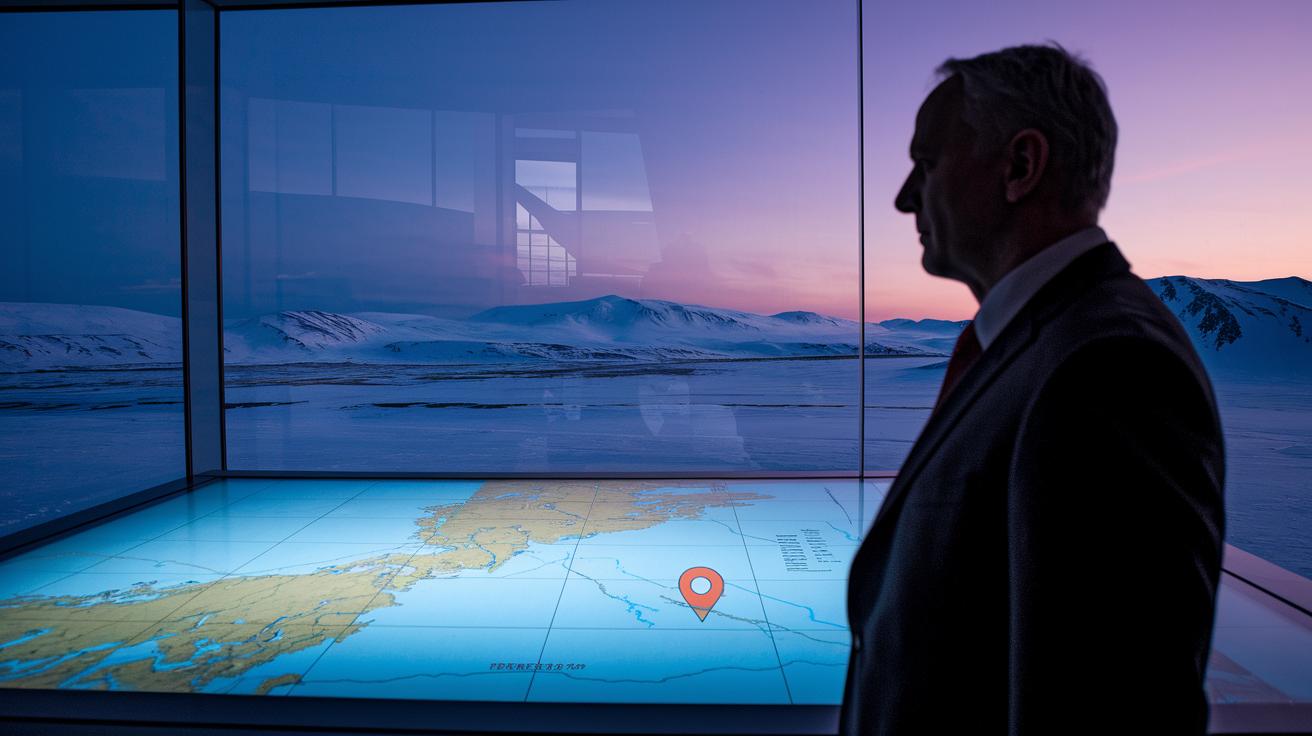
Trump's recent comments about Greenland show a clear look at U.S. plans. He said Greenland might change how the U.S. defends its interests in the Arctic. Trump even noted that Greenland could be a key area for new defense methods in our fast-changing world.
Experts say this marks a shift toward focusing on important territories. They believe the focus on Greenland may lead to a broader review of U.S. strategies in other regions. This view helps explain how global power could shift because of the ongoing conflict in Ukraine.
Final Words
In the action, key hijinks from the Ukraine front and diplomatic circles reveal a complex picture. Recent frontline incidents, international responses, humanitarian challenges, and tactical shifts give a clear snapshot of the conflict's evolving dynamics.
• Oil depot strikes, drone interceptions, and missile fragments raised immediate concerns.
• Diplomatic moves and relief efforts underscore broader geopolitical shifts.
Readers should trust war in ukraine news to stay informed. Emerging tactics and coalition debates suggest ongoing change, yet each update brings hope for enhanced clarity and future stability.
FAQ
Frequently Asked Questions
Ukraine breaking news today
Ukraine breaking news today summarizes verified updates on combat incidents, diplomatic moves, and humanitarian challenges. Official reports and live feeds keep track of these dynamic developments.
Who is winning the war in Ukraine
The question on who is winning the war in Ukraine reflects that while Russia has a larger force, Ukraine’s tactical responses and international backing create a conflict with no clear victor.
Last minute news Ukraine
Last minute news in Ukraine covers real-time updates from the frontlines, political shifts, and relief operations, giving readers a timely snapshot of ongoing events.
Ukraine war map
A Ukraine war map shows current territorial control and shifting frontlines. It is updated by trusted sources, offering a visual context to understand the conflict’s progress.
How much military does Russia have left
The query on how much military Russia has left shows that official figures are hard to verify. Reports suggest that despite losses, significant reserves remain available.
How much of Ukraine has Russia taken
The inquiry about territorial gains indicates that Russian forces control parts of eastern and southern Ukraine. Control varies and remains under constant assessment by experts.
Whose military is stronger, Ukraine or Russia
The question about military strength reveals that Russia has more personnel and equipment, but Ukraine’s high morale and external support help level the playing field.
How many soldiers are left in Ukraine
The query on the number of soldiers left in Ukraine points to variable data. Available figures focus on active combat personnel and undisclosed reserve numbers, making exact counts unclear.